
Starting your cloth diapering journey can feel overwhelming with all the terminology, but once you establish a simple daily rhythm, it becomes second nature. Transitioning away from single-use options is a rewarding choice that benefits both your household budget and the environment. By mastering a simple loop of prepping, fitting, changing, and washing, you can easily integrate reusable diapers into your modern parenting routine. This guide breaks down every step of the process to build your confidence, helping you navigate the daily cycle with ease and comfort for your baby.
What You Need Before Starting
Before diving in, it helps to understand the basic components of a cloth diapering system. Modern cloth diapers generally fall into a few main categories, each with distinct structural designs. All-in-one diapers are the most similar to disposables, featuring a waterproof outer layer and an absorbent inner lining sewn together as a single piece. Pocket diapers consist of a waterproof shell with a stay-dry fabric pocket where you insert absorbent pads, allowing you to customize the absorbency level. Fitted diapers are made entirely of absorbent material and require a separate waterproof cover over the top to prevent leaks.
Alongside the diapers themselves, a few essential accessories will make your daily routine much smoother. Waterproof wet bags are crucial for storing soiled diapers when you are away from home or waiting for wash day. Reusable or flushable diaper liners can be placed inside the diaper to catch solid waste, making cleanup significantly easier. Additionally, you will want to stock up on cloth-safe barrier creams, as standard diaper creams can leave a residue that affects fabric performance.
Products mentioned in this guide
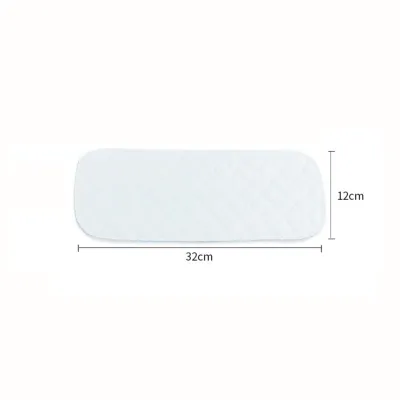
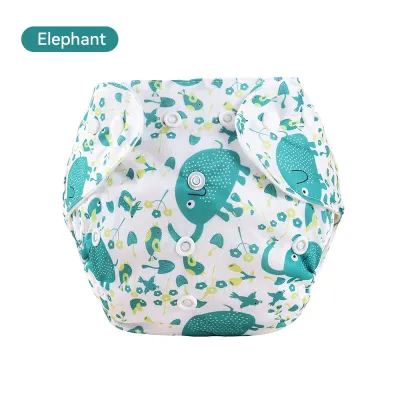

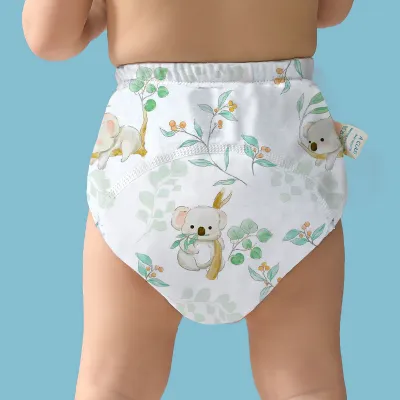

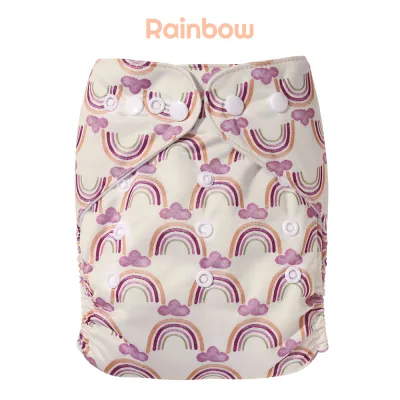

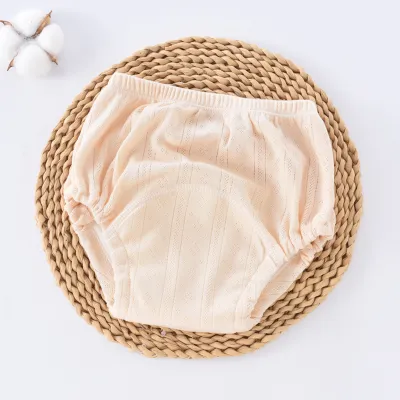
Prices are valid at publication and may change. Please refer to the product page for the latest price.
When building your starter stash, there is no need to buy everything at once. A functional collection depends heavily on how often you plan to run your laundry. For caregivers washing diapers every other day, a stash of 20 to 24 diapers is generally recommended for newborns, who require frequent changes. If you plan to wash daily or are diapering an older infant, you can comfortably start with a smaller stash of 12 to 15 diapers. Keeping your initial setup flexible allows you to test different styles and find what works best for your baby’s shape and your lifestyle.
How to Prep and Fold Cloth Diapers
New cloth diapers require a bit of preparation before their first use to reach their maximum absorbency. Natural fibers like cotton, hemp, and bamboo contain natural oils that must be washed away to allow the fabric to absorb moisture effectively. Always consult the manufacturer’s care label for specific pre-washing instructions, as some materials require multiple warm washes before they are ready for use, while synthetic materials like microfiber often only need a single wash.

If you choose to use traditional flat or prefold diapers, learning a few basic folds will help you customize the fit and target the wetness zones where your baby needs it most. The pad fold is the simplest method, where you fold a prefold diaper into thirds to create a thick rectangular pad, which you then lay directly inside a waterproof cover. For active babies or to contain messy stools, the angel fold is highly effective; this involves folding the back corners inward to form a snug fit around the hips before securing the front.
For pocket diapers, preparation involves stuffing the absorbent inserts into the pocket opening before diapering. To prevent bunching and ensure even coverage, lay the insert flat on your hand, slide it all the way to the front of the pocket, and smooth it out as you pull your hand back. If your baby is a heavy wetter or is sleeping for longer stretches, you can layer a booster—such as a slim bamboo or hemp insert—underneath the primary microfiber insert to increase capacity without adding excessive bulk.
How to Fit a Cloth Diaper Correctly
Achieving a proper fit is the most effective way to prevent leaks and ensure your baby remains comfortable throughout the day. When putting on a cloth diaper, position the back of the diaper at the baby’s waistline, just above the hips. Bring the front of the diaper up between the legs, ensuring the fabric sits naturally in the groin creases rather than draping over the thighs. Fasten the waist snaps or hook-and-loop tabs securely, but avoid pulling them too tight.
To verify the snugness of the waist, apply the two-finger rule: you should be able to slide two fingers easily between the diaper and your baby’s tummy. This ensures there is enough room for your baby to breathe and move comfortably without the diaper shifting out of place. Next, run your finger along the leg elastics to check for gaps. The elastic should sit snugly against the skin like a pair of underwear, with no gaps visible when your baby moves their legs.
It is equally important to ensure that all absorbent material, including inserts and inner linings, is tucked completely inside the waterproof outer cover. Any fabric poking out can act as a wick, drawing moisture onto your baby’s clothing. As your baby grows, you will need to adjust the rise snaps on the front of the diaper to lengthen or shorten the rise. Refer to the manufacturer’s sizing guidelines and observe your baby’s development; if you notice red marks on their thighs or if the diaper sits too low on the waist, it is time to adjust to a larger rise setting.
The Daily Changing and Storage Routine
Establishing a hygienic daily routine makes managing cloth diapers straightforward and stress-free. When it is time for a change, lay your baby down and unfasten the diaper. For wet-only diapers, simply place them directly into your storage container. For soiled diapers, you must remove the solid waste before storage. If you use a flushable or reusable liner, lift it out and dispose of the waste appropriately. If you do not use a liner, a bidet sprayer attached to your toilet is an exceptionally convenient tool for rinsing solids directly into the bowl.
Once the diaper is prepped, store it in a dry, breathable container until wash day. A zippered wet bag or an open plastic diaper pail lined with a large cloth bag works best. Avoid sealing dirty diapers in airtight containers, as this traps moisture and heat, creating an environment that encourages mold growth, bacterial multiplication, and strong ammonia odors. In tropical climates with high humidity, keeping the storage container well-ventilated is especially important for preserving the fabric.
To maintain hygiene and protect the diaper materials, aim to wash your diapers every two to three days. Leaving soiled diapers unwashed for longer periods can lead to stubborn ammonia buildup, which is difficult to remove and can degrade the waterproof laminate over time. A consistent washing schedule ensures you always have a fresh supply of diapers ready while keeping household odors to a minimum.
Basic Washing and Care Routine
A proper laundry routine is essential for keeping your cloth diapers clean, fresh, and absorbent. Always start with a two-step washing process to ensure thorough cleaning. The first step is a short, cold or warm pre-wash cycle with a small amount of detergent to flush away the bulk of the organic waste. Follow this with a long, heavy-duty main wash cycle using hot or warm water and a full dose of detergent to deeply clean the fibers.
Choosing the right detergent is critical for maintaining fabric performance. Opt for a standard, strong-cleaning detergent that does not contain fabric softeners, optical brighteners, or heavy fragrances, as these additives can leave a residue on the fibers and cause the diapers to repel moisture. Always check your diaper manufacturer’s care instructions regarding the use of specific enzymes, oxygen bleach, or chlorine bleach, as some brands restrict these ingredients to protect their warranties and fabric integrity.
Drying your diapers correctly will extend their lifespan and preserve their waterproof qualities. Line drying is highly recommended for waterproof diaper covers, pocket shells, and all-in-one diapers, as the intense heat of a dryer can damage the polyurethane laminate and degrade the elastics. Hanging them outdoors on a clothesline allows the sun to naturally bleach out minor stains. For absorbent inserts, prefolds, and flats, tumble drying on a low or medium heat setting is safe and helps keep the fabrics soft and pliable.
Troubleshooting Common Beginner Issues
It is common to encounter a few minor hurdles when you first start using cloth diapers, but most issues are easily resolved with simple adjustments. If you experience leaks, first determine whether they are caused by fit or absorbency. A fit-related leak often occurs around the legs due to loose elastics or tucked-in fabric wicking moisture outward. If the diaper is completely saturated when a leak occurs, your baby may have outgrown the current absorbency level, and you should consider adding a booster or switching to a more absorbent insert material like hemp or bamboo.
Persistent odors or sudden leaks can also be a sign of detergent buildup or ammonia accumulation. If your clean diapers smell musty when wet or repel water instead of absorbing it, you may need to perform a deep-cleaning process, often referred to as stripping, to remove the residue. Always follow manufacturer-approved guidelines for stripping to avoid damaging the fabrics or voiding your warranty.
While cloth diapers are generally gentle on sensitive skin, diaper rashes can still occur. If your baby develops persistent skin irritation, review your washing routine to ensure all detergent is being thoroughly rinsed out. If the rash does not improve after adjusting your routine, or if you suspect a yeast infection, stop using cloth diapers temporarily, switch to disposables, and consult a pediatrician for professional medical advice and appropriate treatment options.
Frequently Asked Questions (FAQ)
Can I use regular diaper cream with cloth diapers?
Standard diaper creams containing petroleum, mineral oil, or high levels of zinc oxide should be avoided with cloth diapers. These ingredients are designed to create a waterproof barrier on the skin, but they can transfer to the diaper fabric, leaving a greasy residue that repels moisture and ruins absorbency. To protect your diapers, look for creams explicitly labeled as cloth-safe, or use a reusable fleece liner to act as a physical barrier between the cream and the diaper fabric. Always check your diaper manufacturer’s warranty guidelines before applying any topical treatments.
How do I handle cloth diapers when traveling or out of the house?
Managing cloth diapers on the go is highly manageable with a little preparation. Always pack a medium-sized, zippered waterproof wet bag in your diaper bag to securely store soiled diapers and contain odors until you return home. Keep a compact changing kit ready with reusable cloth wipes, a small spray bottle of water, a few clean diapers, and a travel-sized wet bag. When changing your baby in public, simply roll up the soiled diaper, place it in the wet bag, and zip it shut; there is no need to rinse solid waste until you get back to your home setup.
Community discussion
Share your experience or ask a question. Comments are reviewed before publication.