
Properly cleaning baby bottles requires a consistent, systematic routine to remove stubborn milk fats and prevent bacterial growth. When using a dedicated product like the Unilove cleansing bottle, the most critical step is strictly following the manufacturer’s dilution and usage instructions printed on the label. While liquid cleansers are highly effective at breaking down milk residue, parents must also understand the distinction between daily cleaning and true sanitization to ensure their baby’s feeding gear remains safe and hygienic. In the warm and humid climate of the Philippines, milk residue left in bottles can spoil rapidly, making a meticulous cleaning routine essential for your baby’s health. By establishing a structured washing process, you can protect your infant from common digestive issues and ensure every bottle is thoroughly prepared for the next feed.
Understanding Cleaning vs. Sanitizing for Baby Bottles
Distinguishing between cleaning and sanitizing is fundamental to maintaining high standards of infant hygiene. Cleaning is the physical process of removing visible organic matter, such as milk fats, proteins, and sugars, from the surfaces of the bottle, nipple, and collar. Without thorough cleaning, a thin film of milk residue can remain, providing a breeding ground for microbes.
Sanitizing or sterilizing, on the other hand, involves using high heat, steam, or approved chemical agents to eliminate microscopic pathogens, including bacteria, viruses, and fungi, that survive the washing process. Most liquid baby bottle cleansers, including the Unilove cleansing bottle, are formulated primarily for deep cleaning to break down tough milk fats that regular dishwashing liquids might miss. Because these cleansers are designed to be gentle on baby gear and skin, they do not automatically sterilize the bottle on their own unless the manufacturer’s label explicitly states specific sanitizing properties or certifications. Always inspect the packaging of your Unilove cleanser to verify its exact claims, recommended applications, and any specific certifications or limitations.
Products mentioned in this guide
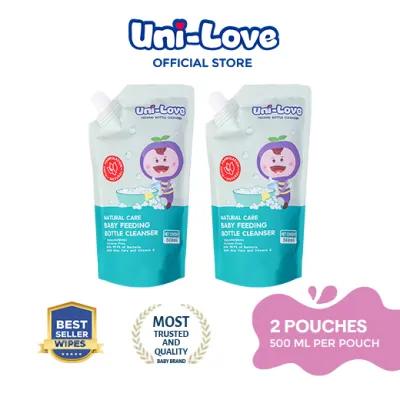
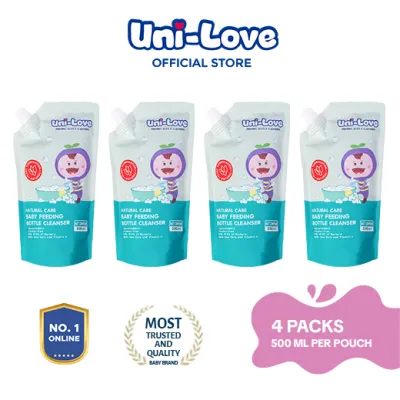
![Uni-Love Baby Bottle Cleanser 500ml Pack [Buy 1 Take 1]](https://img.lazcdn.com/g/p/08636db80c9e3f2710774cab0e92e64a.jpg_400x400q80.jpg_.webp)
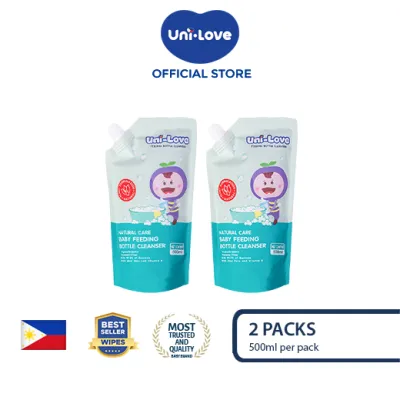
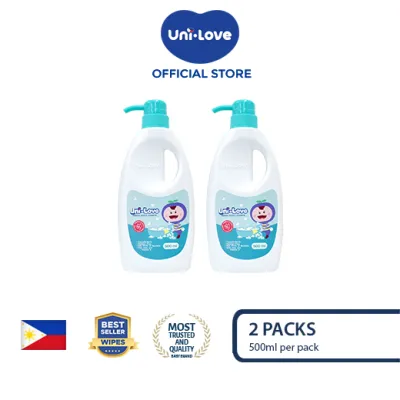
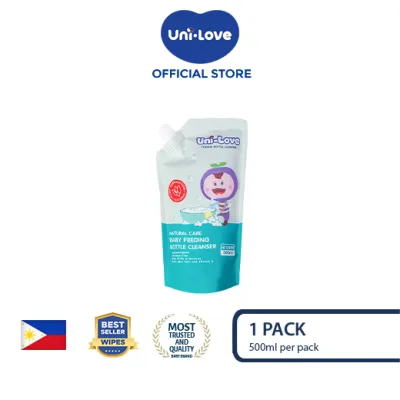
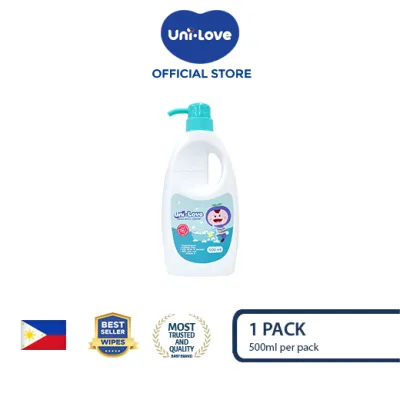
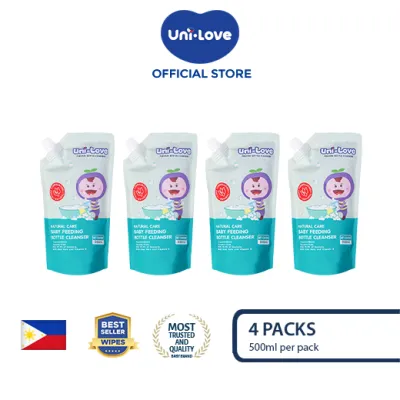
Prices are valid at publication and may change. Please refer to the product page for the latest price.
Preparing Your Workspace and Bottle Parts
Before you begin handling any feeding equipment, wash your hands thoroughly with clean water and soap for at least twenty seconds to prevent transferring household germs to the clean bottles. Prepare a dedicated cleaning area, preferably using a clean washbasin reserved solely for baby items rather than washing directly in a general kitchen sink where raw food residue may linger.

Gather your essential tools: a dedicated baby bottle brush, a nipple brush, your Unilove cleansing bottle, and clean, warm water if recommended by the manufacturer. Completely disassemble every single bottle component, including the bottle body, collar rings, silicone nipples, protective caps, and any internal anti-colic valves or straw systems. Leaving parts assembled allows milk residue to trap in the threads and crevices, which can quickly spoil in warm, tropical climates and lead to bacterial growth.
Step-by-Step Washing Guide Using Unilove Cleansing Bottle
Begin by pre-rinsing all disassembled bottle parts under cool, running water to flush away loose milk residue before it has a chance to dry and stick to the plastic or silicone. Fill your dedicated washbasin with water, paying close attention to the temperature recommended on the Unilove bottle label, as some formulations perform best in lukewarm or warm water.
Dispense the cleanser into the water according to the exact dilution ratio specified on the product packaging; avoid guessing the amount, as under-diluting may leave residue, while over-diluting reduces cleaning power. Submerge the disassembled parts in the soapy solution and use your dedicated bottle brush to scrub the interior and exterior surfaces of the bottle body thoroughly. Pay special attention to the neck threads and the bottom corners of the bottle where milk fats tend to accumulate and form a stubborn film.
Use a smaller, specialized nipple brush to clean the silicone nipples, gently pushing the brush into the tip while taking care not to tear the delicate feeding hole. Carefully scrub any anti-colic valves, vents, or straw attachments, as these intricate parts have tiny crevices that easily trap milk proteins. If the Unilove label explicitly recommends a specific soaking duration for stubborn stains or odors, allow the parts to soak for that exact timeframe; otherwise, proceed directly to scrubbing and rinsing to avoid unnecessary exposure.
Rinsing and Air-Drying to Prevent Residue and Bacteria
Once scrubbing is complete, hold each bottle part under clean, running water to rinse away all traces of the soapy solution. Continue rinsing until the surfaces no longer feel slippery and there are absolutely no visible suds or bubbles remaining on the plastic or silicone.
Place the rinsed parts face down on a clean, dedicated baby bottle drying rack in a well-ventilated area away from cooking fumes or household dust. Avoid using cloth towels or paper napkins to dry the bottle parts, as fabric fibers can harbor bacteria and transfer lint or pathogens back onto the freshly cleaned surfaces. In humid environments, ensure the drying area has adequate airflow to help the parts dry completely and prevent mold or mildew from developing in trapped moisture. Once every component is entirely dry, store them in a clean, closed container or a dedicated cabinet to protect them from airborne dust, household pests, and environmental moisture.
When to Supplement with Physical Sterilization
While daily washing with a dedicated cleanser is sufficient for removing milk residue, physical sterilization is often necessary to provide an extra layer of safety for vulnerable infants. Pediatric guidelines generally recommend sterilizing feeding equipment at least once a day for newborns, premature infants, or babies with weakened immune systems, as well as during or after a period of illness.
You can achieve physical sterilization through several reliable methods, including boiling the parts in water, using an electric steam sterilizer, or utilizing a UV sterilizing cabinet. Before applying any heat or UV treatment, check the manufacturer’s instructions for both your baby bottles and the Unilove cleanser to ensure the materials can withstand high temperatures or specific light wavelengths without degrading. Some plastics and silicone parts may warp, discolor, or degrade if boiled for too long or exposed to excessive heat, so always monitor the sterilization process closely.
Consult your pediatrician or healthcare provider to establish a sterilization schedule tailored to your baby’s specific health needs, developmental stage, and the quality of your local water supply.
Frequently Asked Questions (FAQ)
Can I use Unilove cleansing bottle to wash other baby items?
Yes, but you must always verify the approved uses listed on the product label before cleaning items other than bottles. Many gentle baby cleansers are suitable for washing silicone pacifiers, teethers, breast pump components, and plastic toys. However, avoid using the cleanser on porous materials, wooden toys, or items not explicitly approved by the manufacturer, as these materials can absorb the cleaning solution or degrade over time.
How often should I replace my baby bottle brush?
You should replace your baby bottle brush every few months, or immediately if you notice the bristles becoming frayed, bent, or misshapen. Damaged bristles lose their effectiveness and can scratch the interior of plastic bottles, creating tiny grooves where bacteria can easily hide. Additionally, replace the brush immediately if it develops a sour odor, discoloration, or signs of mold. To extend its lifespan, rinse the brush thoroughly after each use, shake off excess water, and store it upright in a clean, dry place to air-dry.
What should I do if my baby swallows soapy water?
If your baby accidentally ingests a small amount of diluted soapy water during feeding, remain calm and take immediate, standard first-aid steps. Wipe any remaining residue from the baby’s mouth with a clean, damp cloth, and offer a small amount of breastmilk or formula to help wash down the taste and dilute the soap in their stomach. Monitor your baby closely for any signs of physical distress, such as persistent vomiting, excessive drooling, coughing, or unusual lethargy. If you observe any of these symptoms, or if you suspect they ingested concentrated, undiluted cleanser, contact your pediatrician or a local poison control center immediately for professional medical guidance.

Community discussion
Share your experience or ask a question. Comments are reviewed before publication.