
Selecting a safe and effective bottle cleanser requires matching the product’s chemical formulation to the specific physical properties of your baby’s bottles. Because glass, plastics, and silicone react differently to chemical exposure, understanding what to look for—and what to avoid—on a cleanser label helps prevent material degradation, ensures thorough cleaning, and protects your baby from unwanted residues. A well-chosen cleanser should effectively break down breast milk or formula fats without compromising the structural integrity of the bottle components.
While glass is highly resilient, plastics like polypropylene (PP) and polyphenylene sulfone (PPSU) can degrade under harsh chemicals, and porous silicone can absorb strong fragrances. Choosing a cleanser with mild, plant-derived surfactants and a neutral pH helps maintain the integrity of these materials over time. Always verify the specific care instructions provided by your bottle manufacturer, as they outline the precise material limits and recommended cleaning methods for their products.
Understanding How Cleanser Ingredients Interact with Bottle Materials
Baby bottles are manufactured from several distinct materials, each requiring specific care to ensure longevity and hygiene. Glass is a traditional choice valued for its durability and non-porous surface, making it highly resistant to chemical absorption and scratching. However, glass can still suffer from surface etching if subjected to highly abrasive cleaning agents or extremely harsh industrial chemicals over time.
Products mentioned in this guide
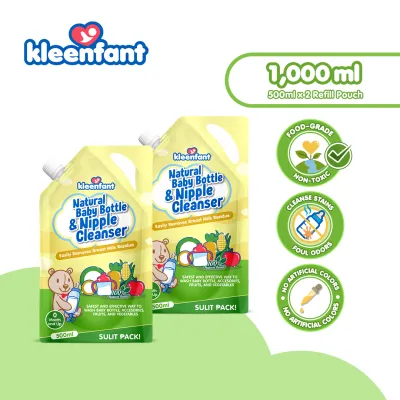
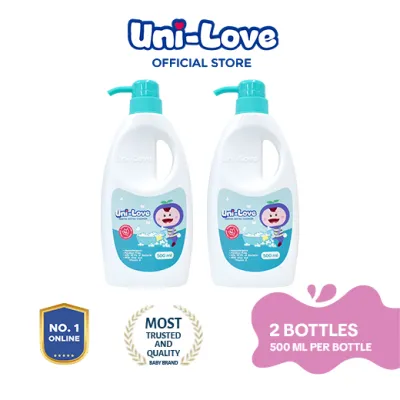
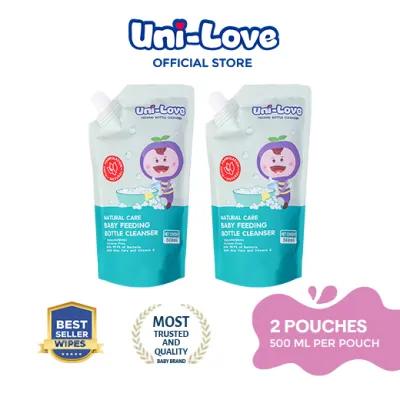
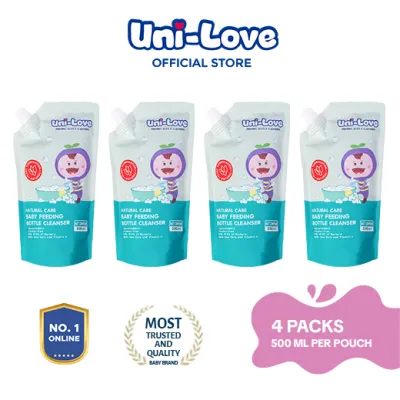
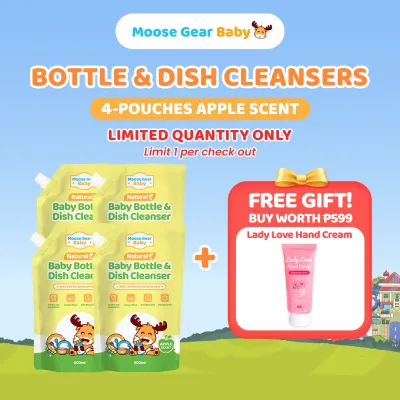
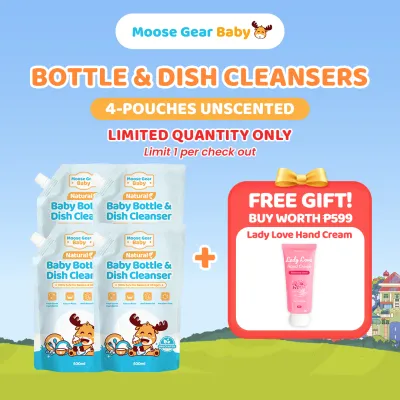
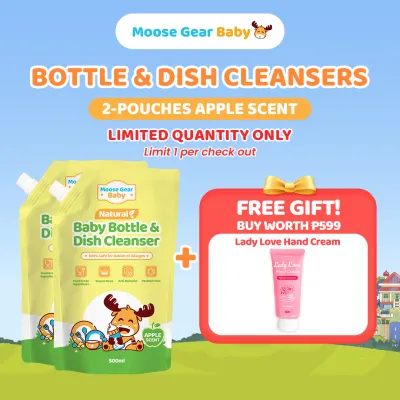
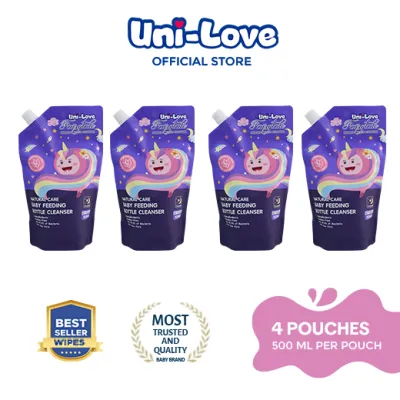
Prices are valid at publication and may change. Please refer to the product page for the latest price.
Plastic bottles are typically made from polypropylene (PP), polyphenylene sulfone (PPSU), or polyethersulfone (PES). These polymers are lightweight and shatterproof, but they are more vulnerable to chemical stress than glass. Exposure to strong solvents, high-alkaline agents, or improper cleaning practices can cause plastics to cloud, develop micro-cracks, or become brittle, which shortens their usable lifespan.
Silicone is widely used for bottle nipples, valves, and flexible silicone bottles due to its flexibility and heat resistance. However, silicone is a porous elastomer, meaning it can easily absorb hydrophobic substances such as essential oils, synthetic fragrances, and milk fats. When silicone absorbs these compounds, it can swell, become sticky, or retain persistent odors that are difficult to eliminate.
Because of these varying material properties, a single cleaning routine may affect each part of the bottle differently. Caregivers must check the bottle manufacturer’s documentation to verify compatibility with specific types of cleansers. Understanding these material interactions is the first step in protecting your feeding equipment from premature wear.
How to Read and Evaluate Bottle Cleanser Ingredient Labels
Evaluating a bottle cleanser requires looking past front-label marketing claims and examining the actual ingredient list on the back of the packaging. The primary active components in any cleanser are surfactants, which are responsible for lowering water tension to lift away milk fats and proteins. For baby bottles, look for mild, plant-derived surfactants, such as those derived from coconut or corn (for example, alkyl polyglucosides), which clean effectively without leaving harsh chemical residues.

It is important to note that marketing terms like “natural,” “organic,” or “baby-safe” are not standardized chemical guarantees. A product carrying these labels can still contain ingredients that may irritate sensitive skin or degrade specific bottle materials. Always verify the full ingredient list to ensure the claims are backed by a mild, transparent formulation.
Fragrances and dyes are common additives used to improve the sensory appeal of a cleanser, but they serve no functional purpose in cleaning. Synthetic fragrances and artificial colorants can leave a persistent film on plastic and porous silicone surfaces. To minimize the risk of chemical buildup and sensory aversion in infants, prioritize cleansers labeled as fragrance-free and dye-free.
Preservatives and pH adjusters are also necessary in water-based cleansers to prevent microbial growth and maintain formula stability. When reviewing these ingredients, look for formulations that maintain a neutral pH. Highly acidic or highly alkaline solutions can place unnecessary chemical stress on plastic polymers and silicone, accelerating the aging and clouding of the bottles.
Harsh Ingredients and Practices to Avoid by Material Type
To protect your baby’s feeding equipment, you must avoid specific harsh ingredients and cleaning practices that target the vulnerabilities of each material. Abrasive cleaning agents, such as scouring powders, baking soda pastes, or stiff-bristled physical scrubs, should never be used on baby bottles. These substances cause micro-scratches on both plastic and glass surfaces, creating tiny crevices where milk residues and bacteria can accumulate, making subsequent sterilization less effective.
Strong solvents, heavy degreasers, and high-alkaline agents must also be avoided. These chemicals can break down the polymer chains in PP and PPSU plastics, leading to structural weakening, cloudiness, and cracking. On silicone components, strong solvents can cause the material to lose its elasticity, swell, or develop a sticky, tacky texture that indicates the polymer is degrading.
Essential oils and heavy synthetic fragrances pose a specific risk to silicone nipples and bottles. Because silicone readily absorbs oils, cleansers containing citrus, lavender, or other essential oils can leave a permanent scent and taste on the feeding components. This lingering flavor can cause infants to reject the bottle during feeding sessions.
If a bottle cleanser label lists unfamiliar chemical compounds, or if the manufacturer does not provide a clear, transparent ingredient disclosure, it is best to err on the caution side. Stop using the product immediately and consult the bottle manufacturer’s customer service team to verify if the cleanser is safe for your specific bottle materials.
How to Test a New Cleanser and Monitor Bottle Wear
Before committing to using a new bottle cleanser for your daily routine, perform a simple patch test to check for material compatibility. Apply a small amount of the diluted cleanser to a less critical component, such as a travel cap, or to the exterior base of a bottle. Wash, rinse, and dry the test area thoroughly, then inspect it under direct light to ensure no discoloration, cloudiness, or surface changes have occurred.
Establish a regular visual and tactile inspection routine for all bottle components during washing. Examine plastic bottles for signs of clouding, fine hairline cracks, or deep scratches. Feel the silicone nipples and valves to check for any stickiness, loss of stretch, or changes in texture, and smell the dry components to detect any persistent chemical or perfume odors.
In warm, humid climates like the Philippines, thorough drying is essential to prevent microbial growth on washed bottles, making a clean-rinsing cleanser even more critical. If you observe any signs of material wear, such as persistent cloudiness, stickiness, cracks, or a soapy odor that remains after drying, stop using that specific cleanser. Replace the damaged bottle or nipple immediately to ensure safe feeding.
Regardless of the cleanser’s ingredient profile or any “no-rinse” marketing claims, always rinse all bottle parts thoroughly under clean, running water. Thorough rinsing physically removes any remaining surfactant molecules and loosened milk fats, leaving a clean, residue-free surface. If you suspect a cleanser is causing skin irritation or material damage, consult a qualified professional or the bottle manufacturer for guidance.
Frequently Asked Questions (FAQ)
Can I use regular dish soap instead of a dedicated baby bottle cleanser?
Regular dish soaps are formulated to strip heavy grease from adult cookware and often contain strong anionic surfactants, synthetic dyes, and intense fragrances. While they clean effectively, they are more likely to leave a stubborn residue or a strong scent on porous silicone nipples and plastic bottles. If you must use regular dish soap, verify that its ingredient profile is free of heavy perfumes and dyes, and check the bottle manufacturer’s guidelines to ensure compatibility.
Do I need a fragrance-free cleanser for silicone bottles?
Yes, choosing a fragrance-free cleanser is highly recommended for silicone bottles and nipples. Silicone is a porous elastomer that easily absorbs hydrophobic compounds, including synthetic perfumes and essential oils. Once absorbed, these scents can persist through multiple washes and sterilization cycles, which may alter the taste of the milk and cause a baby to reject the bottle.
How often should I replace plastic or silicone bottles even with safe cleansers?
Even when using mild bottle cleansers, plastic and silicone components have a limited lifespan. Inspect bottles regularly and replace plastic bottles if they show persistent cloudiness, deep scratches, or cracks. Silicone nipples and bottles should be replaced immediately if they become sticky, discolored, stretched, or torn. Always consult the bottle manufacturer’s documentation for their specific recommended replacement timeline, which often ranges from one to six months depending on the material and frequency of use.
Community discussion
Share your experience or ask a question. Comments are reviewed before publication.