
Using a powder milk storage bag is one of the most convenient ways to feed your baby during outings, but keeping the formula fresh requires strict attention to moisture control, hygiene, and proper sealing. In a warm and humid tropical climate like the Philippines, milk powder can easily absorb moisture from the air, leading to clumping, spoilage, or bacterial growth. To keep your baby’s formula safe and fresh on the go, you must prepare a clean environment, measure the powder with dry hands, seal the bag while removing excess air, and store it in a cool, shaded part of your diaper bag. By mastering these simple steps, you can ensure that every bottle you prepare outdoors is just as safe and nutritious as the ones you make at home.
Preparing Your Powder Milk Storage Bags
Before you even open a new powder milk storage bag, establishing a clean and sterile preparation area is essential. Because infant formula is not sterile, any bacteria introduced during the packing process can multiply quickly, especially in warm environments. Begin by thoroughly washing your hands with soap and water for at least twenty seconds, then dry them completely with a clean, lint-free towel. Sanitize the kitchen counter or table surface where you will be working to eliminate potential contaminants.
Once your hands and workspace are clean, carefully inspect the powder milk storage bag before use. Check the plastic body for any manufacturing defects, such as tiny punctures, tears, or weak seams along the edges. Examine the zipper track to ensure it is intact and free of debris. Even a microscopic tear can allow humid air or dust to enter, compromising the freshness of the milk powder.
Products mentioned in this guide
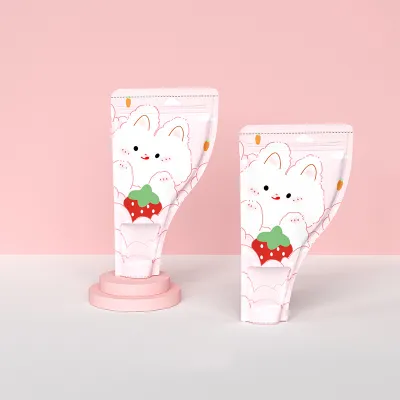
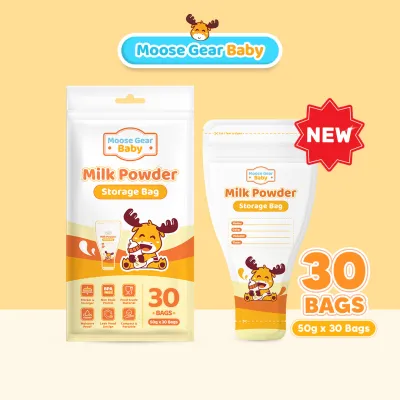
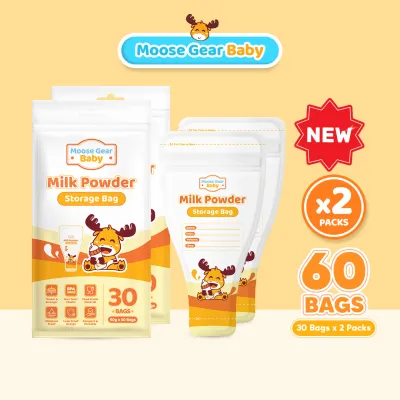
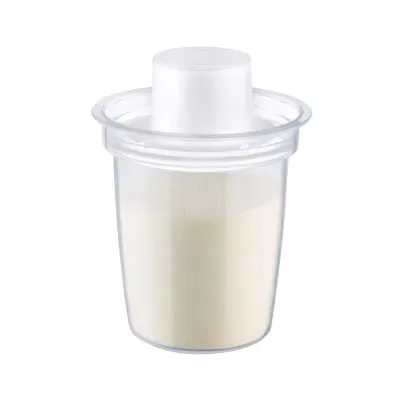
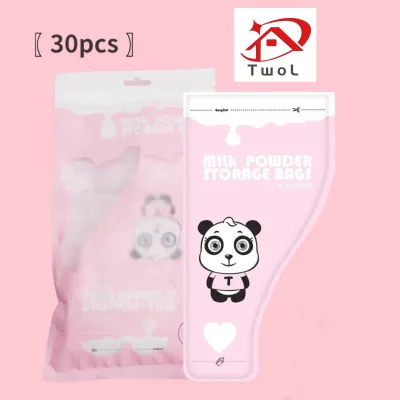
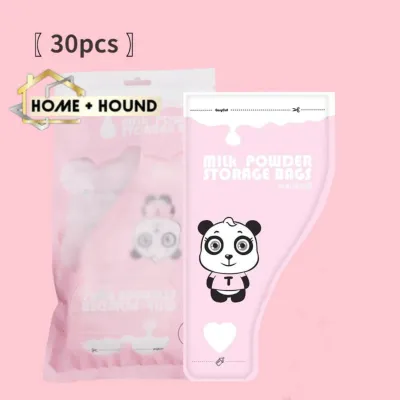
Prices are valid at publication and may change. Please refer to the product page for the latest price.
Moisture is the primary enemy of dry formula. Ensure that the interior of the storage bag is completely dry before adding any powder. If you are using pre-sterilized, single-use bags, they are typically ready to use straight from the box, but you should still visually inspect them. If you are using reusable silicone or plastic bags, verify that no lingering water droplets remain from their last wash. Even a single drop of water inside the bag can cause the powder to clump and create a breeding ground for bacteria.
Step-by-Step Guide to Filling and Sealing
Filling your powder milk storage bag requires precision and care to avoid spills and maintain hygiene. Always use the dedicated scoop that came with your current tub of formula, ensuring it is completely clean and dry. Do not use a wet scoop or a generic spoon, as different formula brands require specific scoop sizes for accurate dosing. Carefully measure the exact number of scoops your baby needs for a single feeding, leveling off each scoop according to the manufacturer’s instructions.

When transferring the powder into the bag, leave adequate headspace at the top. Do not overfill the bag; leaving about one to two inches of empty space below the zipper track is crucial. This headspace allows you to seal the bag securely without forcing powder into the zipper mechanism, which can prevent a tight seal and cause leaks during transit.
Before locking the zipper, gently press out the excess air from the bag. Start from the bottom of the bag where the powder sits and slide your fingers upward to push the air out through the open top. Removing as much air as possible reduces oxidation, which helps preserve the nutritional quality and flavor of the milk powder. Be careful not to squeeze too hard, or you might force the fine powder out of the opening.
Once the air is removed, seal the zipper track firmly. Run your thumb and index finger across the entire length of the seal at least twice to ensure it is fully locked. You should feel or hear the tracks clicking together. A partially sealed bag can easily pop open inside your diaper bag, leading to a messy spill and ruined formula.
Storing and Transporting Formula Safely
Once your powder milk storage bags are filled and sealed, how you transport them determines how fresh the formula remains. In tropical climates, high temperatures and humidity can degrade the quality of dry milk powder rapidly. Always place your filled storage bags in a cool, dry, and shaded compartment of your diaper bag. Avoid placing the diaper bag in direct sunlight, such as on a car dashboard, near a window, or on hot pavement, as extreme heat can alter the proteins and vitamins in the formula.
It is equally important to separate your powder storage bags from wet or cold items. If you are carrying cold water bottles, baby wipes, or damp clothes, keep them in a separate compartment. Placing powder bags directly next to ice packs or cold drinks can cause condensation to form on the outside of the plastic. This moisture can eventually seep through the zipper or make the exterior of the bag damp, increasing the risk of mold or contamination when you open it.
To keep things organized and clean, consider placing all your filled powder milk storage bags inside a secondary, clean container or a dedicated dry pouch within your diaper bag. This extra layer of protection shields the bags from friction against keys, toys, or other sharp objects that could puncture the plastic during your journey.
Dispensing and Mixing Formula on the Go
When it is time to feed your baby, preparing the bottle safely requires a clean environment and a steady hand. Before opening the powder milk storage bag, wipe down the exterior with a clean, dry cloth if it has been exposed to dust or diaper bag debris. Wash your hands or use a baby-safe hand sanitizer before handling the bottle and the storage bag to prevent transferring germs to your baby’s food.
To dispense the powder, carefully open the zipper seal. Many modern powder milk storage bags feature a tear-away spout or a narrow funnel design at the bottom or side to make pouring easier. If your bag has this feature, tear or cut along the designated line and pour the powder steadily into the baby bottle. If you are pouring from the main zipper opening, pinch the sides to form a makeshift funnel. Pour slowly to prevent the fine powder from catching on the bottle’s screw threads, which can prevent the nipple collar from sealing tightly and cause leaks during feeding.
Before adding water, take a quick look at the powder inside the bottle. Inspect it for any unusual moisture clumps, color changes, or off-odors that might have developed during transit. If the powder looks normal, add the correct amount of safe, clean water according to your formula manufacturer’s guidelines. Secure the bottle cap tightly and mix the formula thoroughly by shaking or swirling until all the powder is completely dissolved.
Cleaning and Reusing Storage Bags
Not all powder milk storage bags are created equal, so understanding whether your bags are reusable or single-use is vital for your baby’s safety. Always check the product packaging and manufacturer labels to confirm the intended use of your specific bags. Single-use plastic bags are designed to be discarded immediately after one use; attempting to wash and reuse them can compromise the plastic integrity and lead to bacterial contamination.
If you are using bags explicitly labeled as reusable, such as those made from food-grade silicone or heavy-duty BPA-free plastic, wash them thoroughly after every use. Use warm, soapy water and a mild, baby-safe dish soap. Pay close attention to the zipper tracks and corners, where fine powder residue can easily hide and spoil. Use a small bottle brush to gently clean these hard-to-reach areas without tearing the material.
After washing, rinse the bags completely with clean water to remove all soap residue. Hang them upside down in a clean, well-ventilated drying rack to air dry. Ensure absolute, complete dryness inside the bag before storing it or filling it with powder again. Any lingering moisture can ruin your next batch of formula. Regularly inspect your reusable bags for signs of wear, such as cloudy or discolored plastic, stiff zippers, or weakened seams, and discard them immediately if you notice any damage.
Frequently Asked Questions (FAQ)
Can I store prepared liquid formula in a powder storage bag?
No, you should not store prepared liquid formula in a bag designed specifically for powder milk storage. Powder milk storage bags are structurally designed to hold dry, lightweight powder and may not have the liquid-tight seals or heavy-duty seams required to prevent liquid leaks. Storing liquid formula in these bags increases the risk of messy spills in your diaper bag. More importantly, prepared liquid formula is highly susceptible to rapid bacterial growth when kept at room temperature. Always check the manufacturer guidelines for liquid compatibility, and use dedicated breast milk storage bags or sterile baby bottles if you need to transport liquid feeds.
How do I know if the stored milk powder has gone bad?
You can identify compromised milk powder by checking its texture, color, and smell. Fresh milk powder should be dry, loose, and free-flowing. If you notice hard clumping that does not break apart easily when you gently squeeze the bag, moisture has entered, and the powder should be discarded. Additionally, look for any unexpected color changes, such as yellowing or dark spots, and sniff the powder for sour, rancid, or unusual odors. If you observe any signs of moisture damage, clumping, or spoilage, err on the side of caution and discard the powder immediately to protect your baby’s health.

Community discussion
Share your experience or ask a question. Comments are reviewed before publication.