
When preparing for a road trip with your little one, understanding how to safely use a car baby carrier is one of the most critical responsibilities you face as a parent. Whether you are navigating the busy streets of Metro Manila or heading out on a weekend family getaway to Batangas, keeping your baby secure during transit requires the right gear used in the exact right way. However, the term “car baby carrier” can cause dangerous confusion for new parents. It is vital to distinguish between a wearable fabric carrier and a crash-tested infant car seat, as using the wrong gear while the vehicle is in motion poses severe safety risks.
To ensure your infant remains safe, comfortable, and properly supported throughout your journey, you must follow specific installation steps, harness adjustments, and safety protocols. This comprehensive guide details how to correctly secure your child in an infant car seat, how to verify a safe fit using standard testing methods, and how to transition to a wearable soft carrier safely during travel stops.
Understanding the Difference: Infant Car Baby Carrier vs. Soft Carrier
Before hitting the road, every caregiver must understand that not all baby carriers are designed for vehicle travel. A common and highly dangerous misconception is that a wearable soft baby carrier—such as a wrap, ring sling, or structured fabric carrier—can be worn by a passenger to hold a baby while a car is moving. In reality, these two types of gear serve completely different purposes, and confusing them can have catastrophic consequences in the event of a sudden stop or collision.
Products mentioned in this guide


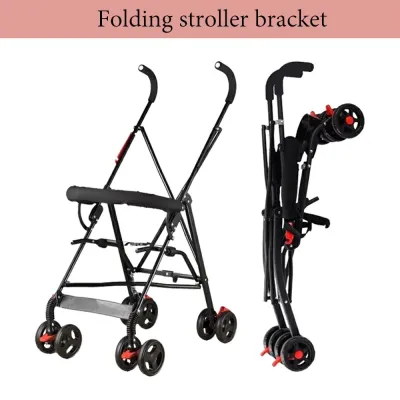
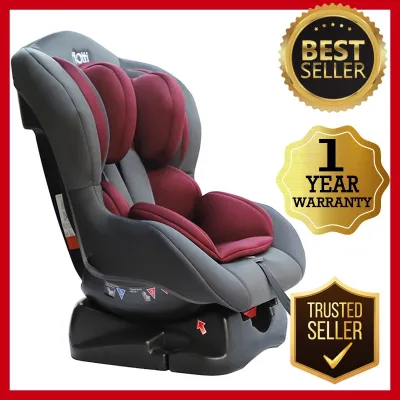
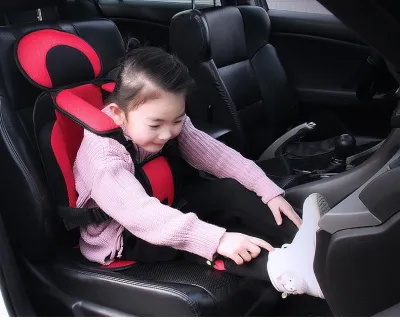
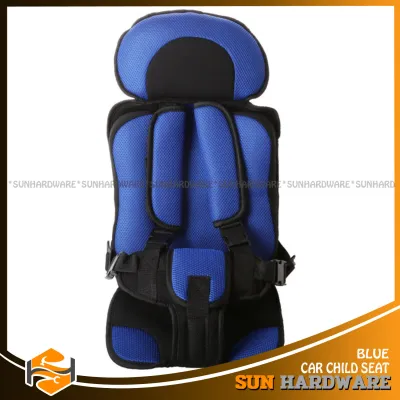
Prices are valid at publication and may change. Please refer to the product page for the latest price.
An infant car carrier, commonly referred to as an infant car seat, is a rigid, crash-tested safety device. It features a hard outer shell, energy-absorbing foam, an internal harness system, and a carrying handle. This device is engineered specifically to absorb crash forces, protect your baby’s delicate spine and head, and keep them securely anchored to the vehicle’s chassis. When we discuss a car baby carrier for active travel inside a moving vehicle, we are strictly referring to this certified safety seat.
Conversely, a soft baby carrier is a wearable fabric accessory designed to keep your baby close to your chest or back while you are walking. While highly beneficial for bonding and hands-free mobility on foot, soft carriers possess absolutely no structural integrity to withstand vehicular impact. If a vehicle stops suddenly or is involved in a crash, the physical forces are immense. If a parent is wearing a soft carrier, the force can cause the parent’s body to throw forward, potentially crushing the baby against the seat or dashboard. Alternatively, the baby can be easily ejected from the fabric wrap.
Therefore, the absolute safety rule for vehicle travel is non-negotiable: a soft baby carrier must never be used as a child restraint while the vehicle is moving. Your baby must always be buckled into a certified, rear-facing infant car seat that is properly installed in the vehicle. Soft carriers should be packed away in the trunk or backseat, reserved strictly for use once the vehicle is completely parked, the engine is turned off, and you are ready to explore on foot.
Step-by-Step Guide to Securing an Infant Car Carrier
Properly securing your infant car seat is a multi-step process that requires close attention to detail. Even the highest-rated car seat cannot protect your child if it is installed incorrectly or if the harness is improperly adjusted. Always consult both your vehicle’s owner manual and the car seat manufacturer’s instruction guide before attempting installation, as specifications can vary significantly by brand and model.

Installing the Car Seat Base or Seatbelt
The first step in securing your baby is establishing a rock-solid foundation for the car seat within your vehicle.
- Choose the Right Seating Position: The safest place for your baby is the rear seat of the vehicle, completely away from active frontal airbags. Airbags deploy with extreme force and can cause severe, life-threatening injuries to a rear-facing infant. If possible, the center rear seat is often recommended as it is furthest from side-impact zones, provided you can achieve a tight, stable installation using the vehicle's seatbelt or anchor systems.
- Verify Safety Certifications: Before installation, verify that your chosen car seat carries a valid Import Commodity Clearance (ICC) sticker or Philippine Standard (PS) mark, which confirms that the product meets local safety regulations. Additionally, consult the manufacturer's documentation to confirm that the seat is appropriate for your baby's current weight, height, and age.
- Select Your Installation Method: Most modern infant car seats come with a stay-in-car base, which can be installed using either the ISOFIX system (rigid lower anchor points built into your vehicle's seats) or the vehicle's active 3-point lap-and-shoulder seatbelt. Do not use both methods simultaneously unless the manufacturer explicitly permits it, as this can place unintended stress on the seat frame.
- Eliminate Slack: When installing the base or the carrier itself, place your hand or knee into the seat to apply your full body weight. Press down firmly to compress the vehicle's seat cushion while pulling the ISOFIX straps or the vehicle seatbelt as tight as possible. Lock the seatbelt retractor according to your vehicle's manual instructions to ensure the belt cannot loosen over time.
- Verify the Recline Angle: Newborns and young infants lack the neck strength to support their own heads. If the car seat is installed too upright, the baby's head can slump forward, potentially closing off their narrow airway and causing positional asphyxia. Most infant car carriers feature a built-in recline indicator, such as a bubble level or a colored line. Adjust the base or use the manufacturer-approved recline foot to ensure the indicator shows the seat is at the correct, safe angle for your baby's age and weight.
Buckling the Baby into the Carrier
Once the seat or base is securely anchored to the vehicle, you must focus on securing your baby within the carrier’s internal harness.
- Position the Baby Correctly: Place your baby gently into the seat, ensuring their lower back and bottom are pressed flat against the backrest. There should be no slouching, and you must avoid placing any unapproved cushions, rolled blankets, or aftermarket padding behind or underneath the baby, as these can create dangerous gaps in the harness.
- Adjust the Shoulder Straps: For a rear-facing car seat, the harness shoulder straps must emerge from the slots that are at or just below your baby's shoulders. If the straps are positioned too high, the baby can slide upward and out of the harness during a collision. Check this height regularly as your baby grows, and adjust the harness slots accordingly.
- Position the Chest Clip: Thread the harness straps over the baby's shoulders and click the buckle tongues into the crotch buckle. Slide the chest clip up so that it sits precisely at armpit level, directly over the baby's sternum. Placing the chest clip too low on the soft abdomen can cause severe internal organ damage in a crash, while placing it too high can cause neck injuries or restrict breathing.
- Tighten the Harness: Pull the harness adjustment strap located at the front of the carrier. The straps should fit snugly and smoothly over the baby's body without any twists or folds. The harness must secure the child firmly without causing discomfort or restricting normal breathing.
Verifying the Fit: The Inch and Pinch Tests
Before you start your car’s engine, you must verify that both the car seat installation and the harness fit are completely secure. Safety experts worldwide recommend two simple, highly effective checks: the Inch Test and the Pinch Test. Performing these quick checks before every single trip ensures that nothing has shifted or loosened.
- The Inch Test (for installation): Grab the installed car seat base (or the carrier itself if installed without a base) firmly at the belt path—the specific area where the seatbelt or ISOFIX straps pass through the plastic shell. Pull the seat firmly from side to side and push it forward and backward. The seat should not move more than one inch (2.5 centimeters) in any direction. If the seat slides or wobbles beyond this limit, your installation is too loose. You must uninstall the seat and repeat the process, applying more downward pressure to eliminate the slack.
- The Pinch Test (for the harness): Once your baby is buckled in, place your thumb and forefinger vertically on the harness strap at the level of the baby's collarbone. Try to pinch the fabric of the webbing together. If you are able to pinch any excess strap material between your fingers, the harness is too loose and poses a risk of ejection. Pull the adjustment strap tighter and test again. The harness is properly adjusted only when your fingers slide smoothly off the webbing without being able to pinch any fold.
It is important to remember that vehicle seats, straps, and bases can shift slightly over time due to road vibrations, temperature changes, or passengers climbing in and out of the vehicle. Make it a habit to perform the Inch and Pinch tests before every journey. If you are embarking on a long-distance road trip, re-verify these connections during your scheduled rest stops to maintain maximum safety.
Using a Soft Baby Carrier During Travel Stops
While a soft baby carrier has no place in a moving car, it is an incredibly valuable tool for parents during travel stops. Whether you are stopping at an expressway service station along NLEX or SLEX, taking a break at a roadside cafe, or navigating a busy airport terminal, transitioning your baby from the car seat to a wearable soft carrier offers numerous benefits.
Using a soft carrier allows you to stretch your arms and move hands-free, making it much easier to purchase food, handle luggage, or care for older siblings. It also spares you from having to carry a heavy, awkward infant car seat through crowded areas. More importantly, it provides your baby with comforting physical contact, which can help soothe any fussiness caused by prolonged periods of sitting in the car.
However, safety protocols must still be maintained when using a soft carrier during your stops:
- Maintain Clear Airways: Always follow the basic rules of safe babywearing. Ensure your baby's face is completely visible at all times, with no fabric covering their nose or mouth. Their head should be positioned close enough to kiss, and their chin must point upward and off their chest to prevent airway obstruction.
- Be Mindful of the Environment: In the hot and humid climate of the Philippines, car interiors can reach dangerously high temperatures very quickly when parked. When leaning into the vehicle to retrieve items or buckle your baby back into their car seat, be extremely careful not to let your baby brush against hot metal seatbelt buckles, sun-baked leather seats, or hot door frames.
- Never Leave the Baby Unattended: Always maintain active supervision. Never leave your baby sleeping in a soft carrier placed on a vehicle seat, table, or floor, as they can easily roll over or suffocate. If you need to rest, transfer the baby back to a flat, safe sleeping surface or keep them securely worn on your body.
Common Safety Mistakes to Avoid on the Road
Even well-meaning parents can fall into habits that compromise their baby’s safety during car travel. Being aware of these common pitfalls can help you avoid dangerous mistakes and ensure a smooth, secure ride.
- Dressing the Baby in Bulky Clothing: In heavily air-conditioned cars or during cooler rainy days, parents often dress babies in thick jackets, padded jumpsuits, or heavy sweaters. This is highly dangerous. The bulky padding creates a false sense of a tight harness fit. In a collision, the physical forces instantly compress the fluffy material, leaving massive slack in the harness and risking severe injury or ejection. Instead, dress your baby in thin, breathable layers suitable for the tropical climate. Once they are securely buckled in, you can drape a light blanket over the harness straps for warmth.
- Using Aftermarket Accessories: The market is full of unapproved car seat accessories, such as plush head supports, thick strap covers, infant body pillows, and toys that attach to the carrier handle. Unless these items were manufactured by the same brand and came in the box with your specific car seat, do not use them. These accessories are not crash-tested with your seat and can alter the harness's performance, compress dangerously in a crash, or present choking and suffocation hazards.
- Allowing Prolonged, Uninterrupted Seating: Leaving an infant in a car seat for hours on end increases the risk of positional asphyxia and puts unnecessary strain on their developing spine. Young babies should not remain in a car seat for extended periods. Plan your itinerary to include regular breaks where you take the baby completely out of the seat to stretch, feed, and rest in a natural, flat position.
Frequently Asked Questions (FAQ)
Can I use a soft baby carrier instead of a car seat for a short drive?
No, you must never use a soft baby carrier instead of a certified car seat, regardless of how short the drive is. Soft carriers offer zero protection against crash forces and do not secure your child to the vehicle’s structure. In a sudden stop or collision, the physical forces can easily tear the carrier or cause your own body weight to crush the baby, leading to catastrophic injuries.
How long can a baby safely stay in an infant car carrier during a road trip?
As a general safety guideline, babies should not remain in an infant car carrier for more than 1.5 to 2 hours at a time. Prolonged semi-reclined seating can restrict their airway and strain their spine. Plan to take regular breaks during your road trips to remove your baby from the seat, allow them to stretch on a flat surface, feed them, and change their diaper before resuming your journey.

Community discussion
Share your experience or ask a question. Comments are reviewed before publication.