
Storing breast milk properly is one of the most valuable steps you can take to support your baby’s nutrition and health, especially when balancing a busy schedule or preparing for on-the-go feeding. In a warm and humid tropical environment like the Philippines, maintaining the safety and nutritional integrity of your “liquid gold” requires careful attention to temperature, hygiene, and storage techniques. Using specialized, high-quality storage solutions, such as a kleenfant milk storage bag, helps protect your milk from contamination, freezer burn, and accidental spills. By mastering the correct methods for filling, freezing, thawing, and warming your breast milk, you can confidently build a reliable milk stash that remains safe and nourishing for your little one.
Preparing and Filling Your Milk Storage Bags
Before you begin handling breast milk, establishing a clean workspace is essential to prevent the introduction of harmful bacteria. Start by thoroughly washing your hands with soap and warm water for at least twenty seconds, paying close attention to the backs of your hands, between your fingers, and under your fingernails. Ensure that all your breast pump parts, collection bottles, and any preparation surfaces have been properly cleaned, sanitized, and completely air-dried according to the manufacturer’s instructions. Even minor moisture left on pump parts can encourage bacterial growth in warm climates, so dry storage is key.
When you are ready to transfer the milk, carefully open the storage bag by tearing or pulling apart the safety seal, taking care not to touch the inside of the bag or the inner track of the zip closure with your fingers. Touching these areas can introduce skin bacteria into the sterile interior of the bag. Hold the bag firmly below the zip seal and slowly pour the expressed breast milk from your collection bottle. If you are using a kleenfant milk storage bag, you will notice clear volume markings on the side to help you track the amount of milk you are storing.
Products mentioned in this guide
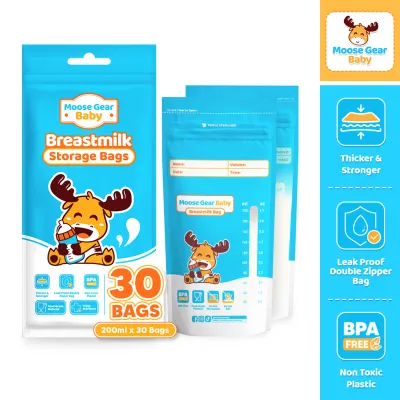
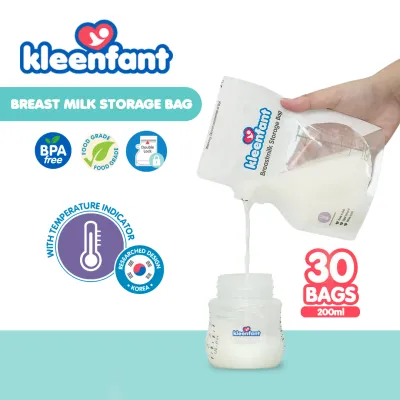
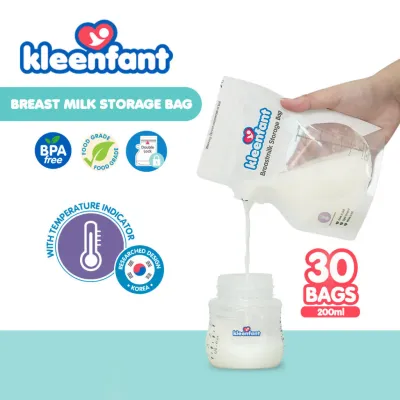
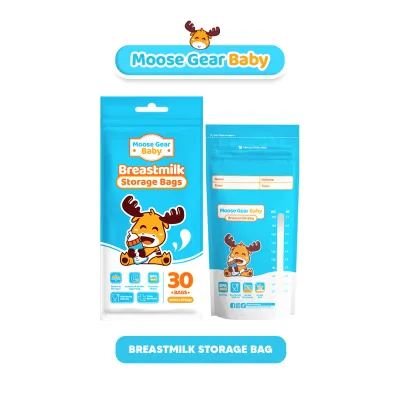
Prices are valid at publication and may change. Please refer to the product page for the latest price.
One of the most common mistakes when filling storage bags is filling them to the very top. Liquid expands as it freezes, and breast milk is no exception; if there is no room for this expansion, the pressure can rupture the seams of the bag, leading to leaks and wasted milk once thawed. Always leave at least an inch of empty space at the top of the bag, or stop filling at the maximum recommended volume line indicated by the manufacturer. This simple precaution ensures the structural integrity of the bag remains intact throughout its time in the freezer.
Sealing, Labeling, and Freezing Breast Milk
Once your milk storage bag is filled to the safe limit, securing it properly is the next critical step. Before sealing the zip track, gently press the lower portion of the bag just above the liquid level to push out any excess air. Removing this air is vital because trapped oxygen can contribute to freezer burn, which degrades the quality, taste, and nutritional value of the milk over time. Once the air is minimized, slide your fingers firmly across the double-zip seal multiple times to ensure a completely airtight lock.

Labeling your stored milk immediately is a non-negotiable practice for safe milk rotation. Use a permanent marker to write the exact pumping date, time, and volume on the designated writing tab of the bag. It is highly recommended to write these details on the tab before filling the bag to avoid accidentally puncturing the plastic with the pen tip. If your baby attends a daycare or is cared for by a relative, including your baby’s name on the label is also an excellent habit to prevent mix-ups. Always organize your freezer stash using the “first in, first out” principle, ensuring you use the oldest milk first.
To maximize your freezer space and ensure rapid, even freezing, lay the filled and sealed bags completely flat on a clean tray or a flat freezer shelf. Freezing the bags flat makes them thin and uniform, which allows them to freeze much faster than a bulky, upright bag. Rapid freezing helps preserve the milk’s beneficial components. Once the bags are frozen solid, you can easily stack them vertically in a storage bin or organize them like files in a drawer, which saves an immense amount of space in standard household freezers.
Thawing and Warming Frozen Breast Milk Safely
Thawing breast milk correctly is just as important as freezing it, as improper temperature transitions can destroy delicate nutrients and encourage bacterial multiplication. The safest and most recommended method is to transfer the frozen milk bag from the freezer to the refrigerator and let it thaw slowly overnight. This gradual process typically takes around twelve hours and keeps the milk at a safe, consistent temperature. If you need to thaw the milk more quickly, place the sealed bag into a bowl of lukewarm or warm water, ensuring the water level does not reach the zip seal to prevent any potential contamination.
Under no circumstances should you use a microwave or boiling water to thaw or warm breast milk. Microwaves do not heat liquids evenly, creating dangerous “hot spots” that can easily burn your baby’s sensitive mouth even if the container feels cool to the touch. Furthermore, high heat from microwaves or boiling water destroys the vital immunoglobulins, proteins, and enzymes that make breast milk so uniquely beneficial. Stick to gentle, low-temperature warming methods to preserve these active biological components.
As breast milk sits in the refrigerator or thaws, it naturally separates into a watery layer and a thick, creamy layer of fat that rises to the top. To recombine these layers, gently swirl the bag in a circular motion. Avoid shaking the bag vigorously, as aggressive shaking can break down the delicate protein structures and protective molecules present in the milk. Once the fat is fully redistributed and the milk is uniform, pour it into a clean feeding bottle.
Before offering the warmed milk to your baby, always perform a quick temperature check. Shake a few drops of milk onto the inside of your wrist; the skin here is highly sensitive and provides an accurate gauge of how the milk will feel to your baby. The milk should feel comfortably warm or neutral, not hot. If it feels too warm, allow the bottle to cool down in a bowl of cold water before feeding.
Essential Safety Rules and When to Discard Milk
Protecting your baby’s health means adhering to strict safety boundaries regarding milk spoilage and storage limits. Breast milk can occasionally develop a soapy or metallic smell due to high levels of the lipase enzyme, which breaks down fats and is completely safe for most babies to drink. However, if the milk has a distinctly sour, rancid, or spoiled odor, or if the separated fat layer refuses to mix back into the liquid after gentle swirling, the milk has likely spoiled and must be discarded. Trust your senses; when in doubt, it is always safer to discard the batch.
Because ambient temperatures in tropical regions can be quite high, standard storage durations must be followed carefully. While general health guidelines suggest breast milk can sit at room temperature for up to four hours, in hot rooms without air conditioning, it is safest to refrigerate or freeze the milk immediately after pumping. In a standard refrigerator, fresh breast milk can be stored safely for up to four days, while a standard home freezer can preserve it for several months. Always verify these storage durations with your pediatrician or local health authority guidelines to ensure they align with your specific home setup and your baby’s health needs.
Once your baby begins drinking from a bottle, a countdown begins. Any milk left in the bottle at the end of a feeding session must be discarded within two hours. This is because bacteria from your baby’s mouth travel up the nipple and enter the milk during feeding, where they can rapidly multiply in the nutrient-rich liquid. Saving leftover milk for a later feed poses a significant health risk to your baby.
Finally, never refreeze breast milk once it has been completely thawed. The process of freezing, thawing, and refreezing causes a progressive loss of nutritional value and significantly increases the risk of bacterial contamination. If you have thawed more milk than your baby can consume within a 24-hour window in the refrigerator, the excess must be discarded. To minimize waste, try freezing your milk in smaller increments, such as two to four ounces per bag, which matches your baby’s typical feeding volume.
Frequently Asked Questions (FAQ)
Can I add freshly pumped milk to a bag of already frozen milk?
It is generally not recommended to pour warm, freshly expressed breast milk directly into a bag of already frozen milk. Doing so raises the temperature of the frozen milk, which can cause it to partially thaw and encourage bacterial growth. If you want to combine milk from different pumping sessions within the same day, first cool the freshly pumped milk in the refrigerator until it reaches the same cold temperature as your stored milk. Once both portions are equally chilled, you can safely combine them in a single storage bag, making sure to label the bag with the date and time of the oldest milk collected.
How do I know if a milk storage bag is damaged or unsafe to use?
Before using any milk storage bag, perform a quick visual inspection to ensure it is free from manufacturing defects, punctures, or tears. After freezing, check the bag for any signs of damage, such as micro-tears along the seams, a compromised zip seal, or excessive frost buildup inside the bag, which can indicate that air has leaked in. If you notice milk leaking from the bag as it begins to thaw, or if the bag appears unusually brittle with visible cracks, do not feed that milk to your baby. To prevent damage, always handle frozen bags gently, avoid dropping them, and store them away from sharp objects or freezer coils.

Community discussion
Share your experience or ask a question. Comments are reviewed before publication.