
To prevent dangerous gaps between a mattress and a bed rail, you must ensure complete compatibility between your bed frame, mattress, and the rail itself, followed by a secure, tension-based installation. A pang harang sa kama must sit entirely flush against the side of the mattress, leaving no space where a child’s head, neck, or limbs could slip through. Any gap, even one that appears small, can quickly widen under a child’s weight, creating a severe entrapment or suffocation hazard.
Proper installation requires using the manufacturer’s anchoring straps or brackets to lock the rail tightly against the mattress. Regular physical checks are also essential, as daily movement, changing bed sheets, and mattress shifting can gradually loosen the setup. Understanding how these gaps form and how to eliminate them is critical to maintaining a safe sleep environment for your child.
Understanding the Entrapment and Suffocation Risks
When a child rolls against a bed rail, their body weight exerts lateral pressure on the barrier. If the rail is not anchored tightly, this pressure pushes the mattress away from the rail, creating a wedge-shaped or parallel pocket. Because mattresses are soft, they compress under weight, which can cause a child’s head or neck to slide downward into the gap while their body remains on top, leading to positional asphyxiation.
Products mentioned in this guide
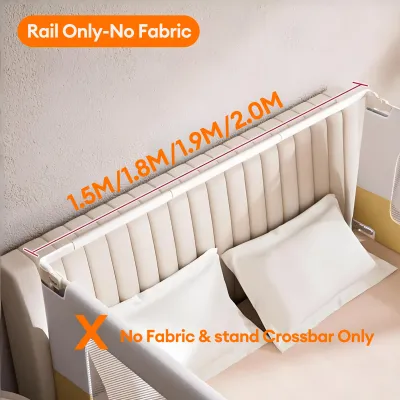

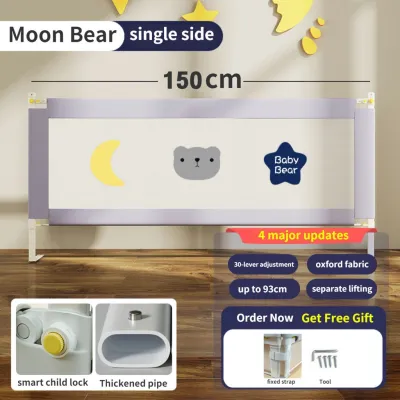
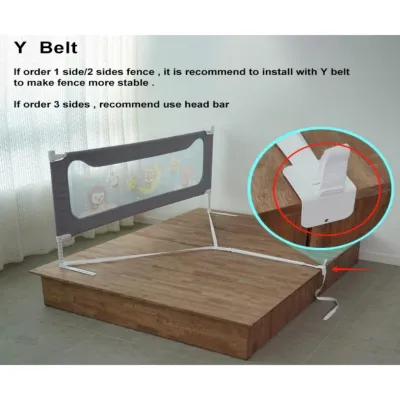
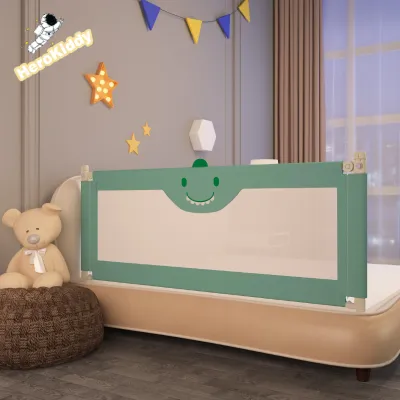
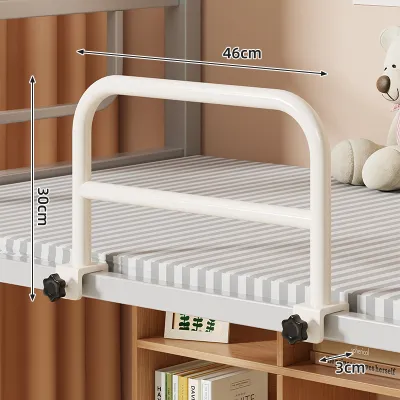
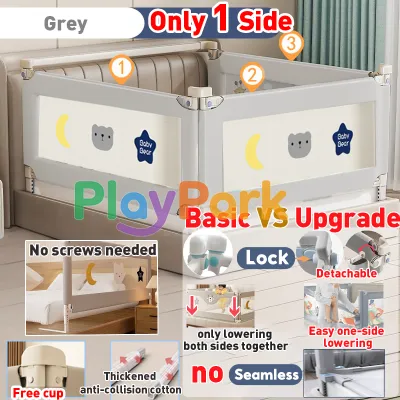
Prices are valid at publication and may change. Please refer to the product page for the latest price.
These gaps can form dynamically even if the rail initially appeared tight. Active toddlers tossing and turning, jumping on the bed, or leaning against the barrier can gradually shift the mattress or stretch the anchoring straps. This shifting is particularly common with lightweight foam mattresses, which lack the heavy structural weight of traditional innerspring mattresses to keep the rail’s base plates firmly in place.
Bed rails are safety devices intended for older toddlers transitioning to a regular bed, typically starting around two years of age. They are never safe for infants, babies, or children who cannot independently climb in and out of bed. Younger infants lack the developmental strength, head control, and coordination to extricate themselves if they roll into a gap, making strict adherence to the manufacturer’s minimum age and weight guidelines a necessity.
Verifying Mattress and Bed Frame Compatibility
Before purchasing or installing a pang harang sa kama, you must measure your mattress thickness and compare it against the bed rail manufacturer’s specified limits. If a mattress is too thin, the lower edge of the rail’s barrier may not have enough support, leaving a gap at the bottom where a child can slide under. Conversely, if the mattress is too thick, the rail will not stand high enough above the sleeping surface to prevent a child from rolling over the top.

Your bed frame type also dictates whether a bed rail can be safely installed. Slatted frames require anchoring straps that can wrap securely around individual slats, while solid platform beds or box springs require flat anchor plates that rely on the heavy downward pressure of the mattress to stay flat. If the anchoring mechanism cannot grip the frame securely, the rail will inevitably wobble and slide away from the mattress edge.
Certain bed setups are entirely incompatible with standard bed rails and should never be used. Recessed bed frames, where the mattress sits deep inside a wooden or plastic lip, often prevent the rail’s mounting brackets from reaching the flat base, forcing a dangerous gap between the rail and the mattress edge. Waterbeds, inflatable air mattresses, and bunk beds also present unique structural hazards that make standard bed rails unsafe.
Proper Installation Techniques to Close Gaps
Begin the installation by positioning the rail according to the manufacturer’s instructions. It should be centered along the side of the bed, leaving a safe distance from both the headboard and the footboard. This spacing prevents a child from getting trapped in the corners at the ends of the rail, which is a common site for entrapment when rails are positioned incorrectly.
Next, secure the anchoring straps or brackets. These straps must run completely under the mattress to the opposite side of the bed frame, where they hook or clamp tightly. The weight of the mattress helps keep these straps flat and tense, preventing the rail from tipping outward when pressure is applied. Never rely on the weight of the mattress alone to hold a rail in place without the anchoring straps, as a child’s weight can easily slide the rail’s feet out from under the bed.
Avoid using improvised gap-fillers like rolled-up blankets, pillows, bolsters, or pool noodles to stuff the space between the mattress and the rail. These soft items compress easily under pressure and can actually increase the risk of suffocation if a child’s face becomes pressed against them. Only use gap-fillers that are officially approved, tested, and supplied by the bed rail manufacturer for your specific model.
Once the installation is complete, perform a physical test by firmly shaking, pushing, and pulling the rail from different angles. If there is any noticeable movement, sliding, or separation from the mattress, the installation is unsafe. You must uninstall the rail, adjust the tension of the anchoring straps, and re-test until the barrier remains completely flush against the mattress under pressure.
Routine Safety Checks and Maintenance
Bed rails are subject to constant movement as children climb in and out of bed, and as parents change sheets or tidy the room. In tropical climates with high humidity, materials like wood, fabric straps, and plastic joints can expand, stretch, or degrade over time. Perform a quick visual and physical check every single night before your child goes to sleep to ensure the rail remains tight.
Inspect the hardware weekly for any signs of wear, such as frayed straps, cracked plastic connectors, or loose screws. The mesh fabric should be checked for tears or sagging, and the locking hinges must click securely into place without sticking. Any compromised hardware must be addressed immediately by contacting the manufacturer for approved replacement parts.
Whenever you change the bed sheets or rotate the mattress, completely remove the rail, clean the area, and reinstall it from scratch. It is easy to accidentally displace the anchoring straps while pulling tight fitted sheets over the mattress corners. Re-anchoring and re-testing the rail after every sheet change ensures that the safety barrier remains secure and functional.
Warning Signs: When to Stop Using the Bed Rail
A bed rail is a temporary safety transition tool, not a permanent fixture. You must stop using the rail immediately if you notice any structural damage, such as bent metal tubes, cracked plastic joints, or torn mesh fabric. If the locking hinges fail to click securely or if the anchoring straps can no longer be tightened to eliminate gaps, the rail must be removed.
Pay close attention to your child’s behavior as they grow. If they begin to climb over the rail, use the frame as a step to stand up, or shake the rail violently during play, the risk of a fall or entrapment increases significantly. A child who is active enough to scale the barrier is no longer safe using a bed rail, and the rail should be removed to prevent serious fall injuries.
Finally, transition away from the bed rail entirely once your child reaches the manufacturer’s maximum height, weight, or age limits. When they can safely navigate the edges of the bed, sleep without rolling out, and get up independently, the rail is no longer necessary. Removing the rail at the right developmental milestone ensures your child continues to sleep in a safe, age-appropriate environment.
Frequently Asked Questions (FAQ)
Can I use a bed rail on a toddler bed or a crib converted to a toddler bed? (FAQ)
Aftermarket bed rails are generally designed for standard adult twin or full-sized mattresses. Placing them on a smaller toddler bed or a converted crib can create severe compatibility issues, as the smaller mattress may not provide enough weight to secure the anchoring straps. Additionally, the rail’s dimensions may overlap with the bed frame, creating dangerous gaps at the corners. Always check the bed manufacturer’s guidelines, and use the specific guardrail designed and sold by the bed’s manufacturer rather than a generic aftermarket rail.
Are mesh bed rails safer than wooden or plastic ones for preventing gaps? (FAQ)
The material of the rail is secondary to the quality of the installation and anchoring system. Mesh rails are popular because they are breathable and soft, which can reduce the impact if a child bumps into them, but mesh fabric can stretch or sag over time if the tension is not maintained. Rigid wooden or plastic rails do not stretch, but they can still form dangerous gaps if the anchoring straps slip or if the frame is incompatible. Ultimately, preventing gaps depends on a secure, tight fit against the mattress, robust anchoring, and regular safety checks, regardless of the material used.

Community discussion
Share your experience or ask a question. Comments are reviewed before publication.