
Feeding your baby while running errands, visiting family, or exploring outdoors requires reliable gear that keeps meals fresh and secure. Silicone containers, such as those from Melii, offer a flexible and durable solution for packing purees, finger foods, and snacks. Successfully using these containers on the go involves a simple routine of careful preparation, secure packing, temperature management, and proper cleaning. By mastering these steps, you can confidently feed your little one anywhere without worrying about messy spills or spoiled food.
In tropical climates like the Philippines, where high humidity and warm temperatures can accelerate food spoilage, portable feeding requires extra attention. Keeping baby food at a safe temperature and ensuring containers are completely dry before storage are essential steps to prevent bacterial growth. Whether you are packing a fresh batch of sweet potato puree or a handful of sliced fruits, understanding how to handle your silicone gear ensures a smooth and stress-free outing for both you and your baby.
Preparing Melii Silicone Containers for Travel
Before you pack any food for an outing, a thorough inspection of your silicone containers is essential. Examine the silicone body and the lid carefully, looking for any signs of wear, such as tiny tears, warping, or cracks. Over time, frequent washing or exposure to heat can affect the structural integrity of the container, which may compromise its airtight seal. If you notice any damage or if the lid no longer fits snugly, it is best to replace the container to avoid leaks inside your diaper bag.
Products mentioned in this guide
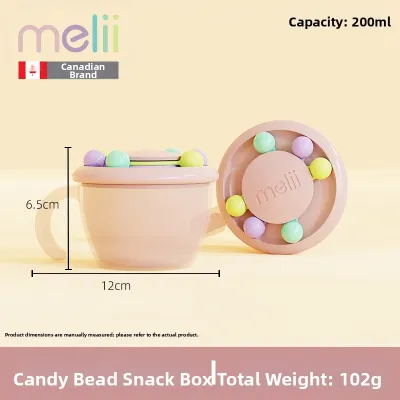
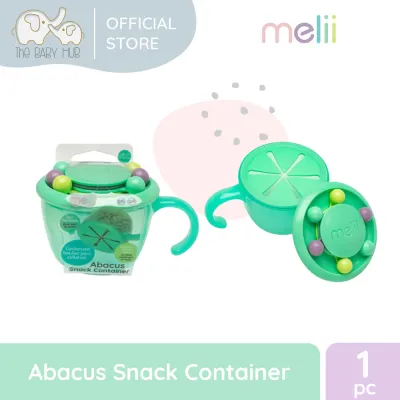
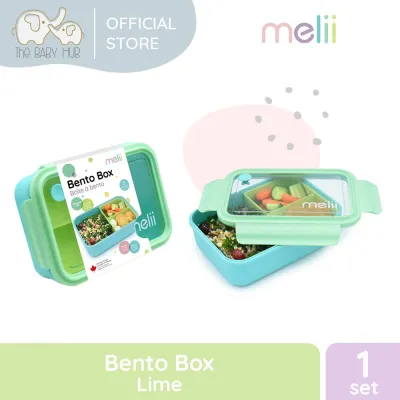
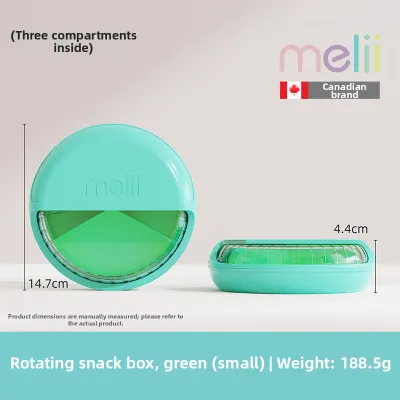
Prices are valid at publication and may change. Please refer to the product page for the latest price.
Next, clean all components thoroughly before use. Even if the containers have been sitting in your cupboard, wash them with warm, soapy water using a mild, baby-safe detergent. Rinse them completely under running water to remove any soap residue, which can cling to silicone and affect the taste of your baby’s food. Dry every piece completely with a clean towel or let them air-dry in a well-ventilated area. In humid environments, storing silicone containers while they are still damp can encourage mold or mildew, so ensuring they are bone-dry is a critical step.
Finally, always consult the manufacturer’s label or packaging instructions to verify the specific temperature tolerances of your Melii containers. Different product lines may have varying limits for freezing, microwaving, or dishwashing. Knowing these specifications beforehand prevents accidental damage to the silicone and ensures you do not expose your baby’s food to unsafe heating conditions. Keep the original packaging or look up the official product guide online to confirm these details before planning your travel menu.
Step-by-Step Guide to Packing and Storing Baby Food
Packing baby food for travel requires a systematic approach to keep the contents fresh and secure. When filling your silicone containers with purees, mashes, or solid snacks, always leave adequate headspace at the top. This is particularly important if you plan to freeze the food beforehand, as liquids and semi-solids expand when frozen. Overfilling the container can force the lid open during expansion or create pressure that leads to leaks once the food begins to thaw during your journey.

Once the food is inside, securing the lid correctly is your primary defense against spills. Align the silicone seals carefully with the rim of the container, ensuring there are no gaps or twisted edges. Before pressing the lid down, check that the rim is completely free of food debris, seeds, or puree residue, as even a tiny particle can prevent a proper seal. Press down firmly around the entire perimeter of the lid, and if the container features locking tabs or a press-fit design, double-check that every side is fully engaged.
In warm tropical climates, maintaining a safe food temperature during transit is vital for your baby’s health. Never leave perishable baby food, such as meat purees, dairy products, or fresh fruit mashes, at room temperature for extended periods. Place your sealed silicone containers inside an insulated cooler bag packed with frozen gel packs or ice bricks. Position the containers directly adjacent to the ice packs to maximize cooling efficiency, and keep the cooler bag zipped shut until the exact moment you are ready to serve the meal.
For longer trips, consider packing ingredients separately or choosing shelf-stable options that do not spoil easily. If you are traveling to an area where clean water or refrigeration is uncertain, plan your baby’s meals around dry snacks or foods that can be prepared fresh on-site. Always supervise your baby during feeding times, ensuring the food texture matches their current developmental stage and age. If you are unsure about safe food storage times or travel safety, consult a pediatrician or a qualified pediatric nutritionist for personalized guidance.
Serving and Reheating Food During Your Outing
When it is time to feed your baby during an outing, safety and convenience should guide your steps. Before attempting to reheat any food directly inside your silicone container, verify the product label to confirm that the specific model is microwave-safe. While many high-quality silicone containers can withstand microwave heat, some lids or decorative components made of different plastics may not be suitable for high temperatures. Heating an incompatible container can damage the product or cause uneven heating.
If you have confirmed that the container is microwave-safe, prepare it properly before heating. Always remove the lid completely or vent it according to the manufacturer’s instructions to allow steam to escape. Heating a tightly sealed container builds up internal pressure, which can cause hot food to splatter violently when the lid is opened. If you are using a public microwave at a cafe or a nursing room, heat the food in short intervals, checking and stirring the contents frequently to ensure even heat distribution.
Microwaving often creates dangerous hot spots in baby food that can burn your baby’s sensitive mouth. After heating, use a clean spoon to stir the puree or mash thoroughly, mixing the warmer outer layers with the cooler center. Always test the temperature of the food by placing a small drop on the inside of your wrist; it should feel comfortably warm, not hot. If the food is too hot, let it sit at room temperature for a few minutes and stir it again before offering it to your little one.
If reheating facilities are unavailable or if your container is not rated for microwave use, serving cold or room-temperature food is an excellent alternative. Many babies enjoy cool purees, especially when teething, as the cold temperature can soothe sore gums. You can serve snacks like soft fruits, steamed vegetable sticks, or puffs directly from the silicone container, which doubles as a convenient, shatterproof bowl. Ensure your baby is seated upright and supervised closely during the entire meal to prevent choking hazards.
Cleaning and Caring for Silicone Containers on the Go and at Home
Maintaining hygiene while traveling prevents the buildup of bacteria and keeps your silicone containers in excellent condition. Immediately after your baby finishes eating, rinse the container and lid with clean water to remove any leftover food. If you do not have access to a sink, wiping the inside with a clean, damp baby wipe can prevent food residues from drying and sticking to the silicone surface. Taking this quick step makes the final cleaning process much easier once you return home.
Once you are back home, perform a thorough wash using mild, baby-safe dish soap and a soft sponge. Avoid using abrasive scrubbing pads, steel wool, or harsh chemical cleaners, as these can scratch the silicone surface and create tiny crevices where bacteria and food particles can hide. Pay close attention to the grooves around the lid and any removable silicone seals, as these are common areas for moisture and food residue to accumulate. If the manufacturer’s instructions permit, you may also wash the containers on the top rack of your dishwasher.
After washing, proper drying is essential to prevent the growth of mold and mildew, especially in humid tropical climates. Place all components separately on a clean drying rack in a well-ventilated area, ensuring that containers are turned upside down so water does not pool inside. Allow every piece to dry completely before reassembling or storing them in your cupboards. Storing damp silicone containers in closed cabinets can trap moisture, leading to unpleasant musty odors and potential hygiene issues.
Troubleshooting Common Issues with Silicone Food Storage
Silicone is a highly durable material, but it can occasionally present minor maintenance challenges that are easy to resolve. One common issue parents face is lingering food odors, as silicone can sometimes absorb strong scents from ingredients like onions, garlic, or certain spices. To address this, check the manufacturer’s guidelines for safe deodorizing methods. A popular and food-safe approach is to create a paste using baking soda and water, apply it to the inside of the container, let it sit for a few hours, and then rinse it thoroughly with warm water.
Another frequent challenge is dealing with stuck or difficult-to-open lids, which often happens when a vacuum seal forms inside the container. This vacuum can occur when warm food cools down inside a sealed container, causing the air inside to contract. To open a stuck lid safely, gently lift the edge of the silicone seal or open the vent tab if your container has one, which releases the pressure and allows the lid to come off easily. Always ensure the silicone rings are properly aligned during assembly to prevent the lid from jamming or leaking.
Over time, it is important to monitor your silicone containers for signs of wear and tear that indicate they need to be replaced. Inspect the containers regularly for deep scratches, persistent stains that do not wash away, or a sticky texture on the surface, which can happen when silicone begins to degrade. If you notice any of these signs, or if the material becomes brittle or cracked, discontinue use immediately and invest in a replacement. Prioritizing regular inspections ensures that your baby’s food storage remains safe, hygienic, and reliable for every journey.
Frequently Asked Questions (FAQ)
Can I freeze baby food directly in Melii silicone containers?
Yes, you can freeze baby food in these containers, but you must first check the specific product packaging or manufacturer’s website to confirm freezer-safe certification. When freezing purees or liquids, always leave about a half-inch of headspace at the top of the container to accommodate expansion as the food freezes. To thaw the frozen food safely, transfer the container to the refrigerator the night before your outing, or use an approved warming method recommended by the manufacturer. Avoid exposing frozen silicone directly to extreme, rapid temperature changes unless the product instructions explicitly state it is safe to do so.
How do I remove stubborn food stains from silicone?
To treat stubborn stains from colorful foods like carrots, pumpkins, or tomato sauce, start by checking the manufacturer’s care instructions for any specific limitations. A safe, non-toxic method is to mix baking soda with a small amount of water to form a thick paste, rub it gently onto the stained area, and let it sit for several hours before rinsing thoroughly. Alternatively, placing the clean, washed container in direct sunlight for a few hours can naturally fade many organic stains. Keep in mind that minor visual staining is very common with silicone and does not affect the safety, hygiene, or performance of the container.

Community discussion
Share your experience or ask a question. Comments are reviewed before publication.