
Packing a nappy bag efficiently is the key to stress-free outings with your baby. Instead of carrying your entire nursery, a successful setup relies on a modular, organized system where every item has a designated, easily accessible spot. By categorizing your essentials and adjusting your inventory based on the duration of your trip, you can prevent frantic searches for a clean diaper or a lost pacifier while on the go. A well-prepared bag not only saves time but also gives you the confidence to handle unexpected messes, diaper blowouts, or sudden weather changes with ease.
Determine What to Pack Based on Outing Length and Baby's Needs
Diapers and wipes are the foundation of any outing, and scaling their quantities correctly prevents you from carrying unnecessary weight. A reliable rule of thumb is to pack one diaper for every two hours you plan to be away, plus two extra for unexpected emergencies. In humid tropical climates, baby skin is highly susceptible to diaper rash and heat irritation, making a travel-sized barrier cream and a pack of alcohol-free, water-based wipes essential. Always include a portable, wipeable changing mat to provide a clean, hygienic surface wherever you need to stop, whether it is a public restroom changing table or the back seat of a car.
Feeding setups vary significantly depending on your baby’s developmental stage and feeding method. For breastfed infants, a lightweight, breathable nursing cover and spare breast pads may be all you need to pack. If you are formula-feeding, pre-measured formula dispensers and sterilized bottles filled with cooled, boiled water are crucial; check that your bottle caps seal tightly to prevent leaks in transit. For older babies who have transitioned to solid foods, pack spill-proof containers with soft snacks, a silicone bib that can be easily wiped down, and baby-safe utensils. Always verify that any food or milk storage containers are leak-proof and made from food-grade, BPA-free materials.
Products mentioned in this guide
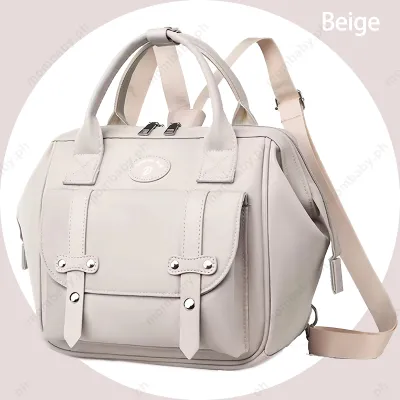
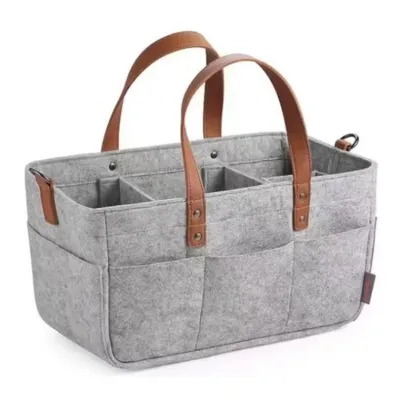
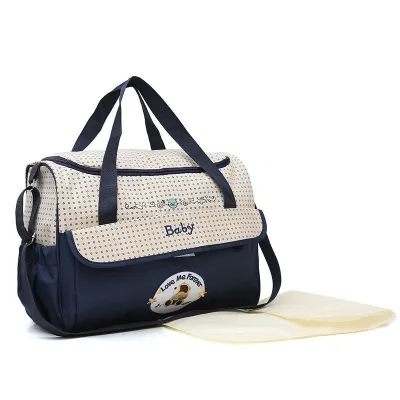
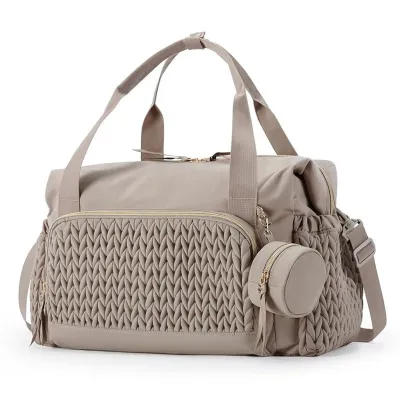
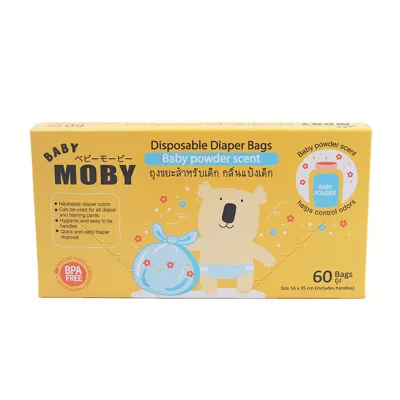
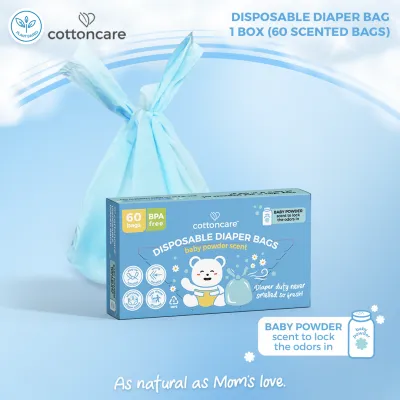
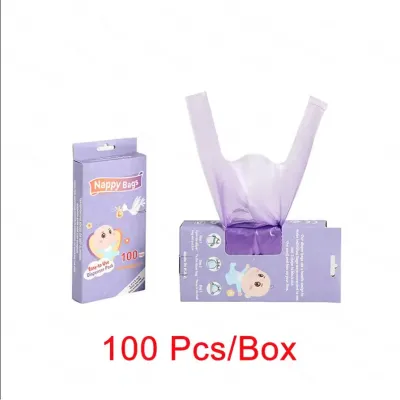
Prices are valid at publication and may change. Please refer to the product page for the latest price.
Comfort and hygiene items keep both baby and caregiver prepared for unexpected messes. Pack at least one complete change of clothes for your baby, including a bodysuit and socks, sealed inside a waterproof wet bag to isolate soiled garments and contain odors. Because tropical weather can bring sudden downpours or intense air conditioning in local malls, a lightweight swaddle or cotton blanket is highly versatile for temperature regulation. Do not forget caregiver necessities: a spare shirt for yourself in case of spit-ups, hand sanitizer, a small pack of tissues, and your personal items like keys, wallet, and a reusable water bottle.
Apply a Step-by-Step Packing System for Easy Access
A chaotic bag leads to unnecessary stress when your baby is crying and you need an item immediately. The most effective way to maintain order is by using a modular pouch system. Group related items into separate, color-coded pouches or packing cubes to keep them distinct. For example, create a dedicated “changing pouch” containing three diapers, a travel pack of wipes, and a small tube of diaper cream. This allows you to grab just one pouch when heading to a restroom rather than bringing the entire nappy bag, keeping your hands freer to manage your baby.

Strategic placement within the bag prevents physical strain and keeps high-priority items within arm’s reach. Place heavy, less frequently used items—such as spare clothing, extra formula water, or a heavy blanket—at the very bottom of the bag to keep the center of gravity stable and prevent the bag from tipping over. High-frequency items like wipes, pacifiers, and hand sanitizer should go into the exterior pockets or at the very top of the main compartment so you can retrieve them with one hand. This layout ensures that you do not have to unpack the entire bag just to find a burp cloth.
Make full use of your bag’s specialized features to maximize efficiency and safety. Insulated pockets are excellent for keeping milk bottles or baby food at a stable temperature, though you should always verify the manufacturer’s guidelines on how long they can safely maintain warmth or coolness. Use built-in key clips to secure your house keys so they do not slip to the bottom of the bag. If your bag includes stroller straps, use them to hang the bag securely from your stroller handlebar, but always check that the weight does not cause the stroller to tip backward, which poses a safety hazard for your baby.
Adjust Your Nappy Bag Setup for Different Scenarios
Your packing list should adapt to the length and nature of your outing to avoid carrying unnecessary weight. For a quick thirty-minute errand to a local market, a minimalist setup is ideal: a single diaper, a small pack of wipes, a burp cloth, and your wallet tucked into a compact clutch or a small crossbody bag. Save the fully loaded backpack for full-day family trips, doctor visits, or long drives where backup supplies are harder to access. Tailoring your bag to the specific trip prevents physical fatigue and keeps your outings nimble.
Tropical weather requires specific adjustments to protect your baby from the elements. During hot, sunny days, pack baby-safe sunscreen (verifying the appropriate age limit on the label, typically for babies over six months), a wide-brimmed sun hat, and a clip-on stroller fan to prevent overheating. If you are heading out during the rainy season, pack a compact umbrella for yourself, a rain cover for your stroller, and a lightweight, breathable muslin swaddle to shield your baby from sudden drafts in air-conditioned spaces. These small additions ensure your baby remains comfortable regardless of sudden weather shifts.
When traveling with multiple children of different ages, consolidation is key to preventing bag overload. Instead of carrying separate bags for each child, use a single large backpack with distinct sections or color-coded pouches for each child. Use labeled pouches to separate baby items from toddler essentials, such as potty-training pants, a change of clothes, and age-appropriate snacks. Focus on multi-purpose items, such as wet wipes and muslin cloths, which can be used for both infants and older siblings, reducing the overall volume of gear you need to carry.
Maintain a Daily Restocking and Cleaning Routine
An unmaintained nappy bag quickly becomes a graveyard of crumpled receipts, half-eaten snacks, and dirty laundry. Establish a daily habit of restocking your bag as soon as you return home from an outing. Empty out any soiled clothes, throw away trash, and replenish the diapers, wipes, and formula dispensers you used during the day. This simple routine ensures that your bag is always packed and ready for spontaneous outings, saving you from the stress of rushing to pack when you are already running late.
A weekly deep clean is necessary to maintain hygiene and prevent odors, especially in warm, humid environments where bacteria and mold can thrive. Empty the entire bag once a week and shake out any crumbs or dirt from the pockets. Wipe down the interior lining and the portable changing pad with a damp cloth and mild, baby-safe soap, allowing them to air dry completely before repacking. If your fabric pouches or wet bags are machine washable, launder them according to the manufacturer’s instructions to keep them fresh and sanitary.
Regularly audit the consumable items stored in your bag to ensure they remain safe for use. Check the expiration dates on packaged baby food, snacks, barrier creams, and hand sanitizers at least once a month. In hot climates, items left in a warm car or bag can degrade more quickly, so inspect the consistency of creams and the seal of food packages before offering them to your baby. If any product appears separated, discolored, or has an unusual odor, discard it immediately and replace it with a fresh supply.
Frequently Asked Questions (FAQ)
Which nappy bag style offers the best organization?
The ideal style depends on your lifestyle, carrying preferences, and how you prefer to distribute weight. Backpack-style nappy bags are highly popular because they distribute weight evenly across both shoulders, leaving your hands completely free to carry your baby or push a stroller. They typically feature numerous specialized compartments, making them excellent for organized, hands-free travel. Tote bags offer a classic look and wide top openings for quick visibility, but they can strain one shoulder if packed heavily. Messenger bags provide easy access to items while worn, but they may shift forward when you bend down to tend to your baby.
How can I keep my nappy bag from getting too heavy?
To prevent physical strain, perform a quick audit of your bag’s contents every few days to remove accumulated items like wrappers, receipts, and outgrown clothing. Avoid carrying large volumes of water or heavy toys if you know they will be readily available at your destination. You can also offload bulky items, such as extra blankets, rain covers, or your own large water bottle, to a dedicated stroller organizer or the under-seat basket of your stroller. This keeps your primary nappy bag light and comfortable to carry when you need to leave the stroller behind.

Community discussion
Share your experience or ask a question. Comments are reviewed before publication.