
Organizing a diaper bag requires a systematic, zone-based approach that groups items by function and frequency of use. Instead of letting baby gear pile up in a single, chaotic compartment, using a dedicated diaper bag organizer and dividing your bag into distinct zones ensures you can retrieve a fresh diaper, a clean wipe, or a pacifier in seconds. A well-structured bag reduces stress during daily outings, whether you are running a quick errand or spending an afternoon at an outdoor park. By matching your packing strategy to your baby’s developmental stage and the local tropical climate, you can keep your bag lightweight, hygienic, and ready for any situation.
Evaluate Your Bag's Layout and Daily Needs
Before buying new accessories or packing your bag, take a close look at its existing structure. Examine the built-in pockets, insulated bottle holders, zippered compartments, and open side slots. Understanding these built-in zones helps you determine where to place items you need to grab instantly versus those that can remain tucked away until needed.
Your daily packing list depends heavily on your baby’s age, feeding method, and how long you plan to be away from home. Newborns require frequent diaper changes and multiple changes of clothes, while older infants and toddlers need teething toys, solid snacks, and cups. Tailor your baseline inventory to these specific developmental stages rather than packing for every possible scenario.
Products mentioned in this guide
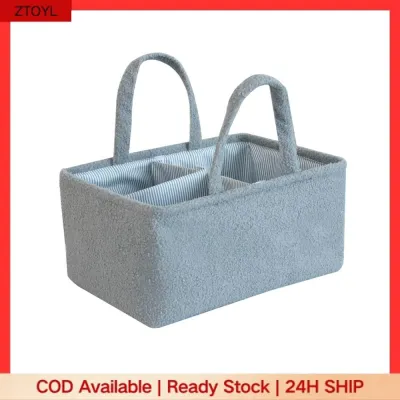
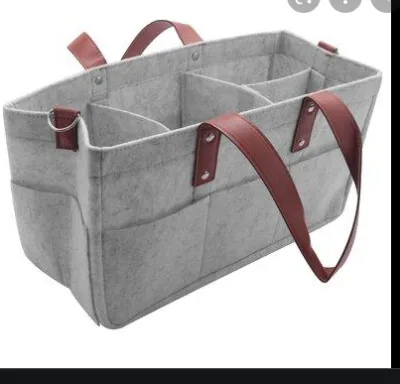
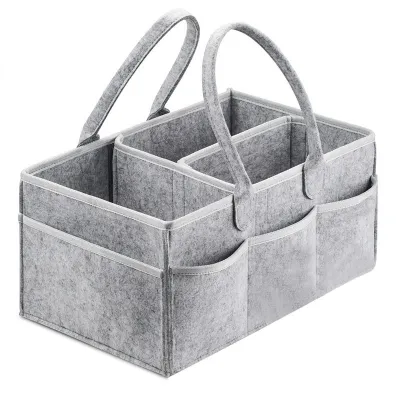
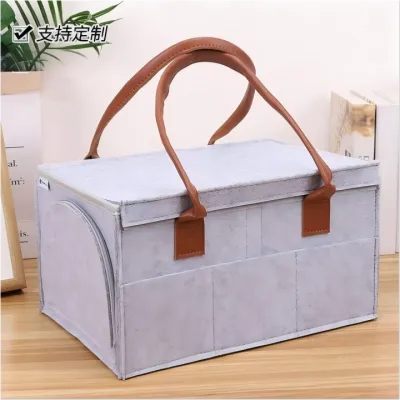
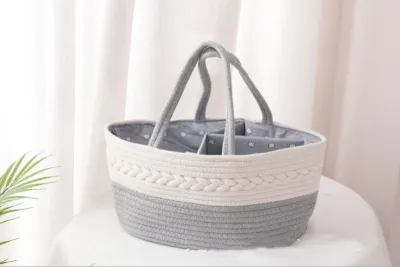
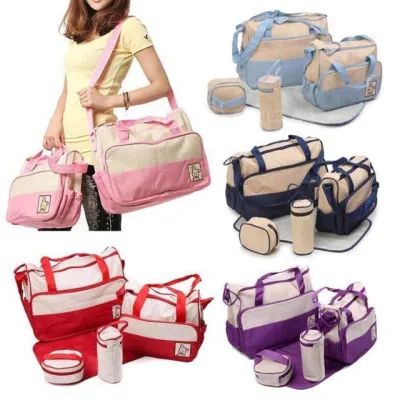
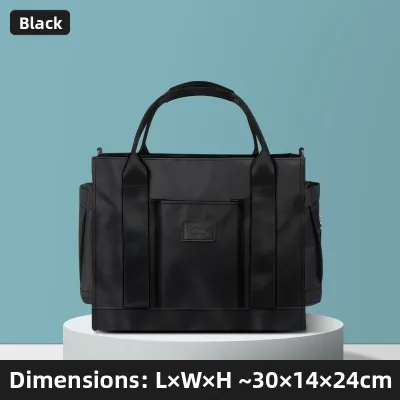
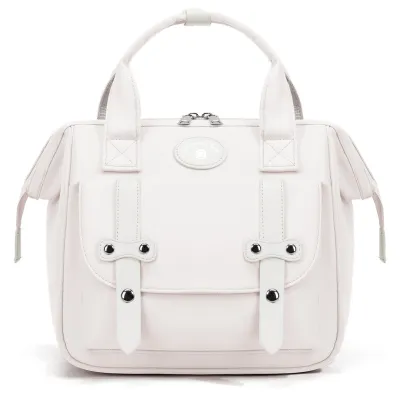
Prices are valid at publication and may change. Please refer to the product page for the latest price.
Overpacking is a common challenge that leads to unnecessary physical strain and cluttered compartments. Distinguish between daily must-have items, such as diapers, wipes, and feeding supplies, and rare “just-in-case” items that can stay in your car or at home. Keeping your daily inventory lean makes it much easier to maintain order and find what you need during a busy outing.
Select the Right Diaper Bag Organizer and Accessories
If your current bag lacks built-in compartments, a removable diaper bag organizer can transform a simple tote into a highly functional baby station. Felt or nylon bag inserts feature multiple small pockets and structured walls that keep bottles, creams, and toys upright. Packing cubes and clear zippered pouches offer excellent visibility, allowing you to group related items together and pull out only what you need.

External accessories also play a vital role in managing your gear on the go. Stroller clips or straps allow you to hang your bag securely from the stroller handlebar, freeing up valuable storage space in the under-seat basket. A high-quality wet bag is another essential accessory, providing a waterproof, odor-sealing compartment to store soiled clothes, wet bibs, or dirty diapers until you return home.
Before purchasing any organizer, measure the interior dimensions of your diaper bag to ensure a proper fit. Choose lightweight, flexible materials that conform to the shape of your bag without adding unnecessary bulk or weight. Opt for water-resistant fabrics that are easy to wipe clean, as spills and leaks are inevitable during daily travel.
Build a Zone-Based Packing System for Easy Access
Quick-Access Zone
The quick-access zone should occupy the most reachable parts of your bag, such as exterior zippered pockets, top compartments, or side sleeves. Reserve this space for high-frequency items that you need to grab with one hand while holding your baby. Hand sanitizer, pacifiers, small toys, and travel packs of wet wipes belong here. Having these items at your fingertips prevents frantic searching when your baby needs immediate comfort or clean hands.
Core Care Zone
The core care zone is the heart of your diaper bag, typically located in the main compartment. Group your diapers, a portable changing pad, a travel-sized diaper rash cream, and a pack of disposable diaper bags together. Placing these items inside a single pouch or a dedicated section of your diaper bag organizer allows you to pull out the entire diapering kit at once when heading to a public restroom.
Feeding Zone
Keep feeding supplies completely separate from diapering gear to maintain strict hygiene. Utilize the bag’s insulated pockets to keep prepared bottles or expressed milk at a safe temperature, following standard storage guidelines. For older babies, use leak-proof, easy-to-clean pouches to store baby food jars, spoons, bibs, and dry snacks. Keeping these items grouped together prevents crumbs and sticky spills from contaminating the rest of your bag’s contents.
Parent Zone
It is easy for your personal items to get lost at the bottom of a diaper bag filled with baby gear. Establish a dedicated parent zone, such as a secure interior zipper pocket or a distinct front pouch, solely for your essentials. Keep your keys, phone, wallet, lip balm, and sunglasses in this designated space so you never have to dig through diapers and toys to answer a call or pay for a purchase.
Adapt Your Setup for Different Outing Scenarios
Your packing strategy should change based on the length and nature of your trip. For short errands, such as a quick trip to the local market or a brief doctor’s visit, you do not need a fully loaded backpack. Scale down your setup by using a minimal diaper caddy or a single grab-and-go pouch containing just two diapers, a small pack of wipes, and a change of clothes.
Living in a tropical climate like the Philippines requires specific adjustments to protect your baby from heat and humidity. Always pack sun protection, such as a baby-safe sunscreen (verify age suitability on the label) and a lightweight sun hat. Include extra breathable, light cotton clothing layers to keep your baby comfortable in humid weather, and carry a small, clean towel to wipe away sweat during outdoor activities.
If you are traveling with multiple children of different ages, organization becomes even more critical. Use color-coded pouches or distinct sections of your diaper bag organizer to separate each child’s supplies. For example, place your toddler’s snacks and spare clothes in a blue pouch, and your infant’s diapers and pacifiers in a yellow pouch, ensuring you never mix up their gear in a hurry.
Maintain and Restock Your Bag for Daily Readiness
An organized diaper bag is only effective if it is consistently maintained and ready for action. Create a simple restocking routine every time you return home from an outing. Replenish the diapers you used, refill the wipes container, and replace any consumed snacks or formula. This habit ensures that you can grab the bag and walk out the door for your next trip without worrying about running out of essentials.
Hygiene is paramount when carrying baby gear, making regular cleaning a necessity. Schedule a deep clean of your diaper bag and organizers every few weeks, or immediately after a major spill. Empty all compartments, shake out crumbs, and wipe down the interior and exterior surfaces with a damp cloth and mild, baby-safe soap. Allow the bag to air dry completely in a well-ventilated area to prevent mold and mildew growth.
Babies grow quickly, and their needs change from month to month. Conduct a weekly audit of your bag to rotate out items that are no longer useful. Check the sizes of spare clothing to ensure they still fit your growing baby, and inspect diaper rash creams, sanitizers, or baby sunscreens for expiration dates. Removing outgrown clothes and expired products keeps your bag light and functional.
Frequently Asked Questions (FAQ)
How do I prevent my diaper bag from becoming too heavy?
To keep your diaper bag lightweight, perform a weekly audit to remove accumulated clutter, empty wrappers, and duplicate items. Transfer liquid products like diaper creams, lotions, and hand sanitizers into travel-sized, leak-proof containers instead of carrying full-sized bottles. When using a stroller, place heavier items like large water bottles, extra blankets, or bulk diaper packs in the stroller’s under-seat storage basket rather than carrying them on your back.
What is the best way to clean a fabric diaper bag organizer?
Always check the manufacturer’s care label first to determine if your fabric organizer is machine-washable or spot-clean only. If machine washing is permitted, use a gentle cycle with cold water and a mild, baby-safe detergent to protect the fabric and sensitive skin. For water-resistant or structured organizers, wipe down the surfaces with a damp cloth and mild soap instead of submerging them in water. Always allow the organizer to air dry completely in a well-ventilated space to prevent mold, mildew, and unpleasant odors.

Community discussion
Share your experience or ask a question. Comments are reviewed before publication.