
Selecting the right baby bags mom organizer is the key to maintaining sanity during outings with your little one. The ideal organizer bag must feature dedicated insulated bottle holders, easy-wipe water-resistant linings, and quick-access exterior pockets. These features ensure that you can locate crucial items in seconds without rummaging through a chaotic main compartment.
While a universal “perfect” bag does not exist, the best layout for your needs depends heavily on your baby’s current developmental stage, your daily routine, and how long you typically stay away from home. By focusing on structured compartments and durable, easy-to-clean materials, you can find a bag that keeps your essentials sorted and your hands free.
Assess Your Daily Carry Needs Before Choosing
Before browsing online marketplaces or local baby boutiques, take a close look at what you actually carry on a daily basis. A parent’s storage requirements undergo a dramatic shift as a child grows. During the newborn stage, your bag must accommodate a high volume of bulky items, including multiple changes of clothes, dozens of diapers, nursing covers, burp cloths, and formula or expressed milk. This stage demands a high-capacity bag with deep, structured compartments to keep clean items strictly separated from soiled ones.
Products mentioned in this guide
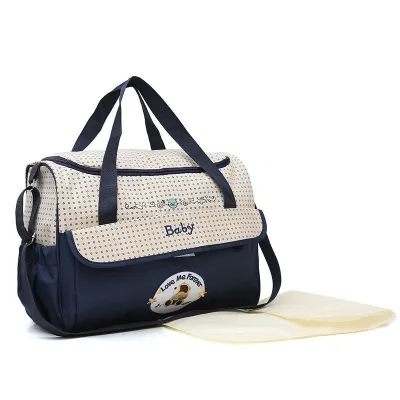
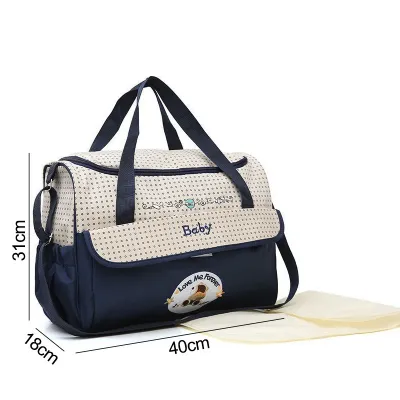
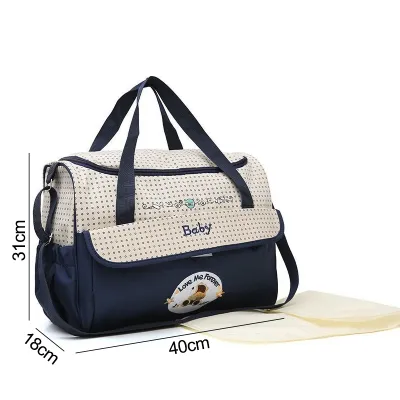
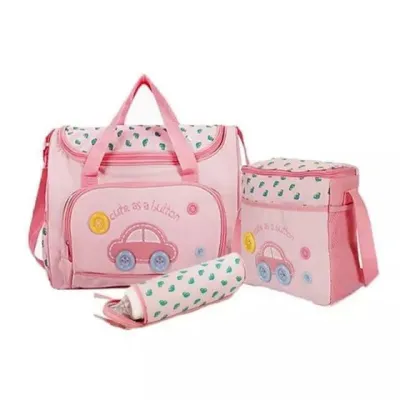
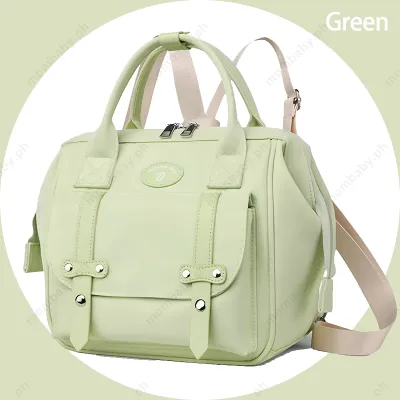
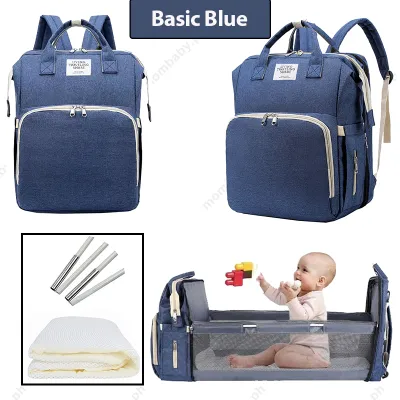
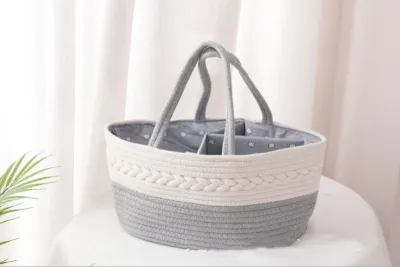
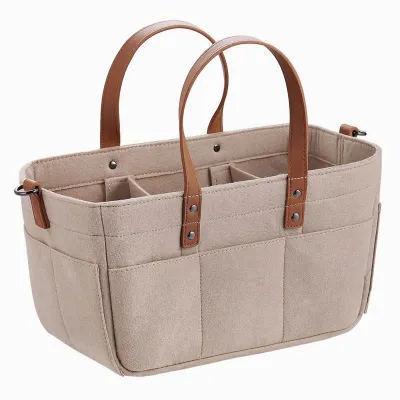
Prices are valid at publication and may change. Please refer to the product page for the latest price.
As your baby transitions into a toddler, the inventory changes. You will trade diaper stacks and burp cloths for an array of snacks, toys, sippy cups, and sanitizing wipes. Toddler outings often require quick, frequent access to small items rather than a massive storage capacity. If your daily routine consists of short trips to the local park or quick errands, a streamlined crossbody organizer or a compact backpack may serve you better than a massive, heavy tote.
Furthermore, remember that your organizer bag is not just for baby gear. It must also function as your personal handbag. Look for a bag that features a dedicated “parent zone”—a secure, easily accessible section designed to hold your wallet, keys, smartphone, and perhaps a tablet. Having a designated space for your personal belongings prevents them from getting lost beneath baby blankets and diaper cream, saving you time and frustration when you need to pay for items or answer a call.
Essential Internal Compartments and Pocket Layouts
The internal architecture of a baby bags mom organizer determines how efficiently you can manage daily challenges. One of the most critical features to verify is the presence of insulated bottle pockets. In warm, tropical climates, maintaining a stable temperature for milk, formula, or fresh water is essential. Look for pockets lined with thick thermal insulation that can keep bottles upright and cool for several hours.

Another indispensable feature is a dedicated wet/dry separation zone. Babies are prone to sudden spills, diaper leaks, and messy feeding sessions. A waterproof, zippered compartment inside the bag allows you to seal away damp onesies, soiled bibs, or wet washcloths, protecting the rest of your clean cargo from moisture and odor. This is particularly important in humid environments where damp fabrics can quickly develop mold if not isolated.
For smaller, easily misplaced items like pacifiers, teething gels, and diaper creams, look for shallow slip pockets or mesh compartments. Deep pockets can cause small items to sink to the bottom, forcing you to dig blindly. Mesh pockets are especially useful because they allow you to see the contents at a glance without unzipping multiple sections. Additionally, ensure there is at least one secure, zippered interior pocket to keep sensitive items like vaccination cards or emergency cash safe and dry.
Finally, pay close attention to the main compartment’s opening style. A wide-mouth or clamshell opening is highly recommended. This design allows the bag to stay wide open on its own, providing complete visibility of the interior. Narrow top zippers often create a dark, cavernous space where items easily get lost, forcing you to unpack half the bag just to find a spare pacifier.
Accessibility and On-the-Go Convenience Features
When you are holding a fussy baby in one arm, you only have one hand free to operate your bag. Therefore, external accessibility is just as important as internal organization. Look for exterior pockets designed for quick-grab items. A dedicated wipe-dispensing slot on the side of the bag is incredibly convenient, allowing you to pull out a wet wipe instantly to clean up a spill or wipe sticky hands without opening the main compartment.
Weight distribution and stroller integration are also vital for your physical comfort. High-quality organizer bags often come equipped with integrated stroller straps or D-rings, allowing you to hang the bag securely from your stroller handlebar. A luggage sleeve on the back panel is another excellent feature if you travel frequently, as it lets you slide the bag over the handle of a rolling suitcase. Always ensure that hanging a heavy bag does not make your stroller tip backward; safety should always come first.
The carrying style you choose should align with your lifestyle and physical comfort. Backpack-style organizers are highly popular because they distribute weight evenly across both shoulders and keep your hands completely free. If you choose a backpack, look for breathable mesh padding on the back panel and shoulder straps to prevent sweat buildup during hot, humid days. Alternatively, tote bags and crossbody bags offer faster access to the interior while wearing them, making them suitable for parents who prefer quick, on-the-go adjustments.
Material, Durability, and Maintenance Checks
A mom organizer bag must be built to survive spills, weather, and daily wear. When evaluating materials, prioritize water-resistant interior linings. Spilled milk, leaky water bottles, and crushed snacks are inevitable. A lining that can be quickly wiped clean with a damp cloth or a baby wipe will save you hours of laundry time and prevent unpleasant odors from settling into the fabric.
The exterior material should be equally resilient. High-density nylon, polyester, or treated canvas are excellent choices because they offer water resistance and can withstand being placed on park benches, restaurant floors, or car seats. Check the quality of the zippers and hardware; sturdy metal or heavy-duty nylon zippers are less likely to split or jam when the bag is packed to its limit. If you live in an area prone to sudden tropical downpours, look for bags with water-repellent exterior coatings.
Lastly, evaluate the bag’s structural integrity. A high-quality organizer bag should maintain its shape and stand upright even when it is completely empty or only partially filled. Floppy, unstructured bags collapse inward, making it incredibly difficult to slide items back into their designated pockets with one hand. A structured base, sometimes reinforced with small metal feet, keeps the bag clean by preventing the fabric from directly touching dirty surfaces.
Frequently Asked Questions (FAQ)
Can I use a regular tote bag instead of a dedicated mom organizer bag?
Yes, you can use a regular fashion tote, but you will likely miss the specialized features of a dedicated baby bag. Standard totes typically lack insulated bottle pockets, water-resistant linings, and stroller attachments. If you prefer to use your favorite designer tote, consider purchasing a removable bag-in-bag organizer insert. These inserts feature multiple pockets and compartments, allowing you to convert any standard bag into a functional baby organizer while maintaining your personal style.
How many pockets are actually necessary in a baby bag?
While it is tempting to look for a bag with dozens of pockets, quality and strategic placement matter far more than sheer quantity. A bag with too many tiny, narrow pockets can actually become frustrating, as many of the compartments will be too small to hold practical items, adding unnecessary weight and bulk. A well-designed bag typically needs about 6 to 10 functional pockets: two insulated bottle holders, a wet/dry pocket, a parent pocket, a couple of quick-access exterior slots, and a few interior mesh dividers.
What is the best way to clean and maintain the bag's interior?
Always check the manufacturer’s care label before attempting to clean your bag, as washing instructions vary by material. For routine maintenance, empty the bag completely at least once a week to shake out crumbs and debris. Wipe down the interior lining with a damp cloth and a mild, baby-safe detergent or sanitizing spray. Avoid harsh chemicals or bleach, which can damage water-resistant coatings. Allow the bag to air dry completely in a well-ventilated area before packing it again to prevent mold and mildew growth.
Community discussion
Share your experience or ask a question. Comments are reviewed before publication.