
Packing a maternity hospital bag requires a systematic, zoned approach that separates immediate labor needs, postpartum recovery items, and newborn essentials. By organizing your bag into distinct compartments using packing cubes or clear pouches, you can ensure that both you and your birth partner can locate critical items instantly during the fast-paced environment of labor and delivery. Preparing this bag well in advance of your due date reduces last-minute stress and ensures a smoother transition from the hospital to your home.
A structured packing strategy helps you avoid the common pitfalls of overpacking while ensuring you do not leave behind essential items. In a tropical climate, this means balancing lightweight, breathable cotton fabrics with warmer layers suitable for highly air-conditioned hospital rooms. By selecting a versatile bag and organizing it systematically, you can focus on your recovery and your new baby rather than searching through cluttered luggage.
Preparing Your Bag and Setting Up Your Maternity Hospital Needs Set
Selecting the right bag style is the foundation of an organized hospital stay. A dedicated diaper bag with multiple built-in compartments, a medium-sized duffel bag, or a compact weekender bag are all excellent choices. The ideal bag should be spacious enough to hold two to three days of essentials without becoming too heavy or bulky for your partner to carry through hospital corridors.
Products mentioned in this guide
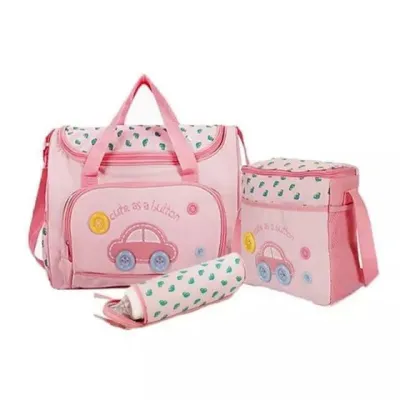
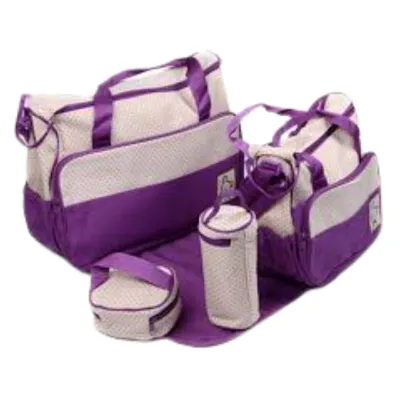
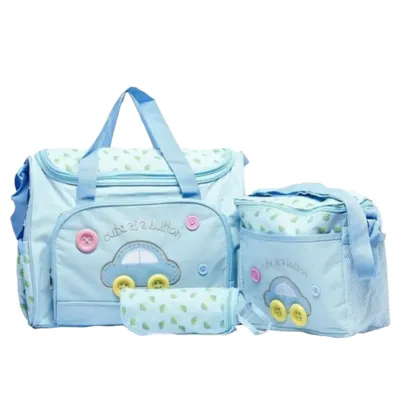
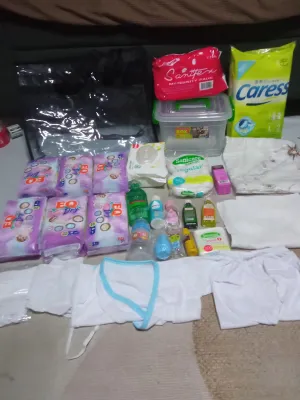
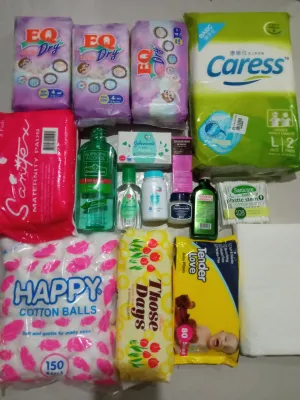
Prices are valid at publication and may change. Please refer to the product page for the latest price.
When choosing your bag, consider the length of your expected hospital stay, which typically ranges from 24 to 48 hours for an uncomplicated vaginal delivery, and up to three or four days for a cesarean delivery. If you anticipate a longer stay, a small wheeled suitcase paired with a compact tote bag can provide the necessary volume while keeping your items easily transportable. Look for bags made of durable, water-resistant materials that can be easily wiped down after returning home.
Before you begin packing, contact your chosen hospital or birthing center to request their official list of provided supplies. Many hospitals provide basic postpartum care items, such as disposable underwear, maternity pads, and basic newborn care supplies like diapers and sterile wipes. Knowing what the facility provides allows you to streamline your packing list and avoid bringing redundant items that will only clutter your room.
To establish a highly organized foundation, gather a set of packing cubes, clear ziplock bags, or lightweight fabric pouches. These organizing tools allow you to categorize your items and keep them clean and dry. Clear pouches are particularly useful for toiletries and small items, as they allow you to see the contents at a glance without unzipping multiple compartments. Labeling each pouch or cube with a permanent marker or adhesive tag further simplifies the retrieval process for your support team.
In tropical environments, humidity and sudden temperature shifts are important factors to keep in mind. While the outdoor weather may be warm and humid, hospital rooms are often kept cool with continuous air conditioning. Packing items in airtight plastic bags protects clean clothing from absorbing ambient moisture and keeps everything smelling fresh until it is ready to be worn.
Step-by-Step Packing Strategy by Compartment
An efficient hospital bag relies on a zone-based packing strategy where every item has a designated, logical home. When labor progresses, neither you nor your partner should have to empty the entire bag to find a single document or a hair tie. Assigning specific zones or pockets to distinct categories of items ensures that high-priority essentials remain accessible within seconds of your arrival.

Utilize the exterior pockets of your bag for items that require immediate access during admission. The front zippered pocket is the ideal location for your identification cards, medical records, and hospital admission forms. Side pockets can be reserved for quick-grab items such as a water bottle, small snacks for your partner, or your phone charger. Keeping these items on the exterior prevents you from having to open the main compartment in busy waiting areas.
The main compartment of your bag should be packed chronologically, with the items you will need last placed at the very bottom. For example, your going-home outfit and extra postpartum clothing can be placed at the base of the bag. Items you will need immediately after delivery, such as fresh nursing bras, comfortable loungewear, and your personal toiletries pouch, should be positioned near the top of the main compartment.
For small toiletries and personal care products, use clear, leak-proof pouches to prevent accidental spills from ruining your clothing. Grouping similar items together—such as dental care in one pouch and hair care in another—makes it easy to carry only what you need to the hospital bathroom. This modular approach also makes it simple for your partner to find and hand you specific items when you are resting in bed.
Keep your baby’s first outfit and initial diapering essentials in a separate, easily identifiable top-layer pouch. This “first night” pouch should be placed right at the top of the bag or in an easily accessible interior sleeve. When the medical staff asks for the baby’s clothes after delivery, you or your partner can hand over this single pouch without searching through the rest of your carefully packed gear.
Mom’s Essentials: Documents, Toiletries, and Postpartum Care
Your medical documents and administrative essentials are the most critical items to pack, as they are required immediately upon arrival. Keep your government-issued identification, health insurance cards, hospital pre-admission forms, and printed birth plans together in a dedicated waterproof sleeve. It is also wise to keep a small amount of cash in small denominations, such as ₱100 and ₱500 bills, for parking fees, quick snacks, or minor hospital transactions.
For personal hygiene and comfort, pack travel-sized toiletries that remind you of the comforts of home. Include a gentle facial cleanser, a toothbrush, toothpaste, moisturizing lotion, and a nourishing lip balm to combat the drying effects of hospital air conditioning. Do not forget a few high-quality hair ties or a soft headband to keep your hair away from your face during labor and active recovery.
Postpartum physical recovery requires specialized items that prioritize comfort and healing. While hospitals often provide standard maternity pads, you may prefer to pack a few pairs of high-waist disposable underwear or soft, seamless cotton underwear that can accommodate bulky pads without chafing. If you plan to breastfeed, pack two comfortable, wire-free nursing bras or nursing camisoles that offer easy access and gentle support.
A lightweight, breathable robe or a loose-fitting button-down pajama set is ideal for the postpartum ward. Choose dark colors to conceal any accidental stains, and opt for soft fabrics like cotton or bamboo that allow your skin to breathe in warm tropical climates. Slippers with non-slip rubber soles are also essential for walking safely on cold, hard hospital floors during early mobilization.
Finally, consider packing a few personal comfort items that can help create a soothing environment in your labor room. A small, portable mini-fan can provide a cooling breeze during intense moments of labor, while a long phone charging cable ensures you can keep your device powered even if the electrical outlets are far from your bed. These small additions can significantly improve your overall comfort and peace of mind.
Baby’s Essentials: Clothing, Diapers, and Swaddles
When packing for your newborn, focus on simple, high-quality essentials rather than an extensive wardrobe. Newborns have sensitive skin and struggle to regulate their body temperature, especially when transitioning from a warm environment to an air-conditioned hospital room. Pack three to four side-snap long-sleeve onesies or sleepers, which are much easier to put on a fragile newborn than over-the-head outfits.
Choose clothing made from 100% combed cotton or organic bamboo, which is exceptionally soft, breathable, and gentle on delicate skin. Along with the onesies, pack three pairs of soft mittens and booties to prevent the baby from scratching their face and to keep their tiny hands and feet warm. A couple of soft, breathable cotton hats are also necessary to help retain body heat during the first few days of life.
While the hospital may provide diapers, it is practical to pack a small sleeve of newborn-sized diapers and a pack of alcohol-free, fragrance-free water wipes. Having your own supply ensures you are prepared for the journey home and allows you to monitor how your baby’s skin reacts to specific brands. Pack two soft, breathable cotton swaddles or receiving blankets, which can be used for swaddling, as a light cover in the car, or as a clean surface for diaper changes.
Before you leave for the hospital, ensure that your infant car seat is properly installed in your vehicle according to the manufacturer’s instructions. The car seat is a non-negotiable safety requirement for bringing your baby home, and hospital staff may ask to verify its presence before discharging you. Keep the car seat base securely installed in your car, and leave the carrier portion in the vehicle or bring it inside only when you are preparing for discharge to save space in your room.
Keep a dedicated wet bag or a clean plastic bag in your baby’s section to store any soiled clothing or blankets. Newborns are prone to diaper leaks and spit-ups, and having a designated spot for dirty laundry keeps the rest of your clean baby gear hygienic. This simple step makes unpacking much easier once you return home with your new bundle of joy.
Organization Hacks to Keep Your Bag Accessible and Tidy
Maintaining order in your maternity bag throughout your hospital stay requires a few practical packing techniques. One of the most effective space-saving methods is to roll your clothing items tightly instead of folding them flat. Rolling not only maximizes the available space in your bag but also minimizes deep creases and wrinkles in your garments, keeping your loungewear looking neat and presentable.
Using color-coded packing cubes is an excellent way to establish visual boundaries within a shared bag. For instance, you can assign blue or green cubes for your baby’s items, pink or grey cubes for your own essentials, and a separate neutral cube for your partner’s gear. This clear visual distinction allows anyone helping you to locate the exact item you need instantly, without having to rummage through unrelated belongings.
Another useful hack is to attach clear, written labels or luggage tags to the handle of each packing cube or pouch. You can write simple descriptions such as “Mom’s Toiletries,” “Baby’s First Outfit,” or “Postpartum Wear” on these tags. This level of organization is incredibly helpful during labor when you may be unable to search the bag yourself and must rely on your partner or a nurse to find specific items quickly.
Keep a small, lightweight pouch positioned at the very top of your bag for items that you will need to access repeatedly throughout your stay. This pouch should contain your phone charger, a small tube of lip balm, a pack of mints, and your wallet or cash. Because these items are used frequently, keeping them in a dedicated top-level container prevents them from slipping to the bottom of the bag and getting lost under larger items.
If you are packing a larger duffel bag, consider placing a rigid piece of cardboard or a plastic organizer at the bottom to help the bag maintain its shape. A structured bag is much easier to search through than a floppy one that collapses on itself. This simple modification keeps your organized packing cubes upright and prevents them from shifting during transit from your home to the hospital.
What to Leave Behind: Avoiding Overpacking and Clutter
One of the most common mistakes expectant parents make is overpacking their hospital bags with items that are ultimately left unused. A cluttered hospital room can feel cramped and overwhelming, making it harder to find the things you actually need. By carefully curating your packing list and leaving unnecessary items at home, you can keep your space tidy and reduce the physical burden of carrying heavy luggage.
Avoid packing an excessive number of elaborate baby outfits, shoes, or bulky costumes. Newborns spend the majority of their hospital stay swaddled or skin-to-skin with their parents, meaning they require only simple, comfortable sleepers. Fancy outfits with complex buttons, zippers, or stiff fabrics can be difficult to manage during frequent diaper changes and medical checks, and they can irritate your baby’s sensitive skin.
Leave full-sized toiletries, heavy hair styling tools, and expensive jewelry at home. Hospital bathrooms typically have limited counter space, and large bottles of shampoo or body wash will only get in the way. Opt for travel-sized containers of your favorite products instead, and leave valuable jewelry behind to prevent it from being lost or damaged during your stay. Focus on simple, low-maintenance grooming that prioritizes cleanliness and comfort.
You should also avoid packing items that your hospital routinely provides to patients. Most facilities supply basic postpartum recovery items, such as mesh underwear, cold packs, and perineal irrigation bottles, as well as basic newborn care items. While you may want to bring a few of your preferred personal care items, there is no need to pack a massive supply of these basic necessities. Check with your hospital beforehand to confirm what is included in your admission package.
Finally, limit the number of electronic devices you bring to the hospital. While a smartphone is essential for capturing memories and staying in touch with family, items like laptops, tablets, and bulky professional cameras are often unnecessary and pose a security risk in a busy hospital environment. Focus on resting, recovering, and bonding with your newborn rather than managing multiple electronic devices and their associated cables.
Final Pre-Hospital Checklist and Verification
As your due date approaches, performing a final review of your packed maternity bag ensures that nothing critical has been overlooked. It is highly recommended to have your bag fully packed and placed near your front door or in the trunk of your car by your 36th or 37th week of pregnancy. This early preparation provides peace of mind, knowing that you are ready to depart at a moment’s notice if labor begins unexpectedly.
Take the time to cross-reference your packed items against your hospital’s official recommended checklist and your personal preferences. Lay everything out on a clean surface before placing it into the designated compartments of your bag, verifying that each item is clean, functional, and properly organized. This final visual check helps identify any missing essentials, such as a specific document or a preferred postpartum care item, before it is too late.
Ensure that all electronic accessories, such as extra-long phone chargers and portable power banks, are fully charged and packed in their designated pouch. A reliable power bank is incredibly useful in hospital rooms where electrical outlets may be positioned far from your bed or recovery chair. Double-check that you have packed the correct charging cables for both your and your partner’s mobile devices to maintain seamless communication with family members.
Before sealing your bag, test its overall weight and the comfort of its carrying straps. The bag should be manageable enough for your partner or support person to carry comfortably along with any other necessary items, such as a pillow or a small cooler for snacks. If the bag feels excessively heavy or difficult to zip closed, re-evaluate the contents and remove any non-essential items to streamline your load.
Once your bag is fully verified and zipped, inform your partner, family members, or support team of its exact location in your home. Knowing precisely where the bag is stored ensures that anyone can quickly grab it on the way out the door, even during the excitement and urgency of early labor. With your organized maternity bag ready, you can approach your upcoming delivery with confidence, knowing that your physical comfort and newborn’s needs are fully prepared for.
Frequently Asked Questions (FAQ)
When should I start packing my maternity hospital bag?
It is generally recommended to have your maternity hospital bag fully packed and ready to go by your 36th or 37th week of pregnancy. This timeline ensures that you are prepared in case your baby decides to make an early arrival, which is relatively common. If you are experiencing a high-risk pregnancy, expecting multiples, or have a scheduled cesarean delivery, it is wise to have your bag organized even earlier, around your 32nd to 34th week, to accommodate any unexpected early admissions.
Do I need to pack a separate bag for my partner?
Yes, it is highly recommended to pack a separate, smaller bag for your partner or support person rather than trying to fit all of their belongings into your main maternity bag. A dedicated backpack or small duffel for your partner should include a change of clothes, basic toiletries, a warm sweater for cold hospital air conditioning, and plenty of snacks and drinks. Keeping their items separate prevents your main maternity bag from becoming overly heavy, cluttered, and difficult to navigate during labor and recovery.

Community discussion
Share your experience or ask a question. Comments are reviewed before publication.