
Preparing for the arrival of your baby is an exciting journey, but the final weeks of pregnancy can feel overwhelming without a clear plan. A well-prepared hospital bag maternity set is your ultimate tool for transitioning smoothly from labor to postpartum recovery. This curated set typically consists of a primary travel bag, matching organizing pouches, and dedicated compartments designed to keep essential documents, mother’s recovery gear, and newborn clothing organized and accessible. By packing systematically, you ensure that both you and your birth partner can locate any item in seconds during high-stress moments in the delivery room.
In the Philippines, packing requires special consideration for tropical humidity, air-conditioned hospital wards, and local admission protocols. A complete maternity set should balance lightweight, breathable clothing with practical recovery essentials like high-absorbency maternity pads, personal toiletries, and newborn layette items. Having these items organized in designated sections of your bag minimizes chaos, allowing you to focus entirely on your labor and the first precious moments with your newborn.
How to Choose the Right Maternity Bag for Your Hospital Stay
Selecting the right bag is the foundation of your preparation. A standard weekend bag might hold your clothes, but a dedicated maternity bag or multi-piece set offers specialized features tailored to the unique demands of a hospital stay. When evaluating options, look for a bag that features a wide-mouth opening, which allows you to see the entire contents at a glance without rummaging through layers of packed items.
Products mentioned in this guide
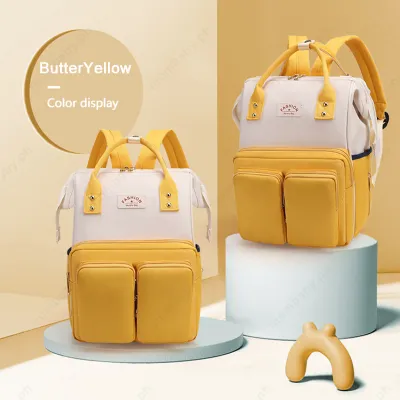
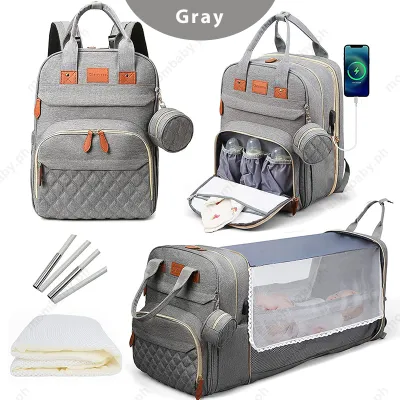
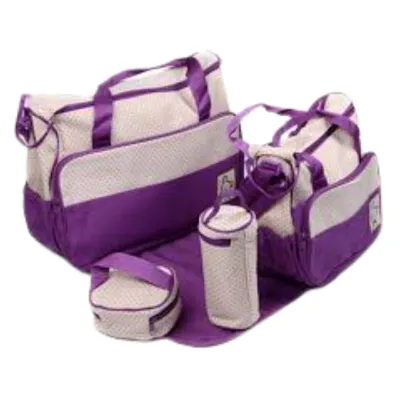
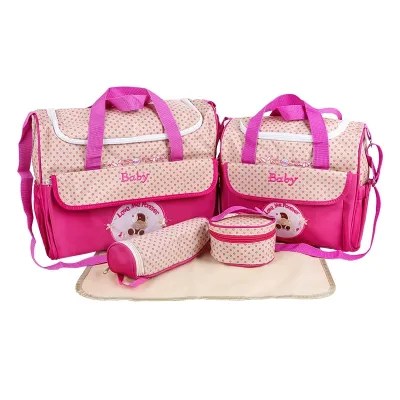
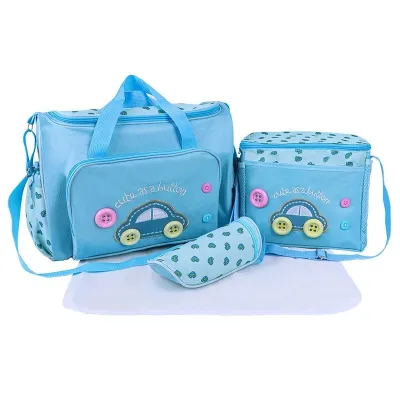
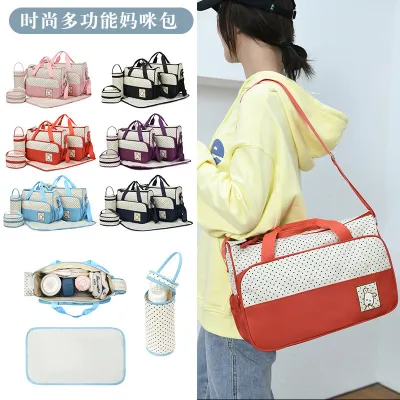
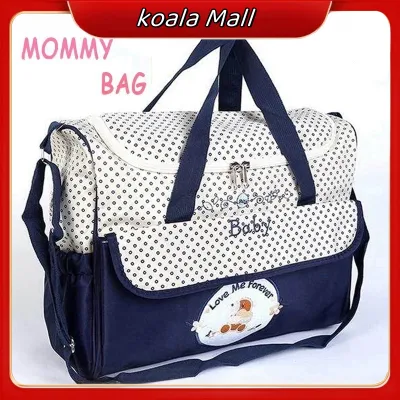
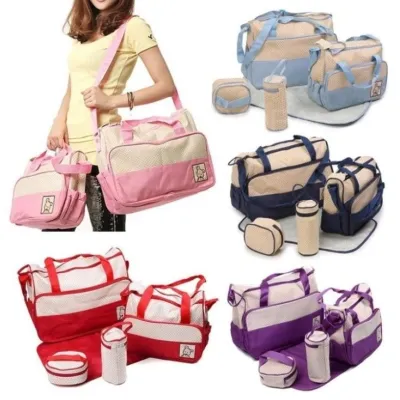
Prices are valid at publication and may change. Please refer to the product page for the latest price.
Compartment layout is critical for maintaining hygiene and organization during a multi-day stay. Your bag should feature distinct wet and dry compartments to separate soiled clothing or damp towels from clean items. Dedicated pockets for medical documents, electronics, and small personal items like lip balm or hair ties prevent these essentials from getting lost at the bottom of the bag. Look for external pockets that provide quick access to items you might need the moment you arrive at the hospital triage.
Carrying style is another important factor to consider based on your mobility and who will be transporting the bag. Backpack-style maternity bags are highly popular because they keep your hands free, which is incredibly helpful when navigating hospital corridors or holding onto your partner for support. Alternatively, a spacious tote bag with a trolley sleeve can be easily secured onto a rolling suitcase, making it simple for your birth partner to wheel everything from the car to the high-dependency unit or private room.
Material durability and ease of cleaning are non-negotiable for hospital environments. Hospitals are high-traffic areas, so your bag will likely be placed on floors, bedside tables, or chairs. Choose water-resistant, wipeable fabrics like high-density nylon or polyester that can be easily sanitized with disinfectant wipes. Avoid delicate fabrics or heavy leather bags that add unnecessary weight before you even begin packing your essentials.
Essential Documents and Hospital Paperwork
Before packing any clothing or toiletries, secure your administrative and medical paperwork, as these are the very first items you will need upon arrival. Philippine hospitals require specific documentation for admission, PhilHealth claims, and birth certificate registration. Having these organized in one place prevents unnecessary delays and stress during active labor.

Keep all your documents in a dedicated, waterproof document organizer or a zippered plastic folder within your maternity set. This organizer should contain your government-issued identification cards, marriage certificate (if applicable, for birth registration), PhilHealth Member Data Record (MDR) and claim forms, and your private health insurance card or Letter of Authorization. Additionally, pack your complete prenatal record, including ultrasound results, laboratory reports, and your doctor’s admission order if one was provided during your final prenatal checkup.
It is highly recommended to make photocopies of all your identification cards and insurance documents beforehand, as hospital billing departments often require multiple physical copies. Keep a pen and a small notebook in this folder as well, which will be useful for jotting down instructions from nurses, tracking feeding times, or filling out forms. Always check with your specific hospital or attending obstetrician a few weeks before your due date to confirm if they require any unique local forms or specific clearance documents.
Must-Have Comfort and Recovery Items for the Mother
Postpartum recovery requires specialized care, and packing the right items can significantly improve your comfort during the first few days. Clothing should be loose, breathable, and exceptionally easy to put on and take off. Opt for lightweight cotton button-down pajamas, nursing nightgowns, or loose robes that allow easy access for breastfeeding and skin-to-skin contact with your baby. Because hospital air conditioning can feel quite cold, pack a pair of warm socks and a lightweight cardigan or shawl.
Hygiene and wound care are top priorities immediately after delivery. Pack a generous supply of high-absorbency maternity pads or disposable postpartum underwear, which provide secure coverage and are easier to manage than standard sanitary napkins during the first heavy bleeding phase. A squeeze bottle, or peri bottle, is essential for gentle cleansing after using the restroom, especially if you have stitches from an episiotomy or tear. While some hospitals provide a basic plastic bottle, bringing an angled-nozzle peri bottle offers much better control and comfort.
Supportive undergarments are equally important for your physical comfort. Pack at least three comfortable, wire-free nursing bras or camisoles that provide gentle support without compressing your milk ducts. Pair these with high-waisted cotton underwear that sits well above a potential C-section incision line. Do not forget to pack non-slip slippers or slip-on shoes, as you will be encouraged to walk around the ward or room to aid your recovery, and hospital floors can be slippery.
Finally, pack a small pouch with your personal toiletries and basic skincare to help you feel refreshed. Include travel-sized shampoo, conditioner, body wash, a toothbrush, toothpaste, and a mild facial cleanser. The dry hospital air can cause chapped lips and dry skin, so a nourishing lip balm and a lightweight moisturizer are highly recommended. Bringing your own soft bath towel can also feel much more comforting than using the thin, scratchy towels sometimes provided by hospitals.
Essential Clothing and Care Items for the Newborn
Packing for your newborn is one of the most exciting parts of preparation, but it is easy to overpack tiny clothes. Focus on simple, functional pieces that keep your baby warm and make frequent diaper changes effortless. Newborns cannot regulate their body temperature well, so even in a tropical climate, they require layers to stay warm in air-conditioned hospital rooms.
Pack around four to five sets of tie-side tops or snap-front onesies, which are much easier to put on a fragile newborn than outfits that must be pulled over their head. Pair these with soft footed pants or separate mittens and booties to keep their tiny hands and feet warm. A couple of soft, breathable cotton receiving blankets are essential for swaddling your baby during sleep and keeping them secure during the journey home.
For basic care, pack a small pack of newborn-size diapers and water-based, fragrance-free baby wipes suitable for sensitive newborn skin. Many local hospitals practice rooming-in, meaning your baby will stay with you, and you or your partner will be responsible for basic diaper changes. You should also pack a couple of soft washcloths and a gentle, pediatrician-approved baby wash in case the nurses ask you to provide toiletries for the baby’s first bath.
Before you can be discharged from the hospital, you must ensure you have a safe way to transport your baby home. An approved infant car seat must be properly installed in your vehicle ahead of time. Most hospitals will require a visual check of the car seat or will want to see the baby safely secured before allowing you to leave the premises. Keep a lightweight muslin swaddle or car seat canopy on hand to shield your baby from the sun and wind during the transition to the car.
Practical Supplies for the Birth Partner or Support Person
Your birth partner plays a crucial role during labor and recovery, and they will need their own set of supplies to stay energized and supportive. Labor can be a long, unpredictable process, often lasting many hours or even days. A dedicated section of your maternity bag or a separate small backpack should be allocated for their personal needs.
Hydration and nutrition are vital for keeping your partner’s energy levels up. Pack a reusable water bottle and a selection of high-energy, non-perishable snacks such as granola bars, nuts, crackers, and dried fruit. Hospital cafeterias may not be open late at night, so having quick, quiet snacks on hand ensures your partner does not have to leave your side to find food during critical moments.
Electronics are another essential category for the support person. Pack a high-capacity power bank and extra-long charging cables (at least two meters) for your mobile phones. Hospital wall outlets are often located far from the bedside or visitor chairs, and you will want to keep your phones fully charged to update family members and capture those first precious photos of your baby.
If your partner is planning to stay overnight in your hospital room, they will need a change of comfortable clothes, basic toiletries, and a lightweight blanket or sleeping bag. Many hospital rooms provide a basic couch or pull-out bed for partners, but bedding may be limited. A small travel pillow and a light blanket can make a significant difference in their sleep quality, ensuring they are well-rested enough to support you and care for the newborn.
What to Leave at Home to Keep Your Bag Light
While it is tempting to pack for every possible scenario, overpacking can make your hospital room cluttered and make it difficult to find the items you actually need. Remember that a standard hospital stay for an uncomplicated vaginal delivery is typically two days, while a C-section delivery usually requires three to four days. Keep your packing focused on the essentials.
Avoid packing excessive clothing for yourself or the baby. You will spend most of your stay in hospital gowns or comfortable pajamas, so you only need one comfortable outfit to wear on the day you go home. For the baby, a few basic outfits are more than enough; there is no need to pack elaborate costumes or multiple heavy blankets that are unsuited for the local climate.
Leave valuable jewelry, large amounts of cash, and expensive electronics like laptops or tablets at home. Hospital rooms are accessed by various staff members throughout the day and night, and it is easy for small, valuable items to be misplaced or lost in the bustle of care. Keep only a small amount of cash, such as a few thousand pesos (₱), on hand for minor expenses like parking fees or quick snacks, and rely on digital payment methods or cards for hospital bills.
Finally, do not pack bulky baby gear like baby bathtubs, sterilizers, or large toys. The hospital will provide the necessary medical equipment, a bassinet for the baby to sleep in, and basic sanitizing solutions if required. Your goal is to keep your luggage compact and manageable so that loading and unloading the car during discharge is as stress-free as possible.
When and How to Pack Your Hospital Bag Strategically
Timing is everything when it comes to preparing your maternity bag. It is highly recommended to have your hospital bag fully packed and sitting by the door or in the trunk of your car by the 36th week of pregnancy. Babies can arrive unexpectedly, and having your bag ready early provides immense peace of mind as you approach your due date.
To pack strategically, utilize packing cubes or color-coded zippered pouches within your maternity set to categorize items. Group your items into three distinct categories: one cube for the mother’s immediate labor and postpartum needs, one cube for the newborn’s clothing and care items, and one cube for the birth partner’s essentials. Labeling these cubes or using transparent mesh pouches allows anyone to find exactly what is needed without dumping the entire contents of the bag onto the hospital bed.
Once your bag is packed, place it in an easily accessible location, such as near the front door or directly in your vehicle. Walk your birth partner through the bag’s organization, showing them exactly where the medical documents, camera or phone chargers, and baby’s going-home outfit are located. This ensures that when labor begins, your partner can confidently grab the bag and navigate its contents without needing to ask you for directions during intense contractions.
Frequently Asked Questions (FAQ)
Can I use a regular diaper bag instead of a dedicated maternity set?
Yes, you can certainly use a regular diaper bag, but you may find it lacks the capacity needed for a multi-day hospital stay. Dedicated maternity sets are typically larger and designed to hold items for both mother and baby, often including matching organizing pouches. If you choose to use a standard diaper bag, you can adapt it by using separate packing cubes or zippered storage bags to maximize space and keep your recovery items separate from the baby’s clothes.
Do local hospitals provide basic toiletries and newborn supplies?
Most private and public hospitals in the Philippines provide a basic admission kit, which often includes a few maternity pads, a basic toothbrush set, and a small bar of soap. However, these kits are usually minimal, and the quality may not match your personal preferences. Newborn supplies like diapers, wipes, and specific baby washes are typically the family’s responsibility to provide. It is always best to call your chosen hospital’s billing or admission office beforehand to ask for a list of what is included in their maternity package.
How many outfits should I pack for a standard hospital stay?
For a standard two-to-three-day stay, you should pack three comfortable, nursing-friendly outfits for yourself and four to five outfits for your newborn. This quantity accounts for daily changes plus a couple of extra sets in case of unexpected leaks, spills, or minor delays in your discharge. Prioritize loose, breathable cotton fabrics that offer easy access for medical checks and breastfeeding, rather than fashionable or restrictive clothing.
Community discussion
Share your experience or ask a question. Comments are reviewed before publication.