
Maximizing limited freezer space while preserving the nutritional quality of expressed breastmilk is a common challenge for new parents, especially when managing a compact nursery fridge or a shared household freezer. In a tropical climate like the Philippines, where high ambient temperatures and humidity place extra demands on cooling appliances, efficient organization is not just about neatness—it is essential for maintaining a stable, safe temperature for your liquid gold. By utilizing reliable storage options like a cotton care breastmilk bag and implementing structured freezing, stacking, and rotation systems, you can dramatically increase your storage capacity, protect your milk from temperature fluctuations, and simplify your daily feeding routine.
Preparing Your Cotton Care Breastmilk Bag and Storage Essentials
Before any milk goes into the freezer, how you fill, seal, and label each container determines both its physical footprint and its safety. Using a high-quality, durable option like a cotton care breastmilk bag helps minimize the risk of leaks and freezer burn, but proper handling technique remains the foundation of successful storage.
Filling and Sealing Liquid expands as it freezes, and breastmilk is no exception. When pouring milk into your storage bag, always leave a small gap of about an inch at the top, ensuring you do not exceed the maximum fill line indicated by the manufacturer. Once filled, gently flatten the bag with one hand to push out any trapped air before sealing the double-zip track securely. Removing this excess air prevents freezer burn—which can degrade the taste and nutritional value of the milk—and allows the bag to freeze into a perfectly flat, space-saving shape.
Products mentioned in this guide
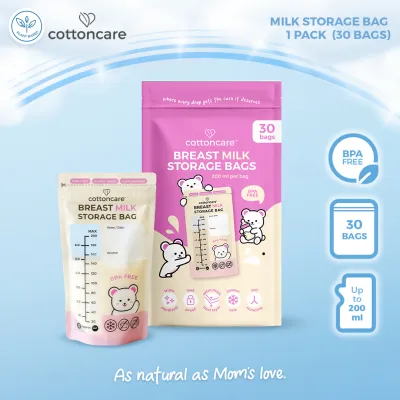
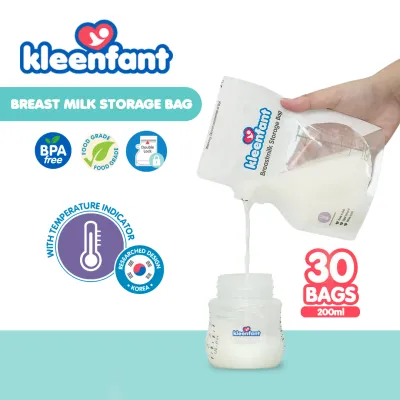
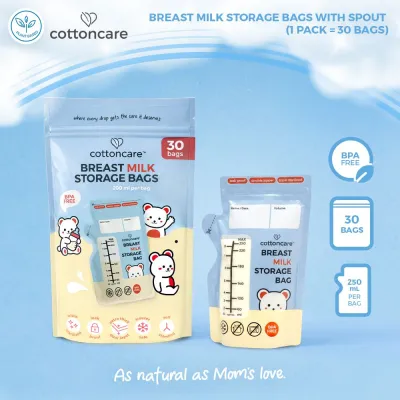
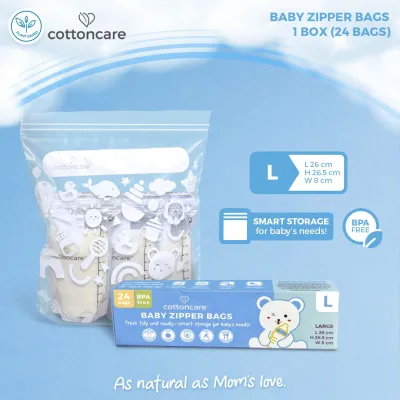
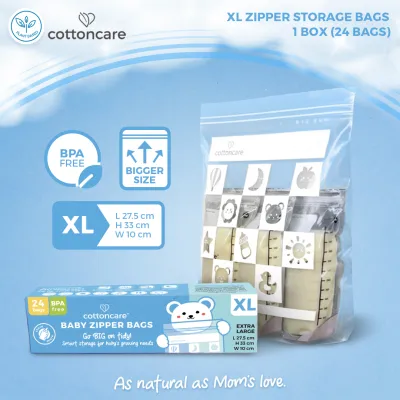
Prices are valid at publication and may change. Please refer to the product page for the latest price.
Labeling Essentials Never rely on your memory to track when milk was expressed. Use a permanent, waterproof marker to write the exact date, time, and volume (in milliliters or ounces) directly on the designated label area of the bag before filling it, as writing on a cold, condensation-covered bag is incredibly difficult. If your baby attends a daycare or is cared for by a relative, always include your child’s full name on the label to prevent any mix-ups.
Bag Selection and Handling Different brands have unique material thicknesses and seal designs, so it is crucial to read the manufacturer’s instructions on your specific packaging. Whether you are using a specialized cotton care breastmilk bag or another trusted brand, always inspect the bag for any defects before use, avoid overfilling, and handle the sealed bags with clean, dry hands to maintain hygiene.
Space-Saving Freezer Organization Methods
A chaotic freezer leads to wasted space, forgotten bags, and constant temperature drops from leaving the freezer door open too long while searching for a specific date. Organizing your freezer systematically ensures every square inch is utilized efficiently, which is particularly helpful if you are using a smaller nursery mini-fridge.

The “Flat Freeze” Technique The single most effective way to save space is to freeze your breastmilk bags completely flat. Instead of placing a freshly filled, pliable bag directly onto a wire shelf where it will freeze into an awkward, bulky shape, lay it flat on a clean baking sheet, metal tray, or even a flat piece of cardboard inside the freezer. Once the milk is frozen solid—usually within a few hours—it becomes a thin, uniform, brick-like tile that can be stacked easily or filed vertically.
Using Bins and Baskets Once your bags are frozen flat, group them together inside small plastic bins, wire baskets, or dedicated breastmilk storage organizers. In the Philippines, affordable plastic storage baskets (ranging from ₱100 to ₱300) are widely available at local home department stores and online marketplaces, making this an accessible solution. Organizing your flat-frozen bags inside these containers prevents them from sliding around, slipping into hard-to-reach corners, or falling out of the freezer when you open the door.
Strategic Placement Store your breastmilk containers toward the back or center of the freezer compartment, where the temperature remains the coldest and most consistent. Avoid storing breastmilk bags in the freezer door shelves; the frequent opening and closing of the door exposes the outer edge of the freezer to warm, humid air, causing rapid temperature fluctuations that can compromise the quality and safety of the milk.
Adapting to Freezer Types Your organization strategy should match the style of appliance you own. For an upright freezer or a standard refrigerator-freezer combo, arrange your flat-frozen bags vertically like files in a filing cabinet inside a plastic bin, which allows you to flip through dates easily. If you are using a deep chest freezer, stack the flat bags horizontally in layers inside color-coded hanging baskets, keeping the oldest layers on top for easy access.
Managing a First-In, First-Out (FIFO) Rotation
To ensure your baby receives the freshest milk and to prevent older milk from expiring, you must establish a strict First-In, First-Out (FIFO) rotation system. This simple inventory practice guarantees that the oldest expressed milk is always positioned for immediate use.
Chronological Arrangement When adding newly frozen bags to your storage bins, always place them at the back or the bottom of the container. Pull the older bags forward or to the top so they are the first ones you grab when preparing a bottle. If you use a vertical filing system, simply add new bags to the left side of the bin and pull bags for feeding from the right side, maintaining a continuous, unidirectional flow.
Tracking Inventory Keeping an accurate count of your frozen stash prevents over-pumping and helps you plan for future transitions, such as returning to work. You can maintain a simple dry-erase whiteboard on the outside of your freezer door, keep a paper log sheet nearby, or use a dedicated baby-tracking smartphone app to log the dates and total volumes currently in storage.
Handling Older Milk Regularly audit your freezer stash to identify any bags that are approaching their safe storage limits. If you realize you have a surplus of older milk that your baby will not consume in time, consider safe alternative uses rather than throwing it away. Many parents use older, safe breastmilk for soothing milk baths to treat minor baby skin irritations, or mix it into infant cereals and purees once the baby starts solid foods, provided you consult your pediatrician first.
Thawing Safely and Checking Milk Quality
Proper thawing is just as critical as safe freezing; improper warming techniques can destroy the delicate nutrients in breastmilk or encourage harmful bacterial growth. Always prioritize safety and follow established health guidelines when preparing frozen milk for a feeding.
Safe Thawing Methods The safest way to thaw a frozen breastmilk bag is to transfer it from the freezer to the main compartment of your refrigerator the night before you plan to use it, allowing it to defrost gradually. If you need to thaw a bag quickly, place the sealed bag into a clean bowl filled with lukewarm water, replacing the water as it cools until the milk reaches a liquid state.
Methods to Avoid Never thaw breastmilk at room temperature on your kitchen counter, as the outer layers of the milk can warm up quickly and become a breeding ground for bacteria while the center remains frozen. Additionally, never heat breastmilk in a microwave or in boiling water on the stove; excessive heat destroys the beneficial antibodies and proteins in the milk, and microwaves can create dangerous “hot spots” that can burn your baby’s mouth.
Quality Checks After thawing, it is completely normal for breastmilk to separate into a watery layer and a thick, creamy layer. Gently swirl the bag—do not shake it vigorously—to recombine the layers before transferring it to a sterilized feeding bottle. If the thawed milk has a distinctly sour, rancid smell, or if the layers refuse to mix back together after gentle swirling, discard the milk immediately and consult a healthcare professional or lactation consultant if you have ongoing concerns about your milk supply or quality.
Frequently Asked Questions (FAQ)
Can I add fresh breastmilk to an already frozen bag?
You should avoid adding warm, freshly expressed breastmilk directly to a bag of already frozen milk. Doing so raises the temperature of the frozen milk, which can cause it to partially thaw and encourage rapid bacterial growth. If you want to combine milk from different pumping sessions, cool the fresh milk in the refrigerator first until it reaches the same chilled temperature as the frozen milk, then combine them before freezing, using the date of the oldest expressed milk as your storage guide.
How long is frozen breastmilk safe to use?
While general pediatric guidelines suggest that frozen breastmilk is best used within 3 to 6 months for optimal quality, the exact safe duration depends heavily on your freezer type and temperature stability. Always verify the specific storage recommendations provided by your local health authorities, your pediatrician, and the instructions printed on your breastmilk bag packaging. If you notice any signs of freezer burn or physical damage to the bag, it is best to err on the side of caution and discard the milk.
What should I do if my freezer loses power?
In the event of a power outage or brownout—which can occur during the tropical storm season in the Philippines—keep your freezer door closed as much as possible to trap the cold air inside. Once the power is restored, inspect each breastmilk bag immediately: if the bags still contain visible ice crystals, they are generally considered safe to keep in the freezer. However, if the milk has completely thawed to a liquid state but is still cold, it must be stored in the refrigerator and consumed within 24 hours; if it has reached room temperature, it must be discarded to protect your baby’s health.

Community discussion
Share your experience or ask a question. Comments are reviewed before publication.