
Setting up a nursery is one of the most exciting preparation steps for parenthood, but it quickly reveals a practical challenge: babies require a massive volume of small, specialized items. From tiny socks and multiple clothing changes to diapers, wipes, toys, and board books, keeping everything organized is essential for maintaining your sanity and ensuring a safe environment. The ideal setup relies on choosing the right type of baby organizer storage for each specific category of item, balancing quick access for parents with safety and durability as the child grows.
Choosing the wrong storage can lead to cluttered spaces, damaged items, or even safety hazards. In a nursery, storage is not just about aesthetics; it is about creating an efficient workflow for high-frequency tasks like diaper changes and dressing, while securing the environment against potential accidents. By matching the physical design of the storage solution to the specific characteristics of the items being stored, you can create a functional, serene space that adapts to your family’s changing needs over time.
Key Criteria for Choosing Baby Organizer Storage
When evaluating nursery storage options, structural stability must be your absolute top priority. Any piece of furniture or storage unit must be robust enough to withstand daily use and, eventually, a curious toddler pulling themselves up to stand. Avoid top-heavy designs, and look for items with wide, stable bases that can be securely anchored to your walls.
Products mentioned in this guide
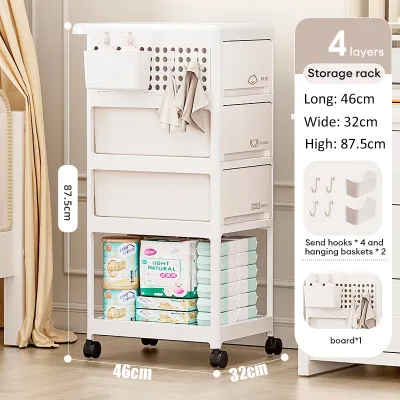
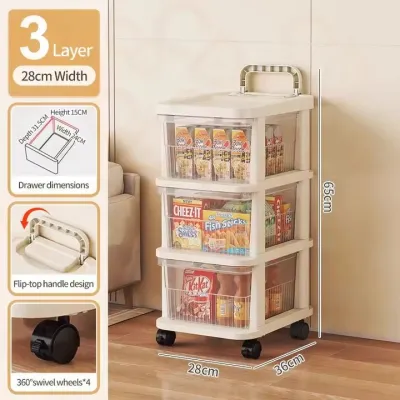
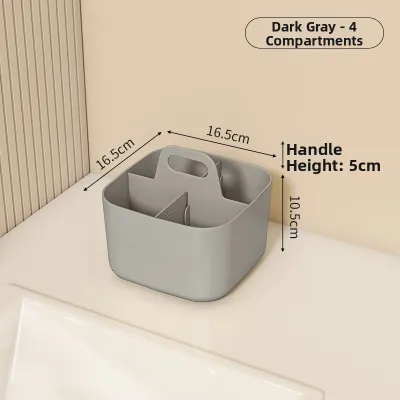
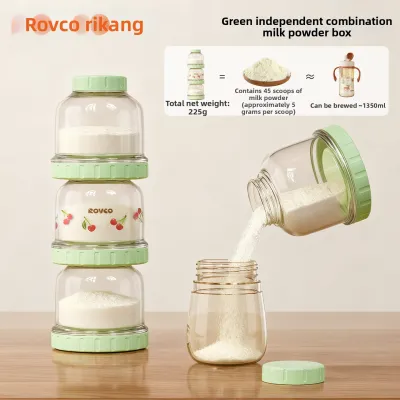
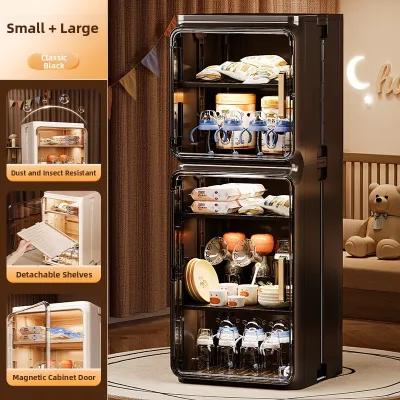
Prices are valid at publication and may change. Please refer to the product page for the latest price.
Material safety is another critical dimension, as babies explore their world through touch and taste. Ensure that all storage materials are non-toxic, lead-free, and devoid of sharp edges, splinters, or small detachable parts that could present choking hazards. Look for certifications or clear manufacturer declarations regarding the safety of paints, glazes, and plastics used in the products.
Accessibility must be evaluated from two distinct perspectives: the caregiver’s and the toddler’s. Caregivers need fast, ergonomic access to high-use items like diapers and wipes, which should be reachable without taking a hand off the baby. Conversely, items meant for the child, such as safe toys and books, should be positioned at a low level where they can access them independently as they develop motor skills.
Space efficiency is a major factor, especially in smaller urban nurseries or condominium units where floor space is limited. Utilizing vertical wall space, over-the-door organizers, and under-crib storage can significantly maximize your usable area without making the room feel cramped or cluttered. Multi-functional furniture, such as a changing table with built-in shelving, also helps optimize limited floor space.
In the tropical climate of the Philippines, environmental factors play an exceptionally large role in storage selection. High relative humidity throughout the year creates a prime breeding ground for mold, mildew, and dust mites. It is essential to choose breathable fabrics, moisture-resistant materials, or treated woods that can withstand humid conditions. Storage solutions must be easy to clean and dry to prevent moisture from trapping inside drawers or bins, which could ruin clothing or pose respiratory risks to your baby.
Finally, never purchase storage furniture or heavy organizers without verifying the manufacturer’s age and weight recommendations. These specifications are designed to prevent structural failures and ensure that the item is safe for use around infants and young children. Always check the product documentation to confirm that the storage unit is rated for your intended use and is appropriate for your child’s current developmental stage.
Top Storage Solutions for Baby Clothes
Baby clothes are incredibly small, but they accumulate in massive quantities and require frequent changes throughout the day. Organizing them requires systems that accommodate rapid size transitions while keeping daily essentials immediately visible and within reach.

Drawers and Dressers
Drawers and dressers are the traditional backbone of nursery clothing storage, offering a clean, hidden way to organize folded garments and accessories. They are particularly useful for everyday essentials like onesies, pajamas, swaddles, and receiving blankets.
Because baby clothes are so small, a standard dresser drawer can quickly become a disorganized pile of fabric. Utilizing adjustable drawer dividers or small fabric organizer inserts is a highly effective way to keep tiny items like socks, mittens, bibs, and beanies separated and fully visible. This prevents you from having to rummage through deep drawers during a midnight clothing change.
When selecting a dresser, pay close attention to the hardware and construction. Smooth drawer glides with safety stops are essential to prevent drawers from being pulled entirely out of the frame. Soft-close mechanisms are also highly recommended, as they prevent pinched fingers and minimize noise when you are putting away laundry while your baby is sleeping.
As your baby transitions from a newborn to a crawling and pulling-up infant, drawer safety becomes even more critical. Installing safety locks or latches on lower drawers is a necessary step to prevent your child from opening drawers, using them as steps to climb, or pulling heavy items down onto themselves.
Hanging Organizers and Closet Bins
If floor space is limited, or if you want to maximize the utility of an existing closet, vertical hanging organizers and closet bins are excellent options. These systems allow you to utilize the full height of your closet without requiring a large footprint in the room.
Multi-tier hanging shelves made of durable fabric are highly versatile. They work exceptionally well for storing lightweight items such as baby shoes, extra swaddles, folded blankets, or even bulk packs of diapers. They are also ideal for sorting clothes by size (such as 0-3 months, 3-6 months, and 6-9 months) so you can easily see what fits your baby now and what is ready for future use.
Before installing a hanging organizer, always check the weight capacity of both the organizer itself and the closet rod. Overloading these fabric shelves can cause the closet rod to bend or the organizer’s hanging straps to tear, creating a sudden collapse. Keep heavier items like large packs of wipes or heavy blankets on lower, solid shelves rather than in hanging fabric organizers.
To keep the closet looking neat and to protect items from dust, pair these hanging systems with fabric closet bins. Applying clear, readable labels to each bin allows you to quickly identify what is stored inside—such as out-of-season wear or next-size-up clothing—without having to pull down and search through every single container.
Efficient Storage for Diapers and Wipes
Diaper changes are frequent, fast-paced tasks that require your full attention and physical contact with your baby. For this reason, your diaper storage must be optimized for speed, safety, and hygiene.
Open Bins and Caddies
Having open bins allows for quick, one-handed access to diapers, wipes, and diaper rash creams. When you are managing a squirming infant on a changing table, you cannot afford to struggle with zippers, lids, or tight drawer handles. Every second counts, and having these essentials immediately accessible makes the process smoother and safer.
While keeping these items within arm’s reach of the caregiver is vital, they must be kept strictly out of the baby’s grasp. As babies grow, they will reach for anything nearby. Diaper creams, ointments, and plastic wipe packaging pose serious chemical ingestion and choking hazards, so position your open bins slightly behind or above the changing surface where only you can reach them.
Portable, handled diaper caddies are incredibly useful for families who move between different rooms throughout the day. A sturdy caddy with compartments allows you to carry a small supply of diapers, a pack of wipes, changing pads, and creams from the nursery to the living room or downstairs area, ensuring you always have a mobile changing station ready.
When choosing an open bin or caddy, prioritize models with wipeable interior linings. Accidental spills of diaper rash creams, baby oils, or liquid hand sanitizers are common. A waterproof or laminated lining allows you to quickly clean up messes with a damp cloth, preventing stains and keeping the storage hygienic.
Wall-Mounted Shelves and Dispensers
For nurseries with limited floor space or small changing tables, wall-mounted shelves and vertical dispensers are excellent alternatives. They keep the immediate changing surface completely clear of clutter, providing more room for your baby to lie safely and comfortably.
Wall pockets, pegboards, and shallow wooden shelves are ideal for storing wipe refill packs, small tubes of ointment, and clean changing pad covers. By utilizing the wall space directly adjacent to the changing table, you maintain high accessibility while freeing up valuable flat surfaces.
However, wall-mounted storage comes with strict safety requirements. You must ensure that any shelf or dispenser is properly secured into wall studs or mounted using heavy-duty wall anchors suitable for your wall type. Never mount heavy shelves or hanging dispensers directly above the area where your baby’s head or body will rest during a diaper change, as a structural failure could result in serious injury.
Practical Storage for Baby Toys and Books
As your baby grows, their collection of toys and books will expand rapidly. Toy storage must be durable, easy to clean, and, above all, safe for a child who is learning to navigate their environment.
Canvas Bins and Baskets
Canvas bins and woven cotton baskets are outstanding choices for storing bulky, irregularly shaped, or lightweight toys. Unlike heavy wooden chests or rigid plastic boxes, soft fabric bins pose no risk of bruising or injury if a toddler bumps, trips, or falls into them. This makes them ideal for placement on the floor in play areas.
These soft bins are also incredibly lightweight, making it easy for little hands to pull them out, carry them, and eventually learn to put their own toys away. Encouraging early cleanup habits is much easier when the storage containers themselves are manageable for a toddler to lift and move.
When purchasing fabric bins, inspect the construction carefully. Many fabric bins use internal metal wireframes to maintain their upright shape. Ensure that these wireframes are fully enclosed in thick, durable fabric and heavily padded, with no exposed metal tips or loose stitching that could create a poking or scratching hazard for your child.
Low Shelving Units
Low-profile shelving units are excellent for displaying books and organizing toys in a way that supports your child’s developmental milestones and encourages independent play.
Forward-facing, low bookshelves are highly recommended for early childhood development. By displaying the front covers of books rather than just the spines, these shelves capture a toddler’s visual interest and encourage them to select books independently. Keeping these shelves low to the ground ensures your child can safely reach their favorite stories without assistance.
The absolute most critical safety consideration for low shelves and bookcases is stability. Toddlers frequently pull on shelves, drawers, and furniture to help themselves stand, or they may attempt to climb the shelves to reach a toy on a higher tier. You must anchor all low shelves and bookcases securely to the wall using heavy-duty anti-tip kits or L-brackets.
To maintain a neat appearance in the nursery, you can pair low shelving units with standardized storage bins. Placing bins on the lower shelves allows you to hide small, multi-piece toys (like building blocks or sensory balls) while keeping them organized. This combination provides the perfect balance of visual order for parents and easy access for children.
Quick Comparison of Nursery Organizer Types
To help you quickly match the right storage solutions to your specific nursery layout and needs, review this comparison of the primary organizer types:
| Organizer Type | Best For | Key Advantage | Main Limitation |
|---|---|---|---|
| Bins & Baskets | Toys, lightweight accessories, blankets | Soft, lightweight, and safe for low-level toddler access | Can collapse if overloaded; fabric models can trap moisture |
| Shelves & Bookcases | Books, display toys, storage bins | High visibility; encourages independent book selection | Absolute requirement to anchor to the wall to prevent tip-overs |
| Drawers & Dressers | Folded clothes, small accessories, swaddles | Keeps items dust-free; hidden storage maintains a clean look | Requires safety latches; can pinch fingers without smooth glides |
| Hanging Organizers | Out-of-season clothes, shoes, light diaper packs | Maximizes vertical space; ideal for small closets | Limited weight capacity; can cause closet rods to sag if overloaded |
Essential Safety and Maintenance for Nursery Storage
Nursery safety is a continuous responsibility that evolves as your baby grows. The most critical rule of nursery storage is the non-negotiable requirement to anchor all heavy furniture, including dressers, shelving units, bookcases, and changing tables, to the wall. Tip-over accidents are a leading cause of childhood home injuries, and they are entirely preventable with the proper installation of anti-tip straps or wall anchors.
Conduct regular maintenance checks on all nursery storage systems. Over time, daily use can loosen screws, hinges, and bracket connections. Check wooden bins and shelves for splinters, cracks, or peeling paint. Inspect fabric organizers for frayed seams, loose threads, or broken zippers, which can present choking or entanglement hazards for your baby.
Establish a consistent cleaning routine to prevent dust accumulation and mold growth. In the humid climate of the Philippines, fabric bins, canvas baskets, and wooden drawers can trap moisture, leading to musty odors and mold. Take fabric bins outside to air out in the sun periodically, and wipe down wooden and plastic organizers with a mild, baby-safe disinfectant. Ensure all surfaces are completely dry before returning baby clothes or toys to them.
Always strictly adhere to the manufacturer’s assembly instructions, weight limits, and usage guidelines. Never exceed the stated weight capacity of a shelf, drawer, or hanging organizer. If you notice any structural wobbling, sagging, or instability in a storage unit, stop using it immediately and consult the manufacturer or a qualified professional for repair or replacement.
Frequently Asked Questions (FAQ)
How often should I reorganize the baby nursery storage?
You should review and adjust your nursery storage layout every 3 to 6 months, or whenever your baby reaches a major developmental milestone. Transitions such as starting solid foods, learning to crawl, pulling up to stand, or moving from a crib to a toddler bed completely change how your baby interacts with their environment. Reorganizing during these phases allows you to move potentially hazardous items higher up, rotate toys to keep them developmentally appropriate, and adjust shelf heights to accommodate larger clothing and gear.
Are plastic or fabric bins better for a baby room?
Both materials have distinct advantages depending on their intended use. Plastic bins offer superior rigidity, durability, and easy wipeability, making them ideal for storing liquids, creams, art supplies, or toys that might get dirty. When choosing plastic, always check product labels for non-toxic, BPA-free, and phthalate-free indicators. Fabric bins, on the other hand, are soft, lightweight, and washable, making them much safer for floor-level toy storage where toddlers might fall. If you choose fabric bins, ensure they have safe, fully enclosed rigid frames if you need them to stand upright without collapsing when empty.
Community discussion
Share your experience or ask a question. Comments are reviewed before publication.