
Finding the right flange size for breast pump use is one of the most critical steps in your breastfeeding journey. To get an accurate measurement, you must measure the diameter of the base of your nipple in millimeters (excluding the surrounding areola) and add 1 to 3 millimeters to determine your starting flange size. A proper fit ensures that your milk expression is efficient, pain-free, and supportive of your overall milk supply. In the warm, tropical climate of the Philippines, where humidity can increase skin sensitivity and friction, securing a comfortable fit is even more essential to prevent skin irritation and clogged ducts.
Why Flange Fit Impacts Your Comfort and Milk Supply
A breast pump flange—sometimes called a breast shield—is the funnel-shaped plastic or silicone piece that places directly over your breast. Its primary job is to create a secure vacuum seal against your skin, allowing the pump’s suction to gently draw your nipple into the tunnel to mimic a baby’s natural suckling. If this tunnel is too tight or too loose, the mechanical suction cannot distribute pressure evenly, which directly impacts how effectively your breasts are stimulated to release milk.
Using an ill-fitting flange often leads to immediate physical discomfort and long-term lactation challenges. When a flange is too small, the friction of your nipple rubbing against the plastic walls can cause painful abrasions, blisters, swelling, or even deep tissue damage. Conversely, a flange that is too large draws too much of the sensitive areola into the tunnel, compressing the milk ducts underneath and blocking the natural flow of milk. This poor milk clearance can lead to painful engorgement, clogged ducts, or even mastitis, while also signaling your body to produce less milk over time. Finding the correct flange size is not about matching a standard industry default; it is a personalized step to safeguard your physical well-being and sustain your breastfeeding goals.
Products mentioned in this guide
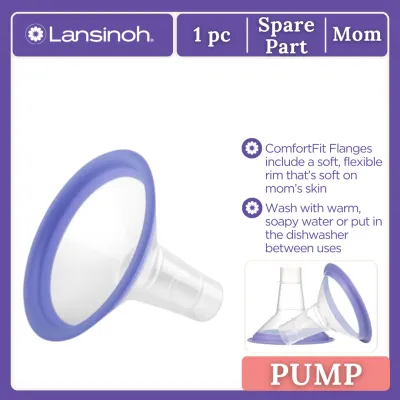
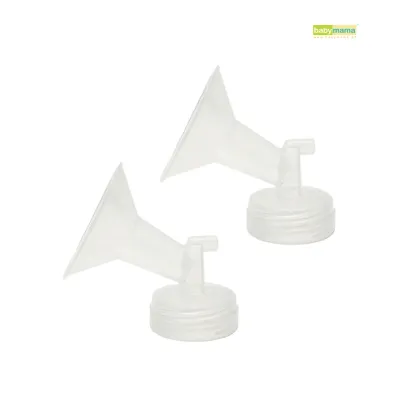
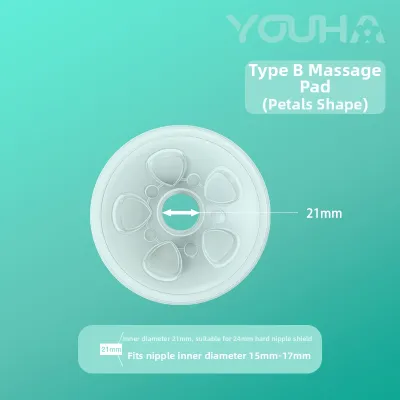
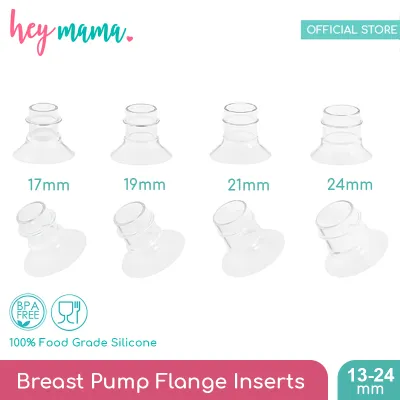
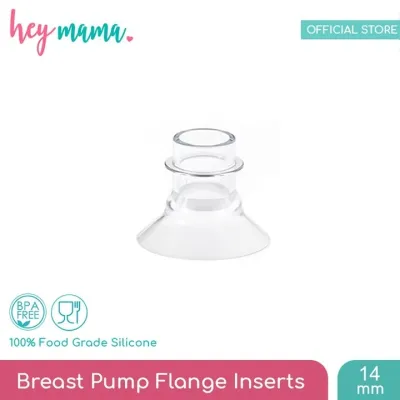
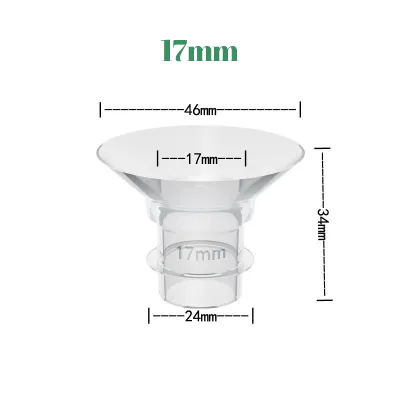
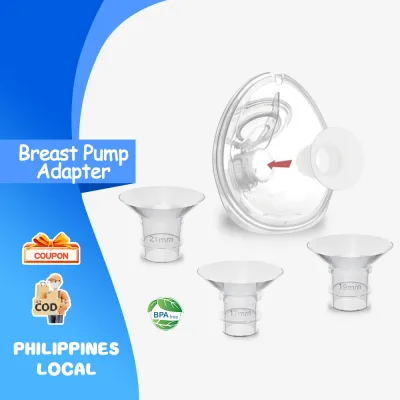
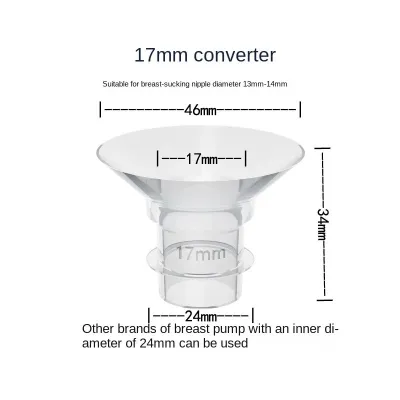
Prices are valid at publication and may change. Please refer to the product page for the latest price.
Essential Tools for Accurate Nipple Measurement
Obtaining a precise measurement requires the right tools, as guessing your size based on bra size or visual estimation is highly inaccurate. The most reliable tool is a specialized nipple measuring ruler, which is often made of flexible silicone or plastic and features pre-cut circular holes labeled in millimeters. Alternatively, you can download and print a paper sizing guide from your breast pump manufacturer’s official website, ensuring you print it at 100% scale to maintain dimensional accuracy.

Avoid using rigid metal rulers, stiff plastic school rulers, or standard household tape measures. These tools cannot contour to the natural curve of your breast, making it incredibly difficult to align the starting point with the exact edge of your nipple base. Because you need to look closely at the base of the nipple from a straight-on angle, having a standing mirror or asking a partner for assistance can significantly improve your accuracy. If you are printing a paper guide, always verify the scale using a standard coin or a physical ruler before taking your measurements, as printer settings can sometimes shrink the template.
Step-by-Step Guide to Measuring Your Nipple Diameter
When and How to Measure
To find the most accurate baseline, you must measure the diameter of the nipple at its very base—the exact point where the nipple tissue rises away from the flatter, darker areola. It is vital to exclude the areola entirely from this measurement, as the flange tunnel is designed to accommodate only the nipple itself. Measuring the areola will lead to choosing a flange that is far too large, which will compromise suction and cause pain during your pumping sessions.
The timing of your measurement also plays a significant role in accuracy. Aim to measure when your nipples are in a natural, unstimulated state, ideally before you begin a pumping session or when your breasts are not heavily engorged with milk. Extreme engorgement can flatten or temporarily distort the shape of the nipple base, leading to an incorrect reading. Gently hold your chosen measuring tool up to your breast, placing the circular cutout or the ruler’s millimeter scale directly across the center of the nipple’s base. Ensure you do not press the tool firmly into your breast tissue, as compressing the surrounding skin can obscure the true boundary of the nipple base.
Reading and Recording the Measurement
Always record your measurements in millimeters (mm), as breast pump flanges are universally sized using this unit of measurement. Standard sizing increments are precise, often changing by just 1 to 3 millimeters between sizes, so rounding to the nearest centimeter or using inches will not provide the accuracy you need. Take your time to align the zero mark of the ruler with one side of the nipple base and read the number directly across to the opposite edge.
It is absolutely essential to measure both the left and right nipples individually and record each measurement separately. Bodily asymmetry is incredibly common, and many mothers find that their left and right nipples require completely different flange sizes to pump comfortably. To ensure your readings are consistent, repeat the measurement process two or three times on each side. If you notice a variance between your readings, use the average of the consistent numbers as your starting baseline.
Translating Your Measurement into the Right Flange Size
Once you have your baseline nipple measurement in millimeters, you must convert this number into a corresponding flange size. The standard clinical guideline is to add 1 to 3 millimeters to your raw nipple diameter. This extra space acts as a safety margin, allowing your nipple room to expand, stretch, and swell slightly under the vacuum pressure of the pump without rubbing against the hard plastic walls of the tunnel. For example, if your nipple base measures 17 mm, your calculated starting flange size for breast pump use would typically be 19 mm or 21 mm.
However, this calculation is only a starting point, and you must cross-reference your measurements with the specific sizing chart provided by your breast pump’s manufacturer. Different brands design their flanges with unique tunnel lengths, slope angles, and material compositions, meaning a size 24 mm flange from one brand may fit differently than a 24 mm flange from another. Always review the manufacturer’s user manual or official website for their specific sizing recommendations and compatibility guidelines.
Additionally, keep in mind that breast tissue elasticity varies greatly from person to person. Some mothers have highly elastic tissue that stretches easily under suction, which may require a slightly snugger fit to prevent too much areola from entering the tunnel. Because of these physical variations, you should view your calculated size as a highly educated starting point that you will need to test and verify under active suction.
How to Tell if Your Flange Fits Correctly During Pumping
The true test of your flange size occurs when the breast pump is turned on and operating at your comfortable vacuum level. When the flange fits correctly, you will see your nipple centering cleanly within the tunnel, moving back and forth freely without rubbing against the sides. The movement should look smooth and unobstructed, with only a very minimal amount of the areola—or none at all—being drawn into the entrance of the tunnel.
From a sensory perspective, active pumping should never feel painful, sharp, or pinching. You should feel a gentle, rhythmic pulling sensation as the suction mimics your baby’s latch. After a typical pumping session of 15 to 20 minutes, your breasts should feel noticeably lighter, softer, and completely empty of milk. Successful, consistent milk let-downs and a steady milk output are excellent secondary indicators that your flange is creating the optimal physiological environment for milk expression.
Troubleshooting: When to Change Your Flange Size
If you experience discomfort or notice a drop in your milk expression, it is time to reassess your flange size. A flange that is too small will cause your nipple to rub constantly against the tunnel walls, leading to redness, friction burns, or a white ring at the base of the nipple. You might also notice that your milk flows slowly or stops prematurely because the narrow tunnel is compressing your milk ducts.
On the other hand, if your flange is too large, you will observe a significant portion of your areola being pulled deep into the tunnel with every suction cycle. This can cause the tissue around your nipple to swell, turn purple or red, and develop painful blisters. You may also experience poor suction, requiring you to constantly press the pump against your breast to maintain a seal, which can leave your breasts feeling heavy and unemptied even after a long session.
If you experience persistent pain, bleeding, or suspect you have developed tissue damage, stop pumping immediately and consult a professional. Reach out to an International Board Certified Lactation Consultant (IBCLC) or your healthcare provider in the Philippines for personalized guidance. They can evaluate your pumping setup, assess your breast anatomy, and help you find a comfortable solution to protect your lactation journey.
Frequently Asked Questions (FAQ)
Do nipple sizes change during the breastfeeding journey?
Yes, it is entirely normal for your nipple size to change at various points throughout your breastfeeding experience. In the early postpartum weeks, your breasts may experience significant engorgement, and your nipples may expand as your milk supply stabilizes. As your body adjusts over the months, or when you begin weaning, your nipple diameter may shrink. It is highly recommended to remeasure your nipples every few months, or immediately if you begin to experience new discomfort or a sudden decrease in your pumping output.
Can I use the same flange size for both breasts?
While many mothers can use the same size on both sides, it is very common to require a different flange size for each breast. Forcing a single flange size onto both breasts when they are asymmetric can lead to poor milk extraction and unnecessary pain on one side. Always measure each side independently and purchase individual flanges or adapters that match the specific requirements of each breast to ensure a comfortable and highly efficient pumping experience.

Community discussion
Share your experience or ask a question. Comments are reviewed before publication.