
The choice of a feeding bottle cleanser brush depends entirely on your bottle’s material. Glass bottles pair exceptionally well with firm nylon bristle brushes because glass resists scratching. Plastic bottles require soft sponge or gentle silicone brushes to prevent micro-scratches that harbor bacteria. Silicone bottles, which naturally attract oily milk fats, benefit from high-density sponges or textured silicone brushes that can lift residue without damaging the soft surface.
In warm, humid tropical climates like the Philippines, choosing the right brush is not just about preventing scratches; it is also about ensuring the tool dries quickly to prevent mold and bacterial growth. Balancing effective milk residue removal with the physical limits of your bottle’s material keeps your baby’s feeding gear hygienic and long-lasting. By understanding how different brush materials interact with glass, plastic, and silicone, you can establish a safe, efficient cleaning routine that protects your investment in quality feeding bottles.
Understanding Brush Head Materials and Their Cleaning Traits
Before matching a brush to your bottles, it is essential to understand the distinct characteristics of the three primary brush head materials: sponge, silicone, and nylon bristles. Each material offers a unique balance of scrubbing power, surface gentleness, and drying speed. Selecting the wrong material can lead to premature wear on your bottles or create a breeding ground for bacteria.
Products mentioned in this guide

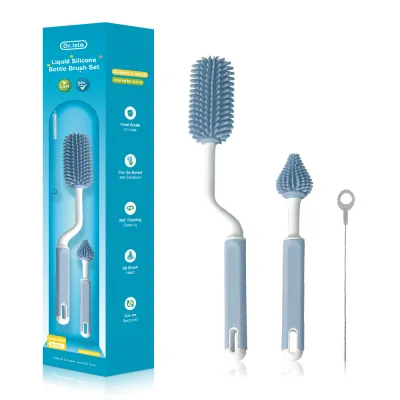

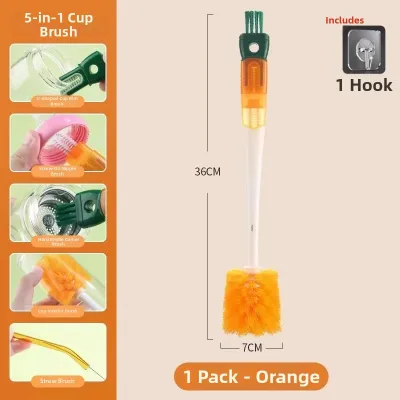

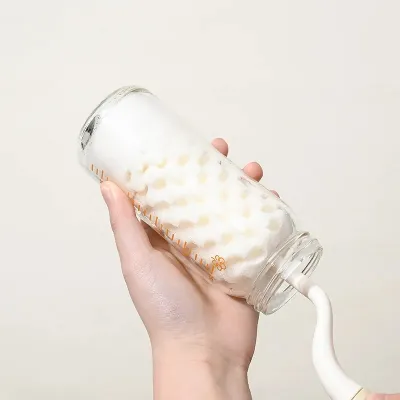
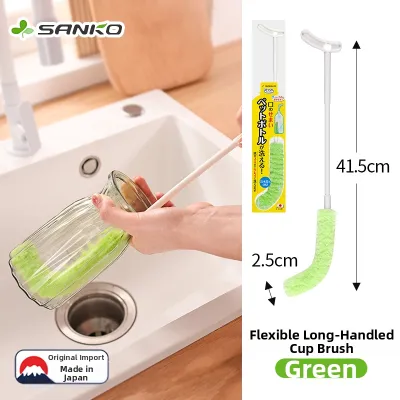
Prices are valid at publication and may change. Please refer to the product page for the latest price.
Sponge brush heads are known for their high water absorption and ability to generate a rich lather with a small amount of feeding bottle cleanser. They are incredibly soft, making them exceptionally gentle on delicate surfaces. However, sponges require meticulous care. In high-humidity environments, sponges dry slowly, which can lead to sour odors, mold buildup, or bacterial growth if they are not squeezed out thoroughly and stored in a well-ventilated area.
Silicone brush heads have gained popularity due to their durability and hygienic properties. Made from non-porous material, they do not absorb water, allowing them to dry rapidly and resist mold growth. They are gentle on all bottle interiors and do not scratch delicate surfaces. The trade-off is that silicone bristles are highly flexible and do not absorb liquid, meaning they may require more physical scrubbing effort and a high-quality cleanser to cut through stubborn, dried-on milk fat.
Nylon bristle brushes offer the highest level of scrubbing power. The stiff bristles easily dislodge dried-on formula or breast milk from tight corners and crevices. While highly effective at removing tough residue, nylon bristles carry a higher risk of creating micro-scratches on softer materials. Understanding these traits allows you to make an informed decision based on the specific bottles you use daily.
Matching Brushes to Glass Bottles
Glass feeding bottles are highly durable and scratch-resistant, making them the most forgiving material when it comes to scrubbing. Because glass can withstand vigorous cleaning, you can safely use firmer nylon bristle brushes. These bristles are excellent for removing stubborn, baked-on milk residue that often clings to the bottom and curved shoulders of the bottle.

While nylon bristles are highly effective for tough cleaning jobs, sponge or silicone heads are also suitable for daily, light cleaning of glass bottles. Softer brush heads are less likely to splash soapy water out of the bottle neck during vigorous scrubbing, keeping your sink area cleaner. If you prefer a quieter, splash-free cleaning experience, a high-density sponge brush is an excellent alternative for glass.
When choosing a brush for glass bottles, pay close attention to the tip design. Look for a brush with bristles or sponge wrapping around the very end. This ensures the brush can reach the bottom corners and curved shoulders of the bottle without leaving blind spots where milk residue can accumulate and spoil.
Matching Brushes to Plastic Bottles
Plastic feeding bottles, such as those made of polypropylene (PP) or polyphenylsulfone (PPSU), are lightweight and shatterproof, but they have relatively soft interior surfaces. You must avoid stiff nylon bristles when cleaning plastic bottles. Nylon can easily create micro-scratches on the plastic interior. Over time, these tiny scratches trap milk fats, proteins, and odors, making the bottle difficult to sanitize and increasing the risk of bacterial contamination.
To protect the smooth finish of plastic bottles, opt for high-density sponge or soft silicone brush heads. These materials glide smoothly over the plastic surface, lifting away residue through gentle friction rather than abrasive scrubbing. A soft sponge brush is particularly effective at creating a thick lather that lifts oils away from plastic without causing physical wear.
Inspect your plastic bottles regularly under bright light. If you notice deep scratches, persistent cloudiness, or a lingering sour smell even after thorough washing, it is time to replace the bottle. Transitioning to a gentler brush, such as a silicone brush, can help prevent this type of wear on your next set of plastic bottles.
Matching Brushes to Silicone Bottles
Silicone feeding bottles are popular for their soft, squeezable texture that mimics breastfeeding, but they present unique cleaning challenges. While silicone is highly scratch-resistant, its surface is slightly tacky. This texture means it naturally holds onto oily milk fats and stubborn odors more than glass or hard plastic, requiring a targeted cleaning approach.
To clean silicone bottles effectively, use a firm sponge or a textured silicone brush. These tools provide enough surface friction to lift away the oily film left by breast milk or formula. Pair them with a dedicated feeding bottle cleanser designed to break down milk proteins, and use warm water to help dissolve the fats.
Ensure the brush itself is easy to rinse and clean. Because of the friction between a silicone brush and a silicone bottle, residue can sometimes transfer back onto the bottle if the brush is not thoroughly cleaned beforehand. Always rinse your brush in warm water after each use and allow it to dry completely.
Essential Features for a Complete Cleaning Routine
Beyond the brush head material, the structural design of the brush affects how easily you can clean daily. A 360-degree rotating handle or an ergonomic, non-slip grip allows you to maneuver the brush inside narrow bottle necks with minimal wrist strain. This feature is especially helpful when cleaning multiple bottles after a long day.
A complete cleaning routine requires a dedicated, smaller nipple brush. Teats, valves, and anti-colic vents have tiny crevices where milk easily pools and spoils. A standard bottle brush is too large for these parts, so a slim, contoured nipple brush is essential to prevent blockages and bacterial buildup. Many bottle brushes feature an integrated nipple brush stored inside the handle for convenience.
Storage is critical for hygiene, especially in humid climates. Look for brushes with a built-in hanging loop or a stable, suction-cup stand. This allows the brush to dry completely in the open air, preventing water from pooling at the base of the bristles or sponge, which can encourage bacterial growth.
When to Replace Your Bottle Brush
No bottle brush lasts forever, and using a worn-out brush compromises your cleaning efforts. For sponge heads, replace them immediately when they start tearing, losing their shape, or retaining a sour smell even after washing and drying. Damaged sponges cannot clean effectively and can harbor bacteria.
Silicone heads are highly durable but still require monitoring. Replace your silicone brush if the bristles become discolored, develop a sticky film that does not wash off, or show signs of tearing at the edges.
For bristle brushes, look out for splayed, flattened, or missing bristles. If the bristles start shedding into the bottle during use, or if the metal wire core becomes exposed, discard the brush immediately to prevent scratching your bottles or leaving debris behind.
Frequently Asked Questions (FAQ)
Can I use the same brush for both glass and plastic bottles?
Using a stiff bristle brush on both glass and plastic is not recommended. While the bristles will not harm the glass, they can easily transfer microscopic wear and create deep scratches on the softer plastic interior. If you use both bottle types, it is best to keep separate brushes or use a universally safe soft silicone or high-density sponge brush that protects plastic while still cleaning glass effectively.
How should I sanitize my feeding bottle cleanser brush?
Always check the manufacturer’s label for heat tolerance before attempting to sanitize your brush. Some silicone and high-quality plastic brushes can withstand boiling water or steam sterilizers, but many sponge brushes or those with glued handles will melt, warp, or degrade under high heat. For heat-sensitive brushes, washing thoroughly with warm soapy water, rinsing completely, and allowing them to air-dry in a well-ventilated area is the safest way to maintain hygiene.

Community discussion
Share your experience or ask a question. Comments are reviewed before publication.