
Choosing the right bottle cleaning brush depends entirely on the material of your baby’s bottles. There is no single universal brush; instead, an optimal choice balances effective cleaning power with the need to prevent surface damage that could harbor bacteria. For durable glass bottles, firmer bristles can tackle stubborn milk residue, while softer silicone or sponge brushes are necessary to protect plastic and silicone bottles from micro-scratches.
In the warm, humid climate of the Philippines, moisture control is a constant challenge. Leftover milk residue combined with high humidity creates an ideal environment for bacterial growth, making the choice of brush and its drying speed a vital decision for daily hygiene. By matching your brush to your bottle material, you can keep your baby’s feeding gear clean and safe.
Identifying Brush Bristle Types for Different Bottle Materials
Understanding the characteristics of common brush materials is the first step in selecting the right cleaning tool. The three primary types of bottle brushes are sponge, silicone, and nylon or synthetic bristles. Each material offers a distinct balance of scrubbing power, flexibility, and drying speed.
Products mentioned in this guide
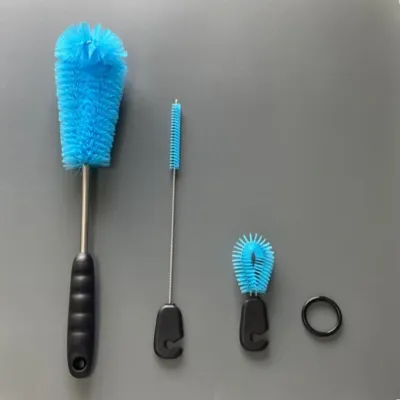

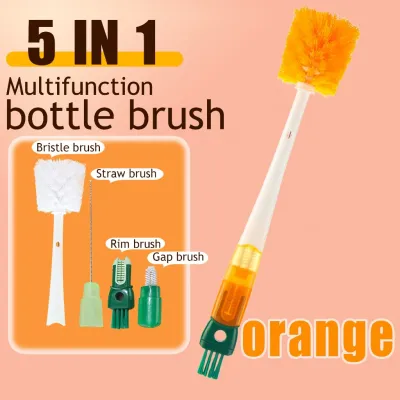
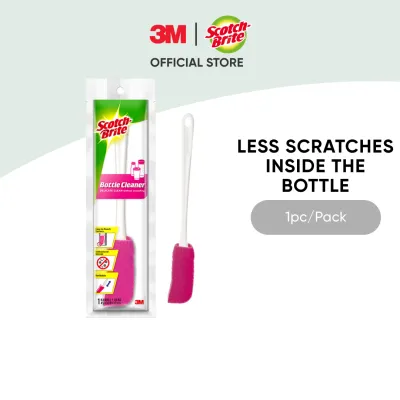
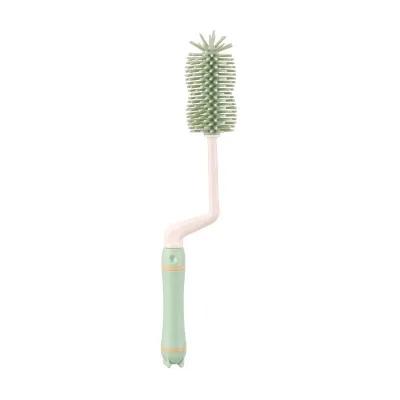
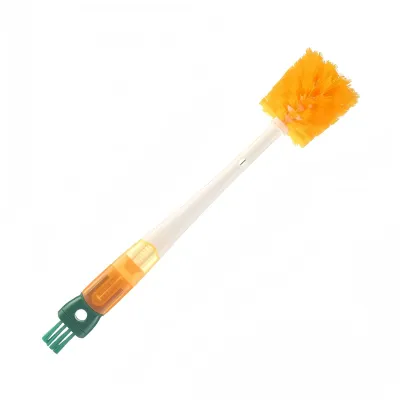
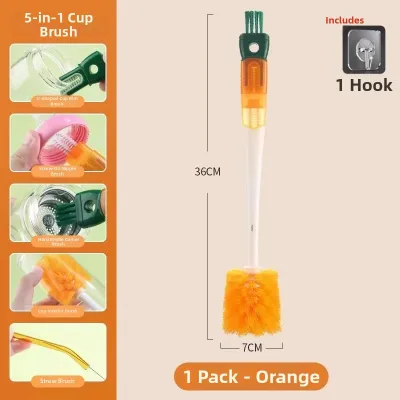
Prices are valid at publication and may change. Please refer to the product page for the latest price.
Sponge brushes are highly absorbent and excellent for creating a rich, soapy lather. They excel at wiping away the oily film that milk leaves behind, especially on smooth surfaces. However, sponges dry slowly, particularly in humid environments, which can make them more susceptible to harboring bacteria. They also tend to tear or degrade faster than other materials.
Silicone brushes feature soft, flexible rubber-like bristles that do not absorb water. This non-porous nature allows them to dry quickly, making them highly hygienic and resistant to mold. While they are gentle on surfaces, they do not generate as much lather as sponges and may require a bit more effort to scrub away dried, stubborn milk residue.
Nylon or synthetic bristle brushes offer strong scrubbing power. The stiff bristles are durable and can easily dislodge dried-on milk from tight corners. However, this firmness comes with a risk. On softer bottle materials, stiff bristles can create microscopic scratches that ruin the bottle’s finish and create hiding spots for bacteria.
Before purchasing any brush, always check the manufacturer’s label for material composition and intended use. Many modern brushes are hybrid designs, featuring a silicone or nylon body with a sponge tip. While these hybrids offer combined benefits, they require specific care routines to ensure the sponge portion dries thoroughly and does not trap moisture.
Choosing the Right Brush for Glass Bottles
Glass baby bottles are durable, chemical-resistant, and naturally resistant to scratching. Because glass has a hard, non-porous surface, it can tolerate firmer nylon or synthetic bristle brushes. This allows you to scrub vigorously to remove stubborn milk fat and dried residue without worrying about damaging the interior.

Although glass is tough against scratches, it is vulnerable to impact. When choosing a brush for glass bottles, check the tip of the brush handle. Ensure there is a protective silicone cover, a soft plastic tip, or a cluster of bristles wrapping around the very end. A bare metal wire or hard plastic tip can strike the bottom of the glass bottle during vigorous scrubbing, which can cause micro-cracks or immediate breakage.
You should also verify the brush head size before buying. Standard glass bottles often have narrower necks compared to wide-neck plastic varieties. The brush head must be flexible enough to compress as it passes through the narrow neck, yet resilient enough to expand and reach the wider shoulders and base of the bottle.
Always inspect your glass bottles before each cleaning session. Look closely for any existing chips, hairline cracks, or deep scratches under a bright light. Vigorous scrubbing on a compromised glass bottle can cause it to shatter in your hands, posing a safety risk to the caregiver.
Selecting a Safe Brush for Plastic Bottles
Plastic baby bottles are lightweight, shatterproof, and highly convenient, but their surface is relatively soft. Hard nylon bristles can easily abrade the plastic, creating microscopic scratches over time. These tiny grooves are problematic because they can trap milk proteins, moisture, and bacteria, making the bottle difficult to sanitize effectively.
To protect plastic bottles from surface wear, soft silicone brushes or high-density sponge brushes are generally preferred. These materials glide smoothly over the plastic surface, cleaning effectively without leaving abrasive marks. They help maintain the smooth, clear finish of the plastic for a longer period.
Parents should perform regular visual and tactile checks to identify wear on plastic bottles. Hold the bottle up to a bright light and inspect the interior. If you notice cloudiness, fine lines, deep scratches, or if the bottle retains a persistent sour odor even after thorough washing, it is time to replace the bottle itself.
When choosing between silicone and sponge for plastic, consider the trade-offs. Silicone is highly hygienic and dries rapidly in tropical humidity, but it may require more effort to cut through greasy milk film. Sponges excel at absorbing oils and creating a rich lather, but they must be monitored closely for tearing and replaced frequently to prevent bacterial buildup.
Always consult the bottle manufacturer’s specific cleaning warnings. Some brands explicitly state that using abrasive tools or stiff-bristled brushes will void their warranty or damage the integrated venting systems. Following these guidelines ensures you do not inadvertently compromise the bottle’s safety features.
Cleaning Silicone Bottles Without Damage
Silicone baby bottles are popular for their soft, squeezable texture, but they have unique physical properties that require specialized care. Silicone naturally carries a slight static charge, which can attract dust, lint, and hair from the surrounding environment. Additionally, the material tends to hold onto milk fats and oils more stubbornly than glass or plastic.
Cleaning silicone bottles requires a thorough but gentle approach. Soft silicone brushes or specialized non-abrasive sponges are ideal because they glide smoothly over the flexible walls without catching or tearing the material. Avoid any brushes with exposed metal wires or sharp plastic edges, as these can easily puncture or slice through the soft silicone.
Because silicone bottles are flexible, they can deform slightly when you grip them. If you use a brush with a stiff, unyielding handle, pressing too hard can concentrate force on a single spot, risking damage. Look for brushes with flexible necks or fully cushioned heads that distribute pressure evenly along the bottle’s curved walls.
Complete air-drying is critical for maintaining silicone bottles. In humid climates, moisture trapped inside a flexible silicone bottle can quickly lead to musty odors or mold growth. After washing, place the bottles on an elevated drying rack in a well-ventilated area, ensuring they are positioned to allow maximum airflow inside.
Always cross-reference the labels on both your brush and your silicone bottles. Ensure that any bottle cleansers or sanitizing solutions you use are fully compatible with food-grade silicone. Some harsh chemicals or essential-oil-based soaps can degrade the silicone, making it sticky, discolored, or prone to absorbing unwanted scents.
Essential Design Features to Verify Before Buying
Beyond the bristle material, several structural and ergonomic features determine how effectively a bottle brush will perform in your daily routine. First, evaluate the handle length and grip design. The handle must be long enough to reach the bottom of your tallest bottles comfortably, and a textured, non-slip grip is essential to keep the brush from slipping out of soapy hands.
Check for 360-degree cleaning capabilities. Look for brushes with angled bristles at the tip, a curved head, or a flexible neck. These design elements allow the brush to conform to the bottle’s internal contours, ensuring you can easily clean the collar threads, narrow shoulders, and bottom corners where milk residue tends to accumulate.
Verify how the brush is designed to dry and be stored between uses. A built-in hanging loop, a suction cup base, or a dedicated standing base is highly beneficial. These features keep the brush head elevated off dirty countertop surfaces and promote proper air circulation, which is vital for quick drying in humid climates.
Assess the durability of the connection point between the brush head and the handle. Brushes with poorly secured bristles or weakly glued sponge heads can shed or break apart during vigorous scrubbing. Look for integrated designs where the cleaning head is molded directly onto or securely locked into the handle.
Many bottle brushes include a smaller, integrated nipple brush, often stored inside the handle. Verify that this smaller brush is made of a soft material, such as silicone or fine sponge, to clean delicate bottle nipples without stretching or tearing the feeding holes.
Maintaining Brush Hygiene and Knowing When to Replace
A bottle cleaning brush is only as clean as its maintenance routine. Immediately after each use, rinse the brush thoroughly under warm running water to flush out all traces of milk residue and soap. Shake off excess water vigorously and place the brush in an upright position or hang it in a well-ventilated area to dry completely.
Before attempting to sanitize your brush, check the manufacturer’s heat tolerance labels. Some silicone and high-quality plastic brushes can withstand boiling, steaming, or being placed on the top rack of a dishwasher. However, many sponge brushes and low-heat plastic handles will melt, warp, or degrade if exposed to high temperatures.
Monitor your brush daily for observable signs of wear. Replace the brush immediately if you notice frayed or splaying bristles, tearing or crumbling sponges, a bent or cracked handle, or a persistent sour odor that remains after washing. Using a worn-out brush reduces cleaning efficiency and can introduce bacteria to your baby’s bottles.
To prevent cross-contamination, keep a dedicated bottle cleaning brush solely for baby feeding gear. Avoid using the baby bottle brush to clean general household dishes, greasy pots, or kitchen sinks. Store it separately from standard kitchen sponges to ensure it remains clean and hygienic.
Frequently Asked Questions (FAQ)
Can I use the same brush for both glass and plastic bottles?
While it is physically possible to use one brush for both, it is generally not recommended if you are using a firm bristle brush. A firm brush suited for glass can easily scratch plastic bottles. If you must use a single brush, choose a soft silicone brush, which is gentle enough for plastic but safe for glass, though you may need to apply more effort to remove stubborn residue from the glass. Alternatively, keeping separate brushes ensures each bottle material is cleaned with the most effective and safest tool.
How often should I replace my bottle cleaning brush?
There is no fixed calendar date for replacing a bottle brush, as it depends heavily on usage frequency, material quality, and how well it is maintained. Instead, rely on physical indicators of wear. Replace sponge brushes immediately when they begin to tear, crumble, or lose elasticity. For silicone or nylon brushes, replace them if the bristles become permanently bent, splayed, or if the brush develops a persistent sour smell that does not go away after thorough cleaning and drying.
Are silicone bottle brushes more hygienic than sponge brushes?
Silicone brushes are generally considered more hygienic because silicone is non-porous, water-resistant, and dries much faster than sponge material. This rapid drying is particularly advantageous in humid climates, as it discourages bacterial growth. Sponge brushes, while highly effective at absorbing soapy water and wiping away oily milk film, remain damp for much longer, creating a more favorable environment for microbes if not dried properly. Regardless of the material, regular rinsing, proper air-drying, and replacing the brush at the first sign of wear are the most critical factors in maintaining hygiene.

Community discussion
Share your experience or ask a question. Comments are reviewed before publication.