
Selecting the right cleaning tool for your baby’s feeding gear is a critical step in maintaining daily hygiene and extending the lifespan of your bottles. The ideal brush type depends directly on whether your bottles are made of glass, plastic, or silicone. Using an incompatible brush can create microscopic scratches on softer surfaces, which easily trap milk proteins, moisture, and bacteria. By matching the physical properties of sponge, silicone, or bristle brushes to your specific bottle material, you can ensure thorough cleaning without causing structural wear. Investing in a versatile tumbler cleaner brush set that includes specialized attachments allows you to clean every nipple, straw, and bottle neck safely and efficiently.
Comparing Common Bottle Brush Materials
Understanding the distinct characteristics of each brush material is the first step toward establishing a safe cleaning routine. Each material offers unique advantages in terms of scrubbing power, flexibility, and drying times, but they also come with specific maintenance requirements that caregivers must manage.
Sponge brushes are highly valued for their exceptional absorbency and rich lathering capability. When paired with liquid dish soap, a sponge head creates a dense foam that easily lifts oily milk residue from smooth surfaces. The soft, yielding texture of a sponge ensures gentle contact, making it highly unlikely to scratch delicate surfaces. However, sponges require meticulous care, especially in warm, humid environments like the Philippines. Because sponge material retains water deep within its pores, it can become a breeding ground for bacteria and mold if it is not allowed to dry completely in a well-ventilated area after every use.
Products mentioned in this guide
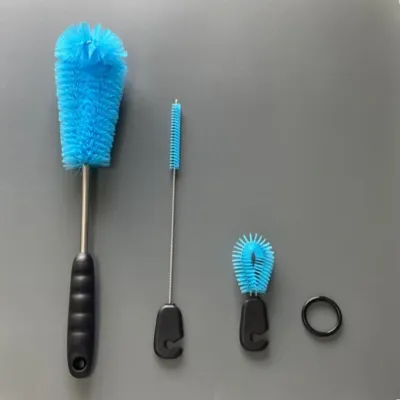
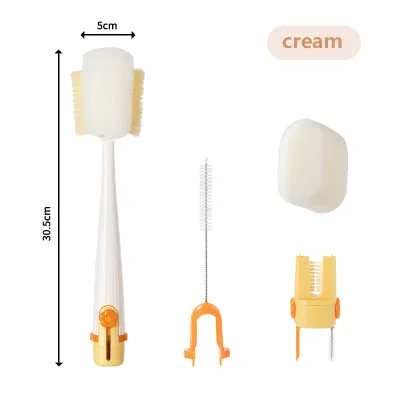

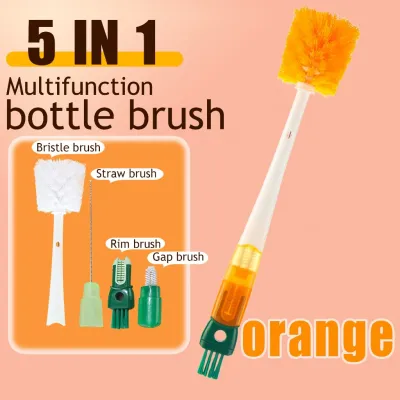
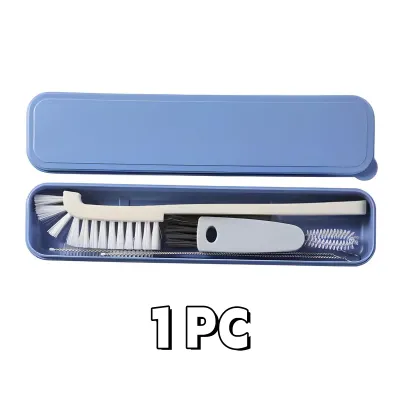
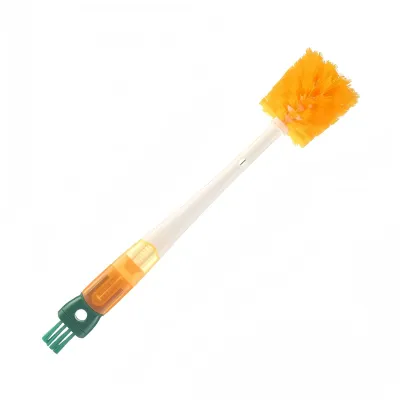
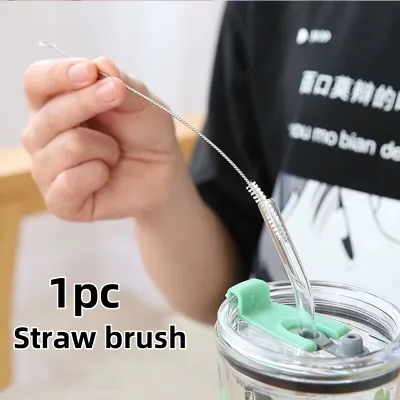

Prices are valid at publication and may change. Please refer to the product page for the latest price.
Silicone brushes have gained popularity as a highly hygienic alternative to traditional cleaning tools. Made from non-porous, flexible polymers, silicone bristles do not absorb water, allowing them to dry almost instantly after a quick rinse. This rapid-drying property significantly reduces the risk of microbial growth and unpleasant odors. While silicone is exceptionally gentle and virtually scratch-free, caregivers should inspect the brush head to ensure the scrubbing texture is pronounced enough to dislodge stubborn, dried-on milk film. Some silicone models may require a bit more physical effort or a specialized cleaning solution to lift dried residue compared to their high-friction sponge counterparts.
Bristle brushes, typically constructed from nylon or natural fibers, offer the strongest scrubbing action of the three types. The stiff, densely packed bristles are highly effective at reaching into tight corners and scraping away dried milk deposits with minimal effort. This makes them highly efficient for heavy-duty cleaning tasks. However, this aggressive scrubbing power comes with a trade-off. The stiffness of nylon bristles can easily cause micro-scratches on softer materials. Additionally, many bristle brushes feature a central metal wire core; if this wire becomes exposed due to wear, it can scrape against the bottle walls and cause permanent damage.
Matching Brushes to Glass, Plastic, and Silicone Bottles
To preserve the integrity of your baby’s bottles, you must pair the brush material to the specific physical properties of the bottle itself. Each bottle material reacts differently to friction, pressure, and moisture, requiring a tailored approach to daily washing.

Glass bottles are highly durable, heat-resistant, and naturally resistant to scratching, making them a popular choice for many households. Because glass has a hard, non-porous surface, it can withstand a wider variety of brush types, including stiffer nylon bristles. However, caregivers must still verify the bottle manufacturer’s guidelines. Even though glass is tough, applying excessive force with a stiff bristle brush—especially one with an exposed metal tip—can cause internal chipping or weaken the glass over time. For glass bottles, a high-absorbency sponge brush or a soft bristle brush is often ideal, as they glide smoothly over the slick surface and easily lift away milk fats.
Plastic bottles, usually made from polypropylene or polyphenylsulfone, are lightweight and shatterproof but are highly susceptible to surface damage. Over time, even minor friction can create micro-scratches on the inner walls of a plastic bottle. These tiny crevices are highly problematic because they can trap microscopic milk particles and bacteria, making the bottle difficult to sterilize effectively. To minimize surface degradation, you should use soft sponge or silicone brushes on plastic bottles. Regularly inspect the interior of your plastic bottles under a bright light; if you observe deep scratches, cloudiness, or a persistent odor, stop using the bottle immediately and replace it.
Silicone bottles are prized for their soft, squeezable texture and natural feel, but their pliable walls require gentle handling. Stiff bristles can easily tear or degrade the soft silicone surface, especially around the collar and base. Always check the care labels provided by the manufacturer before cleaning. Generally, soft silicone brushes or gentle sponge brushes are recommended for these bottles. Because silicone surfaces can sometimes attract lint and dust, using a matching silicone brush helps maintain a clean, lint-free finish while protecting the bottle from physical wear.
When establishing your cleaning routine, a clear decision framework can help you choose the right tools. If your primary goal is quick drying, long-term hygiene, and scratch prevention, a silicone brush is the most suitable option. If you prioritize high absorbency and rich lathering to clean glass bottles quickly, a sponge brush is highly effective. Regardless of your preference, always verify first whether your bottle manufacturer specifies a restricted brush type or cleaning method to avoid voiding warranties or damaging the product.
Evaluating Multi-Piece and Tumbler Cleaner Brush Sets
As your baby grows, their feeding equipment will inevitably change, transitioning from standard infant bottles to sippy cups, straw cups, and eventually family drinkware. Investing in a comprehensive tumbler cleaner brush set can provide long-term practical value by adapting to these changing household needs.
When assessing your household needs, consider whether a multi-piece set offers the specific tools required for your current feeding stage. A standard bottle brush is rarely sufficient on its own; you often need specialized attachments to clean smaller components. A high-quality tumbler cleaner brush set typically includes a long main brush, a slim straw brush, a dedicated nipple cleaner, and small detail tools. These attachments are invaluable for cleaning the narrow valves of anti-colic bottles, the silicone straws of toddler cups, and even the insulated travel tumblers used by older siblings and parents.
The physical design of the brush handle and shaft is another critical factor to evaluate. Look for a brush with an ergonomic, non-slip grip that remains secure even when your hands are wet and soapy. The handle length must be sufficient to reach the very bottom of your deepest bottles and travel mugs without requiring you to force your hand inside. Additionally, the shaft should offer a balance of flexibility and structural strength; it must bend slightly to navigate curved bottle shoulders but remain rigid enough to apply targeted pressure when scrubbing the bottom corners.
Storage and hygiene are equally important considerations for any brush set. Because wet brushes can quickly harbor bacteria, look for sets that include a dedicated drying stand, a hanging loop, or a ventilated storage case. Keeping the brushes upright and separated from other kitchen utensils allows air to circulate freely around the brush heads, promoting rapid drying. This is particularly crucial in tropical climates where high humidity can delay drying times and encourage mold growth on damp surfaces.
Safe Cleaning Practices and When to Replace Brushes
Even the highest-quality brush set requires proper maintenance to remain safe and hygienic for daily use. Implementing a consistent care routine and knowing when to discard worn tools will protect your baby from potential contamination.
Routine maintenance should always begin with a thorough rinse. After each cleaning session, rinse the brush head under warm, running water to remove all traces of soap and milk residue. Shake off excess water and place the brush in an upright position in a well-ventilated area to dry. Avoid storing damp brushes in closed cupboards or crowded sink caddies, as restricted airflow promotes bacterial colonization. Always follow the specific washing and drying instructions provided by the brush manufacturer.
Caregivers must inspect cleaning brushes regularly for observable signs of wear and tear. Over time, sponge heads may begin to tear, crumble, or discolor, while nylon bristles can fray, bend, or fall out. If you notice any tearing, loose bristles, persistent sour odors, or visible black spots indicating mold, replace the brush immediately. Using a degraded brush not only reduces cleaning efficiency but also risks introducing physical debris or harmful mold spores into your baby’s feeding equipment.
Before attempting to sanitize your cleaning tools, verify the heat tolerance of the brush materials. While some silicone brushes can withstand boiling water or steam sterilization, many mixed-material brushes—especially those with plastic handles, glue points, or sponge components—will melt, warp, or degrade under high heat. If you use a UV sterilizer, check if the brush manufacturer explicitly approves UV exposure, as prolonged UV light can degrade certain plastics and rubbers. If the materials are not heat-resistant, stick to washing them thoroughly with warm, soapy water and allowing them to air dry completely.
Frequently Asked Questions (FAQ)
Can I use the same brush for both baby bottles and adult tumblers?
To maintain optimal hygiene, it is highly recommended to dedicate specific brushes exclusively to your baby’s feeding items. Sharing a single brush between adult coffee mugs, travel tumblers, and baby bottles increases the risk of cross-contamination from strong food odors, oils, and bacteria. If you purchase a multi-piece tumbler cleaner brush set, consider color-coding the tools or keeping a designated set strictly for infant care to ensure a sanitary barrier.
How often should I replace my baby bottle brush set?
Rather than relying solely on a fixed calendar timeline, you should base your replacement schedule on observable wear and material degradation. Inspect your brushes weekly for signs of fraying bristles, tearing sponges, persistent odors, or mold. Generally, sponge brushes require more frequent replacement due to their high moisture retention, while high-quality silicone brushes typically last longer. Always follow the manufacturer’s recommended lifespan guidelines for your specific model.
Are natural bristle brushes safer than nylon for plastic bottles?
Any stiff bristle, whether made from natural fibers or synthetic nylon, carries a risk of causing micro-scratches on soft plastic surfaces. The safety of the brush depends more on the physical softness of the bristles and the force applied during scrubbing than on whether the material is natural or synthetic. Before using any bristle brush on plastic, check the brush’s stiffness and consult your plastic bottle’s care label to ensure compatibility.
Community discussion
Share your experience or ask a question. Comments are reviewed before publication.