
In tropical climates like the Philippines, where high humidity and warm temperatures can accelerate bacterial growth, keeping baby feeding gear pristine is a daily priority. Matching your Avent bottle brush cleaner to the specific material of your baby’s bottles—whether glass, plastic, or silicone—is essential for maintaining hygiene and extending the lifespan of your feeding equipment. The key is balancing the scrubbing power of the bristles with the scratch resistance of the bottle surface. Using an incompatible brush can lead to micro-scratches that harbor milk fats and bacteria, compromising your cleaning efforts.
Understanding Your Bottle Materials and Brush Options
Before selecting a cleaning tool, it is important to identify the exact material of your baby bottles. Avent bottles generally come in three main materials: classic glass, high-performance plastics like Polyethersulfone (PES) or Polyphenylsulfone (PPSU), and flexible silicone. Each material has a distinct level of surface hardness and responds differently to friction, moisture, and cleaning agents.
Similarly, bottle brushes are available in several configurations, primarily featuring nylon bristles, silicone bristles, or sponge heads. Nylon bristles offer robust scrubbing action but can be abrasive on softer surfaces if the bristles are stiff or worn. Silicone brushes are highly hygienic, non-porous, and gentle, though they may require more physical effort to clear dried-on milk film. Sponge brushes excel at absorbing soapy water and wiping smooth surfaces, but they can degrade quickly and trap moisture in humid environments.
Products mentioned in this guide
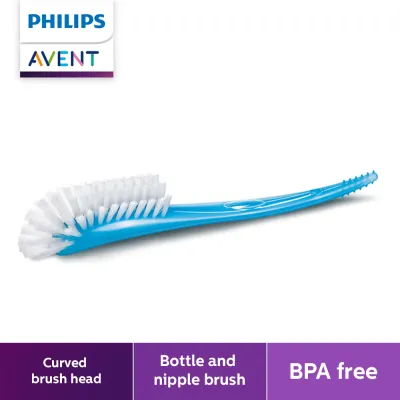
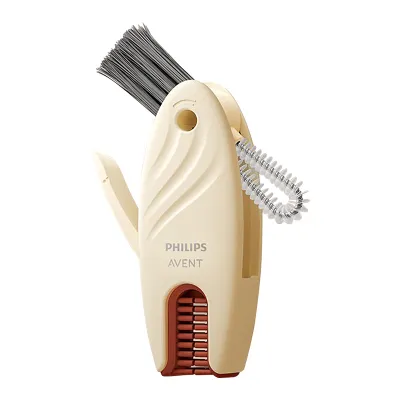
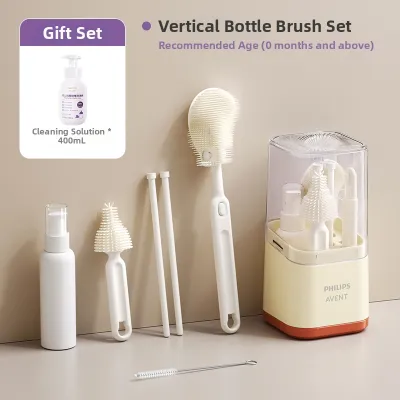
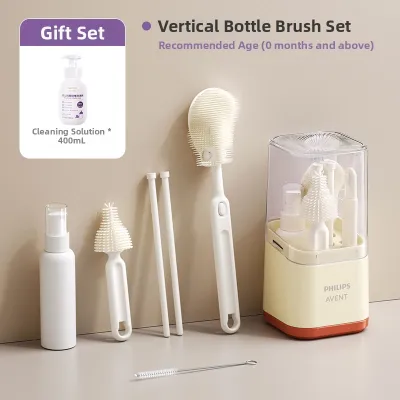
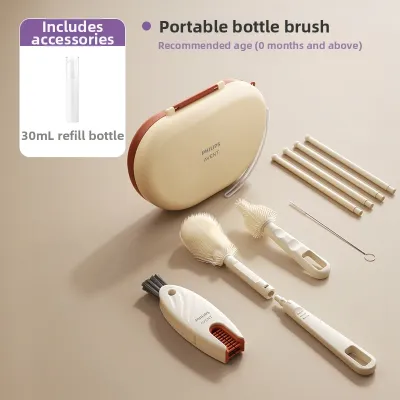
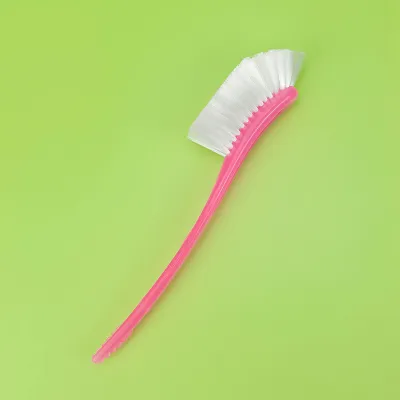
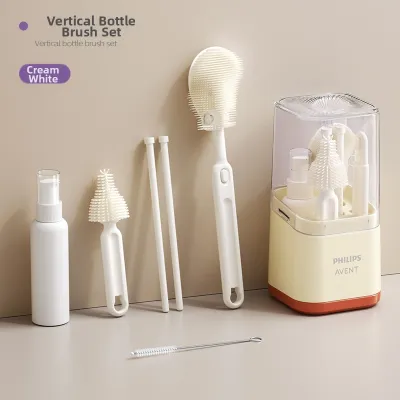
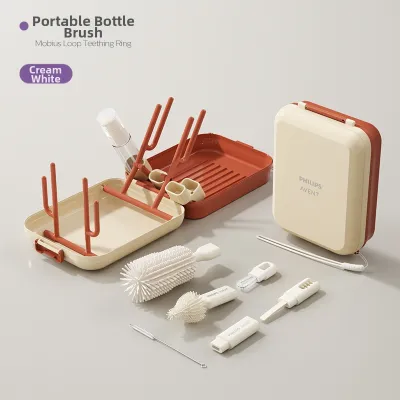
Prices are valid at publication and may change. Please refer to the product page for the latest price.
Because manufacturers frequently update their designs and material compositions, caregivers must always verify material compatibility and care instructions on the original product packaging. Checking these labels ensures you do not inadvertently void a warranty or damage a specialized coating during your daily sterilization and cleaning routines.
Matching Brushes to Glass Bottles
Glass baby bottles are highly favored for their durability, chemical inertness, and exceptional scratch resistance. Because glass surfaces are incredibly hard, they can easily accommodate firmer cleaning tools, such as traditional nylon bristle brushes. These stiff bristles are highly effective at sweeping away stubborn, dried-on milk residue from the bottom and curved shoulders of the bottle.

However, cleaning glass is not entirely without risk. Caregivers must regularly inspect their bottle brushes for exposed metal wires, bent wire cores, or severely damaged bristles. If the protective plastic or rubber tip of a wire-core brush wears away, the exposed metal can scrape against the glass interior. Over time, these metal-on-glass impacts can cause micro-chips or structural weak points, making the bottle susceptible to cracking or shattering when subjected to thermal shock during boiling or steam sterilization.
Additionally, some modern glass bottles feature external protective coatings or printed measurement markings that require gentle handling. Always consult the manufacturer’s care guidelines to verify if your specific glass bottles have thermal shock limitations or require specialized non-abrasive handling to preserve their external designs.
Matching Brushes to Plastic (PES/PPSU) Bottles
Plastic bottles made from PES or PPSU are lightweight, shatterproof, and highly convenient for daily travel and self-feeding stages. However, these advanced plastics are significantly softer than glass and are highly susceptible to micro-scratches. Stiff, worn-out, or overly abrasive nylon bristles can easily leave fine, invisible grooves on the inner walls of plastic bottles during vigorous scrubbing.
These micro-scratches pose a subtle but persistent hygiene challenge. Milk fats, proteins, and moisture easily lodge inside these tiny grooves, creating a breeding ground for bacteria that standard rinsing cannot easily reach. Over time, these trapped residues can cause the plastic to develop a cloudy appearance and retain stubborn sour odors.
To protect plastic bottles, opt for softer cleaning tools such as specialized silicone brushes or non-abrasive sponge heads designed specifically for delicate surfaces. It is also crucial to inspect your plastic bottles regularly under direct, bright light. If you notice persistent cloudiness, deep scratches, or a rough internal texture, it indicates that your current brush is too abrasive and that the bottle may have reached the end of its safe, hygienic lifespan.
Matching Brushes to Silicone Bottles
Silicone baby bottles are increasingly popular due to their soft, breast-like feel and flexible design. However, silicone has a unique, high-friction surface texture that behaves differently from both glass and plastic. This pliable material tends to attract lint, dust, and fine debris, and it can experience static cling when rubbed with certain synthetic materials.
When cleaning silicone bottles, avoid brushes with shedding fibers or low-quality sponge heads that can tear against the high-friction surface. Instead, smooth, non-shedding bristle types—such as high-quality silicone brushes—are highly recommended. These brushes glide easily over the flexible walls without catching, tearing, or leaving behind tiny fiber residues that could contaminate your baby’s milk.
Furthermore, silicone’s porous nature means it can easily absorb odors and retain moisture if not managed correctly. In warm, humid climates, this moisture retention can quickly lead to musty smells or mold development. After washing, ensure you squeeze out any excess water from the bottle parts and store them in a highly ventilated, dry area to air out completely.
When to Inspect and Replace Your Bottle Brush
A bottle brush is a high-use utility item that requires regular evaluation to ensure it remains a tool for sanitation rather than a source of contamination. Caregivers should perform a quick visual check of their cleaning tools before every washing session. Look for splayed or falling bristles, tearing or crumbling sponge pieces, frayed edges, or discoloration that suggests deep-seated grime.
Daily maintenance is key to extending the life of your brush and keeping it sanitary. After each use, rinse the brush thoroughly under warm running water to remove all remaining soap and milk particles. Shake off excess water vigorously and store the brush in an upright, well-ventilated position where it can dry completely. Avoid leaving the brush sitting in a puddle of water at the bottom of a sink organizer, as stagnant water in humid conditions is an open invitation for bacterial growth.
Establish clear stop conditions for your cleaning tools. If you observe visible mold spots, shedding bristles that could end up in a bottle, a complete loss of scrubbing tension, or structural damage to the handle or wire core, stop using the brush immediately. Replacing your bottle brush regularly—typically every few months, or sooner if signs of wear appear—is a simple and effective way to safeguard your baby’s feeding hygiene.
Frequently Asked Questions (FAQ)
Can I use the same bottle brush for cleaning teats and nipples?
Standard bottle brushes are generally too large and stiff to safely clean the delicate, narrow spaces of bottle teats and nipples. Attempting to force a large brush into a nipple can easily tear the soft silicone, stretch the feeding hole, or damage delicate anti-colic valves. Instead, use a specialized, smaller teat brush or the integrated mini-brush often found in the handle of quality bottle brushes. Always refer to the manufacturer’s instructions for accessory care, and handle these delicate parts with gentle, targeted tools.
How do I know if my plastic bottle is too scratched to use safely?
To assess your plastic bottles, hold them up to a bright light source and inspect the interior walls. If you see a dense network of fine lines, deep physical grooves, or a cloudy film that does not disappear after a thorough wash and dry, the bottle is likely heavily scratched. These physical imperfections compromise your ability to fully sanitize the bottle, as bacteria can hide deep within the scratches. When these signs of wear become visible, it is best to replace the bottle to maintain optimal feeding safety.

Community discussion
Share your experience or ask a question. Comments are reviewed before publication.