
Buying a Japan surplus car seat can seem like an attractive, budget-friendly option for parents in the Philippines looking to secure quality baby gear without paying full retail prices. However, because these seats are pre-owned and imported in bulk shipments without official history, you must personally verify their structural integrity, age, and safety status before trusting them with your child’s life. A visually appealing seat can harbor hidden weaknesses caused by age, tropical heat, or past collisions, making a thorough physical and historical audit absolutely essential.
While saving a few thousand ₱ is helpful for the family budget, a car seat is a highly specialized piece of safety equipment designed to perform under extreme stress. Unlike regular baby furniture, a car seat’s protective capabilities degrade silently over time. Understanding how to inspect these imported units systematically will help you determine whether a surplus find is a genuine bargain or a dangerous risk.
Understanding the Hidden Risks of Second-Hand Car Seats
Every car seat has a limited operational lifespan, primarily due to the natural degradation of its materials. In a tropical climate like the Philippines, this degradation accelerates significantly. When a vehicle is parked under the intense sun, cabin temperatures can easily soar, creating a greenhouse effect that subjects the car seat’s plastic shell to extreme heat cycles. Over time, these temperature fluctuations break down the chemical bonds in the polymers, making the plastic brittle and prone to cracking under the force of an impact.
Products mentioned in this guide
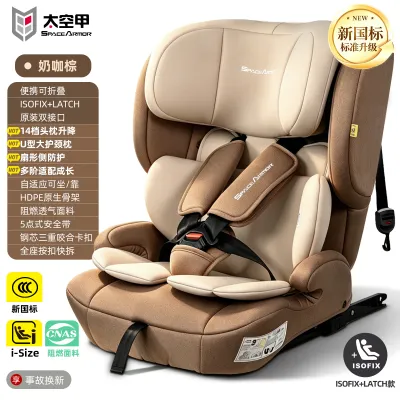
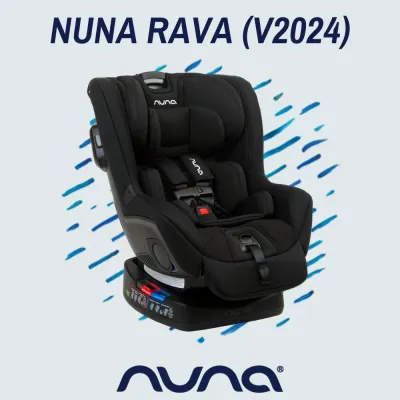
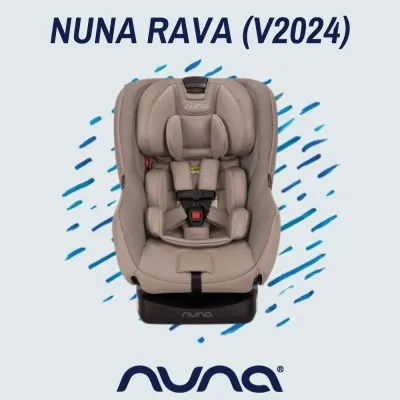
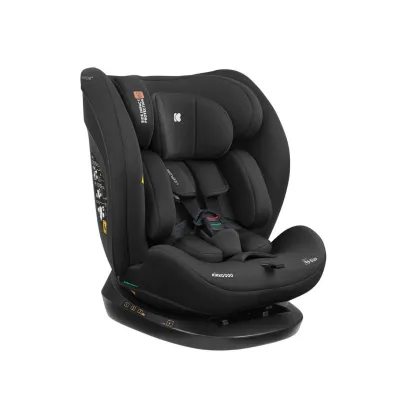
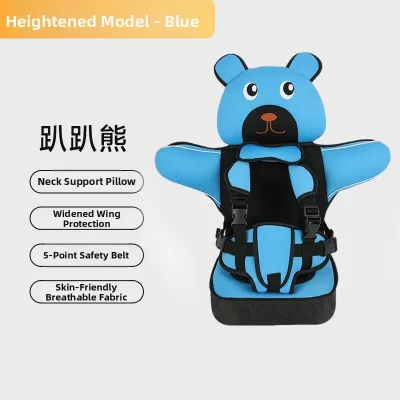
Prices are valid at publication and may change. Please refer to the product page for the latest price.
Another major concern is the completely unknown history of surplus goods. Car seats are single-use safety devices; they are engineered to protect a child during a single crash by absorbing the impact forces, which often causes invisible structural damage. Micro-fractures in the plastic frame or stretched fibers in the harness webbing cannot always be seen with the naked eye, yet they permanently compromise the seat’s ability to protect a child in a subsequent collision.
Finally, older surplus models may not comply with modern safety standards or fit securely in newer vehicles. Safety regulations evolve constantly, introducing stricter testing requirements and better attachment systems, such as standardized ISOFIX anchorages. Buying an outdated model means you might struggle with compatibility issues, or worse, rely on a design that is no longer considered safe by international regulatory bodies.
How to Locate and Verify the Expiration Date
Before examining the physical condition of a Japan surplus car seat, you must determine if it is still within its safe operational lifespan. Manufacturers establish expiration dates because the materials are only guaranteed to perform as intended for a specific number of years. To find this information, flip the car seat over and inspect the underside or the back of the hard plastic shell.

Look for a molded-in plastic stamp, which often resembles a small clock or a grid. In a clock-style stamp, the number in the center represents the year of manufacture, while an arrow points to the month. Alternatively, look for a printed white or silver sticker containing the model number, serial number, and exact date of manufacture. Because these seats are imported from Japan, some labels may feature Japanese characters, but the dates themselves are typically written in standard numerical formats.
If you find a manufacturing date but no explicit expiration date, you will need to research the manufacturer’s guidelines. Visit the official website of the Japanese or global brand and locate the specific model’s user manual. Most manufacturers specify a lifespan of six to ten years from the date of manufacture. If the seat has surpassed this window, or if you cannot find any manufacturing details to verify its age, the seat must be rejected immediately, as degraded materials cannot be trusted to withstand a collision.
Physical Inspection Checklist: Shell, Foam, and Harness
If the car seat is well within its expiration date, you must perform a meticulous, hands-on physical inspection. Begin by completely removing the fabric cover. Never purchase a surplus car seat without stripping it down to the bare frame, as the fabric can easily hide severe structural defects and hygiene issues.
Examine the hard plastic shell under bright, direct light. Search for hairline cracks, deep scratches, or white stress marks, which indicate the plastic has bent or buckled under pressure. Pay close attention to the joints, structural ribs, and seatbelt routing paths. Check for any signs of unauthorized DIY repairs, such as non-original screws, glue, or melted plastic, which indicate the seat has been altered and is no longer safe.
Next, inspect the energy-absorbing foam, typically made of Expanded Polystyrene (EPS) or Expanded Polypropylene (EPP), which lines the headrest and side-impact wings. This foam is designed to cushion your child’s head and torso during a crash. Check if the foam is brittle, crumbling, or cracked. If the foam is broken, loose, or held together by tape, the seat’s ability to absorb impact forces is virtually non-existent.
Finally, evaluate the harness system and buckle assembly. Pull the harness straps out to their full length and inspect the webbing for fraying, cuts, severe twisting, or stiffness caused by spilled food, drinks, or mold—a common issue in humid tropical environments. Test the metal splitter plate at the back of the seat to ensure the straps are securely attached. Insert the harness tongues into the crotch buckle multiple times; it should click shut firmly and release smoothly without sticking or requiring excessive force.
Checking Accident History and Recall Status
Determining whether a surplus car seat has been involved in an accident is challenging but necessary. When shopping at a Japan surplus store, ask the dealer direct questions about the source of the seat, though you must remain cautious, as bulk importers rarely have detailed histories of individual items. If the seller cannot confidently confirm the seat’s accident-free history, you must assume it carries a risk.
To check for active safety recalls, locate the exact model name, model number, and manufacture date from the labels on the shell. Use this information to search the official website of the manufacturer or the Japanese Ministry of Land, Infrastructure, Transport and Tourism (MLIT), which maintains records of child car seat recalls. A recall indicates a known manufacturing defect that could cause the seat to fail, and using a recalled unit puts your child at immediate risk.
It is a strict, non-negotiable safety rule that any car seat involved in a motor vehicle collision must be permanently retired. Even a minor fender bender can exert enough force to stretch the internal fibers of the harness webbing or create microscopic fractures in the plastic shell. Because these changes are invisible, a crashed seat may look pristine while being structurally compromised, making it entirely useless in a future accident.
Absolute Red Flags: When to Walk Away
When evaluating a Japan surplus car seat, certain warning signs should prompt you to walk away immediately. The most critical red flag is the complete absence of manufacturing labels, model numbers, or safety certification stickers. Without these identifiers, you cannot verify the seat’s age, check for active recalls, or find the correct installation instructions, making the seat an unacceptable risk.
Physical alterations and missing original parts are also immediate dealbreakers. If you notice aftermarket cushions, non-original harness straps, missing chest clips, or a lack of original buckle components, do not purchase the seat. Car seats are crash-tested as complete, unified systems; using substitute parts or omitting original components can cause the seat to fail during an impact.
Lastly, walk away if the seller cannot provide clear information or if the seat shows signs of neglect, such as heavy rust on metal adjustment mechanisms, deep-seated mold within the harness fibers, or a persistent musty odor. These signs indicate poor storage conditions, which likely exposed the seat to moisture and heat levels that have compromised its structural integrity beyond repair.
Frequently Asked Questions (FAQ)
Can I safely use a Japan surplus car seat without the original manual?
Using a car seat without its original manual is highly risky because proper installation is critical to its performance. Guessing the correct seatbelt routing paths, lock-off locations, or angle adjustments can lead to incorrect installation, which may result in severe injury during a sudden stop or crash. If you find a high-quality seat but it lacks a manual, you must locate the exact model number on the plastic shell and search the manufacturer’s official website to download a digital copy before attempting to install or use the seat.
Is it safe to buy a surplus car seat that looks brand new?
No, a pristine cosmetic appearance does not guarantee that a car seat is safe to use. Even if the fabric cover is clean and free of stains, the underlying plastic shell and energy-absorbing foam degrade naturally over time due to age and environmental exposure. Furthermore, visual inspections cannot reveal microscopic stress fractures from a previous collision or internal damage from improper storage. You must still verify the manufacturing date, check the expiration guidelines, and research the model’s recall history regardless of how clean it looks.
What should I do if I find an active recall after buying the seat?
If you discover that your purchased car seat is subject to an active safety recall, you must stop using it immediately to protect your child. Do not attempt to repair the defect yourself with tape, glue, or aftermarket parts, and do not resell, donate, or give the seat to anyone else. Contact the manufacturer’s official customer service department or an authorized local distributor to ask if a registered repair kit is available, or follow their instructions for safe disposal to ensure the defective seat is permanently taken out of circulation.

Community discussion
Share your experience or ask a question. Comments are reviewed before publication.