
Choosing the right baby seat for car requires careful verification of safety standards, structural features, and compatibility. While international testing standards provide a baseline for crash protection, buyers must cross-reference physical product labels with current local transport authority regulations and manufacturer specifications. This guide outlines the critical certifications to look for, the physical features to inspect, and the necessary checks to ensure the seat safely accommodates your child and your vehicle.
In the Philippines, the tropical climate presents unique challenges for baby gear. High humidity and intense cabin heat in parked vehicles can accelerate the wear of certain materials over time. Consequently, understanding how to inspect a car seat’s physical condition and verify its official safety credentials is a vital skill for every parent and caregiver.
Prioritizing safety means looking past aesthetic designs, color schemes, or promotional discounts. A car seat is a highly engineered safety device designed to manage extreme physical forces during a collision. Ensuring that a specific model meets rigorous testing standards and fits correctly in your vehicle is the only reliable way to protect your child on the road.
Products mentioned in this guide
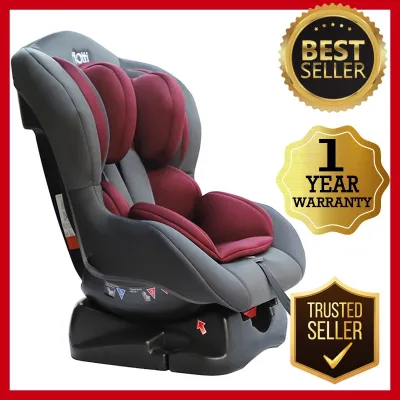
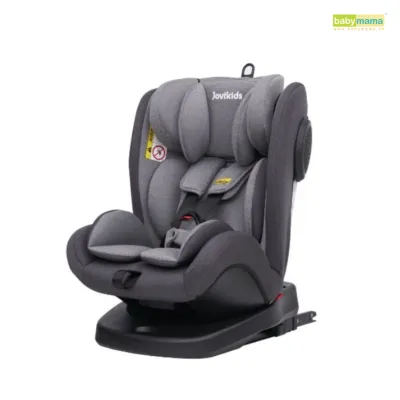
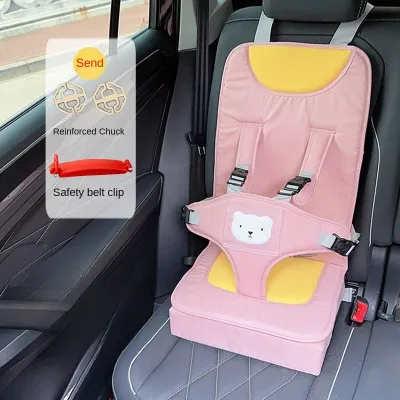
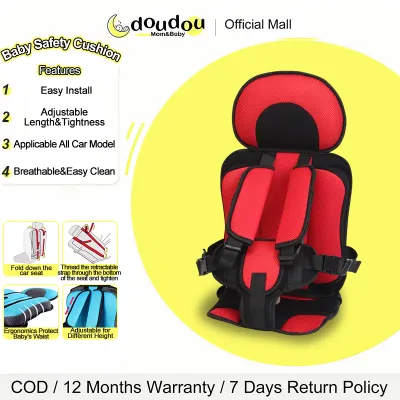
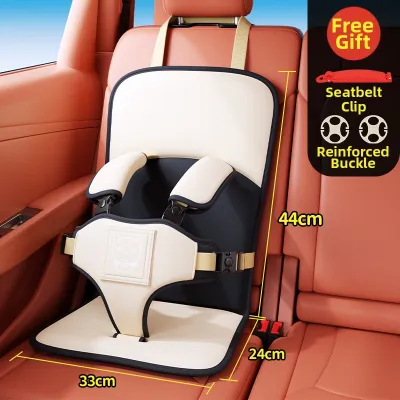
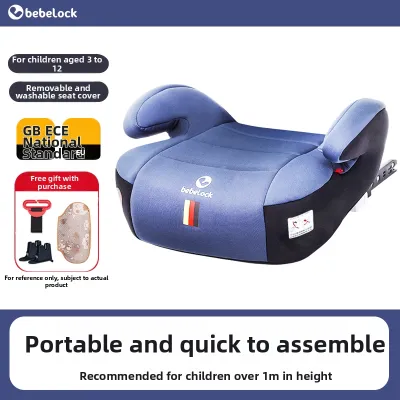
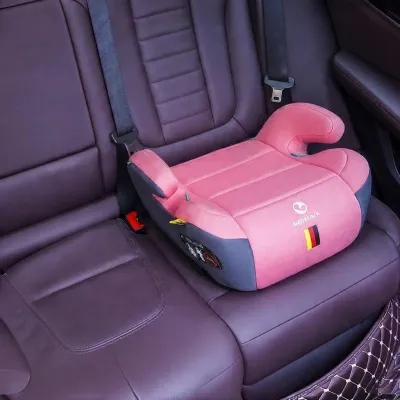
Prices are valid at publication and may change. Please refer to the product page for the latest price.
Identifying and Verifying Safety Certifications
When shopping for a baby seat for car, the first line of defense is verifying its official safety certifications. These certifications indicate that the seat has undergone standardized crash testing to evaluate its structural integrity under impact. You should physically locate the certification labels, which are typically bright orange or white stickers permanently adhered to the side or back of the car seat shell.
One of the most widely recognized international standards is the United Nations Economic Commission for Europe (UNECE) regulations, commonly labeled as ECE R44/04 or UN R129 (also known as i-Size). The ECE R44/04 label categorizes seats based on the child’s weight, while the newer UN R129 standard categorizes them primarily by the child’s height and includes mandatory side-impact testing. When reading these labels, look for the circle containing an “E” followed by a number, which indicates the European country that granted the approval, along with the unique approval number and the specific weight or height limits.
In the Philippines, imported child restraint systems must comply with local consumer product safety regulations. Buyers should look for the Import Commodity Clearance (ICC) sticker or the Philippine Standard (PS) mark on the physical product or its packaging. Because local transport and consumer safety guidelines can evolve, it is essential to verify the most current compliance requirements directly from official channels, such as the Land Transportation Office (LTO) or the Department of Trade and Industry (DTI).
Do not rely solely on online seller descriptions, product titles, or digital marketing graphics on ecommerce platforms. Unverified listings may claim compliance with international standards without actually possessing the physical labels or documentation to prove it. Always request clear photos of the physical certification stickers from the seller, or inspect the physical product tags and the included printed instruction manual in person before finalizing your purchase.
Critical Structural and Harness Features to Inspect
Beyond certifications, you must physically inspect the structural components and restraint mechanisms of the baby seat for car. The harness system is the primary mechanism that keeps your child secured within the protective shell of the seat. A 5-point harness system is highly recommended for infants and toddlers, as it distributes crash forces across the strongest parts of the body: the shoulders, hips, and pelvis.

When inspecting the harness, test the buckle mechanism several times. The buckle should require a firm, deliberate press to release, preventing a curious toddler from unbuckling themselves while the vehicle is in motion, yet it must remain easy enough for an adult to operate in an emergency. Check the harness straps for thickness and durability; they should slide smoothly through the adjustment slots without twisting. Additionally, look for anti-slip shoulder pads, which help keep the straps securely positioned over the child’s shoulders and reduce forward movement during sudden braking.
Side-impact protection is another critical feature to evaluate. Because vehicle doors offer minimal crumple zone protection, a car seat must have robust side barriers to shield the child’s head, neck, and torso. Inspect the seat for deep, energy-absorbing foam lining, such as Expanded Polystyrene (EPS) or Expanded Polypropylene (EPP) foam, rather than basic soft comfort padding. The side wings should be deep and rigid enough to cushion the child’s head and deflect debris during a lateral collision.
Finally, examine the installation mechanisms provided on the seat. Car seats generally install using either the vehicle’s built-in seat belts or rigid ISOFIX/LATCH anchor connectors. ISOFIX systems feature metal connectors at the base of the car seat that click directly into anchor points welded into the vehicle’s chassis, reducing the risk of installation errors. Before purchasing, consult your vehicle owner’s manual to verify if your car is equipped with ISOFIX anchors or if you must rely on a seat belt installation path.
Matching the Seat to Your Child’s Size and Development
A car seat can only provide its intended level of protection if it is correctly matched to your child’s current physical size and developmental stage. Relying strictly on age guidelines can be misleading, as children grow at different rates. Instead, always refer to the specific weight and height limits printed on the manufacturer’s label and detailed in the instruction manual.
Weight-based grouping systems (such as those under ECE R44) classify seats into groups ranging from Group 0 (for infants) up to Group 3 (for older children requiring booster seats). Height-based systems (under UN R129/i-Size) focus on the child’s stature to determine fit, which often reduces the risk of transitioning a child to a forward-facing seat too early. Ensure you measure your child’s weight and height accurately before comparing them against the limits of the seat you intend to buy.
For infants and young toddlers, extended rear-facing travel is widely recognized as the safest orientation. In a frontal collision, a rear-facing seat cradles and supports the child’s fragile head, neck, and spine, distributing the impact forces evenly across the back of the seat. Check the manufacturer’s manual to identify the maximum rear-facing weight and height capacities of the seat, and keep your child rear-facing for as long as they remain within those specified limits.
As your child grows, you must regularly assess the fit of the harness straps and buckle. For rear-facing seats, the harness straps must emerge from the slots at or slightly below the child’s shoulders. For forward-facing seats, the straps should emerge at or slightly above the shoulders. The crotch strap should also be adjustable to prevent the child from slouching or sliding downward, ensuring the lap belt portion of the harness rests firmly across the pelvis rather than the soft abdomen.
Checking Product History, Expiration, and Recall Status
Car seats do not last indefinitely, and their safety performance can degrade over time. Before purchasing a seat—especially if you are considering a second-hand option or using a hand-me-down from a relative—you must verify its manufacturing history and expiration status. Most manufacturers stamp the manufacturing date and the expiration date directly into the plastic shell of the seat, or list the lifespan of the model in the user manual.
The materials used in car seats, particularly the plastic shell and the polyester harness webbing, are subject to degradation. In the Philippines, high cabin temperatures and intense UV exposure can accelerate this aging process, making the plastic brittle and less capable of absorbing impact forces. Generally, car seats have an expiration period ranging from six to ten years from the date of manufacture, after which they should be permanently discarded and replaced.
It is also critical to verify that the specific car seat model has not been subject to a safety recall. Locate the model number, serial number, and date of manufacture on the white tracking sticker usually found on the base or back of the seat. Cross-reference this information with the official manufacturer’s website recall database or local consumer protection advisories issued by the DTI to ensure there are no active safety warnings or component defects associated with your unit.
Purchasing a second-hand car seat carries significant risks and is generally discouraged unless you can verify its complete history. Critical red flags include missing instruction manuals, faded or absent certification labels, visible stress marks, hairline cracks, or deep scratches on the plastic shell. Most importantly, never use a car seat that has been involved in a vehicle collision, as the structural integrity may be severely compromised even if there is no visible external damage.
Verifying Vehicle Compatibility and Installation Fit
A high-quality car seat can only protect your child if it can be securely and correctly installed in your specific vehicle. Not all car seats fit perfectly in every car model, due to variations in seat contouring, seat belt lengths, and cabin space. Whenever possible, test the car seat in your vehicle before finalizing the purchase to ensure a secure fit.
During a test installation, check that the seat can be tightened sufficiently so that it moves less than one inch (2.5 centimeters) side-to-side or front-to-back when pulled at the belt path. For rear-facing seats, verify that the seat can achieve the correct recline angle recommended by the manufacturer, which is crucial for keeping a newborn’s airway open. Ensure that the installed car seat does not force the front-seat passenger or driver into an unsafe or uncomfortable seating position.
Always read both the car seat instruction manual and your vehicle owner’s manual carefully. The vehicle manual will identify approved seating positions for child restraints and warn against prohibited areas, such as placing a rear-facing seat in front of an active passenger airbag. It will also provide instructions on how to lock your vehicle’s seat belts to secure the car seat tightly if you are not using ISOFIX anchors.
If you experience difficulty achieving a tight installation, or if your vehicle has a complex seating configuration, consider seeking assistance. Consulting a certified child passenger safety technician or visiting an authorized service center can help ensure the seat is installed correctly. Proper installation is a critical step that directly affects the performance of the safety features during transit.
Frequently Asked Questions (FAQ)
Is it safe to use a baby seat for car that was involved in a minor accident?
No, it is generally not safe to continue using a car seat after any vehicle accident. Most manufacturers require immediate replacement of the seat after a collision, regardless of how minor it may seem, because the extreme forces can cause invisible micro-fractures in the plastic shell or stretch the harness webbing. Always check your specific brand’s instruction manual for their exact post-accident replacement policy, and consult your auto insurance provider to see if child restraint replacement is covered under your policy.
Can I use aftermarket accessories like extra padding or strap covers?
You should avoid using aftermarket accessories, such as head support pillows, extra padding, or strap covers, unless they were manufactured by the same brand specifically for your car seat model. Non-approved accessories have not undergone crash testing with your specific seat and can interfere with the proper fit of the harness system. Thick padding can compress during a crash, leaving dangerous slack in the harness straps and increasing the risk of injury.
Community discussion
Share your experience or ask a question. Comments are reviewed before publication.