
Navigating online marketplaces for essential baby gear requires a sharp eye, especially when purchasing high-stakes items like breast pumps and feeding accessories. To identify the official Medela store on major e-commerce platforms in the Philippines, you must look for specific platform-verified badges, cross-reference the seller with the brand’s official local distributor directory, and scrutinize the store’s overall presentation. Authentic stores carry distinct system-generated brand tags, maintain consistent pricing aligned with official retail rates, and provide clear warranty terms.
Why Verifying the Official Medela Store Protects Your Baby
Using a breast pump involves direct contact with breast milk, which is then fed to your developing infant. Counterfeit or unauthorized baby products often bypass strict quality control measures, meaning they may contain unverified materials, industrial-grade plastics, or harmful chemical additives like Bisphenol A (BPA) and phthalates. In the warm, humid tropical climate of the Philippines, low-quality plastics are particularly susceptible to accelerated degradation, potentially leaching harmful substances into expressed milk during sterilization or daily use.
Furthermore, choosing an unauthorized seller compromises your access to genuine replacement parts and local warranty support. Authentic breast pumps rely on precise vacuum pressure and sealed systems to prevent milk backflow, which requires perfectly fitting valves, membranes, and tubing. If you purchase a counterfeit unit or buy from an unverified source, you will likely find that local service centers cannot honor the warranty or provide certified technical support. This leaves you with an unusable device and no recourse, turning a supposed bargain into a costly and stressful hazard.
Products mentioned in this guide
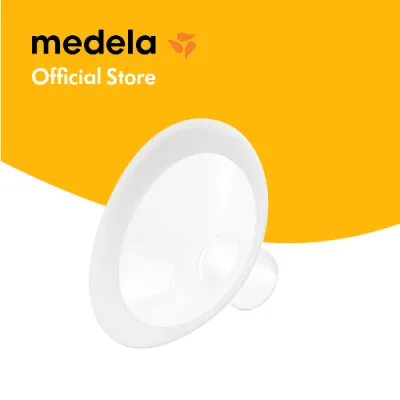
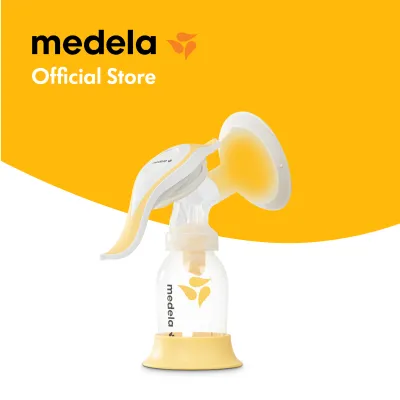
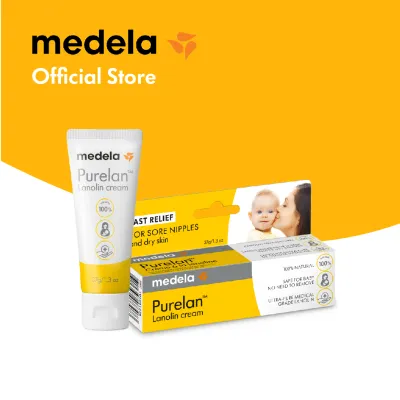
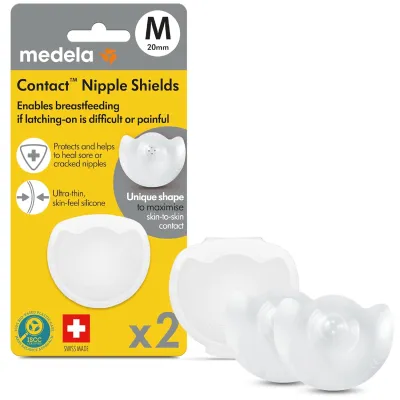
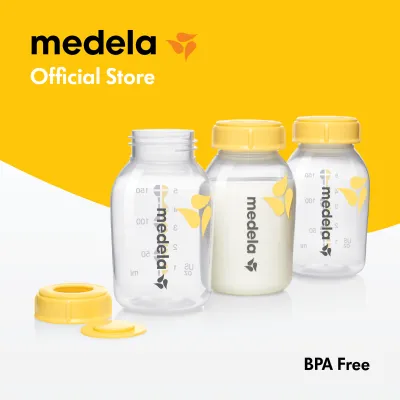
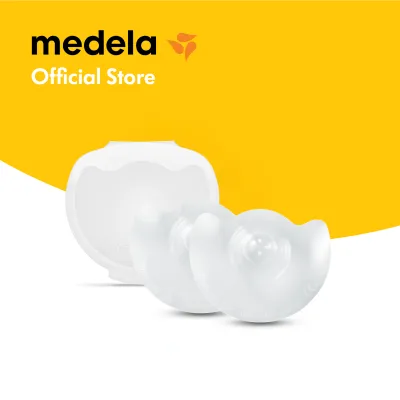
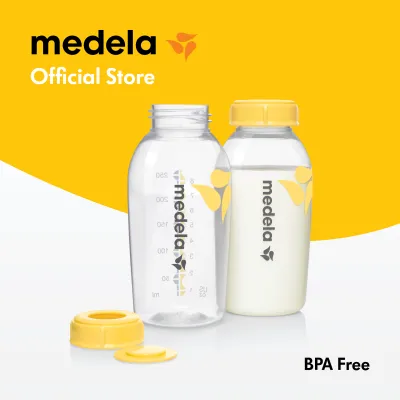
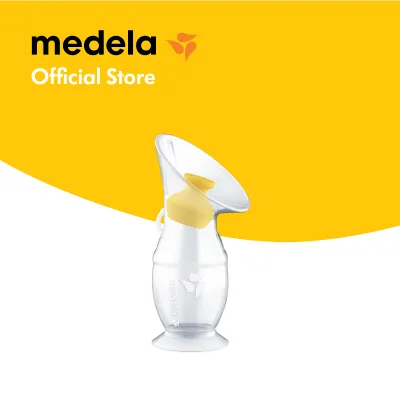
Prices are valid at publication and may change. Please refer to the product page for the latest price.
The baby care category on major online marketplaces frequently sees highly sophisticated counterfeit listings that mimic official branding almost perfectly. These unauthorized sellers often copy product descriptions, steal official marketing banners, and even manipulate reviews to appear legitimate. Because these products are used for infant nutrition, verifying the source is not just a matter of saving money; it is a fundamental step in safeguarding your baby’s health and ensuring your feeding equipment operates safely and efficiently.
Visual Cues and Badges of an Authentic Medela Store
When browsing leading e-commerce platforms in the Philippines, the most reliable initial indicator of authenticity is the platform’s official verification badge. Legitimate brand stores are housed within the platform’s premium mall section, marked by prominent, colorful badges such as “Mall,” “Official Store,” or “Brand Flagship.” These badges are not easily obtained; platforms require sellers to submit official business registration documents, trademark certificates, and direct authorization letters from the brand before granting this status. If a store claims to be “official” in its description but lacks these system-generated badges next to its name, you should treat it with extreme caution.

Pay close attention to the exact naming conventions used by the store. Official outlets typically use clean, professional names like “Medela Official Store” or “Medela Philippines,” without extraneous characters, random numbers, or spelling variations. Unauthorized sellers often attempt to confuse buyers by using names that closely resemble the official brand, such as “Medela_Distributor_PH,” “Medela_Sale_Store,” or “Medela.Genuine.” Always double-check the spelling and look for any unusual punctuation that might indicate a copycat account trying to bypass platform search filters.
The overall layout and visual consistency of the storefront offer additional clues. An authentic brand store features a highly organized homepage with cohesive color schemes, professionally designed banners, and clear product categorization. The product listings themselves will display high-resolution, crisp imagery with consistent backgrounds and professional typography. In contrast, unauthorized stores often present a cluttered layout with a mix of low-resolution images, watermarked photos stolen from various international websites, and inconsistent font styles across different listings.
Additionally, official stores maintain a comprehensive inventory of the brand’s product ecosystem. You will find a logical range of breast pumps, breast shield sizes, storage bags, and cleaning accessories organized into clear categories. If a store primarily sells a random assortment of unrelated household goods, cheap toys, or unbranded baby clothes alongside a few highly discounted breast pumps, it is highly unlikely to be an authorized brand outlet.
Red Flags That Reveal Fake or Unauthorized Sellers
One of the most immediate red flags of an unauthorized or counterfeit seller is pricing that seems too good to be true. While official stores occasionally run authorized promotions or participate in platform-wide double-day sales, their prices remain within a realistic retail range. If you encounter a premium breast pump listed at a fraction of its standard retail price—such as a pump normally valued at several thousand pesos being offered for only ₱500 or ₱1,000—it is almost certainly a counterfeit or a scam. Genuine medical-grade breast pump technology requires high-quality components that cannot be manufactured or sold at ultra-low price points.
Another warning sign is the presence of stolen product descriptions filled with grammatical errors, awkward machine translations, or irrelevant keywords designed to manipulate search algorithms. Unauthorized sellers often copy text directly from international listings, resulting in descriptions that reference foreign voltage standards, plug types, or warranty terms that do not apply to the Philippines. You might also notice that the product reviews contain repetitive, generic phrasing, or photos that do not match the specific model being sold, indicating manipulated or fake feedback.
Customer service responsiveness and communication style can also expose a fraudulent seller. If you send a message asking for clarification on product origin, local warranty registration, or authorization certificates, an unauthorized seller will often provide evasive, automated, or highly vague responses. They may refuse to confirm whether the product is covered by the local Philippine distributor’s warranty or give confusing explanations about “parallel imports” to justify the lack of official documentation. A genuine official store will have trained customer service representatives who can clearly explain warranty terms and provide precise product details.
Actionable Steps to Verify Store Credentials Before Checkout
Before finalizing your purchase and proceeding to checkout, take a few proactive steps to verify the seller’s credentials. Start by visiting the official global or regional Medela website to locate their directory of authorized distributors and retail partners in the Philippines. Many brands maintain a dedicated page listing their official online storefronts and authorized physical retail partners. If the specific online store you are browsing is not listed on the official brand directory, you can contact the local distributor directly via their official social media channels or email to verify the seller’s legitimacy.
Next, perform a deep dive into the store’s rating profile and historical customer feedback. Do not rely solely on the overall star rating, as this can sometimes be inflated by automated reviews. Instead, filter the reviews to show one-star and two-star ratings, and look for specific complaints regarding product quality, packaging, missing parts, or suspected counterfeits. Check the “Seller Rating” section to see how long the shop has been active on the platform; a store that has only been open for a few weeks but claims thousands of successful transactions is a major red flag.
You can also utilize the platform’s built-in customer support channels to verify a seller’s status. If you are highly uncertain about a listing, take screenshots of the store’s homepage and product details, then contact the e-commerce platform’s customer service team. Ask them to confirm if the seller has submitted verified brand authorization documents for the specific products they are listing. Taking these extra minutes to investigate can save you from the hassle of dealing with a faulty, unsafe product and the subsequent return process.
What to Do If You Receive a Suspected Counterfeit Product
If you have already made a purchase and suspect that the item you received is counterfeit, take immediate action before using the product. Start by documenting the unboxing process on video. Ensure the video clearly shows the shipping label, the tracking number, the condition of the outer packaging, and the physical state of the product inside. Inspect the item closely for missing security seals, poor-quality plastic molding, misaligned logos, or chemical odors, which are common indicators of counterfeit manufacturing. Do not wash, sterilize, or use the product if you suspect it is fake, as this may complicate your return request and pose health risks.
Immediately initiate a dispute or return request through the e-commerce platform’s official system. Select the appropriate reason code, such as “received a counterfeit product” or “item not as described,” and upload your unboxing video, detailed photos of the discrepancies, and screenshots of your communication with the seller. Most platforms have strict buyer protection windows, so it is crucial to file this claim immediately upon delivery and avoid clicking the button to confirm receipt of the order, which can release payment to the seller.
Finally, report the unauthorized seller to both the e-commerce platform’s trust and safety team and the relevant consumer protection authorities in the Philippines, such as the Department of Trade and Industry (DTI). Providing detailed information about the fraudulent listing helps platforms take down copycat stores and protects other parents from falling victim to the same scheme. By reporting these listings, you contribute to a safer online shopping environment for families across the country.
Frequently Asked Questions (FAQ)
Can Authorized Resellers Operate Outside the Official Store?
Yes, authorized resellers can operate independent online shops outside of the main brand flagship store. However, these legitimate resellers will still possess an official certificate of authorization issued by the local Medela distributor in the Philippines. When shopping from these smaller retailers, always ask the seller to provide a copy of their current authorization certificate and verify that the store name matches the document.
Do Online Official Store Purchases Include a Local Warranty?
Purchases made through the official online store or authorized retail partners in the Philippines include a valid local warranty. To ensure your warranty is active, you must retain your official electronic receipt or sales invoice and register the product according to the manufacturer’s instructions. Unauthorized parallel imports or counterfeit items purchased from unverified third-party sellers are not covered by local warranty services or technical support.

Community discussion
Share your experience or ask a question. Comments are reviewed before publication.