
Choosing a Medela breast pump involves balancing suction needs, portability requirements, and budget constraints. There is no single model that suits every mother; instead, the ideal choice depends on your specific lactation goals, daily routine, and lifestyle. Hospital-grade models offer maximum power for establishing supply, double electric pumps balance efficiency and mobility for working mothers, and manual or single electric pumps provide lightweight, budget-friendly options for occasional use. In the tropical climate of the Philippines, where humidity can affect equipment maintenance and daily commutes require lightweight gear, making a practical choice is essential. By understanding the distinct categories and technical specifications of these pumps, you can select a system that aligns with your personal breastfeeding goals and daily routine.
Understanding Medela Breast Pump Categories
Medela categorizes its breast pumps into distinct classes to serve different stages of the lactation journey. Hospital-grade pumps are multi-user, heavy-duty electric units designed with powerful motors to initiate, build, and maintain milk supply, making them ideal for the early weeks postpartum or for mothers facing supply challenges. Personal double electric pumps are designed for single-user daily use, offering a balance of efficiency and convenience for mothers who need to express milk multiple times a day. Single electric pumps provide a more compact, entry-level electric option for occasional use, while manual pumps rely entirely on hand-operated levers, offering a silent, lightweight, and cord-free solution for quick expression.
When exploring these categories, it is vital to check the manufacturer’s documentation for a “closed system” design. A closed system utilizes a physical barrier, such as a silicone media separation membrane, to prevent expressed milk from backing up into the tubing or the pump motor. In highly humid environments, preventing moisture and milk residue from entering the internal components is critical to avoiding mold growth and maintaining hygienic operation. Understanding these structural differences helps you narrow down your choices based on how frequently you plan to pump and where you will be using the device.
Products mentioned in this guide
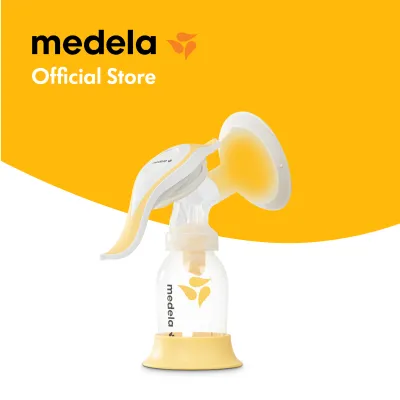
Prices are valid at publication and may change. Please refer to the product page for the latest price.
Comparing Suction Power and Pumping Efficiency
Suction power and pumping efficiency are not merely about maximum vacuum strength; they are about how closely a pump mimics a baby’s natural nursing pattern. Medela utilizes a proprietary technology known as 2-Phase Expression, which you should verify in the product specifications of your chosen model. This technology begins with a rapid, shallow stimulation phase to trigger the milk ejection reflex, followed by a slower, deeper expression phase to maximize milk flow. Ensuring your pump features this dual-phase system can significantly improve comfort and expression efficiency during your sessions.

While hospital-grade models offer highly precise, independent adjustments for both vacuum strength and cycle speed, personal double electric pumps typically feature pre-programmed settings that adjust both parameters simultaneously or offer simplified controls. When comparing models, check the manufacturer’s guidelines for the adjustable vacuum ranges. It is a common misconception that higher suction levels yield more milk; in reality, excessive vacuum can cause pain, tissue damage, and actually inhibit the let-down reflex. Always start at the lowest setting and gradually increase to your personal comfort level, and consult a certified lactation consultant if you experience persistent discomfort or low milk output.
Evaluating Portability, Battery Life, and Daily Use
For mothers who commute, travel, or return to an office environment, portability and power options are decisive factors. Medela’s lineup ranges from larger, tabletop units that require a dedicated carrying bag to pocket-sized motors and wearable, tubeless designs that fit directly inside a nursing bra. When evaluating these options, consider your daily transit routine. Commuting through warm, humid weather or navigating public transportation makes a lightweight, compact pump highly desirable, as it reduces the physical strain of carrying heavy baby gear alongside your daily essentials.
Power source versatility is equally important for maintaining a consistent pumping schedule. Check the official product specifications to verify whether a model relies on a built-in rechargeable lithium-ion battery, standard alkaline batteries, or a direct mains connection. Models featuring USB charging capabilities offer excellent flexibility, allowing you to power the unit via a power bank, laptop, or car charger during your commute. Additionally, look for the manufacturer’s estimated number of pumping sessions per full charge to ensure the battery can support your entire workday without requiring an immediate outlet. Noise level is another critical aspect of daily use; verify user-reported discretion or official decibel ratings if you plan to pump in a shared office space or a quiet nursery.
Price Ranges and Value Assessment in the Philippines
Investing in a breast pump requires a clear understanding of both the initial purchase price and the long-term operational costs. The price hierarchy for Medela pumps generally starts with manual models as the most budget-friendly entry point, followed by single electric, personal double electric, and finally, hospital-grade units, which represent a significant financial investment. When planning your budget in ₱, look beyond the price tag of the motor unit itself and consider the complete package, which may include carrying bags, cooler sets, and initial collection bottles.
Long-term value assessment must also factor in the recurring cost of replacement parts. Over time, silicone components such as valves, membranes, and breast shields stretch, wear down, or lose their elasticity, directly reducing the pump’s suction efficiency. You will need to budget for regular replacements of these consumables to maintain optimal performance. To ensure safety and protect your investment, always purchase your pump and replacement parts from authorized local distributors or official brand stores on reputable e-commerce platforms. This safeguards you against counterfeit products that may use non-food-grade plastics or lack proper local warranty coverage.
Decision Framework: Which Medela Pump Fits Your Needs?
To choose the right Medela breast pump, apply a conditional decision framework based on your specific daily routine and lactation goals:
- Choose a hospital-grade pump if you are working to establish a milk supply for a premature infant, managing a severe supply deficit, or pumping under direct medical guidance where maximum stimulation and precise control are required.
- Choose a personal double electric or wearable pump if you are returning to work, pumping multiple times a day to maintain supply, and require a balance of efficient double-pumping and portable convenience.
- Choose a manual pump if you primarily direct-feed your baby, only need to pump occasionally for engorgement relief or to build a small emergency freezer stash, or require a silent, power-free backup for travel.
Before finalizing your purchase, verify first if the model supports customizable flange sizing. Standard pump kits usually include a default breast shield size, but using an incorrectly sized flange can lead to friction, pain, and blocked milk ducts. Measure your nipple diameter according to the manufacturer’s sizing guide to ensure you can purchase compatible shields that fit your anatomy comfortably.
Keep in mind that neither may fit if you require an ultra-quiet, completely hands-free, in-bra wearable solution that does not rely on any external tubing or a separate motor unit, as some traditional personal double electric models still utilize external tubes and belt-clipped motors. If absolute silence and zero external components are your primary requirements, you may need to explore specialized wearable pump categories specifically designed for discreet, tubeless operation.
Frequently Asked Questions (FAQ)
Are Medela breast pumps covered by health insurance or HMOs in the Philippines?
In the Philippines, coverage for breast pumps and lactation aids varies widely among health insurance providers and Health Maintenance Organizations (HMOs). You should contact your specific provider directly to inquire if maternity benefits cover durable medical equipment or breastfeeding support. If coverage is available, ask for the exact documentation required, which typically includes a formal medical certificate or prescription from your OB-GYN or pediatrician, along with official receipts from an authorized local retailer.
How often should I replace the valves and membranes on my Medela pump?
To maintain optimal suction and hygiene, you should consult your specific Medela model’s user manual for the manufacturer’s recommended replacement schedule. Generally, silicone membranes and valves require replacement every few weeks to a few months, depending on how frequently you pump. Regardless of the calendar schedule, inspect these parts regularly for observable signs of wear, such as a noticeable drop in suction power, visible tears, stretching, warping, or micro-cracks in the silicone, and replace them immediately if any damage is detected.
Community discussion
Share your experience or ask a question. Comments are reviewed before publication.