
Finding genuine formula milk online requires careful attention, especially when shopping for your child’s nutritional needs. To identify the authentic Enfagrow official store on major online marketplaces, you must look for verified platform badges, cross-check seller credentials, and inspect product listings for official corporate details. Ensuring you purchase from an authorized source protects your child from the severe health risks associated with counterfeit or improperly stored milk products.
Navigating digital storefronts can be challenging with numerous third-party resellers claiming to offer authentic goods at discounted rates. By establishing a systematic verification routine before clicking the checkout button, you can confidently secure genuine products. This guide outlines the essential visual indicators, step-by-step verification methods, and immediate actions to take if you suspect a product is not genuine.
Why Buying Formula Milk from Verified Official Stores Matters
Infant and toddler nutrition requires strict quality control that only authorized sellers can guarantee. Because young children have developing immune systems and sensitive digestive tracts, any compromise in their food supply can lead to serious health consequences. Counterfeit formula milk often bypasses critical safety regulations, exposing children to unverified ingredients and substandard manufacturing environments.
Products mentioned in this guide
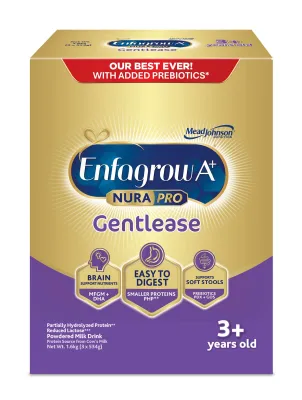
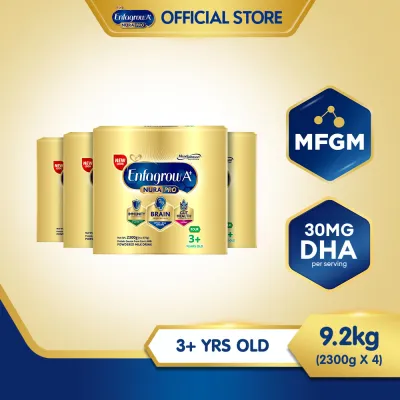
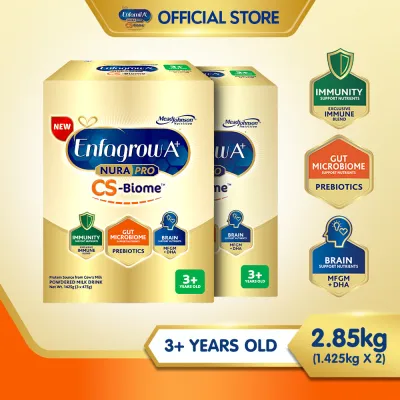
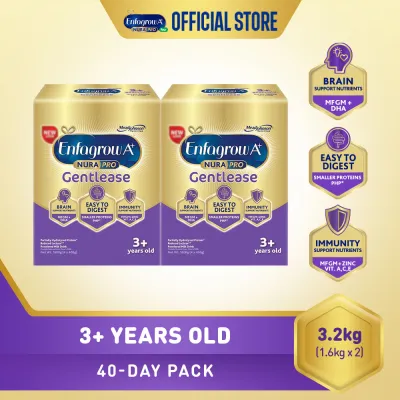
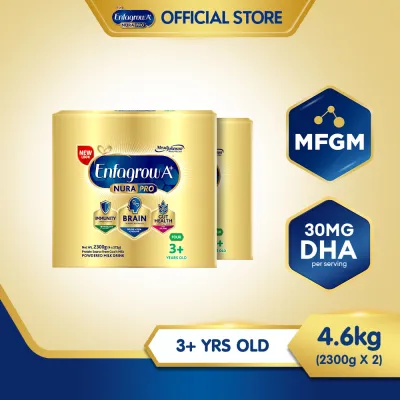
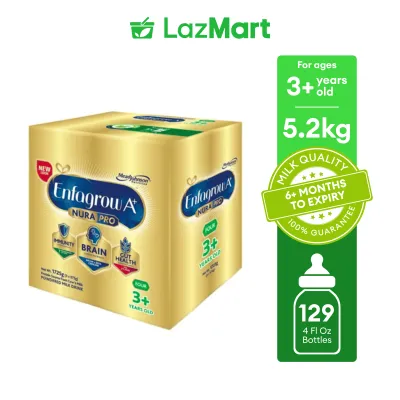
Prices are valid at publication and may change. Please refer to the product page for the latest price.
The potential health risks of feeding a child counterfeit formula are severe. Fake products may contain incorrect nutrient ratios, harmful chemical contaminants, or physical impurities that cause acute gastrointestinal distress, nutritional deficiencies, or long-term developmental issues. Without the oversight of regulatory bodies and brand quality assurance, there is no way to verify what ingredients are actually inside an unauthorized package.
In tropical climates like the Philippines, storage and transport conditions play a vital role in food safety. High humidity and elevated temperatures can rapidly degrade milk powder if it is not stored in climate-controlled warehouses. Official distributors adhere to strict temperature and humidity protocols during transit and storage, whereas independent resellers may keep stock in substandard conditions that encourage mold growth or bacterial contamination.
While online marketplaces offer unmatched convenience for busy parents, they also host a wide array of unauthorized sellers. The prevalence of counterfeit consumer goods online means that a professional-looking listing is not enough to guarantee safety. Prioritizing authorized channels is the only way to ensure that the formula milk you receive has been handled safely from the manufacturing plant to your home.
Key Indicators of an Authentic Enfagrow Official Store
Identifying a genuine storefront on major ecommerce platforms begins with recognizing official platform badges. Trusted marketplaces use specific tags, such as ‘Mall’ or ‘Verified Brand Store’ labels, to distinguish authorized brand partners from independent sellers. These badges are not easily obtained; platforms require businesses to submit official trademark registrations, corporate documents, and direct authorization letters from the manufacturer.

Beyond the platform badges, you should carefully evaluate the seller’s operational history and performance metrics. Legitimate flagship stores typically display a high positive seller rating, usually above 90 percent, alongside a rapid chat response rate. A long history of active operation on the platform, combined with a large, active follower base, further indicates a reliable and established business entity.
The visual presentation of the storefront offers additional clues about its legitimacy. Authentic brand stores maintain a highly professional aesthetic, featuring high-resolution banners, consistent brand logos, and uniform product photography. If you notice pixelated images, mismatched fonts, or product photos that look like they were taken in a home setting, you are likely looking at an unauthorized reseller.
Always check the store’s profile or ‘About’ tab for direct links to local corporate entities or official customer service channels. Genuine stores often provide clear contact information, customer care hotlines, or links to the brand’s local website. This transparency demonstrates that the seller is accountable to both the platform and the brand’s regional headquarters.
Step-by-Step Verification Before Checkout
Before finalizing any purchase, perform a thorough audit of the product page and the seller’s profile. Start by reviewing the product description for complete manufacturer details, proper local labeling, and clear expiration date policies. Authentic products intended for the local market will feature packaging and labeling that comply with local regulatory standards, including clear instructions in English or the local language.
Verify the specific age and developmental stage indicated on the product packaging. Formula milk is carefully formulated for distinct growth phases, and using the incorrect stage can impact your child’s nutrition. Always cross-reference the product details with your pediatrician’s recommendations to ensure the formula matches your child’s current developmental needs.
Look for uploaded proofs of authorization or brand partnership certificates within the store’s image gallery or home page. Official distributors frequently display these certificates to reassure buyers of their legitimate supply chain. If a seller claims to be an official partner but cannot provide or display any verifiable documentation, treat the listing with caution.
Compare the listed price against standard retail ranges in local supermarkets and drugstores. While official stores frequently offer legitimate promotions, vouchers, or bundle discounts, an exceptionally low price is a major warning sign. If a listing offers a premium formula at a fraction of its standard retail price in ₱, the product is highly likely to be counterfeit, expired, or improperly sourced.
Analyze recent customer reviews, focusing on feedback that includes user-submitted photos and videos. Look closely at comments regarding packaging quality, shipping speed, and the physical condition of the product upon arrival. Pay attention to any reviews mentioning broken seals, dented tins, unusual powder consistency, or differences in taste and smell compared to previous purchases.
What to Do If You Suspect a Counterfeit Product
If you have already purchased a product and suspect it may not be authentic, take immediate action to document your findings. Begin by recording a continuous video of the unboxing process, ensuring you capture the shipping label, the outer box, and all sides of the product container. Clear, close-up photographs of the security seals, plastic lids, and printed batch codes are essential for building a case.
Inspect the physical packaging of the milk container with extreme care. Authentic formula tins and boxes are manufactured with high-quality materials, featuring crisp, legible text, perfectly aligned labels, and secure, tamper-evident seals. Any signs of re-gluing, scratched-out batch numbers, blurry printing, or flimsy plastic lids indicate that the product should not be used.
If you observe any physical discrepancies or if the powder has an unusual color, texture, or odor, strictly avoid feeding the product to your child. Do not attempt to taste it yourself or test it on your child, as unverified substances can pose immediate health hazards. Keep the product safely stored away from children and pets while you resolve the issue.
Contact the ecommerce platform’s customer support or dispute resolution center immediately to initiate a return and refund claim. Provide your unboxing video, detailed photos of the suspicious packaging, and a clear explanation of why you believe the product is counterfeit. Most major platforms have buyer protection policies that cover counterfeit items if reported within the specified return window.
Additionally, reach out to the brand’s local customer service team in the Philippines to report the unauthorized seller and verify the printed batch code. The manufacturer can cross-reference the batch number with their production records to confirm if the product is genuine. If your child has already consumed any of the suspected product and shows signs of discomfort, consult a qualified healthcare professional or pediatrician immediately.
Frequently Asked Questions (FAQ)
Can I trust third-party sellers with high ratings?
High ratings on independent reseller profiles do not guarantee product authenticity. Some unauthorized sellers manipulate their ratings through artificial transactions or accumulate positive feedback by selling cheap, unrelated items before switching to high-demand formula milk. For infant and toddler nutrition, always prioritize official mall stores to ensure a secure, direct supply chain and verified product handling.
How can I verify the batch code on the milk tin?
You can verify the batch code by contacting the brand’s official local customer service hotline or visiting their official website’s contact portal. Ensure the physical batch code and expiration date printed on the bottom of the tin or back of the box are clear, legible, and show no signs of scratching, scraping, or over-printing.
Is it safer to buy directly from the brand's official website?
Both verified flagship stores on major ecommerce platforms and the brand’s direct local website are safe options, provided you have confirmed their official status. Choosing between them depends on your preference for shipping speed, platform-specific buyer protection policies, and available loyalty rewards or promotions.

Community discussion
Share your experience or ask a question. Comments are reviewed before publication.