
Giving your child a liquid supplement like Scott’s Emulsion with DHA requires a careful balance of safety, precise measurement, and patience. Because young children are highly sensitive to new tastes and textures, introducing a cod liver oil emulsion can sometimes feel like a daily hurdle. The key to a smooth routine lies in understanding your child’s specific developmental readiness, verifying the exact manufacturer guidelines on the packaging, and using gentle, positive techniques to help them accept the supplement.
In tropical climates where daily temperatures and humidity levels run high, managing liquid supplements also involves unique storage considerations to preserve their quality. By establishing a consistent, stress-free routine, you can ensure your child receives their daily dose safely without turning supplement time into a household battle.
Before You Start: Verifying Suitability and Reading the Label
Before administering any liquid supplement, your very first step must be a thorough inspection of the product packaging. Scott’s Emulsion formulations can vary significantly across different markets and product lines, meaning that age recommendations, active ingredients, and flavor profiles are not always identical. Carefully read the outer carton and the bottle label to identify the minimum age requirement specified by the manufacturer. Some formulations are designed specifically for older children, while others may be suitable for toddlers, but you should never assume suitability based on the brand name alone.
Products mentioned in this guide
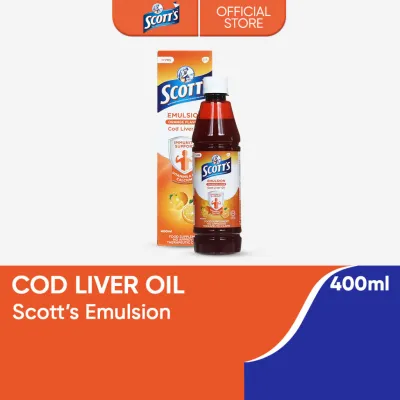
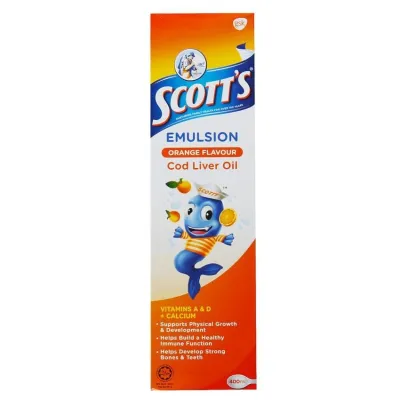
Prices are valid at publication and may change. Please refer to the product page for the latest price.
Consulting a pediatrician is an indispensable safety step before introducing any new dietary supplement to your child’s routine. This is particularly critical for infants, toddlers, or children with pre-existing health conditions, food allergies, or those who are currently taking other medications. A qualified healthcare professional can evaluate your child’s overall nutritional status, confirm whether a DHA and cod liver oil supplement is appropriate, and ensure there are no potential interactions with their current diet or treatments.
Physical inspection of the bottle is equally vital to guarantee product safety and efficacy. Before opening a new bottle, check that the plastic shrink-wrap or safety seal around the cap is completely intact and shows no signs of tampering. Locate the expiration date printed on the label or the bottom of the carton; never administer a supplement that has passed this date, as the active ingredients—particularly delicate fish oils—can degrade and spoil over time.
In warm, humid tropical environments, liquid supplements are highly susceptible to spoilage if not handled correctly from day one. Inspect the bottle for any signs of leakage, crystallization around the cap, or unusual odors before the first use. If the packaging appears damaged or the seal is broken, return the product to the pharmacy or retailer immediately rather than risking your child’s health.
How to Determine the Correct Dosage by Age
Accurate dosing is the cornerstone of safe supplementation, and it must never be left to guesswork or estimation. To find the correct dosage, locate the official dosage chart printed directly on the back of the bottle or on the enclosed product insert. This chart typically categorizes recommendations by specific age brackets and, in some cases, weight ranges. Because children grow at different rates, matching the dose to their precise age group as defined by the manufacturer is essential for preventing accidental under- or over-supplementation.

Always use the exact measuring cup, spoon, or syringe provided in the product packaging to measure out each dose. These tools are calibrated specifically for the viscosity and density of the emulsion, ensuring that the volume you pour matches the manufacturer’s intended dosage. Keep this measuring tool dedicated solely to this supplement, washing and drying it thoroughly after every single use to prevent contamination.
It is vital to understand why standard household spoons—such as the teaspoons or tablespoons found in your kitchen drawer—should never be used to administer liquid medicine or supplements. Kitchen spoons are designed for dining, not precise measurement, and their actual volumes can vary by more than fifty percent. Using a household spoon introduces a high risk of dosing errors, which can either deprive your child of the intended nutritional support or expose them to an excessive amount of active ingredients.
As your child grows and transitions into a new age bracket, their nutritional requirements and physical capacity change. Do not automatically increase their dosage without first verifying the new guidelines on the product label and discussing the transition with your pediatrician. A child’s digestive system matures gradually, and step-by-step adjustments guided by professional advice will help ensure their body processes the supplement comfortably.
Step-by-Step Routine for Administering the Emulsion
Establishing a structured, calm routine helps your child know what to expect and reduces resistance during supplement time. Begin by shaking the bottle vigorously for several seconds before every single use. Because an emulsion is a mixture of oil-based and water-based liquids, the ingredients naturally separate over time when the bottle sits undisturbed on a shelf. Shaking ensures that the active nutrients, including the DHA and cod liver oil, are evenly distributed throughout the liquid so that every spoonful contains the correct balance.
Next, place the measuring cup or spoon on a flat, stable surface at eye level before pouring. Pour the liquid slowly until it reaches the exact line corresponding to your child’s recommended dose. Measuring at eye level prevents the optical illusions that occur when looking down at a cup, which often lead to over-pouring. If you accidentally pour too much, discard the excess rather than trying to pour it back into the bottle, as this can introduce bacteria and compromise the shelf life of the remaining liquid.
When you are ready to give the supplement, ensure your child is sitting or standing in a fully upright position. Never administer liquid supplements while a child is lying down, reclining, or running around, as this significantly increases the risk of choking or inhaling the liquid into their lungs. If your child is a toddler, having them sit securely in a high chair or on your lap can provide a safe, stable environment for swallowing.
Pace the administration of the liquid to match your child’s natural swallowing speed. If the recommended dose is relatively large, do not attempt to give it all in one quick pour; instead, divide it into smaller, manageable sips. Allow your child to swallow completely and take a breath between each small amount. This slow, patient approach prevents gagging, reduces the likelihood of spitting up, and helps build a more positive association with the daily routine.
Practical Strategies for Picky Eaters Who Resist the Taste
The thick texture and distinct flavor of cod liver oil emulsions can be challenging for children with sensory sensitivities or picky eating habits. To make the experience more manageable, start by checking the product label to see if the manufacturer explicitly permits mixing the emulsion with other foods or beverages. Some formulations are designed to be versatile, while others may lose their stability or experience nutrient degradation if combined with certain substances.
If the manufacturer’s instructions allow it, adjusting the temperature of the emulsion can be a highly effective way to mask its strong taste and thick mouthfeel. Try placing the bottle in the refrigerator for a short period before administration, as chilling thick liquids often tempers their aroma and makes the texture feel smoother on the tongue. Ensure the supplement does not freeze, and always shake the chilled bottle thoroughly before measuring the dose.
Positive reinforcement plays a crucial role in helping a hesitant child cooperate. Create a simple, rewarding sequence by offering a small sip of water, a favorite fruit juice, or a small bite of a preferred snack immediately after they swallow their dose. This quick follow-up helps wash away any lingering aftertaste and provides an immediate, positive conclusion to the task. Praise your child warmly for their cooperation, reinforcing the idea that taking their supplement is a simple, successful part of their day.
Avoid the temptation to force-feed your child or aggressively push the spoon into their mouth, as this can trigger a strong gag reflex and create long-term food aversions. Similarly, do not secretly mix the supplement into a large bowl of oatmeal or a full bottle of milk without professional guidance; if your child does not finish the entire portion, they will not receive their complete daily dose, and they may develop a sudden distrust of their favorite foods. If resistance persists, take a break, maintain a calm demeanor, and consult your pediatrician for alternative strategies.
Safety Precautions, Storage, and When to Stop
Proper storage is essential for maintaining the safety and potency of any liquid fish oil supplement. Store the tightly closed bottle in a cool, dry place away from direct sunlight, heat sources, and moisture. In tropical regions, indoor temperatures can fluctuate significantly, so avoid storing the bottle on window sills, near kitchen appliances, or in humid bathrooms. Always keep the bottle on a high shelf or inside a locked cabinet, strictly out of reach of curious children who might be attracted to flavored formulations.
When introducing the emulsion for the first time, monitor your child closely for any physical changes. Watch for mild digestive adjustments, such as temporary changes in stool consistency, or any signs of an allergic reaction, which may include skin rashes, hives, itching, or swelling around the face and mouth. While mild digestive adjustments can sometimes occur as a child’s system adapts to a new oil-based supplement, any persistent or severe symptoms require immediate attention.
If you miss a scheduled daily dose, do not attempt to make up for it by doubling the amount at the next administration. Giving a double dose can overload your child’s digestive system and lead to stomach upset, nausea, or diarrhea. Simply skip the missed dose entirely and resume your regular schedule the following day, keeping a consistent routine going forward.
You must stop administering the supplement immediately and contact a healthcare professional if your child exhibits persistent vomiting, severe diarrhea, an unexplained skin rash, or any breathing difficulties after taking the emulsion. Additionally, if your child accidentally consumes more than the recommended dose, seek emergency medical guidance or contact a local poison control center right away. Always bring the physical bottle with you to the clinic so the medical team can inspect the exact ingredients and concentration.
Frequently Asked Questions (FAQ)
Can I mix the emulsion with my child's milk or favorite juice?
Before mixing the emulsion with any liquid, you must consult the specific product label or your pediatrician. Some formulations can separate, curdle milk, or degrade when exposed to acidic juices or warm temperatures, which can alter the supplement’s efficacy and make it unappealing to your child. If mixing is permitted, use only a very small amount of liquid to ensure your child consumes the entire dose.
What should I do if my child spits out or vomits the dose?
If your child spits out or vomits the supplement immediately after administration, do not give them a second full dose right away. It is difficult to determine how much of the active ingredients were already absorbed or swallowed, and re-dosing immediately carries a risk of accidental over-supplementation. Instead, let your child’s stomach settle, keep them hydrated, and consult your pediatrician for advice on whether to wait until the next scheduled dose.
Does my child still need this supplement if they eat a balanced diet?
Whether your child requires a daily DHA and cod liver oil supplement depends entirely on their individual dietary intake and nutritional needs. If your child regularly consumes foods rich in omega-3 fatty acids, such as fatty fish, eggs, and fortified foods, they may already be meeting their nutritional requirements. Review your child’s typical weekly diet with a pediatrician or registered nutritionist to determine if a supplement is necessary to fill genuine nutritional gaps.

Community discussion
Share your experience or ask a question. Comments are reviewed before publication.