
Getting a baby to open their mouth for toothbrushing without tears is all about transforming a potentially clinical task into a playful, predictable game. Instead of viewing oral hygiene as a battle of wills, parents can use gentle positioning, sensory exploration, and positive reinforcement to encourage cooperation. By understanding your baby’s developmental cues and choosing the right tools, you can establish a stress-free routine that protects their emerging teeth while keeping their emotional well-being intact.
Preparing for a Tear-Free Brushing Session
Timing is everything when it comes to introducing a new routine to an infant. Choose a window when your baby is well-fed, alert, and not overwhelmed by exhaustion. In tropical climates like the Philippines, where high humidity and heat can make infants extra fussy toward the end of the day, scheduling oral care right after a refreshing afternoon bath or during a cool evening wind-down can make a significant difference. A baby who is already tired or hungry is highly unlikely to cooperate with having an unfamiliar object placed in their mouth.
The physical space should feel secure and free from chaotic stimuli. Set up in a well-lit room so you can clearly see inside your baby’s mouth without straining, but keep the atmosphere calm. Turn off loud televisions or distracting tablets, allowing your baby to focus entirely on the interaction with you. A quiet, predictable environment helps lower your baby’s sensory defenses, making them much more receptive to gentle touch.
Products mentioned in this guide
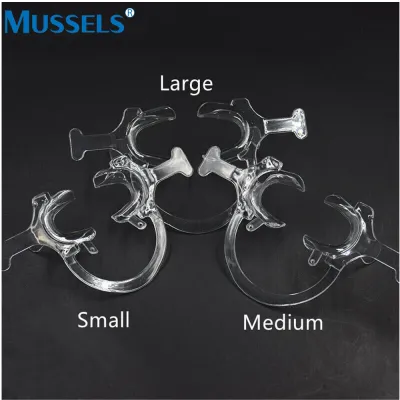
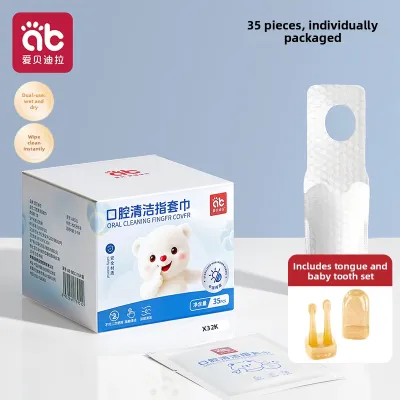
Prices are valid at publication and may change. Please refer to the product page for the latest price.
Before you even touch your baby’s gums, verify that your tools are developmentally appropriate. Check the product packaging to ensure the toothbrush head is small enough for an infant’s mouth and that the bristles are labeled as extra-soft. If you are using toothpaste, read the label carefully to confirm it is formulated for your baby’s specific age bracket, paying close attention to the manufacturer’s instructions regarding safety and usage amounts. Using the wrong size or texture can cause physical discomfort, immediately triggering a refusal to cooperate.
Step-by-Step Techniques to Encourage Your Baby to Open Up
Proper positioning provides the physical foundation for a successful brushing session. One highly effective method is the cradle hold, where you support your baby’s head in the crook of your arm, giving you a clear view of their mouth while keeping them feeling secure. Alternatively, the lap-to-lap method involves two caregivers sitting face-to-face, laying the baby’s head on one lap while the other caregiver gently manages the brushing. This stable positioning prevents sudden head movements, reducing the risk of accidental poking or slipping.

Turn the session into an engaging game to naturally trigger their curiosity. Sing a dedicated, upbeat brushing song or make silly, exaggerated mouth movements to encourage them to mimic you. Babies are natural copycats, and seeing your wide, smiling mouth can prompt them to open theirs in response. You can also use a playful voice to narrate what you are doing, turning the toothbrush into a friendly character visiting their teeth.
Modeling the behavior is another powerful tool in your parenting toolkit. Brush your own teeth alongside your baby, letting them watch you spit, rinse, and smile. This normalizes the toothbrush as a standard, non-threatening household object rather than a strange tool forced into their personal space. When they see that oral care is a normal, daily activity that their parents enjoy, they are much more likely to want to participate.
Introduce gentle tactile cues to ease the transition. Lightly tap or tickle your baby’s lips with the soft bristles of the brush to stimulate their natural opening reflex. You can also let them hold the brush and chew on the soft bristles under your close supervision, allowing them to explore the unique texture on their own terms before you begin the actual cleaning. This self-directed exploration helps desensitize their mouth to the sensation of the bristles.
Evaluating Physical "Mouth Openers" and Alternative Tools
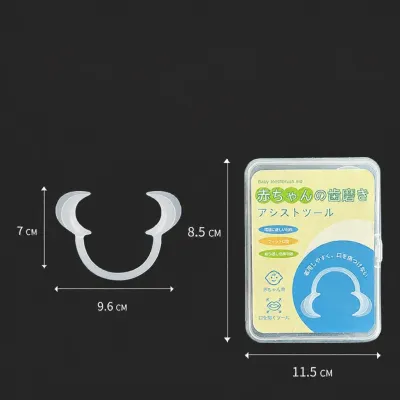
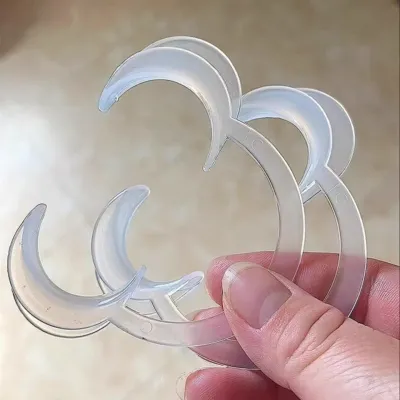
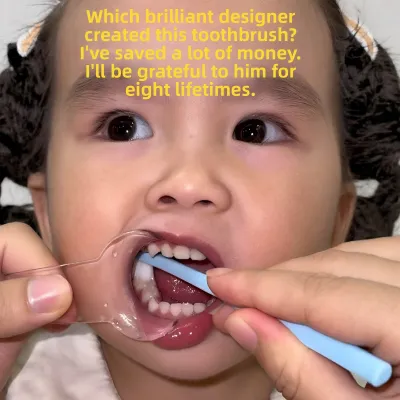
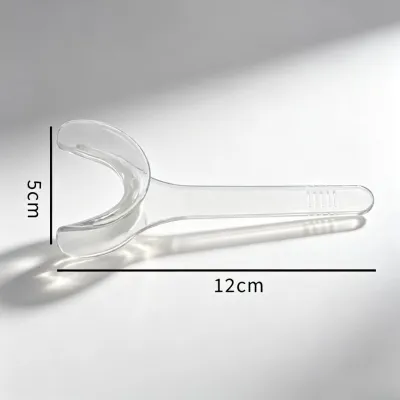
When searching for a “mouth opener for baby,” it is crucial to understand the distinct categories of oral tools available on the market. Teething toys are designed primarily for gum relief and sensory play, whereas silicone finger brushes are meant for gentle cleaning of early teeth and gums. Specialized bite blocks or physical mouth props, often used in clinical dental settings, are generally not recommended for home use unless explicitly prescribed and demonstrated by a pediatric dentist. When budgeting for these items, parents will find that high-quality, food-grade silicone brushes typically range from ₱150 to ₱400 in local baby specialty stores or reputable online marketplaces.
Always inspect the manufacturer’s labels for age, weight, and safety certifications before introducing any new oral aid. A tool that is perfectly safe for a toddler might pose a choking hazard for a younger infant. Look for high-quality, food-grade silicone construction that is free from harmful chemicals, and verify that the size matches your baby’s current developmental stage. Never purchase unbranded or unlabeled oral tools, as they may not meet strict safety standards.
Never attempt to force your baby’s mouth open using rigid plastic tools or physical restraint. Forcing the jaw open can cause bruising, soft tissue damage, or severe emotional distress, which can lead to long-term resistance to oral hygiene. Continuous, active adult supervision is mandatory whenever any oral tool, brush, or teething aid is in your baby’s mouth to prevent accidental choking or gagging. Your physical presence and careful monitoring are the most important safety measures during any oral care routine.
Regularly inspect all oral tools for signs of wear and tear, such as peeling silicone, loose bristles, or structural cracks. If you notice any damage, discard the tool immediately to prevent your baby from swallowing small parts. If your baby shows persistent signs of distress, gagging, or vomiting during use, stop using that specific aid immediately and consult a professional. It is always better to prioritize your baby’s comfort and safety over completing a single brushing session.
Troubleshooting: What to Do When Your Baby Still Refuses
If a standard baby toothbrush consistently triggers crying or a strong gag reflex, temporarily scale back to a gentler alternative. A clean, damp washcloth wrapped around your clean index finger can effectively wipe away plaque and milk residue from the gums and early teeth. Alternatively, a soft silicone finger swab can provide a transition step that feels less invasive to a sensitive baby. These softer methods allow you to maintain oral hygiene without escalating your baby’s anxiety.
Keep in mind that sudden resistance to brushing may be driven by physical discomfort rather than simple stubbornness. Teething pain can make gums incredibly tender, turning a routine brushing session into a painful experience. Other conditions, such as oral thrush—which presents as persistent white patches on the tongue or inner cheeks—can also cause soreness and require a pediatric check-up for proper treatment. If you suspect your baby is experiencing physical pain, pause the brushing and inspect their mouth gently.
If your baby begins to cry or show signs of intense frustration, implement the “pause and try later” rule. Forcing the issue when a baby is highly distressed only reinforces negative emotional associations with oral care. Step away, comfort your baby, and try again a few hours later or the following morning when they are in a more receptive mood. Building a positive, lifelong relationship with oral hygiene is far more important than forcing a single, stressful cleaning session.
Building a Positive Long-Term Oral Care Routine
Consistency is the cornerstone of building a cooperative, long-term habit. Try to brush your baby’s teeth at the same times every day, such as right after breakfast and immediately before bed, so they learn to expect the activity as a normal part of their daily rhythm. Predictability reduces anxiety and helps infants feel more in control of their environment. Over time, this repetition turns a potential struggle into an automatic, accepted part of their day.
Empower your baby by giving them a sense of autonomy during the process. Keep a spare, safe baby toothbrush on hand that they can hold, wave, or chew on while you use the primary brush to clean their teeth. This dual-brush strategy keeps their hands busy and makes them feel like active participants rather than passive subjects. Allowing them to “brush” your teeth or their toy’s teeth can also foster a sense of fun and control.
Focus on positive reinforcement to celebrate their cooperation. Offer enthusiastic verbal praise, high-fives, or a fun post-brushing cuddle to reward their efforts. Avoid using sweet treats or screen-time bribes as rewards, as these can undermine the intrinsic value of healthy habits and create unhealthy associations. Simple, genuine connection and praise are the most effective motivators for a young child.
Frequently Asked Questions (FAQ)
Is it safe to physically hold my baby's mouth open?
No, physically forcing or prying your baby’s mouth open is not safe and can lead to physical injury or psychological trauma. A baby’s jaw joints and surrounding facial tissues are highly delicate; applying excessive pressure can cause muscle strain, bruising, or joint damage. Instead of physical restraint, focus on gentle stabilization, such as cradling the head securely against your body, and use playful stimulation to encourage them to open up voluntarily.
When should I switch from a finger brush to a regular baby toothbrush?
You should consider transitioning from a silicone finger brush to a regular baby toothbrush when your baby’s first molars begin to erupt or when they develop a strong biting reflex that makes using your finger painful. Additionally, as your baby’s motor skills improve and they show an interest in holding objects, a small-headed, soft-bristled toothbrush with an ergonomic handle allows them to practice the motions of brushing under your supervision.
How do I manage toothpaste if my baby refuses to spit and keeps swallowing?
When your baby is too young to understand how to spit, you must carefully manage the type and amount of toothpaste used. Check the product label to ensure the toothpaste is safe if swallowed, and verify the recommended age range. Pediatric dental guidelines generally recommend using a tiny smear of toothpaste—no larger than a single grain of rice—for babies and toddlers who cannot yet spit, ensuring they do not ingest excessive amounts of fluoride.

Community discussion
Share your experience or ask a question. Comments are reviewed before publication.