
Finding a replacement straw for your child’s sippy cup is essential for maintaining hygiene and extending the life of a favorite cup. In the warm, humid climate of the Philippines, silicone straws are highly susceptible to moisture retention, mold growth, and wear from daily biting.
To find the correct replacement, you must match the exact brand and model of your cup, verify the specific valve mechanism, and check the physical dimensions of the collar and tube. Relying on generic “universal” straws often leads to leaks, poor suction, or choking hazards, making a precise match critical for your child’s safety and comfort. Always consult the manufacturer’s specific product documentation to verify age suitability, weight ranges, and safety warnings before introducing any new feeding accessory to your child.
Identify Your Sippy Cup's Brand and Exact Model
Start by examining the physical cup. Look closely at the bottom, sides, or collar of the cup. Manufacturers often engrave or print the brand name, model numbers, or batch codes directly onto the plastic or stainless steel surface. Over time, frequent washing in warm water can cause these markings to fade, making them difficult to read.
Products mentioned in this guide
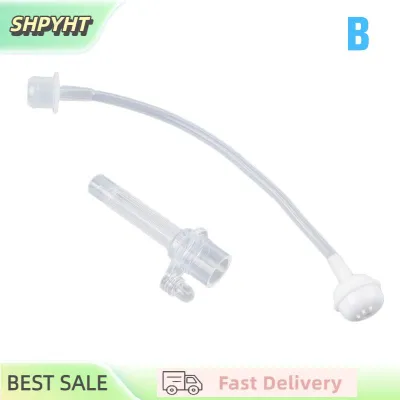
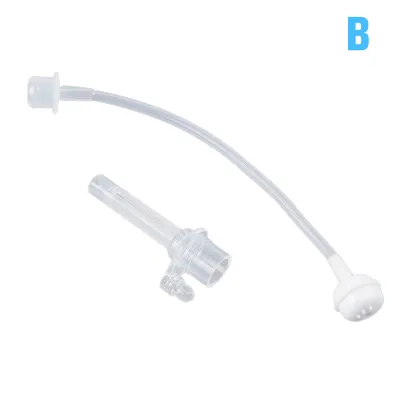
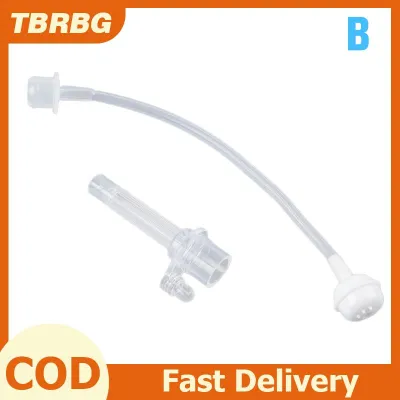
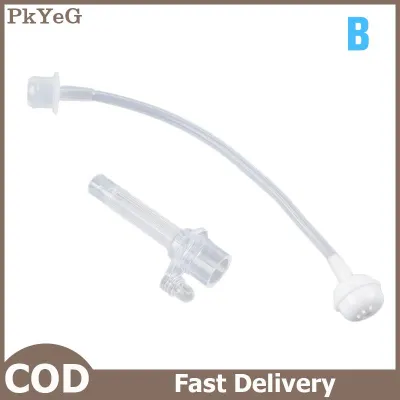
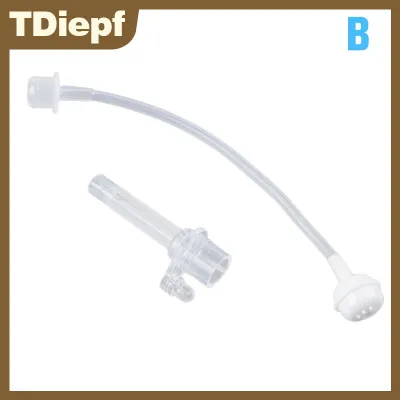
Prices are valid at publication and may change. Please refer to the product page for the latest price.
If the physical markings are no longer visible, retrieve the original packaging or the user manual if you kept them. Many parents find it helpful to take a photo of the packaging when first purchasing baby gear to keep a digital record of the exact model name.
Once you have the brand and model name, visit the manufacturer’s official website. Search for your specific cup model to locate the official replacement parts list. Note down the exact part number or SKU for the replacement straw, as this ensures you purchase the correct version designed specifically for your cup’s lid configuration.
Understand Common Sippy Cup Straw and Valve Types
Sippy cup straws are not simple hollow tubes; they feature specialized designs to control liquid flow and prevent spills. The most common types include open straws, bite valves, and cross-cut spill-proof silicone valves. Open straws allow free-flowing liquid, which is suitable for older toddlers who have mastered swallowing control.

Bite valves require the child to compress the silicone tip with their teeth or lips to open the passage, while cross-cut valves open automatically under suction. The physical shape of the straw tip also varies significantly. Straight straws require the child to tilt the cup or hold it upright, while angled straws are designed to reach the bottom corner of the cup easily.
Weighted straws feature a heavy anchor at the bottom of the tube, allowing the straw to move with the liquid so your child can drink from any angle, even when lying down. Additionally, you must verify whether your cup uses a multi-piece system or a single integrated unit. Some models require a separate internal valve piece that connects the straw to the lid, while others build the spill-proof valve directly into the silicone straw structure. Mixing up these configurations will prevent the cup from functioning or sealing properly.
Verify Compatibility and Sizing Specifications
Before purchasing any replacement straw, you must verify its physical dimensions. Compare the length and outer diameter of the replacement straw against the manufacturer’s published specifications. A straw that is too long will bend and block the flow of milk or water at the bottom of the cup, while a straw that is too short will leave your child unable to drink the remaining liquid.
Pay close attention to the shape of the straw’s top collar or gasket. This silicone flange must fit perfectly into the internal groove of the cup’s lid. If the collar is even a millimeter too small or too large, it will fail to create an airtight seal, resulting in frustrating leaks or a complete loss of suction when your child tries to drink.
Be highly cautious of products labeled as “universal” or “multi-brand” replacement straws. Unless the manufacturer explicitly lists your specific cup model as compatible on the packaging, these generic options rarely provide a secure fit. It is always safer to stick to model-specific parts to ensure proper function and prevent leaks.
Where to Source Safe and Authentic Replacement Straws
To protect your child from substandard materials, always prioritize sourcing replacement straws from official channels. Start by checking the brand’s official website or their verified official store on major online marketplaces. Purchasing directly from the manufacturer or their authorized distributors guarantees that you receive genuine, food-grade silicone parts that meet safety standards.
If you prefer shopping in person, visit authorized baby product retailers or physical department stores that specialize in infant care. These stores often stock genuine spare parts for the popular brands they carry. If you cannot find the parts on the shelves, ask the store staff if they can order them directly from the distributor.
When browsing online listings, carefully read the product descriptions for material safety claims, such as BPA-free and food-grade silicone certifications. Take time to read recent buyer reviews, focusing specifically on feedback regarding fit, durability, and leak performance. If multiple reviews mention that the straw does not fit the advertised model or has a chemical odor, look for an alternative seller.
Install and Test the New Straw for Leaks
Once you receive the replacement straw, wash it thoroughly before assembly. Follow the manufacturer’s specified assembly order, as inserting parts in the wrong sequence can damage the silicone. Gently pull the straw through the lid opening from the underside until the collar or gasket sits completely flat against the plastic groove, ensuring there are no pinches or twists.
After assembly, perform a simple water test to verify the seal. Fill the cup with room-temperature water, secure the lid tightly, and shake the cup vigorously upside down over a sink. If water drips from the collar or the air vent, disassemble the lid and check if the gasket is seated correctly.
Finally, observe the flow rate before giving the cup to your child. Squeeze the valve gently to ensure the slit opens properly, and test the suction yourself if necessary. The valve should open smoothly under normal drinking pressure without requiring excessive effort, which could frustrate your child or discourage them from drinking. If your child experiences persistent difficulty drinking or shows signs of swallowing discomfort, stop using the cup and consult a qualified pediatrician.
Clean and Maintain Replacement Straws
Maintaining a strict cleaning routine is vital, especially in the tropical heat of the Philippines where bacteria and mold thrive in damp spaces. Use a dedicated, thin straw brush to clean the inside of the silicone tube and the small valve slits after every use. Leftover milk or juice residue can quickly become a breeding ground for mold if not scrubbed away daily.
Before sterilizing or boiling the replacement straw, check the manufacturer’s label for dishwasher safety and temperature limits. While most food-grade silicone can withstand high temperatures, some weighted straws or plastic connectors may warp or degrade if exposed to boiling water or steam sterilizers for too long.
Inspect the silicone straw regularly during cleaning. Look for bite marks, tears, thinning areas, or persistent cloudiness that does not wash away. Children often chew on silicone straws, which can weaken the material and create small tears that harbor bacteria or pose a choking hazard. Replace the straw immediately if you detect any signs of damage or wear, and always supervise your child during use.
Frequently Asked Questions (FAQ)
Can I use a straw from a different brand if it looks the same size?
It is highly discouraged to use a replacement straw from a different brand, even if it appears to be the same size. Sippy cup lids are engineered with highly specific tolerances, and even a fraction of a millimeter difference in collar thickness or diameter can ruin the airtight seal. Using an incompatible straw can cause persistent leaks, loss of suction, or cause the straw to detach entirely while your child is drinking, which presents a choking hazard. Always verify compatibility with your exact model before purchasing.
How often should I replace my child's sippy cup straw?
As a general guideline, sippy cup straws should be replaced every two to three months, or immediately if you notice signs of wear. In humid tropical environments, mold can develop quickly in hard-to-reach crevices, requiring more frequent replacement. You should also inspect the straw daily for bite marks, tears, or structural weakness caused by teething. If the silicone becomes cloudy, sticky, or shows any tears, stop using it immediately and install a new replacement straw to ensure your child’s safety and hygiene.

Community discussion
Share your experience or ask a question. Comments are reviewed before publication.