
Finding the correct Momcozy flange insert size is essential for a comfortable and productive pumping experience. To determine the right size, you must measure the diameter of your nipple base before pumping and add a small clearance margin, typically one to three millimeters. Because standard breast pumps usually come with larger 24mm or 28mm breast shields, using a properly sized silicone insert is the most effective way to narrow the tunnel to match your unique anatomy. A precise fit ensures optimal milk expression, prevents painful friction, and protects delicate breast tissue from swelling or long-term damage.
Why the Right Flange Insert Size Matters
A breast pump relies on a precise vacuum seal to mimic a baby’s natural nursing rhythm. When you use a flange tunnel that matches your nipple diameter, the suction transfers directly to the milk ducts without compressing or stretching the surrounding tissue. This efficient suction transfer stimulates the let-down reflex and allows milk to flow freely, helping you maintain or increase your milk supply over time.
Conversely, using an incorrect size can lead to significant physical discomfort and decreased milk output. If the tunnel is too narrow, the constant friction can cause painful nipple trauma, skin chafing, and swelling, which actually blocks the milk ducts and restricts flow. If the tunnel is too wide, the pump will pull the sensitive skin of your areola into the tube, leading to bruising, fluid retention, and a weak vacuum seal.
Products mentioned in this guide
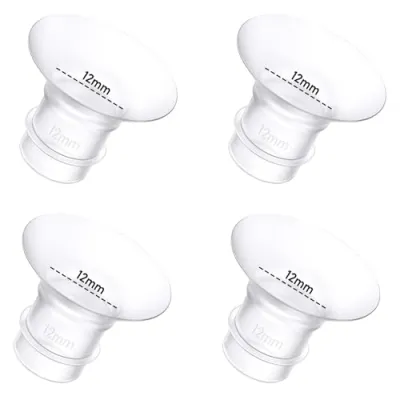
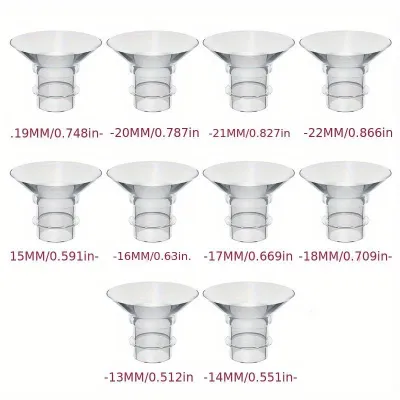
Prices are valid at publication and may change. Please refer to the product page for the latest price.
Silicone flange inserts are designed to solve this common issue by customizing standard hard plastic breast shields. These flexible, food-grade silicone adapters slide directly into the existing 24mm or 28mm flange, reducing the inner diameter to a more suitable size, such as 17mm, 19mm, or 21mm. In the warm and humid climate of the Philippines, ensuring a snug, customized fit with high-quality silicone is especially important to prevent sweat-induced slipping and skin irritation during long pumping sessions.
How to Measure Your Nipple Diameter Accurately
To find your baseline size, you need to measure the diameter of your nipple bud accurately before you begin a pumping session. You can use several simple tools for this task, including a specialized circular measuring card, a rigid ruler, or digital calipers. Many mothers find that a printable paper measuring tool or a plastic sizing card with pre-cut circular holes provides the most accurate and convenient measurement.

When measuring, stand in front of a mirror in a well-lit room. Place the measuring tool directly over your nipple bud. It is crucial to measure only the diameter of the nipple itself, completely excluding the surrounding dark areola. If you are using a sizing card, find the smallest circle that fits comfortably over your nipple without compressing the sides. If you are using a standard ruler, align the zero mark with one edge of the nipple base and read the measurement in millimeters across to the opposite edge.
Once you have the exact measurement of your nipple base, add one to three millimeters to determine your starting insert size. For example, if your nipple base measures 17mm, a 19mm or 21mm insert is generally the recommended starting point. This extra clearance allows the nipple room to expand slightly under vacuum without rubbing against the tunnel walls.
Always measure both nipples independently. Natural asymmetry is highly common, and many mothers find that their left and right nipples require different insert sizes. Using the same size for both sides when they differ can lead to localized pain or poor milk extraction on one breast.
Signs Your Current Flange Insert Is the Wrong Size
Recognizing the physical and visual signs of an improper fit can help you diagnose issues before they cause tissue damage. If your flange insert is too small, you will likely feel a sharp pinching or burning sensation during the expression phase. Visually, your nipple may rub constantly against the silicone walls, and it might appear squished, misshapen, or white at the tip (a condition known as blanching) immediately after you turn off the pump. You may also notice that your milk flow is unusually slow or stops entirely, even though your breasts still feel full.
If the insert is too large, you will observe a significant portion of your areola being drawn into the tunnel with each suction cycle. This excessive pulling often causes a dull, aching pain deep within the breast tissue and can lead to swelling or fluid buildup around the base of the nipple. You might also experience frequent air leaks, where the pump loses its vacuum seal against your skin, requiring you to constantly press the pump against your breast to maintain suction.
It is important to differentiate between normal pumping sensations and pain that signals a poor fit. Pumping should feel like a firm, rhythmic tugging or pulling that is entirely tolerable. While you might feel a slight stretch, you should never experience sharp pain, raw friction, or bruising. If a session becomes painful, it is a clear indicator that your current insert size is incorrect or that your pump’s suction level is set too high.
How to Test and Adjust Your Fit During a Pumping Session
Before starting your pump, ensure that your silicone insert is assembled correctly. Press the insert firmly into the hard plastic flange, making sure there are no air gaps, folds, or creases along the tunnel. The outer lip of the silicone insert must wrap securely around the rim of the flange to prevent air leaks and maintain a stable vacuum.
Once the pump is assembled and positioned over your breast, start the session on the lowest suction setting, typically the let-down or stimulation mode. Watch the movement of your nipple through the transparent flange. Your nipple should align perfectly with the center of the tunnel and move back and forth freely without rubbing against the sides. Only a minimal amount of the areola should enter the tunnel during the pull phase.
If you observe the nipple rubbing or the areola pulling deeply into the tube, pause the pump immediately. Never pull the pump away from your breast while the motor is running, as this sudden release of vacuum can cause skin damage. Instead, break the seal gently by inserting a clean finger between your breast and the flange, then turn off the device. Swap the insert for a larger or smaller size as indicated by your observations, and resume the session on a low setting to re-evaluate the fit.
When to Reassess and Remeasure Your Flange Size
Your flange insert size is not permanent and will likely change at various points in your breastfeeding journey. In the early postpartum weeks, your breasts undergo rapid physiological shifts. Initial engorgement, fluid retention, and localized swelling can make your nipples appear larger than their true resting size. As your milk supply stabilizes and postpartum swelling subsides, your nipples may shrink, meaning you will need to transition to a smaller insert size to maintain efficient suction.
Natural fluctuations can also occur later on. Changes in your pumping frequency, weight loss or gain, and the return of your menstrual cycle can all influence tissue elasticity and nipple diameter. If you suddenly experience a drop in milk output or find that your usual pump settings feel uncomfortable, it is time to take out your measuring tool and check your size again.
While self-adjusting with different insert sizes resolves most fit issues, there are times when professional guidance is necessary. If you continue to experience persistent pain, localized redness, hard lumps that suggest plugged ducts, or a sudden, unexplained drop in milk supply despite trying different sizes, stop adjusting on your own. Consult an International Board Certified Lactation Consultant (IBCLC) or a healthcare provider. They can evaluate your pumping setup, assess your breast health, and provide personalized recommendations to ensure you can pump comfortably and safely.
Frequently Asked Questions (FAQ)
Can I use third-party inserts with my Momcozy breast pump?
When selecting accessories, it is highly recommended to check the manufacturer’s official guidelines regarding cross-compatibility. While many silicone inserts sold on online marketplaces appear identical, slight variations in thickness, length, and taper can affect how they fit inside your specific Momcozy pump model. Using incompatible third-party inserts can result in a poor seal, loss of suction, or milk leaking into the pump’s motor assembly. Additionally, using unofficial accessories that cause mechanical issues may void your device’s warranty, so verifying compatibility beforehand is essential.
Should I measure my nipples before or after pumping?
You should always measure your nipples before you begin a pumping session to capture their natural, resting diameter. Pumping subjects the delicate tissue to vacuum pressure, which temporarily increases blood flow and causes localized swelling or engorgement. If you measure immediately after a session, your nipples will likely appear several millimeters larger than they actually are. Selecting an insert based on post-pump measurements often results in buying a size that is too large, which will pull your areola into the tunnel and cause discomfort during your next session.

Community discussion
Share your experience or ask a question. Comments are reviewed before publication.