
Choosing the right Legendairy flange insert size involves measuring the diameter of your nipple base in millimeters before a pumping session, then selecting an insert size that matches your measurement or is slightly larger, depending on your tissue elasticity. Because standard breast pump shields are often too large for many mothers, a properly sized silicone insert bridges the gap to ensure a secure seal, prevent painful friction, and support efficient milk expression. Finding this correct fit is one of the most effective ways to protect your breast health and maintain a comfortable pumping routine.
Why Flange Insert Size Matters for Pumping Comfort
Breast pump manufacturers typically package their devices with standard hard plastic breast shields, often in sizes like 24 mm or 28 mm. However, a significant number of breastfeeding mothers require a smaller tunnel diameter to pump comfortably and efficiently. Silicone flange inserts are designed to slide directly inside these standard hard plastic shields, narrowing the tunnel to adapt the pump to your unique anatomy without requiring you to purchase entirely new shield assemblies.
Using an insert that matches your physical dimensions is crucial for preventing tissue damage. When a flange tunnel is too wide, the pump’s vacuum draws excessive areolar tissue into the tunnel alongside the nipple. This friction can cause severe swelling, skin abrasions, and deep tissue bruising. In humid tropical climates, such as in the Philippines, friction against damp skin can quickly lead to painful chafing and localized skin irritation, making a soft, smooth silicone barrier highly beneficial for daily comfort.
Products mentioned in this guide
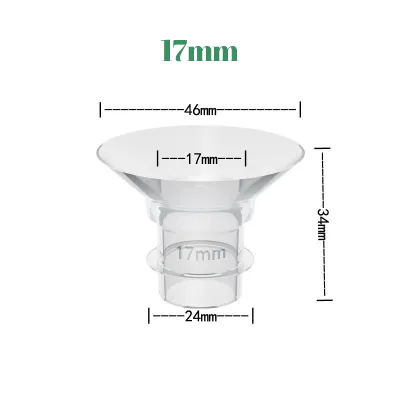
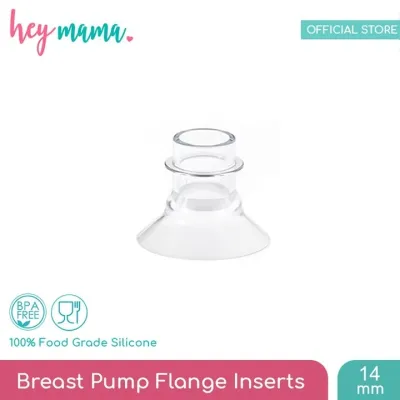
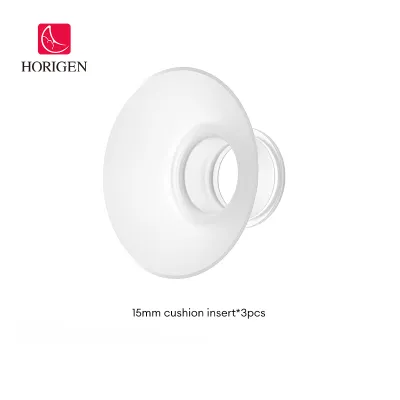
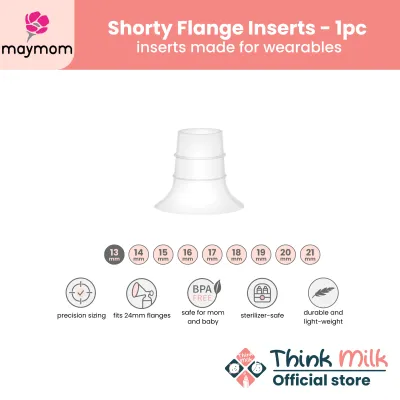
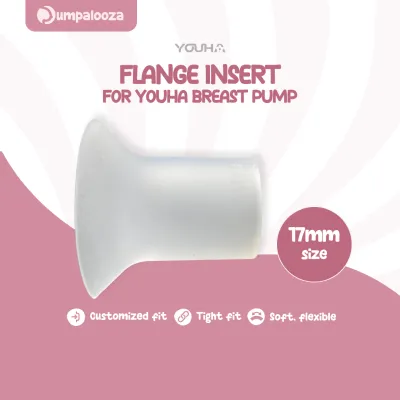
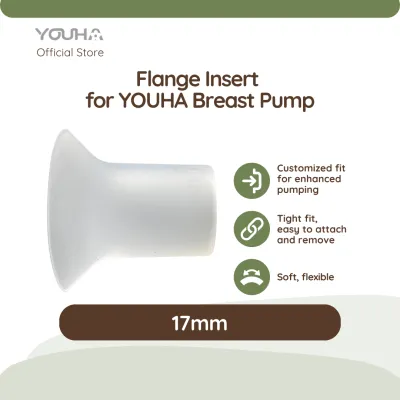
Prices are valid at publication and may change. Please refer to the product page for the latest price.
Beyond comfort, the correct insert size directly impacts your milk supply. Efficient milk removal relies on the targeted stimulation of the milk ducts located just behind the nipple. If the flange is poorly fitted, the vacuum pressure is distributed unevenly, which can compress the milk ducts rather than stimulating them. This compression restricts milk flow, leads to incomplete breast emptying, and may eventually cause clogged ducts or a decrease in overall milk production. Transitioning to a properly sized silicone insert helps maintain consistent, gentle stimulation for optimal output.
How to Measure Your Nipples for a Flange Insert
To establish an accurate baseline for your insert size, you must measure the diameter of your nipple base before you begin pumping. Measuring after a session can yield inaccurate results, as the vacuum suction temporarily stretches and swells the tissue.

To perform this measurement, you will need a specialized tool designed for breast pump sizing. A printable circular sizing guide or a flexible silicone measuring ruler calibrated in millimeters is highly recommended. Avoid using standard household rulers or construction tape measures, as these lack the precision required for millimeter-level accuracy.
Follow these steps to measure your nipple base:
- Stimulate the nipple slightly so that it becomes erect, which helps define the boundary where the nipple meets the surrounding skin.
- Place the sizing tool over the nipple, finding the smallest circular opening that fits comfortably over the nipple without compressing it.
- Ensure the opening only surrounds the nipple tissue itself; do not include any part of the darker areola in this measurement.
- Note the measurement in millimeters.
When cross-referencing your measurement with the manufacturer’s sizing chart, keep tissue elasticity in mind. If your tissue is highly elastic—meaning your nipples stretch significantly or pull deep into the tunnel during pumping—you may need an insert that matches your exact measurement or is even 1 mm smaller to prevent the tissue from stretching excessively. For average tissue elasticity, choosing an insert that is 1 mm to 2 mm larger than your pre-pumping measurement generally provides the ideal balance of clearance and support. Always verify the specific brand’s sizing recommendations, as sizing guidelines can vary across different product lines.
Signs Your Current Flange Insert Fits Correctly
An ideal fit can be verified through several observable checkpoints during and immediately after your pumping session. When the insert is sized correctly, you will see your nipple move freely back and forth within the silicone tunnel. It should remain centered, gliding smoothly without rubbing against the sides of the tube or twisting under suction.
Another key indicator is the behavior of your areola. Only a minimal amount of areolar tissue—or none at all—should be drawn into the tunnel. The edge of the silicone insert should rest comfortably against your breast, maintaining a secure, airtight seal without digging into your skin or leaving deep, painful indentations.
After you turn off the breast pump and remove the shield, your breast tissue should show no signs of distress. There should be no pain, skin blanching (where the nipple tip turns white or blue due to restricted blood flow), or raw, red friction marks. Your nipples should return to their resting state without lingering discomfort. Additionally, you should experience a steady, consistent milk flow, and your breasts should feel noticeably softer, lighter, and completely emptied at the end of the session.
Troubleshooting Common Fit Issues with Silicone Inserts
Even with careful measurement, you may need to troubleshoot your fit based on how your body responds during actual use. Physical feedback during a session is your most reliable guide for determining whether you need to adjust your insert size.
When the Insert Is Too Small
If your flange insert is too small, the most immediate symptom is a pinching or burning sensation at the base of the nipple. Because the tunnel is too narrow, the nipple cannot glide freely; instead, it rubs constantly against the silicone walls. This friction can quickly cause blisters, skin peeling, or painful cracks.
Visually, you may notice that the tip of your nipple looks flattened, distorted, or completely white after pumping, indicating that the blood supply was temporarily restricted. You may also observe a sudden drop in milk output, as the tight tunnel compresses the milk ducts and prevents the breast from emptying. If you experience these symptoms, stop using the insert immediately, remeasure your nipple base, and transition to a larger size to restore proper circulation and comfort.
When the Insert Is Too Large
An insert that is too large fails to provide the localized support your nipple needs. The primary sign of an oversized fit is the excessive pulling of your areola into the silicone tunnel. You may see a large portion of the breast tissue stretching deep into the shield, which often leads to swelling, fluid retention (edema) in the areola, and bruising.
Additionally, an oversized insert makes it difficult to maintain a consistent vacuum. You may experience frequent air leaks, requiring you to press the shield firmly against your breast, which can cause uneven suction distribution and localized discomfort. If you notice your areola stretching into the tunnel or struggle to maintain a seal, try sizing down to a smaller insert to keep the suction focused solely on the nipple.
Care and Maintenance of Silicone Flange Inserts
Proper care and maintenance are essential for preserving the integrity, hygiene, and suction performance of your silicone flange inserts. Because silicone is a soft, porous material, it requires gentle handling to prevent premature wear and tear.
Routine Washing Instructions
- Wash the inserts after every use using warm, soapy water and a mild dishwashing liquid.
- Use your fingers or a soft sponge to clean the inside of the tunnel; avoid using harsh bottle brushes with exposed metal wires, which can easily scratch or puncture the silicone.
- Rinse thoroughly with clean water to remove all soap residue, then allow the inserts to air dry completely on a clean, dedicated drying rack.
Sterilization and Chemical Safety
- Always check the manufacturer's specific guidelines before sterilizing. While many silicone inserts can withstand boiling water for a few minutes, excessive exposure to high heat can degrade the material.
- Avoid using harsh chemical sanitizers, bleach, or abrasive cleaning agents, as these can break down the silicone structure and leave harmful residues.
- If you use a UV sterilizer, verify that your specific inserts are UV-compatible, as prolonged UV exposure can cause some silicone formulations to become brittle or discolored.
Inspection and Replacement
- Inspect your inserts weekly for signs of wear, such as micro-tears, thinning areas, cloudiness, or a sticky texture.
- Pay close attention to the thin edges of the insert, as these are most susceptible to tearing during assembly or cleaning.
- Replace your silicone inserts every 1 to 3 months, depending on your pumping frequency. Over time, silicone naturally loses its elasticity and structural integrity, which can lead to a loss of suction and a less comfortable fit.
Frequently Asked Questions (FAQ)
Can I use a Legendairy flange insert with other breast pump brands?
Yes, silicone flange inserts are generally compatible with a wide variety of breast pump brands, provided they are inserted into a hard plastic shield of the correct size. Most inserts are designed to fit securely inside a standard 24 mm or 28 mm plastic flange. However, you must verify the internal dimensions and connection types of your specific pump shields before use. Forcing an insert into an incompatible or oddly shaped shield can warp the silicone, break the vacuum seal, or damage the parts. Always consult the manufacturer’s compatibility guidelines or reach out to customer support if you are unsure.
Do nipple sizes change over time, requiring a new insert size?
Nipple sizes frequently change throughout your breastfeeding and pumping journey. During the early postpartum weeks, hormonal shifts, breast engorgement, and fluid retention can cause your nipples to appear larger or more swollen. As your milk supply stabilizes and swelling subsides, your nipple diameter may decrease, requiring you to size down for a proper fit. Additionally, temporary swelling can occur during a single pumping session due to vacuum suction. It is highly recommended to remeasure your nipples every few weeks, or whenever you experience new discomfort or a change in pumping efficiency, to ensure your insert size remains correct.

Community discussion
Share your experience or ask a question. Comments are reviewed before publication.