
When feeding your infant, safety is the absolute priority. Dr. Brown’s baby bottles are widely celebrated for their specialized anti-colic design, but their popularity also makes them a frequent target for counterfeiters. Feeding a baby from a counterfeit bottle exposes them to unregulated materials and structural hazards. Finding the genuine dr brown official store on your preferred online marketplace is the most reliable way to ensure you are purchasing authentic, safe, and high-quality feeding gear.
Shopping online in the Philippines offers unmatched convenience for busy parents, but it also requires a high level of vigilance. Unregulated third-party sellers can easily set up shop and list counterfeit baby products that look remarkably similar to the real thing. By learning how to spot the official store and inspect physical products, you can protect your baby’s health and ensure your peace of mind.
The Health and Safety Risks of Counterfeit Baby Bottles
Counterfeit baby bottles pose severe risks to an infant’s health and development. Unlike genuine products, fake bottles do not undergo strict regulatory safety checks. They are often manufactured using cheap, non-food-grade plastics that may contain bisphenol A (BPA), phthalates, or other hazardous chemical softeners. When these bottles are heated, sterilized, or exposed to warm milk, these unsafe chemicals can leach into the liquid, posing long-term health risks to your developing baby.
Products mentioned in this guide
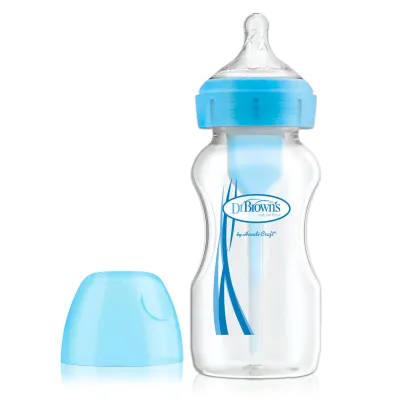
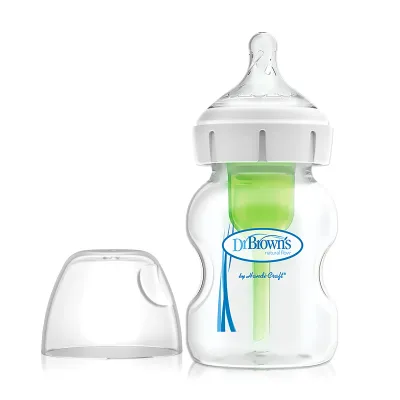
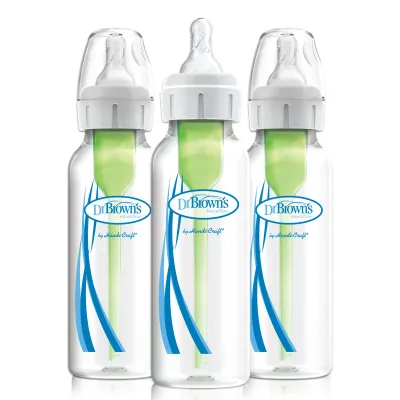
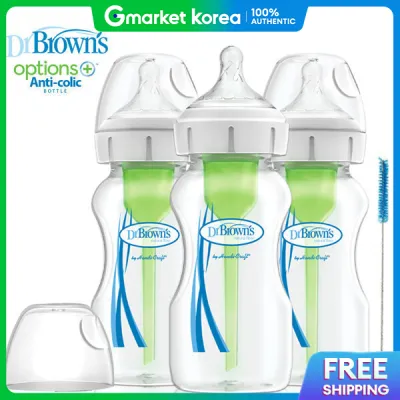
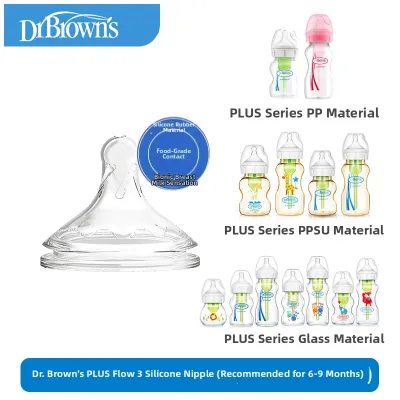
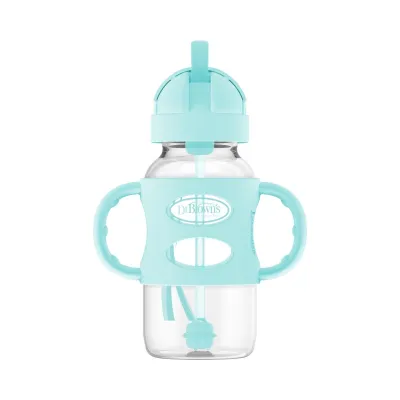
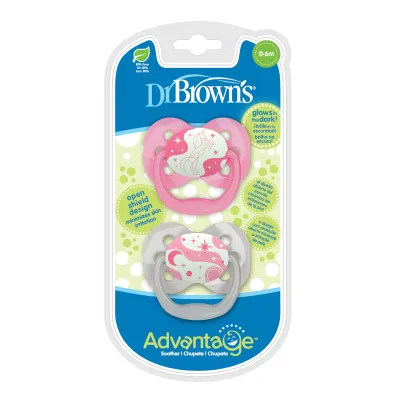
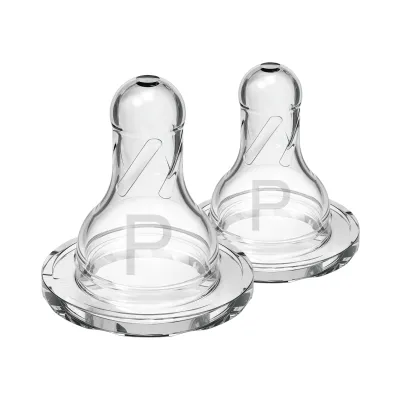
Prices are valid at publication and may change. Please refer to the product page for the latest price.
Poor manufacturing standards also introduce immediate physical hazards. Counterfeit bottles may have weak seams, brittle plastic, or poorly molded parts that can easily break or detach, presenting a serious choking hazard. Additionally, in the warm and humid tropical climate of the Philippines, poorly sealed seams and rough plastic edges become breeding grounds for bacteria and mold, which are incredibly difficult to clean and can lead to gastrointestinal infections.
Finally, the signature anti-colic vent system in counterfeit bottles is rarely engineered correctly. When the vent system fails to regulate pressure and airflow, babies ingest excessive air during feeding. This can lead to severe gas, colic, painful spit-ups, and general feeding discomfort, completely defeating the purpose of choosing a premium bottle.
How to Find and Verify the Genuine Dr. Brown Official Store Online
Navigating online marketplaces requires a methodical approach to separate authentic distributors from unauthorized sellers. By focusing on platform-verified credentials and store performance metrics, you can confidently locate the genuine brand presence.

Recognizing Platform Verification Badges
Major e-commerce platforms in the Philippines use specific verification systems to help shoppers identify official brand stores. When searching for feeding supplies, look closely for distinct tags such as “Mall,” “Official Store,” or “Flagship” displayed prominently next to the store name. These badges are not merely decorative; they indicate that the platform has thoroughly vetted the seller’s business registration, tax documents, and official brand authorization letters.
Be wary of stores that use confusingly similar names, such as “Dr. Brown’s Outlet,” “Dr. Brown’s Baby Shop,” or “Dr. Brown’s Co.” without these official verification tags. Anyone can write a brand name in their shop title, but only authorized distributors receive official platform badges. Always visit the store’s main profile page and check the “About” section for uploaded authorization certificates or local business permits. If the store profile lacks these credentials or shows low-resolution, suspicious documents, it is best to find an alternative seller.
Analyzing Store History and Customer Feedback
An official storefront typically boasts a long operational history and a substantial follower base, often numbering in the tens of thousands. Brand-authorized flagship stores do not appear overnight. If you encounter a shop that has only been active for a few weeks or months but carries a massive inventory of heavily discounted premium bottles, proceed with extreme caution.
Customer reviews provide invaluable real-world clues, but they must be analyzed critically. Instead of relying solely on the overall star rating, filter the feedback to view only verified purchases that include photos and videos. Authentic buyers in the Philippines frequently share detailed photos of the packaging, the bottle base, and the internal vent pieces.
Watch out for signs of review manipulation. A high volume of generic, repetitive five-star reviews that use identical phrasing, lack photos, or read like poorly translated machine text is a classic red flag. Genuine reviews typically feature natural, varied language, specific details about shipping times, and real-world photos of the unboxed product in a home setting.
How to Inspect Physical Features of Authentic Dr. Brown's Bottles
If you have already purchased a bottle and want to verify its authenticity before using it, a close physical inspection of the packaging and the bottle components will reveal whether it is genuine.
Examining Packaging, Labels, and Batch Codes
Genuine Dr. Brown’s bottles are packaged in high-quality cardboard boxes featuring crisp, high-resolution printing and consistent brand colors. Counterfeit packaging often looks slightly faded, blurry, or has misaligned text because counterfeiters frequently use low-quality scans of original boxes.
Carefully read the warning labels, instructions, and descriptions on the box. Authentic packaging features flawless, grammatically correct English. In contrast, fake packaging often contains spelling mistakes, odd spacing, or awkward phrasing. Always check the included manufacturer warnings and care instructions for sterilization limits, as improper boiling or heating can damage the bottle materials.
Look for specific manufacturing details on both the box and the bottle. Authentic products display clear, embossed or printed batch codes, manufacturing dates, and material identifiers (such as PP, PPSU, or glass symbols) on the base of the bottle. These markings should be cleanly molded into the material, not printed with cheap ink that rubs off easily. Additionally, genuine boxes always include a comprehensive, high-quality instruction manual and warranty card, which counterfeiters often omit to save on production costs.
Checking the Anti-Colic Vent System and Nipple Texture
The patented internal vent system is the most difficult component for counterfeiters to replicate accurately. A genuine Dr. Brown’s vent insert and reservoir tube are made from rigid, high-grade, food-safe plastic and silicone that fit together perfectly without any gaps. The parts should assemble smoothly and sit snugly inside the neck of the bottle. Counterfeit vents are often made from flimsy, highly flexible plastic that warps easily when exposed to warm water, or they may have uneven edges that prevent a proper seal.
Next, evaluate the silicone nipple. Genuine nipples are crafted from medical-grade silicone that is exceptionally soft, flexible, and uniform in thickness. They feature clearly molded flow-rate markings around the base rim. Counterfeit nipples are often noticeably stiff, have an uneven thickness, or emit a strong, unpleasant chemical or rubber odor.
When selecting nipples, always verify the recommended age, development stage, and flow rate from the official product documentation rather than relying solely on the product name. If your baby continues to experience feeding difficulties, colic, or discomfort despite using genuine gear, stop use and consult a pediatrician or a qualified lactation professional. Remember that no single physical feature guarantees authenticity on its own; you must evaluate the packaging, the vent assembly, the nipple texture, and the overall build quality collectively.
Common Red Flags of Fake Sellers and Counterfeit Products
Recognizing the deceptive tactics used by unauthorized sellers can save you from purchasing unsafe feeding gear in the first place.
Unrealistic Pricing and Misleading Promotions
Price is often the most immediate indicator of a counterfeit product. While genuine Dr. Brown’s bottles represent a premium investment—typically ranging from ₱450 to over ₱950 per bottle depending on the material, such as standard polypropylene (PP) or premium polyphenylsulfone (PPSU) and glass—counterfeiters entice buyers with impossibly low prices. If a seller offers a multi-pack of bottles for ₱200 to ₱300, it is highly likely to be a fake.
Be exceptionally cautious of listings that claim to sell “factory overruns,” “export left-overs,” or “damaged box stock” at a fraction of the standard retail price. The brand maintains strict quality controls and does not liquidate defective or excess inventory to unauthorized online merchants. Always compare the seller’s price against the baseline prices found on the official brand website or the verified flagship store to establish a realistic price range.
Manufacturing Flaws and Missing Components
Close inspection of the bottle’s construction often reveals glaring manufacturing defects. Authentic bottles have smooth, clean seams where the plastic molds joined. Counterfeit bottles frequently exhibit rough, raised, or sharp plastic edges along the sides, collar, or base. Furthermore, the printed measurement markings and brand logos on a genuine bottle are perfectly aligned, sharp, and highly durable. On a fake bottle, these markings may be crooked, printed in the wrong font, or easily scratched off with a fingernail.
Additionally, check for missing components. Genuine Dr. Brown’s bottle kits almost always include a specialized, thin wire cleaning brush designed specifically to clean the narrow internal vent tube. Counterfeit sets often omit this crucial cleaning tool, or substitute a cheap, oversized plastic brush. Other missing items may include travel caps, silicone sealing discs, or proper protective caps.
Finally, test how easily the collar screws onto the bottle. A genuine collar threads smoothly and seals tightly. Counterfeit collars often have poorly molded threads, causing them to slip, cross-thread, or leak milk during feeding.
Steps to Take If You Receive a Suspected Fake Bottle
If you suspect you have received a counterfeit bottle, stop using it immediately. Do not attempt to wash, sterilize, or feed your baby with it, as heat can cause unverified plastics to leach harmful chemicals. Keep all the original packaging, shipping labels, invoices, and any chat history with the seller, as these will serve as vital evidence.
Log into your online marketplace account and initiate a formal return and refund request. Select “Counterfeit Product” or “Item Not as Described” as the reason for your request. Upload clear, high-resolution photos comparing the suspected fake with a known genuine bottle, highlighting the physical flaws, missing components, or lack of official markings. Avoid settling the dispute privately with the seller outside the platform, as this deprives you of buyer protection.
Report the fraudulent storefront to the e-commerce platform’s customer support team to help protect other parents. Additionally, you can reach out to the official customer support for Dr. Brown’s or their authorized distributor in the Philippines to report the unauthorized seller and verify if the shop is an approved retail partner.
Frequently Asked Questions (FAQ)
Can I verify a Dr. Brown's bottle using a QR code or batch number?
While some specific product lines or regional packages feature QR codes or batch tracking systems, these security measures vary significantly depending on the manufacturing date and the target market. Do not rely solely on third-party barcode or QR scanning apps, as counterfeiters can easily copy and print a genuine QR code onto thousands of fake boxes. For the most accurate and up-to-date verification methods, check the official Dr. Brown’s website or contact their customer support directly.
Are authorized third-party resellers safe to buy from?
Yes, purchasing from authorized third-party resellers is safe. Many established local maternity boutiques, department stores, and major pharmacy chains in the Philippines operate verified online storefronts and source their inventory directly from the official distributor. To ensure a reseller is legitimate, check if they are listed on the brand’s official distributor directory, or ask the seller directly to provide their official certificate of authorized retail partnership.
What if the bottle looks real but the anti-colic vent doesn't fit properly?
A poorly fitting vent can be a sign of a counterfeit product, but it can also indicate a mismatch between different bottle generations or a rare manufacturing defect. Dr. Brown’s has produced several bottle styles over the years, such as the Natural Flow, Options, and Options+ lines. The internal vents and nipples from these different lines (such as narrow-neck versus wide-neck designs) are not always interchangeable. If you are certain you have matched the correct parts and they still do not fit, contact the seller or the official customer support team with photos of the assembly to determine if you have a counterfeit or a valid warranty claim.

Community discussion
Share your experience or ask a question. Comments are reviewed before publication.