
Finding the official Avella store online requires a systematic approach to protect your baby’s delicate skin from counterfeit products. To ensure you are purchasing genuine baby bath and skincare items, you must look for verified flagship or mall badges on major e-commerce platforms, cross-reference seller links with the brand’s official social media channels, and perform physical inspections of the packaging and product consistency upon delivery. In a tropical climate like the Philippines, where high humidity and heat can easily trigger baby skin irritation, using authentic, regulated skincare is essential for maintaining your little one’s skin barrier.
Why Authentic Baby Skincare Matters for Your Little One
A baby’s skin is significantly thinner and more sensitive than adult skin, making it highly susceptible to environmental factors. In warm, humid tropical environments, sweat and friction can easily compromise the skin barrier, leading to chafing, heat rashes, and dryness. Authentic baby skincare products are formulated with carefully selected, regulated ingredients designed to support this delicate barrier without causing irritation. When you purchase from verified sources, you ensure that the products have undergone standard quality control measures and adhere to safety guidelines.
Counterfeit baby products, on the other hand, bypass all regulatory oversight and quality checks. These unauthorized imitations are often manufactured in unsanitary facilities where dust, heavy metals, or banned chemical preservatives can contaminate the batches. Because counterfeiters aim to minimize production costs, they may use harsh industrial surfactants, synthetic fragrances, or expired ingredients that can trigger severe skin reactions, contact dermatitis, or long-term discomfort.
Products mentioned in this guide
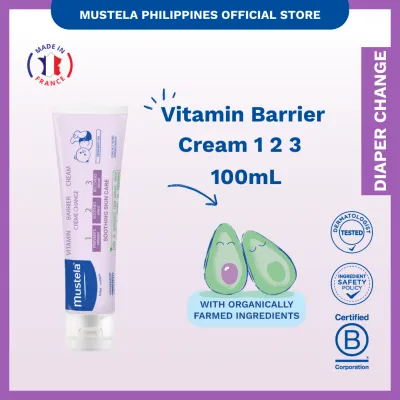
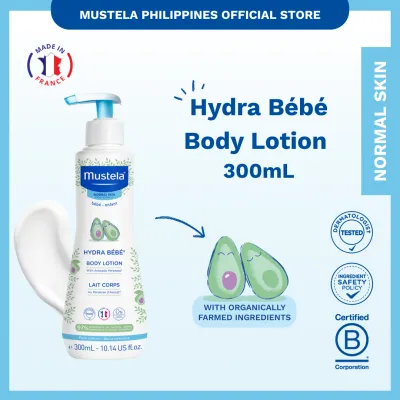
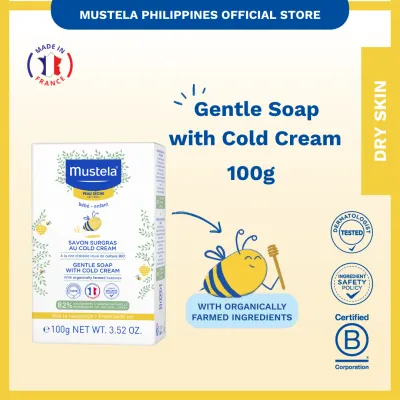
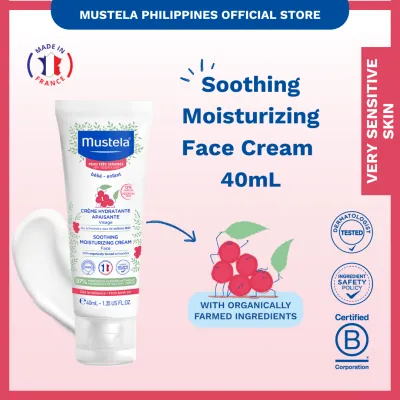
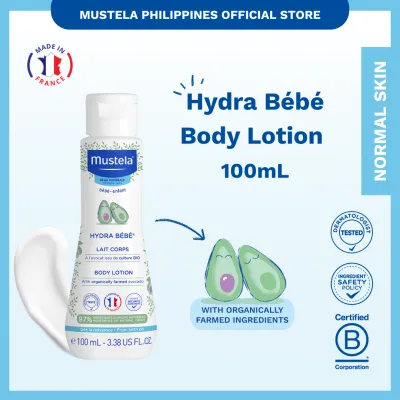
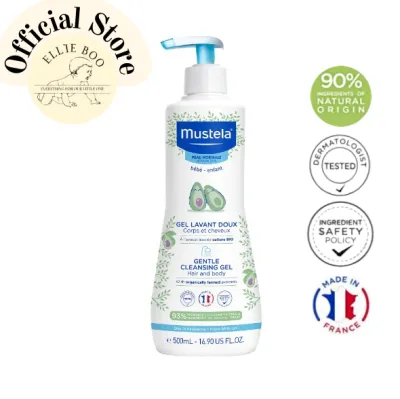
Prices are valid at publication and may change. Please refer to the product page for the latest price.
Relying solely on visual appeal or steep discounts is a risky approach when shopping for your child. Counterfeiters have become highly skilled at replicating bottle shapes, label colors, and brand logos, making it difficult to spot a fake at a glance. A low price tag might seem like a great deal, but extreme discounts often signal that the product did not go through legitimate manufacturing, testing, or importation channels. Investing in authentic products is a fundamental step in safeguarding your baby’s daily comfort.
How to Verify the Official Avella Store on E-commerce Platforms
Navigating online marketplaces requires a critical eye to distinguish authorized distributors from unauthorized third-party sellers. The most reliable starting point is to look for platform-specific verification markers. Major e-commerce platforms feature distinct badges—such as “Mall,” “Flagship Store,” or “Verified Seller”—directly on the store homepage and product listings. These badges indicate that the platform has verified the seller’s business registration, trademark ownership, or official authorization from the brand. Always look for these labels before adding any baby wash, lotion, or cream to your digital cart.

Do not rely on search results alone, as unauthorized sellers often use search engine optimization and sponsored ads to appear at the top of product listings. To ensure you are visiting the genuine store, cross-reference the marketplace link with Avella’s official website or verified social media profiles. Legitimate brands typically maintain active social media pages with blue verification checkmarks. These official pages usually feature direct links to their authorized e-commerce storefronts. If a seller’s link does not match the official directory, treat the store with caution.
Additionally, evaluate the seller’s operational metrics, which are publicly displayed on most e-commerce profiles. Check the store’s age; a newly created store with zero history but thousands of highly rated reviews is a common red flag for review manipulation. Look at the follower count and the overall chat response rate. Genuine flagship stores usually maintain high response rates and professional customer service. Read through the customer reviews specifically looking for patterns. If multiple reviews mention inconsistent packaging, unusual scents, or sudden skin irritation, these are strong indicators that the inventory may not be authentic.
Physical Checks: Inspecting Your Avella Products Upon Delivery
Once your package arrives, perform a thorough physical inspection before opening or using the product on your baby. Begin with the outer packaging. Authentic Avella products feature high-quality, crisp printing with clear, legible text. Counterfeit packaging often displays blurry fonts, misaligned logos, or color variations that look slightly faded or overly saturated compared to genuine bottles. Check the plastic seals and safety wraps; legitimate manufacturers use secure, evenly applied shrink wraps or tamper-evident seals. If the seal is loose, torn, or entirely missing, the product may have been tampered with or refilled.
Next, examine the product label for regulatory details, batch codes, and expiry dates. Genuine baby skincare products must display a complete, legible ingredient list and clear safety warnings. On counterfeit items, these details are sometimes smudged, printed in an unreadable font size, or completely omitted to hide the use of unauthorized chemicals. Look closely at the batch code and expiration date, which are typically stamped or embossed on the bottom of the bottle or along the crimp of the tube. If these codes look poorly printed, easily scratch off with a fingernail, or do not align with the packaging design, the product’s origin is highly suspect.
Finally, assess the physical properties of the formula itself. If you have previously purchased authentic Avella products, use them as a baseline for comparison. Observe the texture, color, and scent of the liquid or cream. Genuine baby washes and lotions are formulated to be gentle, often featuring mild, hypoallergenic scents or no fragrance at all. A strong, pungent chemical odor or an overly sweet perfume is a common sign of a counterfeit product attempting to mask low-quality ingredients. The texture should be consistent; if the lotion has separated into watery and oily layers, or if the baby wash feels unusually gritty or thin, do not apply it to your baby’s skin.
Steps to Take If You Suspect a Counterfeit Product
If your physical inspection or initial use raises any doubts about the product’s authenticity, stop using it immediately. Do not attempt to test the product further on your baby’s skin, as unregulated chemicals can cause rapid irritation. Keep a close eye on any areas where the product was already applied, watching for redness, dry patches, or small bumps. If you notice any signs of skin discomfort, wash the area gently with clean water and consult a pediatrician or healthcare professional.
Next, document your findings thoroughly to build a strong case for a refund. Take clear, high-resolution photographs of the product from multiple angles, capturing the front and back labels, the batch code, the expiration date, and the safety seal. Keep the original shipping box, the airway bill, and the digital purchase receipt, as these serve as essential proof of purchase when dealing with customer support or platform administrators.
Once you have gathered your evidence, initiate a return or refund request directly through the e-commerce platform. Most reputable marketplaces offer buyer protection programs that allow you to dispute a purchase if you receive a counterfeit or misrepresented item. Select the appropriate reason for the return—such as “counterfeit item”—and upload your photos. Avoid communicating with the seller outside the platform’s official chat system to prevent unauthorized sellers from delaying the process.
Finally, report the suspicious seller to the e-commerce platform’s customer support team. Provide them with the store name, product link, and your documented evidence so they can investigate and potentially take down the fraudulent listing. Additionally, consider forwarding these details to Avella’s official customer service channels. Legitimate brands take counterfeit issues seriously and can use your report to track unauthorized supply chains and protect other parents.
Frequently Asked Questions (FAQ)
Are high-rated third-party sellers always safe?
No, high ratings on third-party stores do not guarantee that the products are authentic. Some unauthorized sellers use review manipulation tactics, such as purchasing fake reviews or offering incentives for five-star ratings, to artificially boost their store metrics. In other cases, sellers may mix genuine inventory with counterfeit batches to maximize profits while keeping their overall rating relatively high. To ensure your baby’s safety, always prioritize official store badges, flagship labels, and direct brand authorization over high star ratings from unverified third-party sellers.
Does a heavily discounted price always indicate a fake?
While a low price is a common warning sign, it does not always mean the product is counterfeit. Official Avella stores and authorized distributors frequently run legitimate promotional campaigns, seasonal sales, or bundle discounts, especially during major online shopping events. However, if a price is drastically lower than the standard retail value—such as a drop from ₱500 to ₱100 without any official promotional context—you should proceed with extreme caution. Compare the discounted price across multiple verified platforms to determine if the deal is realistic.
How do I verify the batch code on my Avella product?
To verify a batch code, the most reliable method is to contact Avella’s official customer support team directly through their verified website or social media channels. Provide them with clear photos of the batch code, the expiration date, and your purchase receipt. Avoid relying on third-party batch-checking websites or mobile applications, as these databases often lack updated or accurate information from specific brands and can provide misleading results. Direct communication with the manufacturer is the only way to confirm if a batch code matches their production records.

Community discussion
Share your experience or ask a question. Comments are reviewed before publication.