
Finding authentic baby skincare products online is a top priority for parents in the Philippines, where tropical heat and high humidity make infant skin particularly prone to irritation. When shopping for brands like Lumee, ensuring you are purchasing from the official store is crucial to protecting your baby’s delicate skin barrier. Counterfeit skincare products often contain unverified ingredients, harsh chemicals, or improper formulations that can trigger severe allergic reactions or skin issues.
Navigating online marketplaces requires a systematic approach to verify seller credentials and product authenticity. By learning how to identify official storefronts, recognize genuine packaging markers, and spot common red flags, you can shop with confidence and keep your baby safe. This guide provides a practical framework for verifying your purchases and taking action if you suspect a product is counterfeit.
How to Identify the Lumee Official Store on E-commerce Platforms
To ensure you are buying genuine baby skincare, your first step should always be locating the brand’s official storefront on your preferred e-commerce platforms. Major online marketplaces in the Philippines use distinct verification badges to help shoppers distinguish authorized brand channels from third-party sellers. Look for prominent tags such as “Mall,” “Official Store,” or verified checkmarks next to the store name, which indicate that the platform has verified the seller’s business registration and trademark rights.
Products mentioned in this guide
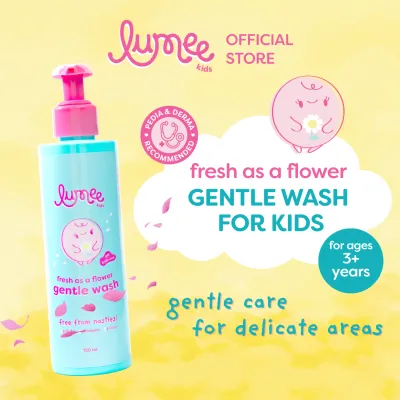
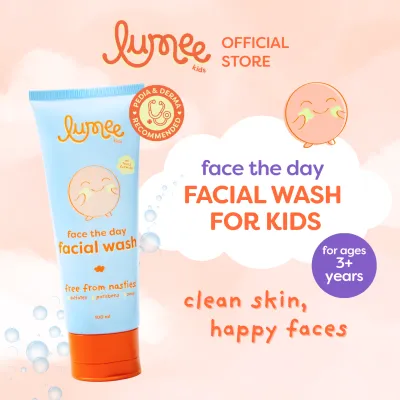
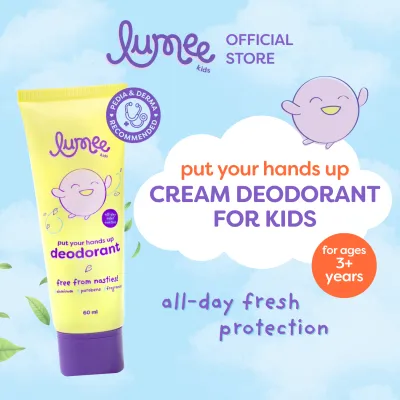
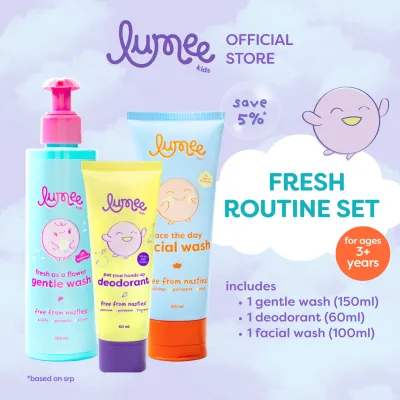
Prices are valid at publication and may change. Please refer to the product page for the latest price.
Another reliable method is to cross-reference the store link with the brand’s official digital presence. Before adding items to your cart, visit the brand’s official website or verified social media pages. Authorized brands typically maintain a directory of authorized sellers or include direct links to their official e-commerce storefronts in their social media profiles, ensuring you land on the correct page.
Take time to analyze the seller’s profile details and operational history on the platform. Official brand stores generally feature high seller ratings, excellent chat response rates, and a substantial history of active operations. Be cautious of storefronts with generic, auto-generated alphanumeric names, low follower counts, or those that have only been active for a few weeks, as these are common traits of unauthorized distributors.
Additionally, examine the overall presentation and product assortment within the store. An official storefront will display a cohesive, professionally designed layout with high-resolution banners, clear product categorization, and consistent branding. The product listings will feature comprehensive descriptions, accurate usage instructions, age-specific recommendations, and clear manufacturer warnings that align with the brand’s official guidelines.
Key Markers of Authentic Lumee Baby Skincare
Once your package arrives, conducting a thorough physical inspection of the product is essential before applying it to your baby. Authentic baby skincare products are manufactured under strict quality control standards, which are reflected in the packaging’s structural integrity. Examine the bottle or tube closely; genuine products feature high-quality materials, crisp and aligned printing, and accurate brand colors that do not scratch off easily.

Carefully read the product label to verify the ingredient list, manufacturing details, and safety certifications. Authentic packaging will clearly display the complete list of ingredients, batch codes, manufacturing dates, and expiration dates. You should be able to locate these details easily and, if necessary, cross-reference the batch code directly with the manufacturer’s customer service to confirm its validity.
Check the product for intact safety seals and tamper-evident packaging. Genuine baby skincare items are securely sealed to prevent contamination, leakage, and tampering during transit. Look for unbroken shrink-wrap, foil seals beneath the bottle caps, or branded security stickers. If a seal appears broken, stretched, or crudely reapplied, the product’s safety and authenticity are compromised.
Furthermore, verify any specific anti-counterfeiting features implemented by the brand. Many manufacturers include unique holographic labels, QR codes, or scratch-off verification codes on their packaging. Take the time to scan these codes or enter them on the manufacturer’s official verification portal to confirm that the specific item is registered and authentic. Always check the physical label for age-appropriate usage guidelines and caregiver supervision instructions to ensure the product matches your baby’s developmental stage.
Red Flags of Counterfeit Baby Skincare Items
Recognizing the warning signs of counterfeit baby skincare can save you from making a risky purchase or using a harmful product on your child. One of the most immediate red flags is an unrealistically low price. While official stores do offer promotions, a listing that sells a premium baby product at a price significantly below the standard retail range in ₱ should be treated with extreme caution, as counterfeits are often priced aggressively to attract quick sales.
Analyze the online product listing for visual and textual anomalies. Counterfeit listings frequently use low-resolution, blurry, or heavily watermarked images stolen from other sellers. The product descriptions may contain numerous spelling errors, awkward grammatical phrasing, or missing details regarding ingredients, age suitability, and manufacturer warnings, indicating a lack of professional oversight.
Upon unboxing, pay close attention to sensory red flags such as unusual odors, colors, or textures. Authentic baby skincare is formulated to be gentle, often featuring a mild, pleasant scent or no fragrance at all, with a smooth and consistent texture. If the cream, lotion, or wash has a strong chemical smell, an unusual color, or a separated, watery, or gritty texture, do not use it, as these are clear signs of a counterfeit or expired formulation.
Additionally, look out for missing or altered safety information on the physical packaging. Legitimate baby products must comply with strict labeling standards, including clear warnings, usage instructions, and distributor details. If these elements are missing, covered by generic stickers, or differ from the official packaging shown on the brand’s verified channels, the product is highly suspect.
What to Do If You Suspect a Fake Product
If you suspect that you have received a counterfeit baby skincare product, taking immediate and decisive action is vital for your baby’s safety and your consumer rights. First and foremost, stop using the product immediately. Unverified formulations can contain harmful contaminants or incorrect ingredient concentrations that may cause skin irritation, rashes, or more severe health issues. If your baby has already been exposed to the product and exhibits any adverse skin reactions, consult a pediatrician or a qualified dermatologist right away.
Next, document the suspicious product thoroughly to build a strong case for a refund. Take clear, high-resolution photos and videos of the packaging from all angles, focusing on the batch code, the safety seal, the printing quality, and the texture of the product itself. Keep the original shipping box and packaging materials, as these often contain tracking labels and seller information that can serve as valuable evidence.
Initiate a formal return and refund request through the e-commerce platform’s official dispute resolution system. Do not confirm the receipt of the order or complete the transaction, as doing so may release the funds to the seller and make obtaining a refund more difficult. Upload your documented photos and videos, clearly explaining the discrepancies between the received item and the authentic product.
Finally, report the unauthorized seller to both the online marketplace and the brand’s official customer support. Reporting the storefront helps the platform investigate and potentially take down fraudulent listings, protecting other parents from purchasing counterfeit goods. Sharing the seller’s details and product batch codes with the brand’s official channels also assists them in monitoring their supply chain and taking legal action against counterfeiters.
Frequently Asked Questions (FAQ)
Can I trust third-party sellers with high ratings?
High ratings alone are not a guarantee of product authenticity when shopping for baby skincare. Some unauthorized sellers manipulate their ratings through fake reviews, or they may have accumulated positive feedback by selling unrelated, non-regulated items before switching to counterfeit skincare. Always read the most recent reviews carefully, paying close attention to detailed feedback from parents who discuss the product’s packaging, texture, and physical authenticity rather than just shipping speed.
Is a lower price always a sign of a fake product?
A lower price is not always a definitive sign of a counterfeit, as official brand stores frequently offer legitimate discounts during platform-wide campaigns, double-day sales, or through bundle deals. However, you should always compare the discounted price against the brand’s official suggested retail price in ₱. If the discount is unrealistically steep—such as more than half off the standard retail price outside of an official brand clearance event—it is a strong indicator that the product may be counterfeit, expired, or compromised.

Community discussion
Share your experience or ask a question. Comments are reviewed before publication.