
Finding the genuine Enfant official store online is crucial for securing authentic baby bath wash, skincare oil, and sunscreen that are safe for your baby’s delicate skin. In tropical climates like the Philippines, high humidity and intense heat make proper baby skincare essential, meaning counterfeit or compromised products can easily cause severe skin irritation, heat rash, or allergic reactions. By learning how to identify verified digital storefronts and inspect physical packaging, you can confidently protect your little one from the risks of counterfeit formulations.
When shopping online, distinguishing between authorized distributors and unauthorized third-party sellers requires a careful, systematic approach. Counterfeit baby products are increasingly sophisticated, often mimicking official packaging to deceive busy parents. Taking a few extra minutes to verify your source before clicking the purchase button ensures that every lotion, wash, and oil you apply to your baby’s skin meets strict safety and quality standards.
How to Identify the Enfant Official Store on E-Commerce Platforms
When shopping on major online marketplaces, the easiest way to locate the genuine Enfant official store is by looking for platform-specific authenticity badges. Verified brand partnerships are typically marked with distinct labels such as “Mall,” “Official Store,” or highly vetted merchant tags. These badges indicate that the platform has verified the seller’s business registration, trademark ownership, and authorization to distribute the brand’s products, offering a primary layer of buyer protection.
Products mentioned in this guide
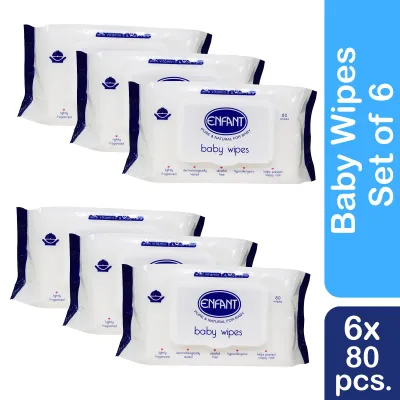
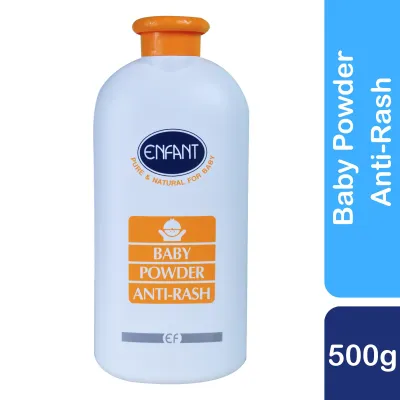
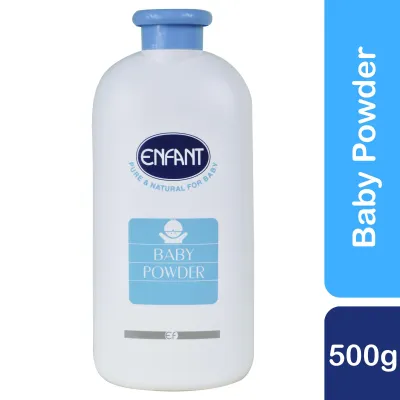
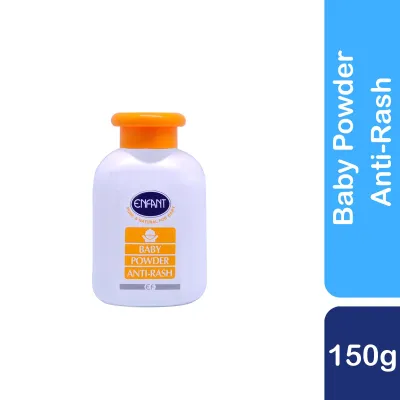
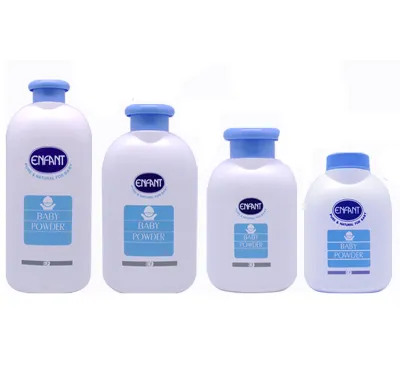
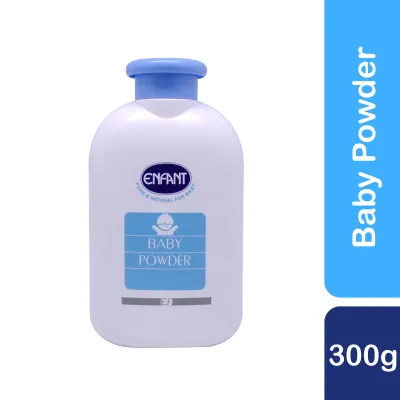
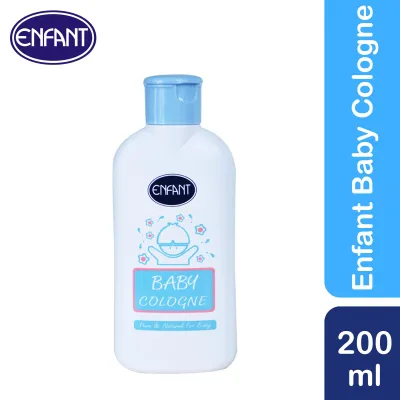
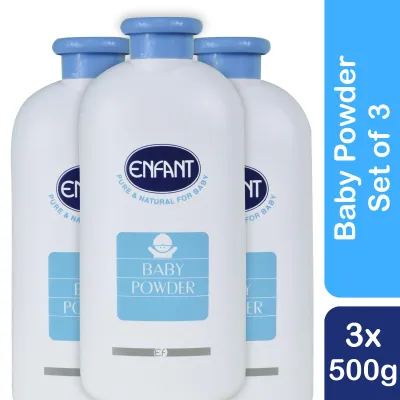
Prices are valid at publication and may change. Please refer to the product page for the latest price.
Always examine the exact store name carefully before adding items to your cart. Counterfeiters often use slight misspellings, extra punctuation, or generic words surrounding the brand name to confuse shoppers. A legitimate storefront will usually feature a clean, professional layout, high-resolution banners, and organized product categories, and it may include direct links to the official brand website or verified social media pages within its profile description.
Seller metrics offer another layer of verification that is difficult for fraudulent shops to fake. Check the store’s operational age, follower count, and overall positive feedback rating on the platform. An established official store typically boasts a high positive rating threshold, often above 90% or 95%, and thousands of followers, whereas unauthorized shops are frequently newly created accounts with minimal history, low engagement, and poor chat response rates.
Additionally, look at the product assortment within the store. An official brand store will carry a comprehensive range of current product lines, complete with detailed descriptions, usage instructions, and clear safety warnings. If a seller claims to be an official store but only lists a handful of random, disconnected items alongside unrelated household goods, it is highly likely an unauthorized reseller rather than a genuine brand outlet.
Key Checks to Verify Authentic Enfant Baby Skincare Products
Once your package arrives, a thorough physical inspection is your primary line of defense before using any product on your child. Start by examining the outer packaging of the baby bath wash, skincare oil, or sunscreen. Authentic products feature high-quality printing with sharp, clear typography and consistent brand colors. Blurry text, color bleeding, misaligned logos, or cheap cardboard packaging are strong indicators of a counterfeit item.

Check for intact security seals on the bottle caps, pump dispensers, or outer boxes. Legitimate manufacturers seal their products to prevent tampering, leakage, and contamination during transit. If a seal is broken, torn, or looks like it has been reapplied with ordinary tape, the product’s safety and integrity have been compromised, and it should not be used on your baby.
The product label must contain mandatory regulatory details that conform to local cosmetic safety standards. Look for clearly printed manufacturing dates, expiration dates, batch codes, and a complete, legible ingredient list. Batch codes are typically stamped, embossed, or laser-printed directly onto the bottom of the bottle or the crimp of the tube, rather than being printed as part of the paper label sticker itself.
Pay close attention to the physical characteristics of the formula inside the bottle. Authentic baby skincare products are formulated to meet strict quality standards, resulting in consistent textures, colors, and mild, pleasant scents. If the skincare oil feels unusually greasy or sticky, the bath wash has an overwhelming chemical perfume, or the sunscreen has separated into watery layers, do not apply it to your baby’s skin.
Additionally, check the packaging for any manufacturer-provided verification features. Some product batches may include scannable QR codes, unique serial numbers, or holographic stickers that shift color when tilted. Verifying these elements through the official brand channels or scanning the QR code with a smartphone can quickly confirm whether the specific item in your hand is registered in the manufacturer’s database.
Red Flags: Spotting Counterfeit or Unauthorized Sellers
Pricing that seems too good to be true is one of the most common warning signs of a counterfeit product. While official stores occasionally run authorized promotions or holiday sales, extreme discounts that significantly undercut the standard retail price in ₱ across all official channels should raise immediate suspicion. Counterfeiters often use low prices to lure parents looking for a bargain on premium baby essentials.
Inspect the product listings for suspicious details before making a purchase. Unauthorized sellers often use low-resolution stock photos, images with watermarks from other shops, or poorly translated product descriptions filled with grammatical errors. A lack of specific product details, such as volume, ingredients, or age-suitability guidelines, is another common red flag that indicates a non-professional seller.
Take note of the seller’s shipping location and delivery terms. If the store claims to be a local distributor but the tracking information shows the package is originating from an unexpected international hub known for manufacturing counterfeits, exercise caution. Official distributors typically ship from local, authorized warehouses to ensure fast delivery and proper climate-controlled storage.
Read through the customer reviews, paying close attention to recent negative feedback rather than just the overall star rating. Be highly suspicious of listings where buyers report that the product caused sudden skin irritation, had an unusual chemical smell, arrived in a leaking bottle, or had a completely different consistency compared to previous purchases. A sudden influx of generic, repetitive five-star reviews with identical phrasing can also indicate fake reviews generated to mask poor product quality.
What to Do If You Suspect a Counterfeit Product
If you suspect that a baby bath wash, oil, or sunscreen you purchased is counterfeit, stop using it immediately. A baby’s skin barrier is thin and highly sensitive, making it vulnerable to harsh chemicals, contaminants, or incorrect pH levels found in unregulated formulations. Continuing to use a suspect product poses a direct risk of contact dermatitis, chemical burns, or systemic absorption of harmful substances.
Document all discrepancies carefully to build a strong case for a refund and to alert the platform. Take clear, well-lit photographs of the packaging, labels, batch codes, and the physical product itself, highlighting any areas where the printing is blurry, the seal is broken, or the texture looks incorrect. If possible, take side-by-side comparison photos with an authentic bottle that you have previously purchased.
Initiate a formal return or refund request through the e-commerce platform’s buyer protection program right away. Select the appropriate reason code, such as “suspected counterfeit” or “item not as described,” and upload your photographic evidence along with a detailed explanation of your findings. Do not click “Order Received” or “Confirm Receipt” on the platform, as doing so often releases the payment to the seller, making it much harder to secure a refund.
Finally, report the unauthorized seller to the platform’s customer support team to help protect other parents from making the same mistake. You should also consider notifying the brand’s official customer service channels directly, providing them with the seller’s store name, the listing URL, and the batch code from the suspected counterfeit product so their legal team can investigate and take appropriate action.
Frequently Asked Questions (FAQ)
Can I buy authentic Enfant products from physical supermarkets instead of online?
Yes, purchasing from established physical retail channels is an excellent way to guarantee authenticity. Major supermarkets, department stores, and reputable baby specialty shops generally source their inventory directly from authorized distributors. However, you should still inspect the physical packaging, check that the security seals are fully intact, and verify the expiration dates on the shelf to ensure the product has been stored properly and has not been tampered with by other shoppers.
Is it safe to use Enfant skincare if the security seal is broken but the seller claims it is authentic?
No, it is not safe to use any baby skincare or bath product if the security seal is broken, missing, or altered. A compromised seal means the product is no longer protected from environmental contamination, dilution, or substitution with unauthorized formulas. Even if the seller insists the item is genuine, you should refuse the delivery or initiate a return immediately to protect your baby’s health from potential exposure to harmful bacteria or unregulated chemicals.

Community discussion
Share your experience or ask a question. Comments are reviewed before publication.