
Caring for a child with sensitive skin in the Philippines presents a unique set of challenges. The combination of intense tropical heat, high humidity, and frequent transitions between warm outdoor air and dry, air-conditioned indoor spaces can easily disrupt a child’s delicate skin barrier. When the skin barrier is compromised, it struggles to retain moisture, leaving it vulnerable to environmental irritants, sweat rash, and dry patches.
Finding the right moisturizer for your child requires looking beyond bright, playful packaging and focusing on ingredient transparency, product labels, and safe application practices. Because children’s skin is thinner and more permeable than adult skin, it absorbs topical products more rapidly and is highly sensitive to harsh chemicals. By learning how to evaluate formulations and verify manufacturer specifications, you can build a reliable shortlist of gentle, protective lotions that suit both your child’s skin and the local climate.
Key Ingredients to Look for in Sensitive Skin Lotions
When evaluating lotions for sensitive skin, the primary goal is to support and protect the natural skin barrier. Pediatric skincare formulations typically rely on a combination of humectants, emollients, and soothing agents to deliver hydration without causing irritation. Understanding how these ingredients function helps you make informed choices when reviewing product labels.
Products mentioned in this guide
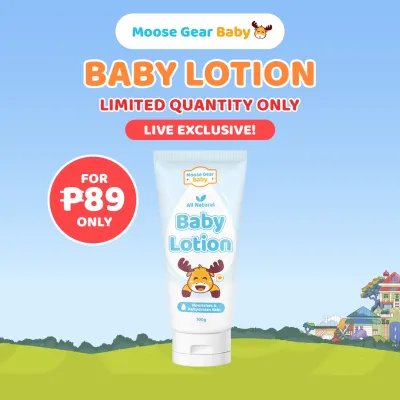
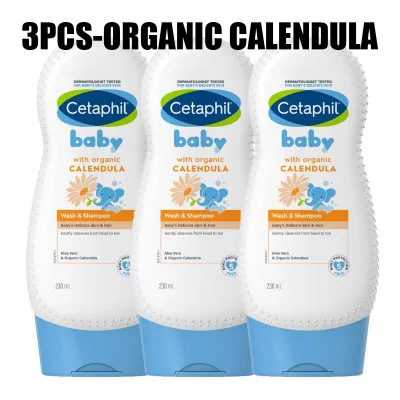
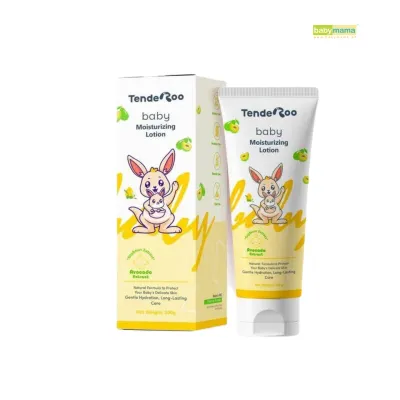
![[FDA Approved] Tenderoo Baby Moisturizing Lotion Avocado Plant Extract Gentle Safe Soothing 200ml](https://img.lazcdn.com/g/p/c537dad3153611e9e058bdbe2e97956d.jpg_400x400q80.jpg_.webp)
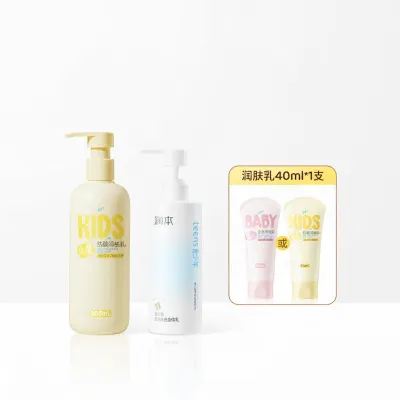
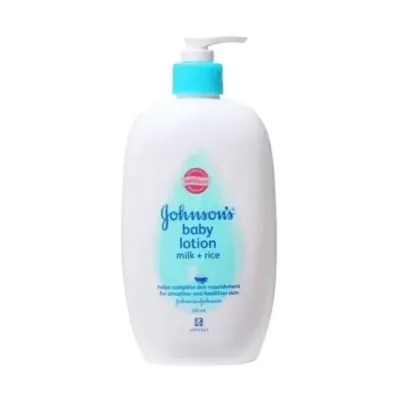
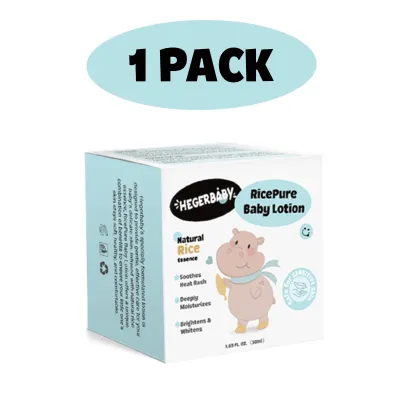
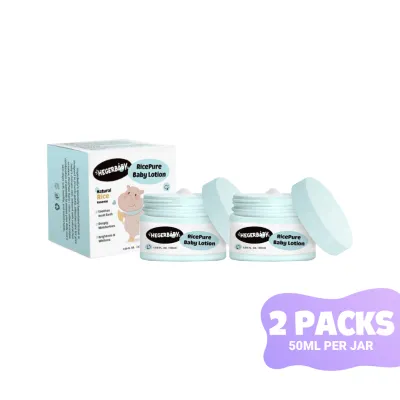
Prices are valid at publication and may change. Please refer to the product page for the latest price.
Humectants are ingredients that act like moisture magnets, drawing water from the air or deeper skin layers into the outer stratum corneum. Glycerin and hyaluronic acid are two of the most common and reliable humectants used in gentle formulations. In the humid Philippine climate, humectants are highly effective at keeping the skin hydrated by utilizing the moisture present in the surrounding air.
Emollients work alongside humectants by filling the microscopic gaps between skin cells, smoothing the skin texture, and sealing in moisture. Ceramides, which are naturally occurring lipids in the skin barrier, are excellent emollients to look for on product labels. Plant-derived lipids, such as oat kernel oil, shea butter, and jojoba oil, also provide excellent emollient properties, helping to prevent transepidermal water loss without feeling excessively heavy.
Soothing agents are included to calm redness, minor irritation, and itching caused by friction or environmental triggers. Colloidal oatmeal is widely recognized for its skin-soothing properties and is frequently included in formulations designed for highly reactive or dry skin. Panthenol (Vitamin B5) and allantoin are other beneficial ingredients that support skin recovery and maintain a calm, comfortable skin surface.
To verify the presence and concentration of these beneficial ingredients, always check the ingredient list on the back of the packaging. Ingredients are listed in descending order of concentration, meaning the components listed near the top make up the majority of the product. Look for lotions where beneficial humectants and emollients appear early in the list, indicating they are present in effective quantities.
Ingredients and Additives to Avoid
Equally important to finding beneficial ingredients is knowing which additives to avoid. Standard children’s lotions often contain fragrances, colorants, and preservatives that can trigger contact dermatitis or exacerbate existing skin sensitivities. Filtering out these potential irritants is a crucial step in protecting your child’s skin.

Fragrances are among the most common triggers for skin irritation and allergic reactions in children. Even natural essential oils, such as lavender, citrus, or tea tree oil, contain volatile compounds that can sensitize delicate skin over time. When reviewing ingredient lists, look out for synthetic perfume terms like “parfum” or “fragrance,” as well as specific fragrance allergens like limonene, linalool, and geraniol.
Artificial dyes and colorants serve no therapeutic purpose in skincare and are added solely for aesthetic appeal. These additives can cause unnecessary irritation, especially on skin that is already dry or compromised. Opt for lotions that are naturally white or translucent, indicating that no unnecessary pigments have been added to the formulation.
Preservatives are necessary to prevent bacterial growth in water-based lotions, but certain types are known to be harsh on sensitive skin. Avoid products containing parabens, methylisothiazolinone (MIT), or formaldehyde-releasing preservatives. Additionally, steer clear of drying alcohols, such as denatured alcohol or isopropyl alcohol, which strip the skin of its natural oils; however, do not confuse these with fatty alcohols like cetyl, stearyl, or cetearyl alcohol, which are actually beneficial emollients.
It is also essential to understand the critical difference between “fragrance-free” and “unscented” claims on product packaging. A “fragrance-free” label indicates that no fragrance chemicals or masking scents have been added to the product. An “unscented” label, on the other hand, means the product may contain masking fragrances designed to neutralize the natural, sometimes chemical smell of the active ingredients, which can still irritate highly sensitive skin.
How to Read Product Labels and Claims
Navigating the marketing claims on the front of a lotion bottle can be confusing for parents. Terms like “hypoallergenic,” “dermatologist-tested,” and “pediatrician-approved” are frequently used to attract attention, but they require critical evaluation. Understanding what these terms actually mean allows you to make safer decisions.
The term “hypoallergenic” suggests that a product is formulated to minimize the risk of allergic reactions. However, there is no standardized, legally binding definition for this term, meaning manufacturers can apply it based on their own internal testing standards. While a hypoallergenic label is a helpful starting point, it does not guarantee that your child will not react to the product; you must still verify the full ingredient list.
Similarly, “dermatologist-tested” and “pediatrician-approved” indicate that the product has undergone some level of evaluation by medical professionals. However, these claims rarely disclose the details of the testing protocols, the number of participants involved, or the specific criteria used for approval. Treat these labels as indicators of professional review rather than absolute guarantees of safety or compatibility.
To protect your child’s skin, always cross-reference front-of-package marketing claims with the full ingredient list on the back. If a product claims to be “100% natural” or “ultra-gentle” but lists synthetic fragrances, harsh preservatives, or known allergens, prioritize the ingredient list over the marketing claims. Your primary decision-making tool should always be the actual chemical composition of the lotion.
Finally, always check the packaging for age-appropriate usage instructions, contraindications, and manufacturer warnings. Some formulations are specifically designed for newborns, while others are intended for babies older than three or six months. Verify any specific instructions regarding application areas, such as avoiding the eye area or broken skin, and note any storage recommendations to ensure the product remains stable in hot tropical climates.
Building Your Shortlist: What to Check Before Buying
When you are ready to purchase a lotion from a physical pharmacy or an online marketplace, practical considerations like packaging, texture, and seller authenticity become highly relevant. Evaluating these factors ensures that the product you choose is convenient to use and safe for daily application.
Packaging design plays a significant role in maintaining product hygiene and ease of use. Pump bottles are highly convenient for busy parents, allowing for quick, one-handed dispensing during diaper changes or after baths while minimizing the risk of introducing bacteria into the container. Squeeze tubes are excellent for travel or diaper bags, while wide-mouth tubs or jars, though allowing you to use every last drop of thicker creams, carry a higher risk of contamination from fingers.
Lotion texture and absorption rates must be carefully considered in relation to your child’s daily routine and the local climate. In the humid Philippine environment, heavy, greasy creams can trap sweat against the skin, potentially leading to heat rash or clogged pores during active daytime hours. For daytime use, lightweight lotions or gel-creams that absorb quickly are often more comfortable, while richer creams can be reserved for nighttime use, especially if your child sleeps in an air-conditioned room that dries out the skin.
When shopping on e-commerce platforms, verifying seller authenticity is critical to avoiding counterfeit products that may contain harmful ingredients. Always purchase from official brand stores, flagship malls, or authorized distributors. Check customer reviews for feedback on packaging integrity, and always inspect the physical product upon arrival for a clear expiration date or the Period After Opening (PAO) symbol, which indicates how many months the product remains stable after opening.
Budgeting is also a practical factor to keep in mind, as sensitive skin care requires consistent, daily application. Prices for gentle pediatric lotions can range from under ₱200 for local drugstore options to over ₱1,000 for specialized dermatological brands. Choose a product that fits comfortably within your ongoing budget so that you do not feel tempted to ration the application, which can compromise its effectiveness.
Safe Application and Patch Testing for Children
Introducing a new skincare product to a child with sensitive skin should always be done with caution. Even products with the cleanest ingredient lists can occasionally cause an adverse reaction in highly sensitive individuals. Performing a systematic patch test is the safest way to evaluate compatibility before full-body application.
To conduct a safe patch test, select a small, discreet area of skin where your child is unlikely to rub or lick the product off, such as the inner forearm or the side of the neck. Apply a pea-sized amount of the new lotion to this area twice daily for three to five consecutive days. Keep the area clean and dry, and observe it closely for any changes in appearance or texture.
Monitor the test site for observable signs of irritation, which include redness, swelling, tiny bumps, dry patches, or signs of itching and discomfort from your child. If any of these reactions occur, wash the area immediately with cool water, discontinue use of the product, and consult your pediatrician. If no reaction occurs after the testing period, the lotion is generally considered safe for wider application.
When applying lotion to maintain daily hydration, timing is key. The most effective time to apply moisturizer is within three minutes after bathing, while your child’s skin is still slightly damp. Gently pat the skin dry with a soft cotton towel instead of rubbing, and then smooth the lotion over the skin in gentle, downward strokes to avoid irritating the hair follicles.
Avoid over-applying the product, as a thick, heavy layer can trap heat and sweat, particularly during the hot, dry season. A thin, even layer is sufficient to lock in moisture and support the skin barrier. If your child’s skin continues to show persistent dryness, cracking, or signs of infection such as oozing or extreme redness, stop using all over-the-counter lotions and seek professional medical advice from a pediatric dermatologist.
Frequently Asked Questions (FAQ)
Can I use adult sensitive skin lotion for my child?
It is generally best to avoid using adult sensitive skin lotions on children unless the manufacturer explicitly states the product is safe for pediatric use. Children’s skin is significantly thinner, more permeable, and has a higher surface-area-to-body-mass ratio than adult skin, making them far more vulnerable to absorbing topical chemicals. Adult formulations, even those labeled for sensitive skin, may contain higher concentrations of active ingredients, preservatives, or texture enhancers that can easily overwhelm and irritate a child’s delicate skin barrier.
How often should I apply lotion to my child's sensitive skin?
Application frequency should be guided by your child’s observable skin condition and environmental factors rather than a rigid schedule. For daily maintenance, applying lotion once or twice a day—ideally right after bath time—is usually sufficient to keep the skin hydrated. However, during the dry, windy months or when your child spends extended periods in air-conditioned rooms, you may need to apply it more frequently to dry patches. If the skin remains persistently dry or irritated despite regular application, consult a pediatrician for a personalized care plan.

Community discussion
Share your experience or ask a question. Comments are reviewed before publication.