
Starting a cloth diapering journey in the Philippines is an excellent way to reduce household waste and save money, but navigating the endless sales on online marketplaces can be overwhelming for beginners. Finding a budget-friendly cloth diaper washable set sale requires looking past flashy discount badges and understanding what makes a starter kit functional. In a tropical climate where high humidity affects drying times and baby comfort, choosing the right combination of waterproof shells and absorbent inserts is critical. By focusing on material specifications, real utility, and total cost of ownership, you can secure a reliable starter set that keeps your baby dry without straining your budget.
What Actually Belongs in a Beginner Cloth Diaper Starter Set?
A complete starter set must provide everything you need to manage at least a half-day or full-day cycle without immediate laundry panic. The core of any functional system consists of a waterproof outer cover—usually made of polyurethane laminate (PUL) or thermoplastic polyurethane (TPU)—and highly absorbent inserts that slide inside or snap onto the cover. To make the system practical for outings or storage, a waterproof wet bag with zippered compartments is essential for holding soiled diapers until wash day. Optional but highly useful additions include reusable fleece liners, which keep moisture away from the baby’s skin, or biodegradable flushable liners that simplify solid waste disposal.
When browsing sales, distinguish between a genuine starter kit and a misleading bulk pack. Some heavily discounted listings advertise “10-piece sets” that actually contain five covers and five inserts, which is technically only five usable diapers because every cover requires at least one insert to function. A true starter set balances the ratio, often providing more inserts than covers, especially for hybrid systems where the outer shell can be wiped clean and reused with a fresh insert. Before clicking buy, verify the exact count of individual components to ensure you are receiving a complete, ready-to-use system.
Products mentioned in this guide
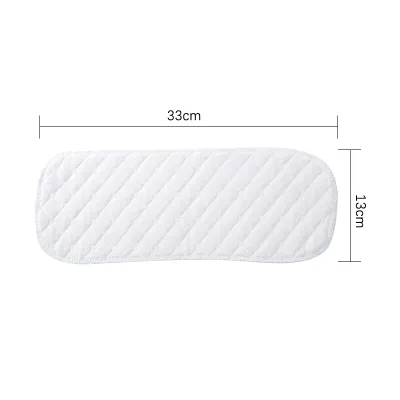
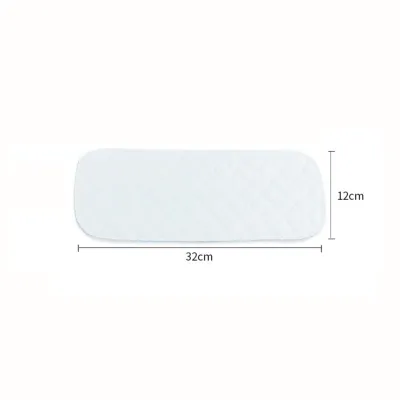
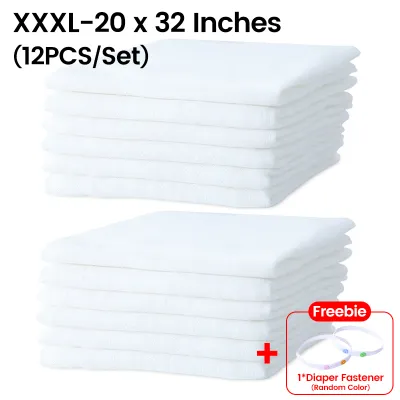
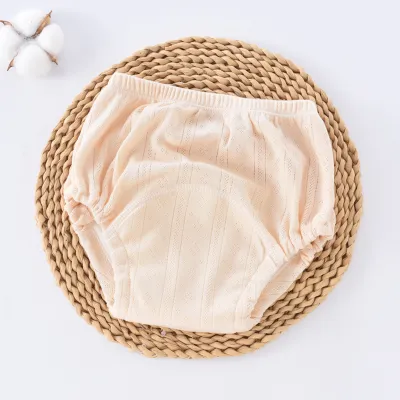
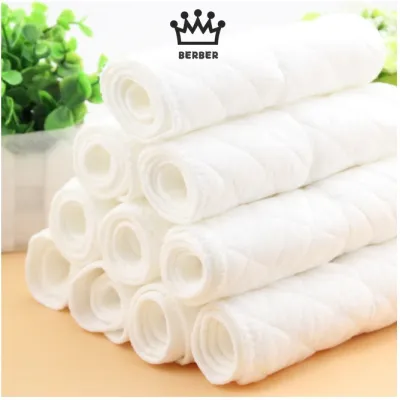
Prices are valid at publication and may change. Please refer to the product page for the latest price.
Establishing a realistic baseline budget in ₱ helps you evaluate whether a sale price is genuinely a good deal. Instead of chasing arbitrary discount percentages like “70% off,” calculate your target budget based on your planned washing frequency. If you plan to wash diapers every single day, you will need a minimum of 12 to 15 diapers to allow for washing and drying time, whereas washing every other day requires 24 or more. A basic, budget-friendly starter set of 6 to 10 diapers can serve as an affordable trial run, allowing you to test the system before committing a larger sum of money.
Key Specifications to Verify Before Buying Discounted Sets
Sizing mechanisms are the first technical detail to inspect when evaluating discounted cloth diapers. Most budget-friendly options are designed as One-Size-Fits-Most (OSFM), utilizing rows of adjustable rise snaps on the front to resize the diaper as your baby grows from infancy to toddlerhood. While OSFM diapers offer the best long-term value, they can be bulky on newborns and may not fit securely until the baby reaches a certain weight. If you are starting from birth, look for specialized newborn sized sets, or accept that you may need to wait a few weeks before your adjustable starter set fits snugly around your baby’s thighs to prevent leaks.

The material composition of the inserts determines how well the diaper performs under tropical conditions. Budget-friendly sets frequently include microfiber inserts, which absorb liquid quickly and dry rapidly after washing—a major advantage during the humid rainy season. However, microfiber is prone to compression leaks when a sitting baby squeezes the insert like a sponge. To balance this, look for sets that include or allow you to upgrade to natural fiber inserts, such as bamboo, cotton, or hemp. Natural fibers absorb more volume and hold onto liquid better, though they take significantly longer to line-dry in humid weather.
Closure systems and elastic quality directly impact the diaper’s lifespan and ease of use. Snaps are highly durable, resist wear in the washing machine, and are difficult for older babies to undo themselves, making them the preferred choice for long-term budget savings. Hook-and-loop closures offer a highly customizable fit similar to disposable diapers, which is excellent for beginners and babysitters, but they tend to collect lint and degrade over time if not secured during washes. Check product descriptions to ensure the leg elastics are soft yet firm, and verify that the waterproof laminate layer is intact and free from bubbling or peeling.
Hidden Costs and Sale Traps to Avoid at Checkout
The excitement of finding a low-priced cloth diaper washable set sale can quickly fade when hidden costs begin to accumulate. A common trap is purchasing a starter set that includes only one insert per diaper cover. Because older babies or heavy wetters often require double stuffing (using two inserts simultaneously) to prevent leaks, you may find yourself forced to make an immediate secondary purchase of extra inserts. This unexpected expense can easily double your initial investment, wiping out any savings you gained from the initial sale.
Another frequent pitfall on online marketplaces is the use of inflated original prices to create artificial discount percentages. A listing might claim a massive markdown from an unrealistic original price, when in reality, the “sale” price is simply the standard market rate for unbranded or generic cloth diapers. To protect your budget, ignore the discount banners and compare the actual checkout price in ₱ against similar listings across different sellers. Focus on the cost per individual diaper unit (one cover plus one quality insert) to determine the true value of the deal.
Finally, always calculate the total cost of delivery before finalizing your order. Shipping fees for bulky items can vary significantly depending on your location, sometimes negating the discount on the diaper set itself. Look for promotions that offer free shipping with a reasonable minimum spend, but avoid adding unnecessary items to your cart just to reach that threshold. Additionally, check the seller’s return policy; if a discounted set arrives with defective snaps or damaged laminates, high return shipping fees can make exchanging the product financially impractical.
Building Your Shortlist: Where to Compromise and What to Prioritize
When working with a strict budget, building a successful shortlist requires making practical trade-offs. Your highest priority should always be functional absorbency, a secure fit, and skin-safe materials. Beautiful designer prints, limited-edition colors, and well-known brand names do not keep a baby dry; plain, solid-colored, or generic diapers with high-quality elastics and reliable inserts perform just as well at a fraction of the cost. Prioritize buying sets that offer certified safe fabrics and sturdy construction over aesthetic appeal.
Choosing the right diapering system also helps optimize your budget and daily routine. Pocket diapers, which feature a pocket opening where you stuff the insert, are highly popular because they dry quickly and allow you to customize absorbency by adding different inserts. All-in-One (AIO) diapers have the absorbent layers sewn directly to the waterproof cover, offering maximum convenience but taking much longer to dry and generally costing more upfront. For budget-conscious beginners, pocket diapers or hybrid systems (where inserts are laid directly on top of a wipeable cover) offer the best balance of affordability, drying speed, and ease of use.
If current online sales do not meet your quality standards or budget limits, it is wiser to delay your purchase rather than buying substandard inventory. Purchasing poorly constructed diapers with weak elastics or thin waterproof layers will only lead to leaks, diaper rash, and frustration, ultimately forcing you back to disposables. Wait for major monthly campaign sales or look for reputable local distributors offering clearance discounts on reliable entry-level brands. Investing in a slightly smaller quantity of high-quality diapers is always better than buying a large box of cheap, unusable ones.
Basic Care Rules to Protect Your Budget-Friendly Investment
Proper maintenance is the key to ensuring your budget-friendly cloth diapers last through infancy and even into toddlerhood. Before using your new diapers for the first time, you must perform a pre-wash routine to prepare the materials. While synthetic inserts like microfiber are ready after a single wash, natural fiber inserts (such as bamboo or cotton) contain natural oils that must be washed out to unlock their full absorbency. Follow the manufacturer’s care tags closely, washing natural inserts multiple times before their first use to prevent early leaks.
Your daily laundry routine must protect the delicate waterproof layers and elastics from premature degradation. Always use a standard, additive-free commercial detergent that does not contain fabric softeners, fabric conditioners, or heavy fragrances. Fabric softeners are particularly damaging because they leave a waxy residue on the fibers, causing the inserts to repel liquid instead of absorbing it. Avoid harsh stain removers or bleach unless specifically recommended by the manufacturer, as these chemicals can break down the waterproof PUL/TPU laminate and irritate your baby’s sensitive skin.
Drying your cloth diapers correctly is just as important as washing them, especially in a tropical climate. Hang your diaper covers to air-dry in a shaded, well-ventilated area; direct, intense tropical sunlight can overheat the waterproof laminate and cause the elastics to lose their stretch. Inserts, on the other hand, benefit greatly from line-drying in the sun, which acts as a natural sanitizer and helps fade stubborn stains. By establishing these simple, protective care habits, you can maximize the lifespan of your budget-friendly starter set and secure long-term savings.
Frequently Asked Questions (FAQ)
How many cloth diapers does a beginner actually need to start?
The ideal number depends on your baby’s age and how often you plan to do laundry. Newborns typically go through 10 to 12 diapers a day, while older babies use about 6 to 8. If you wash your diapers every day, a starter set of 12 to 15 diapers is sufficient to allow for washing and drying time. If you prefer to wash every other day, you will need a larger stash of at least 20 to 24 diapers to avoid running out.
Are clearance or unbranded cloth diapers safe for sensitive skin?
Clearance or unbranded cloth diapers can be perfectly safe, provided you verify their material composition and construction. Always check for clear product labels indicating skin-safe materials like polyester, cotton, or bamboo, and avoid any items that arrive with a strong chemical odor. Before full-time use, wash the diapers thoroughly, perform a brief trial run, and consult a pediatrician if your baby shows any signs of skin irritation or persistent redness.
Do budget-friendly cloth diapers require special laundry detergents?
No, you do not need to purchase expensive specialty cloth diaper detergents. Most standard, enzyme-free commercial laundry detergents work perfectly well, provided they do not contain fabric softeners, fabric conditioners, or built-in optical brighteners. The most critical step is ensuring a thorough rinse cycle to completely remove all soap residue from the absorbent inserts, which prevents buildup and maintains optimal absorbency.

Community discussion
Share your experience or ask a question. Comments are reviewed before publication.