
Transitioning to reusable diapers is one of the most impactful choices you can make for your baby and the environment. In the Philippines, where tropical heat and high humidity shape daily household routines, choosing the right modern cloth diaper or traditional lampin starter set is essential for a smooth transition. A well-designed starter set provides a reliable foundation, helping you reduce waste, save money over time, and keep your baby’s skin comfortable in warm weather. By understanding the different systems available, you can confidently select a setup that fits your lifestyle, budget, and laundry routine.
The Environmental and Practical Benefits of Reusable Lampin
Embracing reusable diapers offers profound benefits that extend far beyond simple waste reduction. Every single-use diaper thrown away takes hundreds of years to decompose, contributing to the growing waste management challenges in local landfills. By choosing reusable alternatives, families can significantly decrease their household plastic footprint and model eco-conscious living from the very start of their parenting journey.
From a financial perspective, transitioning to reusable systems is highly practical. While the initial investment in a starter set requires an upfront cost, it eliminates the recurring weekly expense of purchasing disposable diapers. Parents can evaluate long-term cost efficiency by comparing the one-time cost of a complete cloth diaper stash against the cumulative expense of thousands of single-use diapers over two to three years. Furthermore, high-quality cloth diapers can be preserved and reused for subsequent siblings, multiplying the financial savings for growing families.
Products mentioned in this guide
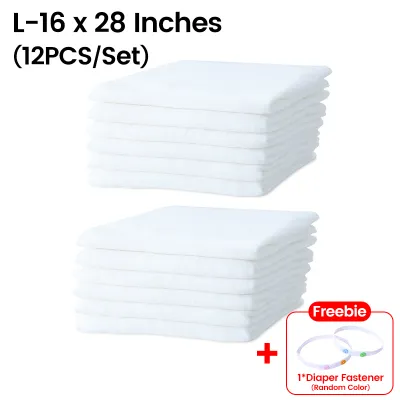
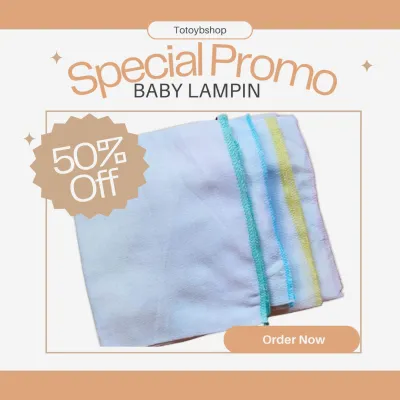

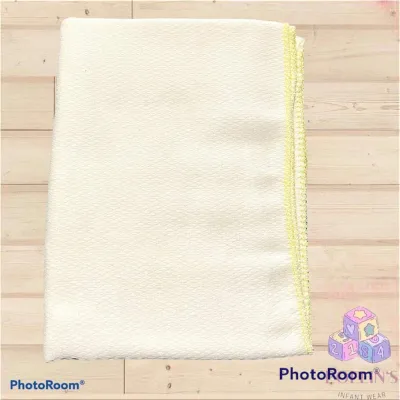
Prices are valid at publication and may change. Please refer to the product page for the latest price.
The physical comfort of your baby is another compelling advantage. Natural fibers allow air to circulate freely, which is incredibly beneficial in preventing heat rash during hot, humid afternoons. Unlike synthetic disposables that trap heat and moisture against delicate skin, breathable fabrics keep babies cool and dry.
The modern evolution of the traditional Filipino lampin beautifully bridges heritage and modern convenience. The classic, lightweight cotton squares that previous generations folded and secured with safety pins have been reimagined. Today, parents can combine these ultra-breathable, fast-drying fabrics with innovative, waterproof, and adjustable covers, offering a highly versatile and hygienic system that suits modern busy lifestyles.
Key Features to Look for in a Cloth Diaper Starter Set
To select a starter set that meets your baby’s needs and fits your local environment, you must evaluate several critical features. Understanding how different materials and designs perform in tropical conditions will help you avoid leaks, skin irritation, and laundry issues.

- Absorbent Materials: The inner core of the diaper determines how much moisture it can hold. Natural fibers like bamboo, organic cotton, and hemp are highly prized for their exceptional absorbency and gentle feel on sensitive skin. Bamboo is soft and holds moisture well, while hemp is incredibly dense and ideal for heavy wetters, though it absorbs more slowly. Synthetic materials like microfiber absorb liquid rapidly but are prone to compression leaks when the baby sits down. Microfiber must also never be placed directly against a baby's skin, as it can cause severe dryness and irritation; it must always be enclosed behind a stay-dry barrier.
- Shell and Breathability: The outer layer, or shell, keeps wetness from leaking onto clothes. Most modern cloth diapers use Polyurethane Laminate (PUL) or Thermoplastic Polyurethane (TPU). These materials are waterproof yet designed to allow microscopic air molecules to pass through, reducing heat buildup inside the diaper. In a tropical climate, finding a shell with high-quality, breathable PUL is essential to keep your baby cool and prevent sweat rashes.
- Sizing Systems: Starter sets generally come in two sizing formats: One-Size (OS) and Sized. One-size diapers feature a grid of snap buttons on the front rise, allowing the diaper to grow with your baby from around 4 kilograms up to 15 kilograms. This adjustable design offers maximum cost efficiency as you will not need to buy new sizes as your baby grows. Sized diapers, on the other hand, are tailored for specific weight ranges, providing an exceptionally snug, leak-free fit for tiny newborns whose legs are too slender for one-size options.
- Climate Considerations: High humidity and frequent rainfall during the monsoon season in the Philippines mean that laundry drying times are a major practical factor. When selecting a starter set, consider how quickly the materials dry. Thick, multi-layered inserts take much longer to dry on a clothesline, which might require you to have a larger diaper stash to get through consecutive rainy days.
Which Lampin Style Fits Your Parenting Routine?
There is no single diaper style that works perfectly for everyone, as the right choice depends on your daily schedule, budget, and laundry setup. Modern reusable systems are designed to accommodate different parenting styles, from those prioritizing ultimate convenience to those seeking the most budget-friendly and fast-drying options.
Pocket Diapers (Best for Customizable Absorbency and Quick Drying)
Pocket diapers feature a waterproof outer shell with a soft, stay-dry inner lining—usually microfleece or athletic wicking jersey—that creates a pocket opening. You insert the absorbent pads, or inserts, inside this pocket before putting the diaper on your baby.
This design offers incredible flexibility because you can customize the absorbency. For a light-wetting infant, a single bamboo insert may suffice, while a heavy-wetting toddler might require a combination of bamboo and hemp inserts stuffed together.
One of the greatest advantages of pocket diapers in a tropical climate is their washing efficiency. Because the absorbent insert is completely separated from the waterproof shell during laundry, both pieces dry remarkably fast. The thin pocket shell can dry in less than an hour on a warm day, while the separate inserts dry much faster than they would if they were permanently sewn into the diaper. The primary trade-off is the preparation time required; after every wash cycle, you must manually stuff the inserts back into the pockets so they are ready for the next change.
All-in-One Diapers (Best for Daycare and Maximum Convenience)
All-in-One (AIO) diapers are designed to be as close to disposable diapers as possible. The absorbent layers are sewn directly into the waterproof shell, creating a single, integrated piece that requires no stuffing, folding, or assembly.
This simplicity makes AIOs the ideal choice for busy households, grandparents, or babysitters who may feel intimidated by more complex cloth diapering systems. You simply snap or strap the diaper onto the baby, and when it is soiled, the entire diaper goes into the laundry basket.
However, this convenience comes with a significant trade-off in high-humidity environments. Because the thick absorbent layers are permanently attached to the waterproof shell, airflow is restricted during the drying process. During the rainy season, AIOs can take upwards of 24 to 48 hours to air-dry completely indoors. To optimize drying times, look for AIO designs with flap inserts that are only attached at one end, allowing them to hang freely and receive better airflow on the drying rack.
Flat or Prefold Lampin with Modern Covers (Best for Budget and Airflow)
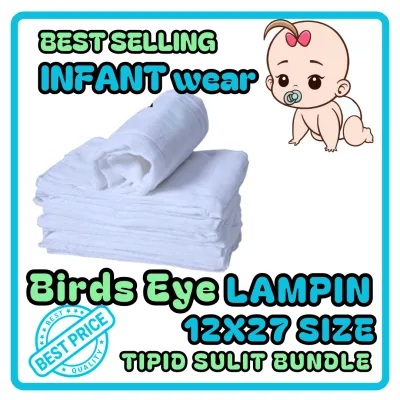
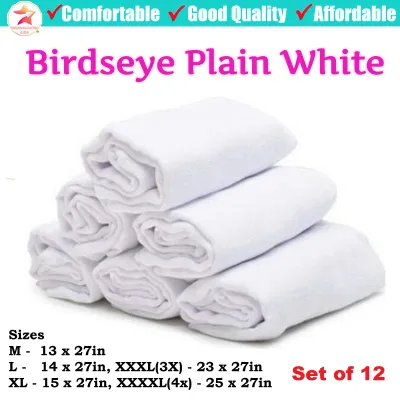
This system pairs the traditional cotton flat or prefold diaper—famously known as the lampin—with a modern, separate waterproof diaper cover. Prefolds are rectangular panels of fabric with a thicker, more absorbent middle section, while flats are large, single-layer sheets of woven cotton or bamboo.
To use this system, you fold the flat or prefold around your baby using simple folding techniques and secure it with a safe diaper fastener, then place the waterproof cover over it. This is highly cost-effective because the waterproof cover does not get soiled every time; if the cover is still clean when you change the diaper, you can simply wipe it down and reuse it with a fresh, dry flat.
This traditional approach offers the absolute best airflow and the fastest drying times of any reusable system, as flat sheets spread out completely flat on a clothesline. It also boasts the lowest entry cost, making it highly accessible for families looking to minimize their initial investment. The main hurdle is the learning curve associated with folding techniques. However, practicing a few basic folds before your baby arrives quickly builds confidence, turning this classic method into an easy, hygienic, and highly reliable routine.
Essential Accessories for a Seamless Cloth Diapering Experience
While the diapers themselves are the core of your stash, a few carefully selected accessories can significantly simplify your daily routine, making diaper changes and cleanups much more manageable.
- Wet Bags: These are zippered, waterproof bags made of PUL that allow you to store soiled diapers without leaking wetness or odors. A medium-sized wet bag is indispensable for outings, fitting easily into your diaper bag, while a large hanging wet bag or pail liner is perfect for collecting dirty diapers next to your changing station at home. They are fully machine-washable and can be tossed directly into the laundry with your diapers.
- Biodegradable Liners: These thin, paper-like sheets made from bamboo viscose are placed on top of the diaper lining before putting it on your baby. When the baby soils the diaper, the liner catches the solid waste, allowing you to lift it off and dispose of it easily. This greatly simplifies the rinsing process and helps protect your diaper fabrics from stubborn stains and diaper cream residues.
- Diaper-Safe Detergents: Standard laundry detergents often contain fabric softeners, optical brighteners, or synthetic fragrance oils that leave a residue on the diaper fibers over time. This buildup can clog the fabric, causing it to repel liquid instead of absorbing it, which leads to leaks and ammonia odors. Choosing a residue-free, enzyme-free, or diaper-safe detergent ensures that your diapers remain fully absorbent and gentle on your baby's delicate skin.
Washing and Drying Your Lampin in a Tropical Climate
Establishing a proper wash routine is the single most important factor in ensuring the longevity of your diapers and keeping your baby’s skin healthy. In the warm, humid climate of the Philippines, moisture can quickly lead to mold or ammonia buildup if diapers are not washed thoroughly and dried promptly.
- The Two-Step Wash Routine: To get your diapers thoroughly clean, always use a two-step washing process. Start with a short, cold pre-wash cycle with a small amount of detergent to flush away the bulk of the organic waste and urine. Once the dirty water has drained, follow with a heavy-duty main wash cycle using warm water (if allowed by the manufacturer) and a full dose of detergent to deeply clean the fabric fibers.
- Sun Bleaching: Take advantage of the abundant sunshine. Hanging your washed, damp diapers in direct sunlight is a natural, highly effective way to remove stains and sanitize the fabric. The ultraviolet rays act as a natural bleaching agent, fading yellow breastmilk stains and killing residual bacteria without the need for harsh chemicals.
- Managing Indoor Drying: During the rainy season, when outdoor line drying is not possible, you must take steps to prevent mildew. Hang your diapers on an indoor drying rack in a well-ventilated room, and position a household electric fan to blow air directly across them. This constant airflow speeds up evaporation and prevents the damp fabric from developing sour odors or mold.
- Safety and Maintenance: Always check the manufacturer's care instructions for your specific diaper brand before washing. Avoid using fabric softeners, liquid bleach, or high-heat dryer settings, as these can permanently damage the waterproof PUL layer and ruin the elastic bands. If your baby develops a persistent, red diaper rash that does not improve with frequent changes, stop using the cloth diapers temporarily and consult a pediatrician, as this could indicate a detergent sensitivity, yeast infection, or an improper wash routine requiring adjustment.
Frequently Asked Questions (FAQ)
Can I use cloth diapers overnight?
Yes, you can successfully use cloth diapers overnight by increasing the absorbency of your setup. Since babies sleep for longer stretches, a standard daytime insert will likely leak. To prevent this, stuff your pocket diaper or cover with a high-capacity insert combination, such as a fast-absorbing bamboo insert placed on top of a dense, slow-absorbing hemp insert. Alternatively, you can use a dedicated fitted diaper—where the entire diaper is made of absorbent fabric—paired with a reliable, leak-proof waterproof cover to keep your baby dry and comfortable until morning.
How many cloth diapers do I need for a newborn?
For a newborn, you will generally need a stash of 24 to 36 diapers if you plan to wash them every two days. Newborns require very frequent changes, often up to 10 to 12 times a day, due to their frequent feeding schedules. If you prefer to wash your laundry every three days, or if you live in an area with high humidity where line drying takes longer, expanding your stash to 36 or 40 diapers will ensure you never run out of clean options while waiting for the laundry to dry.
Are cloth diapers better for preventing diaper rash?
Cloth diapers can help reduce diaper rash because they lack the synthetic fragrances, dyes, and chemical gelling agents found in many disposable diapers, which can irritate sensitive skin. However, diaper rash is primarily caused by prolonged contact with wetness and waste, regardless of the diaper type. To prevent rash, change your baby’s diaper every two to three hours, ensure the diapers are washed thoroughly to remove all ammonia and detergent residues, and allow your baby’s skin to dry completely before putting on a fresh diaper.
Community discussion
Share your experience or ask a question. Comments are reviewed before publication.