
Finding a reliable walker for baby boy sale 300 to 400 pesos is a common goal for families looking to balance household budgets with baby gear needs. At this highly affordable price point, parents can indeed find functional options in the Philippines, but navigating the market requires a sharp eye for detail. Because baby walkers directly affect your child’s physical development and safety, a low price must never come at the cost of structural integrity. Understanding what is available, where to look, and how to verify the safety of a budget walker ensures your little one stays secure while exploring his surroundings.
Setting Realistic Expectations for a ₱300 to ₱400 Walker Budget
When shopping with a strict budget of ₱300 to ₱400, managing expectations is key to making a smart purchase. In the local retail landscape, this price range sits at the absolute entry-level tier for brand-new baby gear. Traditional sit-in walkers at this price point are typically very basic, featuring lightweight plastic frames and minimal, non-electronic toy attachments. You are unlikely to find high-tech consoles, multi-height adjustments, or premium padded seats in this bracket unless the item is a clearance model or a secondhand find.
Many options available in this budget are end-of-line clearance items or pre-loved units sold through local community groups. While these can be excellent bargains, they require extra vigilance during the buying process. It is common for sellers to discount items heavily to clear out inventory, which presents a great opportunity for budget-conscious parents, provided the product has not been compromised by long-term storage or wear.
Products mentioned in this guide
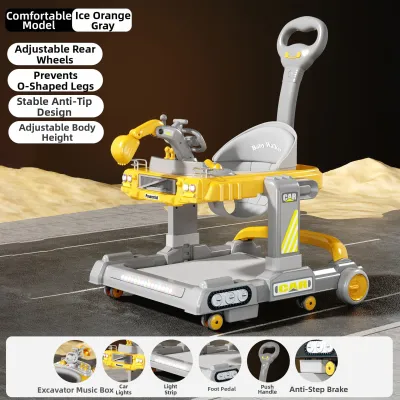
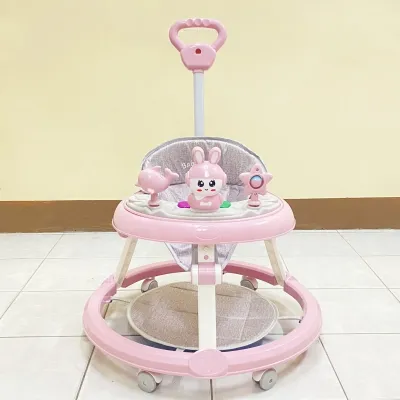
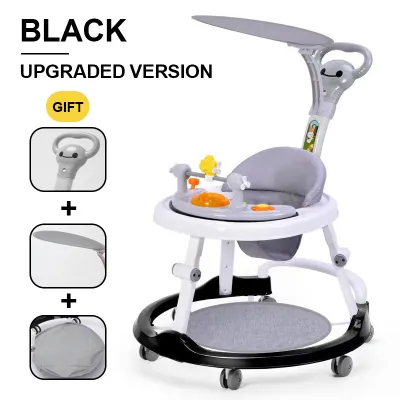
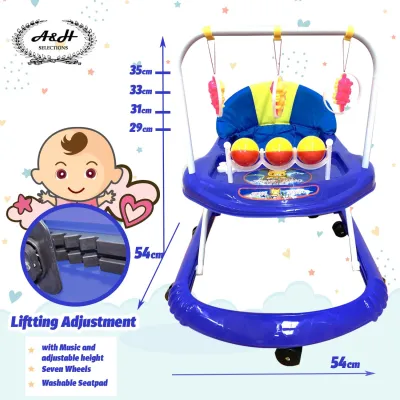
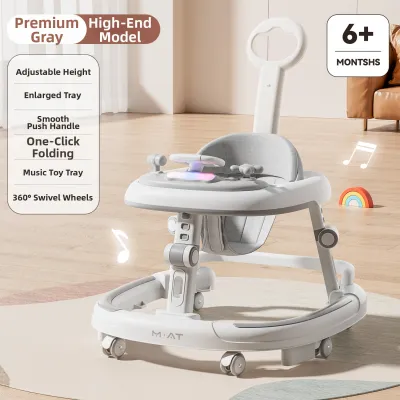
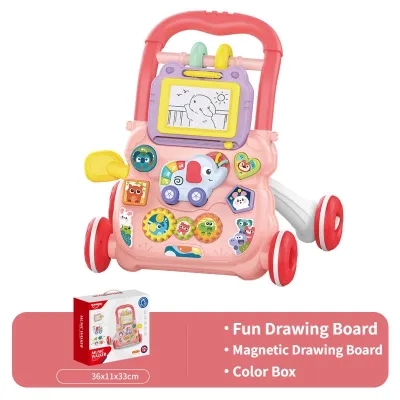
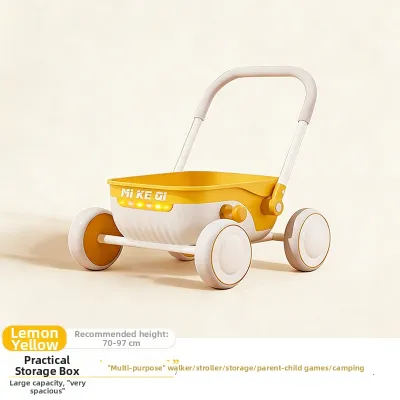
Prices are valid at publication and may change. Please refer to the product page for the latest price.
When searching specifically for a “baby boy” walker, parents often look for specific themes, such as blue color schemes, car shapes, or steering wheel toys. However, at the ₱300 to ₱400 price level, prioritizing aesthetic themes over structural quality can be a dangerous mistake. A brightly colored, car-shaped walker made of thin, brittle plastic is far more hazardous than a plain, neutral-colored walker with a thick, robust frame. If a gender-themed model compromises on plastic thickness or base stability to stay within your budget, it is always wiser to opt for a simpler, safer design.
The ultimate rule for budget shopping is simple: if a walker within the ₱300 to ₱400 range lacks basic safety mechanisms, you must walk away from the purchase. Saving a few hundred pesos is never worth risking a structural collapse or a tipping accident. If a safe traditional walker cannot be found within this price limit, parents should look toward alternative gear or save for a slightly higher price bracket where safety features are more robust.
Non-Negotiable Safety Features to Check Before Buying
Before committing to any budget walker, you must verify several critical safety specifications on the product page, packaging, or physical label. The most vital feature is a wide, anti-tip base. The base of the walker should always be significantly wider than the top tray to prevent the unit from tipping over when your baby leans sideways or bumps into furniture. A narrow base is a major hazard, especially on the tiled or uneven floors common in many homes.

Reliable wheel locks or friction strips are another non-negotiable safety feature. These mechanisms allow you to secure the walker in place when you need your baby to remain stationary, or they can slow down the wheels to prevent the walker from moving too fast on smooth surfaces. The frame itself must be sturdy and crack-resistant. Cheap, thin plastics can warp under tropical heat or crack under the impact of everyday bumps, leading to sharp edges or sudden structural failure.
Avoid walkers that feature small, easily detachable parts on the toy tray, as these present immediate choking hazards for curious infants. Flimsy plastic joints that connect the seat to the frame are also a major point of failure; if these joints snap under your baby’s weight, the seat can drop suddenly, causing injury. Ensure that all folding mechanisms have secure manual locks so the walker cannot collapse accidentally while your baby is inside.
Always check the manufacturer’s stated weight, height, and developmental stage limits before placing your baby in a walker. Most budget walkers are designed for babies who can sit up unassisted—usually around six months of age—and have a maximum weight limit of around 12 to 15 kilograms. Once your child approaches these limits or begins attempting to climb out of the seat, you must stop using the walker immediately. Budget models rarely feature the reinforced harness systems found in premium gear, making escape attempts highly dangerous.
It is crucial to remember that product titles, marketing images, and online descriptions are not proof of safety. Sellers on online platforms often use generic stock photos that make a product look sturdier than it actually is. Always look for explicit structural descriptions, such as the thickness of the frame tubes and the presence of safety certifications, and strictly adhere to all manufacturer warnings.
Smart Strategies to Find a Walker for Baby Boy Sale 300 to 400
Finding a quality walker for baby boy sale 300 to 400 pesos requires strategic shopping, especially when navigating online marketplaces and e-commerce platforms. To get the best value, plan your purchases around major monthly sales, flash deals, or store clearance events. During these promotional periods, sellers often slash prices on older inventory, allowing you to purchase a walker originally priced at ₱600 or ₱700 within your strict ₱300 to ₱400 budget.
Beyond online platforms, local physical discount stores, baby gear thrift shops, and community marketplace groups are excellent sources for budget walkers. In physical thrift shops, you can personally inspect the items for wear and tear before paying. Community buy-and-sell groups often feature parents selling gently used gear their children have outgrown, often at a fraction of the original retail price, making it highly feasible to find a premium brand walker for under ₱400.
When shopping online, always calculate the final checkout cost rather than relying solely on the listed item price. Shipping fees, delivery surcharges, and handling fees can quickly add ₱50 to ₱150 to your total, pushing a ₱350 walker well past your strict ₱400 limit. Look for free shipping vouchers, shop discount codes, or choose local sellers within your immediate region to keep delivery costs as low as possible.
Be cautious of bundle deals that package a cheap walker with extra toys, bibs, or baby accessories. While these bundles can seem like a bargain, sellers often use low-quality, unsafe walkers as the base of the bundle to attract buyers. Always evaluate the structural safety and material quality of the walker itself first; cheap add-ons are worthless if the main product is unsafe for your child.
Budget-Friendly Alternatives to Traditional Sit-In Walkers
If you find that traditional sit-in walkers available under ₱400 are structurally questionable or lack essential safety features, it is wise to consider budget-friendly alternatives. Push walkers, also known as activity walkers, are an excellent option. These are toys that your baby pushes from behind while standing, rather than sitting inside a suspended seat. Push walkers are often cheaper to manufacture, making it much easier to find high-quality, sturdy models within your ₱300 to ₱400 budget.
In addition to being more affordable, push walkers are widely considered by pediatricians to be better for a baby’s physical development. They encourage natural walking posture, help build core strength, and allow the baby to bear their own weight naturally on their feet. Because they do not confine the baby to a seat, they also eliminate the risk of the baby tipping over while suspended or reaching dangerous heights.
Stationary activity centers or basic playmats are another low-cost alternative to keep your baby engaged. While they do not facilitate walking practice, they provide a safe space for your baby to play with built-in toys and practice standing. These stationary options eliminate the rolling risks associated with wheeled walkers, making them a much safer choice for homes with steps, uneven floors, or tight spaces.
For parents who specifically want to assist their baby with walking practice, simple walking harnesses or assisted walking belts are a highly affordable solution. These harnesses wrap securely around your baby’s torso, allowing you to support their balance from above using a handle or straps. They are extremely budget-friendly, often costing well under ₱300, and they give you complete control over your baby’s movements while protecting your own back from strain. Choosing an alternative is a smart, safety-first decision when budget constraints limit your access to high-quality traditional walkers.
Essential Safety Inspections Before Your Baby's First Ride
Once you have purchased a walker, whether new or secondhand, you must perform a thorough physical inspection before letting your baby use it. Start by feeling all plastic edges and seams to ensure there are no sharp burrs, rough spots, or manufacturing defects that could scratch your baby’s delicate skin. Test the wheel locks and friction strips on a flat surface to confirm they hold the walker firmly in place and do not slip under pressure.
Check all metal screws, rivets, and frame joints to ensure they are tight and securely fastened. In the humid tropical climate of the Philippines, metal components on budget or secondhand walkers can easily develop rust, which weakens the structure over time. Inspect the seat fabric to ensure it is securely attached to the frame, free of tears or frayed seams, and thoroughly clean. If the fabric is damp or has been stored in a humid area, wash and dry it completely to prevent mold or mildew growth.
Test the overall stability of the walker by placing it on the floor and applying firm downward and lateral pressure to the tray and frame. The walker should not wobble excessively, bend, or show any signs of collapsing under this pressure. If the frame feels unstable, if any parts are missing, or if you notice any deep cracks in the plastic, do not use the product.
When you place your baby in the walker for the first time, observe their posture and comfort closely. Their feet should be able to touch the floor flatly or with the balls of their feet, depending on the manufacturer’s instructions, and they should not be slouching or leaning awkwardly. If your baby shows signs of discomfort, if the seat does not support them properly, or if they appear unstable, remove them immediately. Always stop use and consult a pediatrician or child safety professional if you have any doubts about the product’s suitability for your child’s developmental stage.
Frequently Asked Questions (FAQ)
Are second-hand baby walkers safe for my child?
Second-hand baby walkers can be safe if they are thoroughly inspected, but they carry inherent risks that parents must carefully evaluate. Pre-loved items may suffer from hidden structural fatigue, weakened plastic joints, or missing parts that are not immediately visible. Additionally, older models may not comply with modern safety standards or may have been subject to manufacturer recalls. Before using a secondhand walker, check for recalls online, ensure all locking mechanisms and wheel brakes function perfectly, and thoroughly sanitize the seat fabric and toys. If the walker’s history is unknown or it shows signs of heavy wear, it is best to avoid it.
Will a baby walker help my son walk earlier?
Traditional sit-in baby walkers do not help babies learn to walk earlier and can actually delay independent walking. Because the seat supports the baby’s weight, they do not develop the necessary core strength, balance, or leg muscle coordination required for independent walking. Walkers are primarily tools for entertainment and temporary containment rather than developmental aids. For healthy motor skill development, supervised floor time, crawling, and using push-toys are far more effective. When using any walker, parents must provide constant supervision, keep the baby on flat surfaces, and strictly block off stairs and other household hazards.

Community discussion
Share your experience or ask a question. Comments are reviewed before publication.