
Cleaning your baby’s mouth and gums before their first teeth emerge is a simple yet essential practice that involves gently wiping their gums with a clean, damp cloth or sterile gauze at least once a day. This early routine removes milk residue, prevents bacterial buildup, and prepares your little one for a lifetime of healthy oral hygiene habits. By starting this practice during infancy, you help your baby become accustomed to the sensation of oral care, making the transition to a toothbrush much smoother when those first tiny teeth finally appear.
In tropical environments like the Philippines, where high humidity and warm temperatures can accelerate the souring of milk residue, maintaining a clean oral environment is particularly important. While babies do not have visible teeth yet, their gums, tongue, and inner cheeks still collect sugars from breast milk or formula. Taking a few minutes each day to wipe away these residues ensures that their mouth remains fresh and ready for healthy dental development.
Why Early Oral Care Matters Before Teeth Emerge
Establishing an oral hygiene routine before the first tooth erupts serves several critical developmental and health purposes. Even though a baby’s gums are smooth, they are not immune to the buildup of bacteria. Every feeding leaves behind a thin layer of milk film on the tongue and gums. Over time, this residue can create an environment where bacteria thrive, potentially leading to oral discomfort or affecting the health of the developing teeth waiting just beneath the gum line.
Products mentioned in this guide
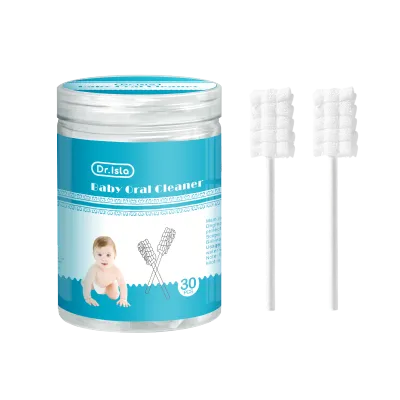

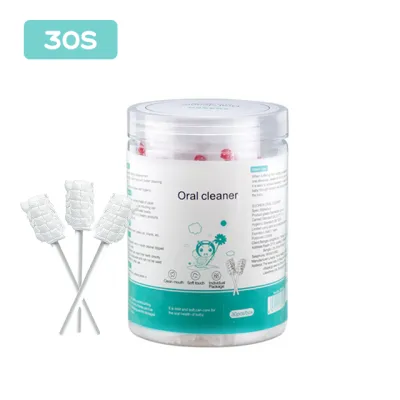
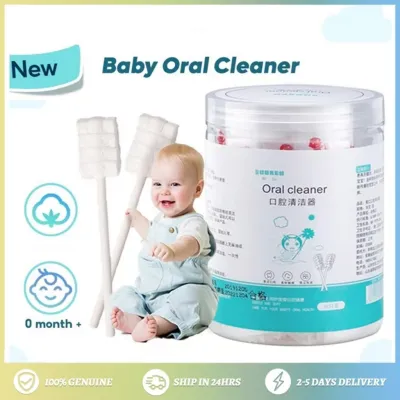

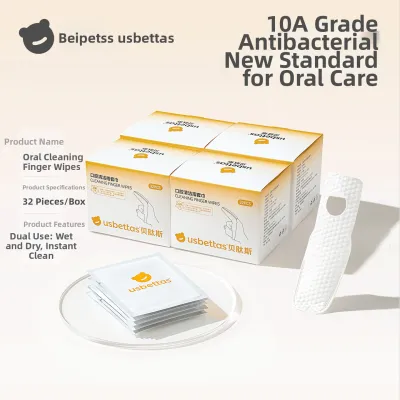

Prices are valid at publication and may change. Please refer to the product page for the latest price.
Beyond immediate cleanliness, early oral care is about building positive sensory habits. Babies are naturally sensitive to touch around their face and mouth. Introducing a gentle wiping routine early in life helps desensitize the oral cavity to external objects. When your baby becomes familiar with the feeling of a soft cloth or finger brush moving along their gums, they are far less likely to resist a traditional toothbrush when they grow older.
This proactive approach also transforms oral hygiene into a predictable, comforting daily ritual. Rather than introducing a toothbrush suddenly when teething pain makes their gums sensitive, you establish a soothing habit during a period of relative comfort. This early foundation reduces parental stress and helps your child view oral care as a natural, non-threatening part of their daily routine.
Choosing the Right Tools for Baby Oral Cleaning
Selecting the proper tools for cleaning your baby’s gums is essential to ensure the process is safe and comfortable. During the first few months, you do not need complex gadgets or specialized chemical products. A simple, clean, damp piece of sterile gauze or a very soft cotton washcloth wrapped around your clean index finger is the most effective and accessible tool available.

If you use a washcloth, ensure it is made from a gentle, non-abrasive fabric that will not irritate delicate oral tissues. In humid climates, wash these cloths thoroughly after every use and dry them completely in a well-ventilated area to prevent mold or bacterial growth. Sterile gauze pads, widely available in local pharmacies, offer a highly hygienic, single-use alternative that eliminates the risk of fabric contamination.
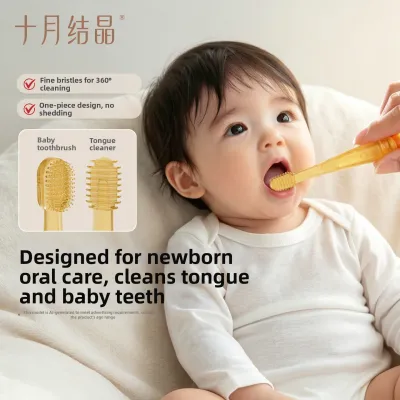
As your baby grows, you might consider a silicone finger brush. These flexible sleeves fit over an adult’s finger and feature soft, rubbery bumps designed to massage and clean the gums. When choosing one, verify the manufacturer’s age recommendations and material specifications on the packaging. Look for food-grade silicone that is free from BPA, and ensure the brush fits snugly on your finger to prevent it from slipping off and posing a choking hazard.
Avoid using any adult oral care products, including standard toothbrushes, mouthwashes, or adult toothpastes, which are entirely unsuitable for infants. Additionally, steer clear of any cleaning tools with small, detachable parts that could easily break off in the baby’s mouth. Keeping your tool selection simple, clean, and age-appropriate is the best way to protect your baby’s delicate oral cavity.
Step-by-Step Routine for Cleaning Your Baby's Gums
Performing a daily gum-cleaning routine requires a gentle touch and a structured approach to keep your baby safe and relaxed. Before you begin, always wash your hands thoroughly with warm water and soap. Because you will be placing your finger directly into your baby’s mouth, ensuring absolute hand hygiene is the most critical step in preventing the introduction of unwanted germs.
Once your hands are clean, prepare your wiping material. If you are using a soft washcloth or sterile gauze, dampen it slightly with clean, lukewarm drinking water. The cloth should be moist but not dripping wet, as excess water can cause your baby to gag. Wrap the damp cloth or gauze securely around your index finger, ensuring there are no loose edges that could unravel inside the baby’s mouth.
Position your baby securely to ensure you have clear visibility and control. A highly effective position is holding your baby on your lap, cradling their head gently in the crook of your arm, similar to a feeding position. Alternatively, lay them down on a clean, flat surface like a changing table or bed, supporting their head with a small, flat cushion. Ensure the area is well-lit so you can easily observe the inside of their mouth.
Gently slide your wrapped finger into your baby’s mouth. Start by wiping the upper gums, moving slowly from the back of the mouth toward the front in a gentle, circular motion. Repeat this process on the lower gums. After cleaning the gums, gently sweep your finger across the surface of their tongue and the inside of their cheeks to lift away any lingering milk film. Keep your movements light and rhythmic, avoiding any scrubbing or pressing motions.
Timing this routine appropriately can make a significant difference in how well your baby tolerates it. A great time to clean your baby’s gums is after their final feeding of the day, just before they go to sleep. This ensures that milk sugars do not sit on their gums throughout the night. Alternatively, establish a routine after the first morning feeding. Consistency is key, so try to perform this quick cleaning at the same times each day to help your baby anticipate and accept the routine.
Safety Precautions and When to Consult a Pediatrician
While cleaning your baby’s gums is generally a straightforward and safe process, it is important to remain observant and responsive to your baby’s physical cues. Some resistance or fussiness is entirely normal, especially when you first introduce the routine. If your baby turns their head away, closes their mouth, or pushes your finger out, do not force the process. Forcing a cleaning can create negative associations with oral care, making future brushing sessions much more difficult. Instead, pause, soothe your baby with a calm voice, and try again later when they are relaxed.
During your daily cleanings, take the opportunity to inspect the inside of your baby’s mouth. Look closely at their tongue, gums, and inner cheeks. If you notice persistent white patches that resemble milk curd but do not wipe away easily, do not attempt to scrub them off. This can be a sign of oral thrush, a common and highly treatable fungal infection in infants. If you suspect thrush, stop the cleaning routine and consult your pediatrician for an accurate evaluation and appropriate treatment.
Additionally, pay close attention to the color and texture of your baby’s gums. Healthy infant gums should appear pink, smooth, and firm. If you observe that the gums are unusually red, swollen, or if they bleed during or after a gentle wiping session, stop the process immediately. Swollen or bleeding gums can indicate localized irritation, an underlying infection, or early signs of teething discomfort that require professional medical advice. Always consult a qualified healthcare provider or a pediatric dentist if you notice any unusual changes in your baby’s oral tissues.
Transitioning to a Toothbrush When Teeth Appear
The transition from gum wiping to active brushing begins the moment you spot the very first sign of a tooth breaking through the gum line. This milestone typically occurs around six months of age, though it can happen earlier or later depending on your baby’s unique developmental timeline. As soon as a tooth is visible, a damp cloth is no longer sufficient to clean the hard enamel surfaces, and you must upgrade to an infant toothbrush.
When selecting your baby’s first toothbrush, look for products specifically designed for infants. The brush should feature an extremely small, rounded head that fits comfortably inside a tiny mouth without bumping against the gums. The bristles must be ultra-soft to protect the delicate gum tissue surrounding the newly emerging tooth. Additionally, choose a toothbrush with a large, easy-to-grip handle, which allows you to maintain steady control while brushing.
Before purchasing any infant toothbrush, carefully read the product packaging to verify age recommendations, safety standards, and material specifications. Ensure the product is labeled as BPA-free and complies with recognized safety guidelines. Inspect the brush regularly for any signs of wear, such as frayed bristles or loose parts, and replace it immediately if you notice any damage or at least every three months to maintain optimal hygiene.
Frequently Asked Questions (FAQ)
Do I need to use toothpaste before my baby gets teeth?
No, you do not need to use toothpaste before your baby’s first teeth emerge. During the gum-wiping stage, plain, clean drinking water is the only liquid required to dampen your washcloth or gauze. Introducing toothpaste or specialized oral gels too early is unnecessary and can be difficult for an infant to spit out, leading to unwanted swallowing. Always check current pediatric dental guidelines and consult your pediatrician before introducing any specialized oral care pastes or gels to your baby’s routine.
How often should I clean my baby's gums?
You should aim to clean your baby’s gums at least once a day, with the most critical time being after the final feeding before bedtime. Wiping the gums before sleep prevents milk sugars from resting on the oral tissues for extended periods overnight. Depending on your baby’s feeding frequency, diet, and specific advice from your pediatrician, you can gradually increase this to twice a day, such as after the morning feeding, to establish a more robust daily routine.
What if my baby cries or refuses gum cleaning?
If your baby cries or resists gum cleaning, keep the experience as positive and stress-free as possible. Use a very gentle touch, speak in a soothing, melodic voice, and try to turn the routine into a playful bonding activity rather than a chore. You can also experiment with different times of the day when your baby is naturally more alert, content, and receptive. If your baby becomes highly distressed, stop the process immediately and try again later to avoid creating negative associations with oral care.

Community discussion
Share your experience or ask a question. Comments are reviewed before publication.