
Cleaning your baby’s mouth is an essential part of early hygiene, yet many parents feel anxious about touching such a delicate area. The key to cleaning your baby’s tongue safely without causing gagging or discomfort lies in using the right tools, maintaining a gentle touch, and avoiding the sensitive back area of the throat. By establishing a calm, step-by-step routine, you can keep your infant’s mouth fresh and healthy while building positive associations with oral care.
Starting oral hygiene early helps your baby become familiar with the sensation of having their mouth cleaned. This early introduction makes the transition to a regular toothbrush much smoother when their first teeth finally erupt. With a patient approach and the correct technique, oral cleaning can become a quick, stress-free part of your daily caregiving routine.
Why and When to Start Cleaning Your Baby's Tongue
Many parents wonder why they need to clean a baby’s tongue before any teeth have emerged. During the first few months of life, your baby’s diet consists entirely of breast milk or formula, which can leave a white residue on the surface of the tongue. Over time, this milk buildup can host bacteria, lead to mild mouth odor, or make the tongue feel sticky and uncomfortable for your little one.
Products mentioned in this guide



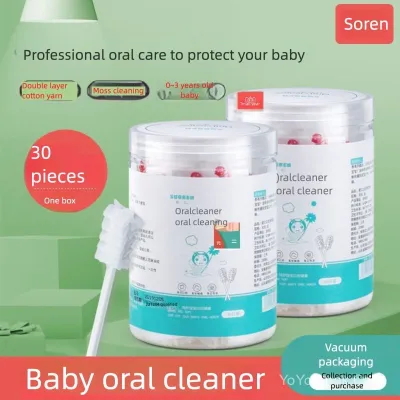



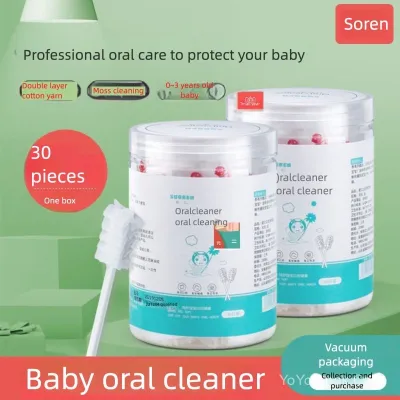
Prices are valid at publication and may change. Please refer to the product page for the latest price.
In the warm, humid climate of the Philippines, maintaining excellent infant hygiene is especially important. High humidity can make milk residue feel more uncomfortable, and keeping the oral cavity clean helps ensure your baby remains comfortable during feeding. Introducing a gentle cleaning routine early on helps prevent this buildup from hardening or becoming a breeding ground for unwanted microorganisms.
Establishing this habit should begin within the first few weeks after birth. You do not need to wait for the first tooth to appear to start caring for your baby’s oral health. By gently wiping the gums and tongue once or twice a day, you help your baby adapt to oral stimulation, reducing oral sensitivity and making future dental visits much easier to manage.
Choosing the Right Tools for Gentle Oral Care
Selecting the appropriate tool is crucial for protecting your baby’s delicate oral tissues. A standard adult toothbrush or rough washcloth should never be used, as these can easily scratch the gums or irritate the tongue. Instead, parents should choose tools specifically designed for infant oral care, focusing on softness, safety, and ease of use.

- Soft Medical Gauze: This is one of the most highly recommended options for newborns. Wrapping a small piece of sterile gauze around your clean index finger allows you to feel exactly how much pressure you are applying inside your baby's mouth. Sterile gauze pads are highly accessible and cost only a few ₱ per pack at local pharmacies, making them a practical and hygienic choice.
- Silicone Finger Brushes: Made from food-grade, BPA-free silicone, these brushes fit over a parent's finger and feature tiny, flexible silicone bristles on one side. They are excellent for gently massaging the gums and sweeping the tongue, but you must ensure the brush fits snugly on your finger so it does not slip off during use.
- Clean Damp Cloths: A soft, clean cotton cloth dampened with clean water can also work well. If you choose this option, ensure the cloth is washed with a fragrance-free, hypoallergenic baby detergent and thoroughly dried in a clean environment to prevent mold growth.
Before every cleaning session, reusable tools like silicone finger brushes must be thoroughly washed and sterilized according to the manufacturer’s instructions. In tropical environments, store these tools in a dry, dust-free container to prevent bacterial contamination. Avoid using unverified home remedies, adult toothpastes, or harsh chemical rinses, as these can be toxic if swallowed by an infant.
Step-by-Step Technique for a Gag-Free Cleaning
To clean your baby’s tongue without triggering their gag reflex, you must use a structured, gentle technique. Preparation is the first and most important step. Always wash your hands thoroughly with soap and running water before touching your baby’s mouth or any of the cleaning tools.
Once your hands are clean, prepare your chosen tool by dampening the gauze, cloth, or silicone brush with lukewarm, cooled boiled water. Do not use hot water, as an infant’s mouth is highly sensitive to temperature. Wrap the damp gauze securely around your index finger, ensuring there are no loose threads or edges that could unravel inside the mouth.
Position your baby securely to prevent sudden movements. Cradle your baby in one arm, similar to the position you use for feeding, or lay them gently on your lap with their head well-supported. This secure positioning ensures that if the baby wiggles, you can easily control your finger’s movement and avoid accidentally poking the back of their throat.
To encourage your baby to open their mouth, gently touch your clean, damp finger to their lower lip. Most babies will naturally open their mouth in response to this touch. Slowly slide your finger inside, keeping it flat against the tongue rather than pointing it downward.
Use a light, sweeping motion to clean the tongue. Start from the middle of the tongue and gently sweep forward toward the tip. Never push your finger toward the back of the throat, as this is where the gag reflex is located. Focus on light, consistent pressure; there is no need to scrub hard, as milk residue should lift away easily with a gentle wipe.
Always read your baby’s physical cues during the process. If your baby begins to squirm, cry, arch their back, or push your finger out with their tongue, pause immediately. Take a moment to soothe them before attempting to finish, or simply stop the session and try again later when they are more relaxed.
Strategies to Prevent Gagging and Keep Your Baby Calm
Timing is everything when it comes to successful oral care. Never attempt to clean your baby’s tongue immediately after a feeding. A full stomach combined with any pressure on the tongue can easily trigger a gag reflex, leading to spitting up or vomiting. Wait at least 30 to 45 minutes after a feed to ensure their stomach has settled.
Creating a calm, positive environment will help your baby associate oral cleaning with comfort rather than distress. Talk to your baby in a soft, reassuring voice throughout the process, or sing a favorite lullaby. Maintaining eye contact and smiling can reassure them that they are safe and secure.
Desensitizing the mouth before touching the tongue can also prevent gagging. Start by gently massaging your baby’s outer cheeks and lips with your finger. Next, rub their gums lightly before moving toward the tongue. This gradual approach prepares the baby for the sensation of your finger inside their mouth, reducing the likelihood of a sudden startle or gag response.
Adjust your approach based on your baby’s daily mood and developmental stages. If your baby is currently teething, their gums may be highly sensitive and tender. On these days, keep the cleaning session exceptionally brief, or focus only on the areas of the mouth that do not cause them discomfort.
Signs You Should Stop and Consult a Pediatrician
While a white coating on the tongue is usually just harmless milk residue, it can sometimes be a sign of a common fungal infection known as oral thrush. Oral thrush is caused by an overgrowth of yeast and requires medical evaluation. Knowing how to distinguish between milk residue and thrush is essential for your baby’s health.
To check the white coating, gently wipe the tongue with a damp gauze pad. If the white patches wipe away easily, leaving a healthy, pink tongue underneath, it is simply milk residue. If the white patches do not rub off, or if attempting to wipe them away reveals red, raw, or slightly bleeding patches underneath, your baby may have oral thrush.
Oral thrush can also spread to other parts of the mouth, appearing as white, lace-like patches on the inside of the cheeks, the roof of the mouth, and the gums. If your baby has thrush, they may also exhibit unexplained fussiness, especially during feeding, as the infection can make sucking painful.
Other warning signs that warrant a professional evaluation include persistent bad breath, swelling, or extreme redness in the oral cavity. If you observe any of these symptoms, stop cleaning your baby’s tongue immediately and consult your pediatrician. They can provide an accurate diagnosis and prescribe a safe, effective antifungal treatment.
Transitioning to a Toothbrush When Teeth Appear
As your baby grows, their oral care needs will naturally evolve. The eruption of the first tooth, which typically occurs around six months of age, marks a major milestone. Once teeth begin to emerge, a damp cloth or silicone finger brush is no longer sufficient to clean the tight spaces and crevices where plaque can accumulate.
When that first tooth appears, it is time to transition to an age-appropriate baby toothbrush. Look for a brush with an extra-small head and ultra-soft bristles designed specifically for infants. Always check the manufacturer’s packaging to verify the age range and safety guidelines for the brush.
Introduce the toothbrush slowly, allowing your baby to hold and explore it under close supervision. To clean their teeth, use gentle, circular motions along the gumline. You can continue to use the soft bristles of the baby toothbrush to gently sweep the tongue, or stick to the damp gauze method for the tongue if your baby prefers it.
Consult your pediatrician or a pediatric dentist regarding the use of toothpaste. In many cases, a tiny smear of baby-safe, fluoride-free toothpaste—no larger than a grain of rice—is recommended once teeth appear. Always ensure the toothpaste is formulated for infants and is safe if swallowed, as babies cannot spit reliably at this stage.
Frequently Asked Questions (FAQ)
How often should I clean my baby's tongue?
Generally, cleaning your baby’s tongue once or twice a day is sufficient to maintain good oral hygiene. Many parents find it easiest to incorporate this step into their baby’s morning or evening bath routine. You can adjust the frequency based on the amount of visible milk residue and how well your baby tolerates the process.
Is it normal for my baby's tongue to look white?
Yes, a light white coating on the tongue is very common in infants and is usually just milk residue from breastfeeding or formula. This residue should easily wipe away with a damp cloth and should not cause your baby any discomfort. If the white patches are stubborn, spread to the cheeks, or make feeding painful, you should consult a healthcare professional to rule out oral thrush.

Community discussion
Share your experience or ask a question. Comments are reviewed before publication.