
Cleaning baby bottles effectively requires adapting your technique to the specific material of each bottle while using a gentle, dedicated formula like the uni love baby bottle cleanser. Different materials—glass, plastic, and silicone—possess unique physical properties that dictate how they respond to scrubbing, heat, and moisture. By matching the right tools and scrubbing methods to each material type, you can thoroughly remove stubborn milk residues, prevent bacterial growth, and preserve the integrity of your feeding gear. Proper maintenance not only extends the lifespan of your bottles but also protects your baby’s developing immune system from harmful pathogens.
Why Material-Specific Cleaning Matters
Understanding the physical properties of your baby bottles is the first step toward maintaining a safe feeding routine. Glass is highly durable and scratch-resistant, but it is fragile and highly sensitive to sudden temperature changes, known as thermal shock. Plastic bottles are lightweight and shatterproof, but their softer surfaces scratch easily under aggressive scrubbing, creating microscopic crevices where bacteria can thrive. Silicone bottles are flexible and mimic natural feeding textures, yet their porous nature makes them prone to absorbing milk oils, odors, and soapy scents if not washed and rinsed with care.
Using a specialized product like the uni love baby bottle cleanser is crucial because standard household dish soaps often contain harsh chemicals, artificial fragrances, and strong degreasers that are difficult to rinse away completely. This dedicated baby bottle cleanser is formulated to target and break down stubborn milk proteins and fats (lipids) without leaving behind chemical residues. When paired with material-specific cleaning techniques, it ensures a thorough clean that preserves the structural integrity of each bottle type while keeping your baby safe from chemical exposure.
Products mentioned in this guide
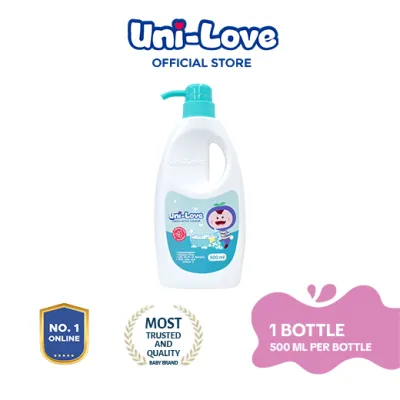
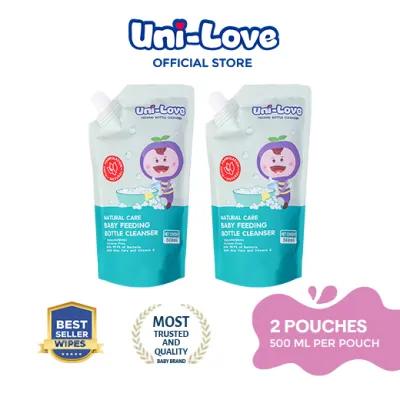
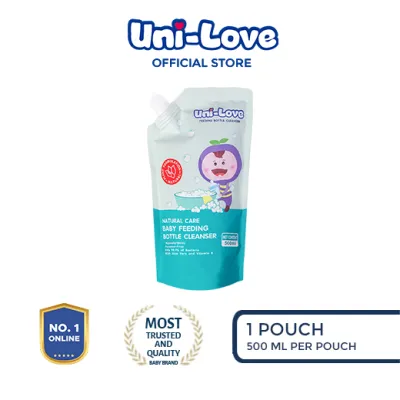
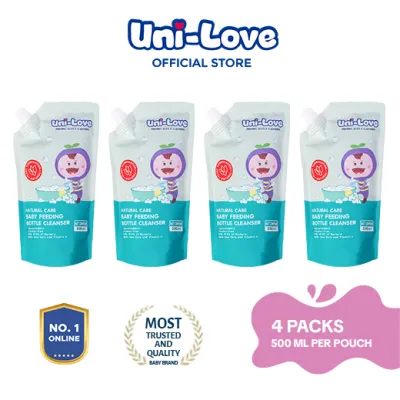
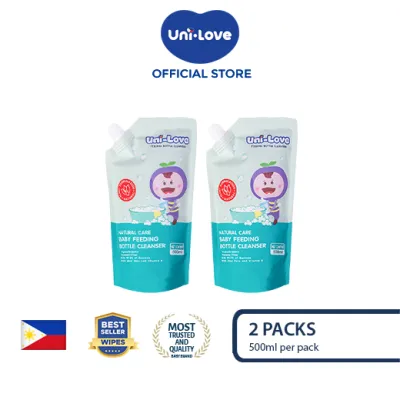
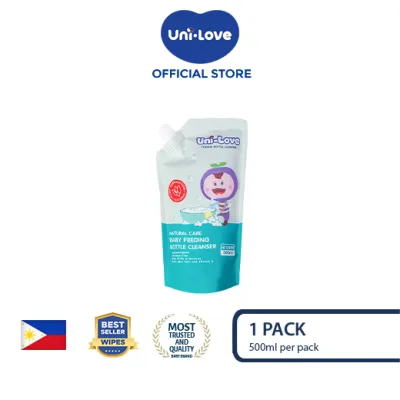
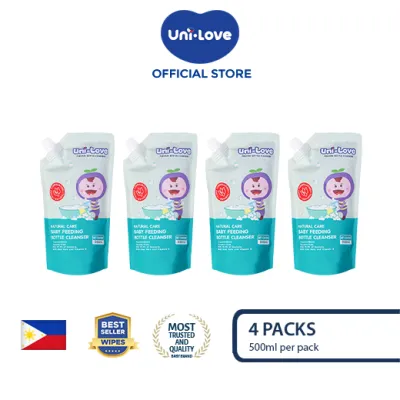
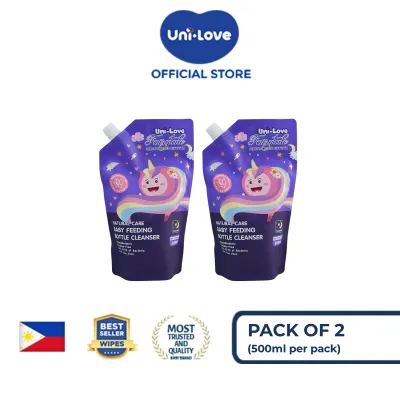
Prices are valid at publication and may change. Please refer to the product page for the latest price.
Tools and Preparation for Effective Cleaning
Before you begin washing, gathering the correct tools is essential to prevent cross-contamination and accidental material damage. You will need a bottle of uni love baby bottle cleanser, a dedicated washbasin used only for baby items, and a set of clean brushes. For glass bottles, a standard nylon bristle brush works well, but for plastic and silicone, you should opt for soft sponge brushes or silicone-bristled brushes to prevent scratching. A small, tapered teat brush is also necessary for cleaning the inside of the bottle nipples.

Always check the manufacturer’s care instructions on your baby bottles and read the label on your cleanser for specific dilution ratios or temperature recommendations. To prepare the bottles for washing, completely disassemble every part, including the nipples, collars, rings, and any anti-colic valves or internal venting tubes. Leaving these components assembled traps milk residue in the threads and joints, creating a breeding ground for bacteria and mold, especially in humid tropical environments.
Step-by-Step Cleaning Guide by Bottle Material
A one-size-fits-all scrubbing method can ruin expensive bottles or leave hidden reservoirs of bacteria. By tailoring your approach to the specific physical limits of glass, plastic, and silicone, you preserve the materials and ensure a highly hygienic result.
Glass Baby Bottles
Glass baby bottles are favored by many parents for their durability, hygiene, and resistance to chemical leaching. Because glass has a hard, non-porous surface, it is highly scratch-resistant, allowing you to use standard nylon bristle brushes and firmer scrubbing pressure to remove dried milk film. To wash them, fill your dedicated washbasin with warm water and add a pump of uni love baby bottle cleanser. Submerge the glass bottle and scrub the interior thoroughly, paying close attention to the bottom where milk sediment tends to settle.
While glass is robust against scratching, it is highly vulnerable to thermal shock, which can cause the bottle to crack or shatter. Never expose a hot glass bottle to cold water, and avoid placing a cold bottle directly into boiling water or steam sterilizers. Always allow the glass to reach room temperature gradually before changing its thermal environment. Additionally, make it a habit to visually inspect your glass bottles for micro-cracks, chips, or deep scratches before and after every wash, and discard any damaged bottles immediately to prevent injury.
Plastic Baby Bottles
Plastic baby bottles require a much gentler touch during the washing process due to the soft nature of the material. When plastic is scrubbed with stiff nylon bristles, it easily develops microscopic scratches that are invisible to the naked eye. These tiny grooves harbor milk fats, proteins, and moisture, creating an ideal environment for bacterial colonization that standard washing cannot easily reach. To prevent this, always use a soft sponge brush or a specialized soft-silicone brush when cleaning plastic bottles.
Apply a small amount of uni love baby bottle cleanser to your soft brush and submerge the plastic bottle in warm water. Use gentle, circular scrubbing motions rather than aggressive back-and-forth scraping to lift away milk residue. Regularly inspect your plastic bottles under bright light; if you notice persistent cloudiness, deep scratches, a sticky or tacky texture, or a sour smell that remains after washing, the plastic has degraded. When these signs appear, it is time to replace the bottle to ensure your baby’s feeding safety.
Silicone Baby Bottles
Silicone baby bottles are popular for their soft, squeezable texture, but they present unique cleaning challenges due to their high flexibility and porous surface. Silicone tends to absorb oils from breast milk or formula, which can trap odors and cause a cloudy film to form over time. To clean silicone bottles effectively, submerge them in warm water mixed with uni love baby bottle cleanser. Because the material is flexible, you can gently massage, squeeze, and invert the silicone body during the washing process, allowing the soapy water to reach all interior folds, corners, and textured surfaces.
Because silicone is highly porous, thorough rinsing is absolutely critical. If soap residue is left on the surface, the silicone can absorb the scent or flavor, which may cause your baby to reject the bottle during the next feeding. Rinse the silicone body under warm, running water until the surface feels completely squeaky-clean and free of any slippery film. Additionally, pay close attention to any built-in anti-colic vents or internal valves common in silicone bottles, ensuring they are gently cleared of any blockages using a soft, small brush.
How to Clean Nipples, Rings, and Small Accessories
The nipples, screw rings, and small collar accessories of a baby bottle are the most critical contact points for your baby, yet they are often the most difficult to clean. Because these parts have intricate shapes, threads, and small openings, milk easily pools and spoils in them. To clean these delicate components safely, always use a small, specialized teat brush. Apply a drop of uni love baby bottle cleanser directly to the teat brush and gently insert it into the nipple cavity.
When cleaning the nipple, carefully push the brush through the nipple hole to clear out any dried milk residue, but be extremely careful not to stretch, tear, or enlarge the opening, as this can alter the milk flow rate and pose a choking hazard. Avoid aggressively turning the nipple inside out, as this mechanical stress can weaken the silicone or latex structure and cause premature tearing. For the screw rings and collars, use a small brush to scrub along the threading where milk residue frequently gets trapped and spoils, ensuring every groove is free of buildup.
Rinsing, Drying, and Safe Storage
The final steps of the cleaning process are just as important as the scrubbing itself to ensure the bottles remain sanitary until the next use. After washing all components with uni love baby bottle cleanser, rinse every single part under clean, running water. Continue rinsing until there is absolutely no soapy residue, bubbles, or slippery feeling left on any surface. Incomplete rinsing can lead to the ingestion of soap residue, which can upset your baby’s sensitive stomach.
Once thoroughly rinsed, proper air-drying is essential, especially in tropical climates with high humidity, where moisture can quickly encourage mold and bacterial growth. Place all disassembled bottle parts upside down on a dedicated, clean drying rack located in a well-ventilated area away from household prep zones. Never use cloth towels or paper towels to dry the inside of the bottles or nipples, as this can easily introduce lint, dust, and harmful bacteria back onto the clean surfaces. Once all parts are completely dry, reassemble them with clean hands and store them in a closed, dust-free cabinet to maintain their hygiene.
Frequently Asked Questions (FAQ)
Can I use Uni Love cleanser in a dishwasher?
Before attempting to use the uni love baby bottle cleanser in a dishwasher, always check the cleanser’s label instructions and consult the specific bottle manufacturer’s guidelines. While some glass and hard plastic bottles are labeled as dishwasher-safe, handwashing with a dedicated cleanser is generally recommended for nipples, collar rings, and delicate silicone parts. The high heat, aggressive water jets, and harsh detergents used in dishwashers can warp silicone, alter the flow rate of nipples, and degrade the structural integrity of delicate anti-colic valves over time.
How do I know when it is time to replace a plastic or silicone bottle?
Even with meticulous cleaning using uni love baby bottle cleanser, plastic and silicone materials naturally degrade over time and must be replaced periodically. You should inspect your baby bottles regularly for definitive signs of wear, such as deep scratches, persistent cloudiness, discoloration, or a sticky, tacky surface texture. Additionally, if a bottle retains a lingering sour milk odor that persists even after a thorough wash and dry, it indicates that bacteria or milk fats have penetrated the material, and the bottle should be discarded and replaced immediately.

Community discussion
Share your experience or ask a question. Comments are reviewed before publication.