
Introducing solid foods to a baby is a major milestone that requires the right tools to foster independence. When babies begin their weaning journey, their fine motor skills are still developing, making standard, thin-handled utensils difficult to grasp. Thick-handled spoon and fork sets, particularly those featuring ergonomic Japanese-style designs, have become highly sought-after solutions for parents. These specialized utensils are engineered to match a baby’s natural physical capabilities, turning what could be a frustrating mealtime struggle into a successful self-feeding experience. By choosing the right design, parents can support their child’s developmental milestones while ensuring safety and comfort at the dining table.
When searching for a spoon and fork set, makapal (thick-handled) designs inspired by Japanese ergonomics are highly recommended because they bridge the gap between a baby’s natural grasp and the fine motor skills needed for self-feeding. Understanding how these design elements interact with your baby’s physical development will help you make an informed choice that keeps mealtimes positive and productive.
Why Thick Handles and Japanese Designs Support Self-Feeding
During the early stages of weaning, babies naturally use a palmar grasp, which means they hold objects with their entire fist rather than their fingers. A thin, standard utensil handle is incredibly difficult for a baby to stabilize, often rotating in their palm and causing food to spill before it reaches their mouth. A thick, chunky handle fills the small cavity of a baby’s closed fist, providing a secure grip and giving them the leverage they need to control the utensil with confidence.
Products mentioned in this guide
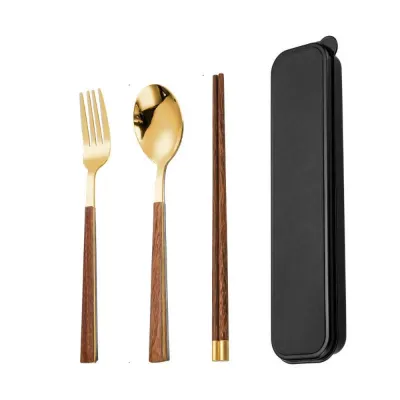
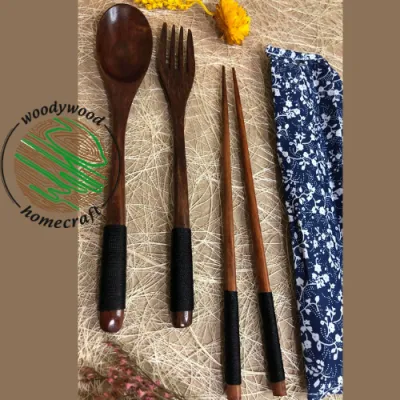
Prices are valid at publication and may change. Please refer to the product page for the latest price.
Japanese design philosophy is highly regarded for its focus on ergonomics, minimalism, and practical functionality. In baby tableware, this translates to shallow spoon bowls and carefully calculated proportions. A shallow bowl is essential because it matches a baby’s small mouth capacity and allows them to easily clear food using their upper lip. Deep spoon bowls often trap food, leading to frustration or overfeeding, whereas Japanese-style designs ensure that every scoop is manageable and easy to swallow.
Another common feature of Japanese-style weaning utensils is the angled or curved neck. This design directly addresses a baby’s limited wrist rotation. Infants have not yet developed the wrist flexibility required to scoop food and bring it straight to their mouth horizontally. An angled neck compensates for this physical limitation, aligning the spoon bowl with the mouth even when the baby’s wrist remains relatively rigid.
Lightweight yet sturdy materials are also a hallmark of these designs. Heavy utensils quickly tire out a baby’s arm, leading to fatigue, fussiness, and a premature end to the meal. By balancing a thick, easy-to-grip handle with lightweight construction, these sets allow babies to practice their hand-eye coordination repeatedly without physical strain, making the learning process much more enjoyable.
Essential Features to Check Before Buying
Since weaning utensils go directly into your baby’s mouth, verifying material safety is your absolute first priority. Parents should carefully inspect product packaging and manufacturer documentation for food-grade certifications, ensuring the materials are free from BPA, phthalates, lead, and PVC. Because safety standards and product formulations can change, it is crucial to verify these certifications directly with the manufacturer rather than relying solely on online marketplace descriptions.

When evaluating the handle, look beyond simple thickness to assess the overall texture and weight distribution. In warm, tropical climates, a baby’s hands can easily become sweaty or slippery with food oils, making a textured grip essential. Look for handles featuring matte finishes, raised silicone ridges, or non-slip patterns that provide reliable friction. Additionally, ensure the weight is balanced; a handle that is excessively heavy at the back will cause the utensil to tip backward out of the baby’s hand.
The design of the utensil head requires close inspection to prevent oral injuries. Spoon edges must be perfectly smooth, rounded, and free from any sharp plastic seams left over from the manufacturing process. For forks, the tines must be blunt enough to prevent accidental punctures to the baby’s delicate gums, tongue, or lips, yet functional enough to pierce soft, steamed foods. Avoid metal tines during the initial stages of self-feeding, as babies often bite down hard on utensils.
While browsing e-commerce platforms in the Philippines, you will find a wide range of prices, from budget-friendly options to premium imported Japanese brands. When evaluating sets priced anywhere from ₱150 to ₱500 or more, prioritize structural integrity over low cost. Inspect user reviews for any reports of peeling coatings, loose joints, or strong chemical odors, as these are clear indicators of substandard manufacturing that could compromise your baby’s safety.
Types of Thick-Handled Weaning Sets to Consider
Silicone-coated or fully silicone spoon and fork sets are highly recommended for the earliest stages of weaning. Silicone is soft, flexible, and incredibly gentle on sore, teething gums, making it a comforting choice for babies who like to chew on their utensils. The natural high-friction surface of silicone provides an excellent grip even when wet. However, parents should verify that the inner core of the utensil is rigid enough to scoop purees or soft mashed foods without bending completely under pressure.
Angled or curved handle sets are specifically engineered for babies who are just beginning to explore self-feeding. These utensils feature a permanent bend that guides the food directly toward the mouth, bypassing the need for complex wrist movements. While highly effective for building early confidence, these sets are often hand-specific, meaning they are designed specifically for either right-handed or left-handed grips. Parents should observe which hand their baby naturally favors before purchasing an angled set.
Wooden or bamboo blends offer a natural, plastic-free aesthetic and are appreciated for their sturdy, thick handles. These materials do not conduct heat, ensuring the handle remains cool to the touch even when serving warm food. However, wooden utensils require rigorous quality checks. Parents must ensure the wood is perfectly smooth, completely free of splinters, and sealed with a certified food-safe, non-toxic finish that will not degrade with washing.
Straight, thick-handled sets are ideal for older babies who are transitioning into toddlerhood. As a child’s grip matures, they begin to move away from the palmar grasp and start using their fingers for more precise control. Straight, chunky handles made of durable food-grade plastic or stainless steel with silicone grips provide the perfect transition. They mimic adult tableware while still offering enough thickness to prevent hand fatigue during longer meals.
Safe Usage and Supervision Guidelines
Before introducing any spoon and fork set, parents must verify their baby’s physical readiness for self-feeding based on developmental milestones rather than a strict age number. Key signs of readiness include the ability to sit upright independently in a high chair with excellent head and neck control, showing active interest in family meals, and demonstrating the hand-to-mouth coordination required to bring toys or food to their mouth.
Proper seating posture is essential for safe swallowing and digestion. Always secure your baby in an upright high chair, preferably one with an adjustable footrest to support their posture. Continuous, active adult supervision is mandatory during every single meal. A baby learning to use utensils can easily push a spoon too far back into their throat, causing gagging, or attempt to stand up and move around while holding a utensil, which poses a severe injury risk.
Establish clear stop-use conditions to protect your baby from choking hazards and bacterial exposure. Regularly inspect the weaning set before and after every use for signs of wear and tear. If you notice deep bite marks, cracks, peeling coatings, or loose joints where the utensil head meets the handle, discard the set immediately. Damaged utensils can harbor harmful bacteria in hard-to-clean crevices or break apart during use.
Cleaning and Care Instructions
Maintaining strict hygiene is vital to protect your baby’s developing immune system. Always consult the manufacturer’s instructions regarding heat tolerance and sterilization limits. While many silicone and high-grade plastic sets are dishwasher and steam-sterilizer safe, others can warp, melt, or degrade when exposed to extreme temperatures. If the packaging does not explicitly state that the item is sterilizer-safe, stick to hand-washing with warm, soapy water.
Wooden, bamboo, or multi-material sets with glued joints require specialized hand-washing to prevent damage. Never soak these utensils in water or place them in a dishwasher, as prolonged exposure to moisture causes wood to swell, warp, and crack. In humid tropical environments, damp wood is highly susceptible to mold growth. Wash them promptly after meals using a mild, baby-safe dish soap, rinse thoroughly, and wipe them dry immediately with a clean towel.
Proper drying and storage are essential to prevent bacterial growth in the crevices of thick handles. After washing, allow the utensils to air-dry completely in a well-ventilated rack away from direct sunlight, which can cause certain plastics and silicone to become brittle over time. Avoid storing utensils in airtight containers or dark drawers while they are still damp, as trapped moisture creates an ideal breeding ground for bacteria.
Frequently Asked Questions (FAQ)
At what age should a baby start using a fork?
Introducing a fork depends entirely on your baby’s individual motor skills rather than a specific chronological age. Most babies are developmentally ready to try using a blunt fork around 10 to 12 months, after they have gained some basic proficiency with a spoon. Look for signs of readiness, such as the ability to deliberately aim for food on their tray and the coordination to lift a loaded spoon to their mouth with minimal spilling.
When you decide to introduce a fork, start with a model featuring blunt, rounded tines designed specifically for infants. Use it to help them practice piercing soft, easily manageable foods like steamed sweet potato cubes, soft melon, or ripe banana. Always consult your pediatrician if you have questions about your baby’s motor skill development or readiness for self-feeding.
Can thick-handled utensils be used for toddlers?
While thick-handled utensils are perfect for the early palmar grasp stage, older toddlers will eventually outgrow them. As a child’s fine motor skills mature, their grip naturally transitions to a pincer grasp, where they use their fingers and thumb rather than their entire fist to hold objects. At this stage, overly thick or chunky handles can become bulky and limit the precision needed for more complex eating movements.
If you observe your toddler struggling to maneuver a thick handle, or if they begin holding the utensil further up near the neck to gain better control, it is likely time to transition. Look for toddler-specific sets that offer a transitional design, featuring slightly longer, thinner handles that bridge the gap between chunky baby utensils and standard adult flatware.

Community discussion
Share your experience or ask a question. Comments are reviewed before publication.