
Choosing the right diapering system for a newborn involves balancing skin health, environmental impact, and daily practicality. For many families in the Philippines, the traditional cloth diaper—locally known as lampin—remains a trusted staple. Opting for a lampin newborn cotton makapal (thick cotton diaper) provides a highly absorbent, chemical-free foundation that protects delicate newborn skin from friction and moisture.
Unlike thin, single-layer gauze sheets, thick cotton diapers feature multi-layered weaves designed to lock in liquid without relying on synthetic superabsorbent polymers. Navigating the transition to reusable diapers requires understanding how different cotton weaves perform under tropical conditions, how to ensure a secure fit on a tiny infant, and how to establish a washing routine that prevents mildew in high humidity. This guide provides the practical frameworks and verification steps needed to curate a reliable, high-performing newborn cloth diaper stash.
Understanding Thick Cotton for Newborn Skin and Absorbency
Newborn skin is exceptionally thin and highly permeable, making it vulnerable to irritation from synthetic materials, fragrances, and wetness. Pure cotton offers a naturally hypoallergenic surface that minimizes friction against a baby’s delicate thighs and diaper area. Because cotton fibers are highly breathable, they allow air to circulate freely, which helps regulate skin temperature and reduces the likelihood of heat rash—a common concern in warm, tropical climates. If persistent redness or irritation occurs, it is always best to stop use and consult a qualified pediatrician.
Products mentioned in this guide


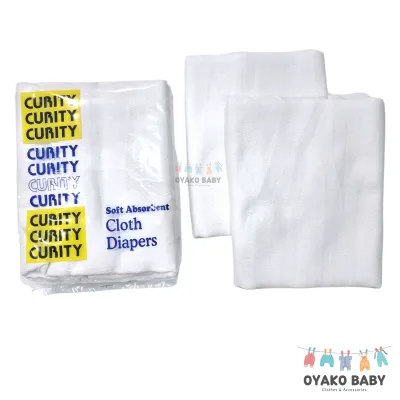
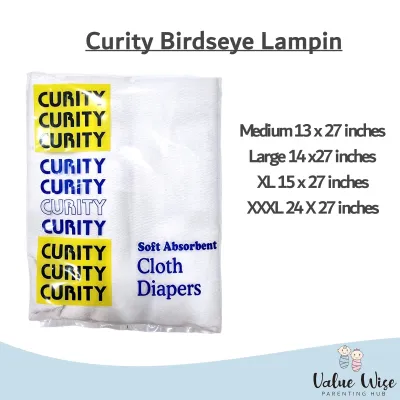


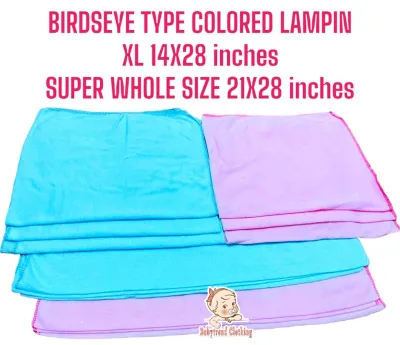
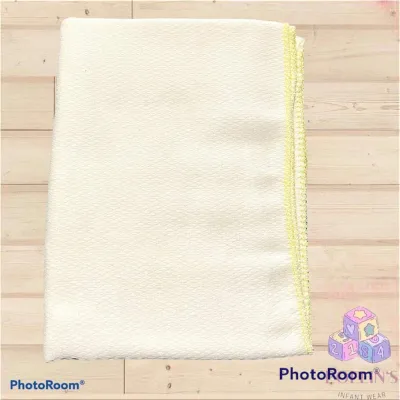
Prices are valid at publication and may change. Please refer to the product page for the latest price.
The primary appeal of a thick cotton diaper lies in its structural absorbency. Thicker cotton fabrics, often constructed with multiple plies or dense weaves, absorb liquid quickly and distribute it throughout the fibers to keep wetness away from the skin. However, this density introduces a practical trade-off: thicker fabrics naturally retain moisture longer during the drying cycle. In humid environments or during the rainy season, multi-layered cotton diapers require extended line-drying times or dedicated indoor drying setups to ensure they dry completely before storage.
From an environmental and financial perspective, investing in reusable cotton diapers significantly reduces household waste. A single newborn can go through ten to twelve diaper changes a day, translating to thousands of disposable diapers destined for landfills. High-quality cotton diapers can be washed and reused hundreds of times, serving multiple children or transitioning into household cleaning cloths later in their lifecycle. This durability makes them a highly sustainable choice for eco-conscious households looking to minimize their ecological footprint.
Key Features to Verify When Shopping for Thick Cotton Diapers
When evaluating thick cotton diapers online or in local baby boutiques, the physical weave of the fabric determines its performance. Birdseye cotton is a traditional favorite, characterized by a small, diamond-shaped pattern woven into the fabric that provides excellent durability, moderate thickness, and a textured surface that catches messes easily. Terry cotton offers high absorbency due to its looped pile structure, making it incredibly plush, though it can feel bulky on a small newborn. Heavy flannel is another excellent option, offering a brushed, velvety texture that feels exceptionally soft against sensitive skin while providing a dense barrier against leaks.

Sizing and fit are critical when diapering a newborn, as standard one-size cloth diapers are often too bulky for infants weighing under four kilograms. Always verify the manufacturer’s specific weight and size guidelines on the product packaging rather than relying solely on generic age labels. It is essential to verify that the diaper design allows for umbilical cord stump clearance, either through a contoured front dip or a flexible folding method, to prevent friction and keep the area dry until the cord falls off naturally.
The quality of the edge finishing and seams directly impacts your baby’s comfort. Inspect the perimeter of the diaper to ensure the hems are finished with soft, flat-locked stitching or gentle serging rather than thick, rigid seams that can press into delicate skin. Rough edges or loose threads can cause chafing around the thighs and waist, especially when the diaper is wet and heavy. Choosing diapers with high-quality, durable stitching ensures the edges remain flat and intact through frequent, high-temperature wash cycles.
How to Evaluate and Build Your Cloth Diaper Shortlist
Building a reliable diaper stash requires careful verification of product specifications to ensure you are purchasing genuine, high-quality materials. Always read the product label or online description to confirm the fabric is 100% pure cotton. Some products marketed as cotton blends may contain polyester or other synthetic fibers that reduce breathability and can trap heat, which is counterproductive in warm climates. If you are shopping on online marketplaces, look for sellers who provide clear close-up photos of the fabric weave and detailed material certifications, such as OEKO-TEX Standard 100, which indicates the textile has been tested for harmful substances.
Customer reviews offer invaluable insights into how a diaper performs after multiple wash cycles. When browsing reviews, filter for feedback from parents who mention post-wash shrinkage, as pure cotton naturally shrinks by five to ten percent during its initial prep washes. Look for comments regarding whether the fabric retains its softness over time or becomes stiff and rough when line-dried in the sun. Pay close attention to reviews that discuss the true absorbency of the diaper, particularly from parents of heavy-wetting newborns, to gauge whether the diaper requires additional boosting.
Budgeting for a newborn cloth diaper stash involves calculating the upfront cost of diapers, waterproof covers, and fasteners. While the initial investment is higher than buying a single pack of disposables, the long-term savings are substantial. In the local market, a single high-quality thick cotton prefold or flat diaper typically ranges from ₱80 to ₱250, while waterproof covers can range from ₱200 to ₱600 each. To build a full-time newborn stash of twenty-four diapers and six waterproof covers, you should expect to budget approximately ₱3,500 to ₱8,000, depending on the specific styles and brands you select.
Essential Accessories to Complete Your Diapering System
A thick cotton diaper alone is not waterproof; it requires a high-quality outer cover to contain moisture and prevent leaks. Polyurethane laminate (PUL) covers are the most popular choice, offering a lightweight, waterproof barrier that is easy to wipe clean and reuse across multiple diaper changes. For an ultra-breathable, natural alternative, wool covers provide exceptional temperature regulation and natural water resistance, though they require specialized hand-washing and lanolizing routines. Ensure the cover has gentle, double leg gussets to create a secure seal around thin newborn legs, preventing liquid messes from escaping.
Securing a traditional flat or prefold diaper requires reliable fastening tools that keep the fabric snug without posing a safety hazard. Modern diaper fasteners made of stretchable, non-toxic materials with tiny teeth are a popular and safe alternative to traditional metal safety pins. These fasteners grip the cotton fibers securely, allowing you to customize the tension across your baby’s waist and thighs. If you prefer a simpler system, you can choose pocket diapers or diaper covers with integrated hook-and-loop (velcro) or snap closures that hold the cotton insert firmly in place without external fasteners.
As your newborn grows and their liquid output increases, incorporating liners and boosters can extend the usability of your cotton diapers. Natural fiber boosters made of bamboo or hemp can be layered inside the cotton diaper to increase absorbency without adding excessive bulk. Additionally, reusable fleece liners can be placed on top of the cotton diaper to provide a “stay-dry” feel, drawing moisture away from the skin and making the cleanup of solid waste much easier. For parents seeking convenience during outings, biodegradable, flushable paper liners offer a simple way to dispose of solids quickly.
Washing and Care Routines for Maximum Absorbency
New cotton diapers contain natural plant oils and waxes that must be removed before the fabric can reach its full absorbency potential. Preparing new diapers requires washing them three to five times with a small amount of detergent in hot water, drying them between each cycle. You can test the absorbency by pouring a small amount of water onto the dry diaper; if the water puddles or rolls off instead of soaking in instantly, the diaper requires additional prep washes to open up the cotton fibers.
Establishing a consistent washing routine is essential for maintaining fabric integrity and preventing diaper rash caused by detergent buildup or ammonia. Begin with a cold pre-wash or rinse cycle to flush out organic waste, followed by a long, hot wash cycle with a newborn-safe, residue-free detergent. Avoid using fabric softeners, dryer sheets, or detergents containing optical brighteners, as these products leave a chemical coating on the cotton fibers that repels moisture and drastically reduces absorbency. If you live in an area with hard water, consider adding a water softener to prevent mineral deposits from making the cotton stiff and scratchy.
Drying your cotton diapers thoroughly is crucial, especially in humid tropical climates where mold and mildew can develop quickly. Line-drying diapers in direct sunlight is highly recommended, as ultraviolet rays act as a natural bleaching agent to fade stains and sanitize the fabric. During the rainy season, ensure your indoor drying area is well-ventilated, or use a clothes dryer on a medium heat setting to prevent moisture from lingering in the thick, multi-layered sections of the diapers. Store clean, dry diapers in a cool, dry drawer or breathable basket to maintain freshness.
Frequently Asked Questions (FAQ)
How many thick cotton cloth diapers do I need for a newborn stash?
A typical newborn requires twelve to fourteen diaper changes per day due to frequent feeding and elimination cycles. To run a sustainable cloth diapering routine while washing every other day, a stash of twenty-four to thirty thick cotton diapers is highly recommended. This quantity ensures you have enough clean diapers on hand while the washed diapers are drying, which is particularly important during humid or rainy periods when thick cotton takes longer to dry completely. If you plan to wash diapers daily, you can manage with a smaller stash of fifteen to eighteen diapers.
Can I use thick cotton cloth diapers overnight for a newborn?
Yes, thick cotton diapers can be used successfully overnight, but they generally require modification to handle longer sleep stretches. Because newborns sleep for several hours at a time, you should use a specialized folding technique that concentrates the fabric layers in the wetness zone, or add a highly absorbent bamboo or hemp booster to increase capacity. Pair the diaper with a high-quality, double-gusseted waterproof cover to prevent compression leaks while your baby is lying down. If your baby is highly sensitive to wetness, adding a fleece stay-dry liner will help keep their skin dry and comfortable throughout the night.

Community discussion
Share your experience or ask a question. Comments are reviewed before publication.