
Welcoming a new baby into your family brings immense joy, along with a sudden awareness of the sheer volume of waste a household can produce. In the Philippines, where tropical heat and high humidity are constant companions, choosing the right diapering system is one of the most critical decisions new parents face. While single-use diapers offer temporary convenience, they contribute significantly to local landfills and can trap intense heat against sensitive infant skin. This has led many modern Filipino parents to return to a classic, time-tested solution: the traditional cloth diaper, updated with modern, eco-friendly designs. Choosing a high-quality lampin new born baby system allows families to drastically reduce their environmental footprint while keeping their little ones comfortable.
The environmental impact of disposable diapers is a growing concern for eco-conscious households. A single newborn can go through up to 10 to 12 diapers a day, translating to thousands of non-biodegradable plastic pads destined to sit in landfills for centuries. By transitioning to reusable cloth diapers, you significantly decrease your household’s daily waste output. Even a hybrid approach—using cloth at home and disposables only during long travels—makes a measurable difference in reducing plastic consumption.
Beyond the ecological benefits, cloth diapers offer unmatched breathability, which is vital in our warm, humid climate. High humidity levels combined with the plastic barriers of disposable diapers create a breeding ground for yeast and bacteria, often resulting in stubborn diaper rashes. Natural, chemical-free fibers allow air to circulate freely, keeping the baby’s delicate skin cool and dry. Furthermore, investing in a reusable diaper stash provides substantial long-term financial savings. Although the upfront cost of purchasing high-quality cloth diapers can seem high, the ability to wash and reuse them through infancy—and even pass them down to future siblings—makes them a highly economical choice for Filipino families.
Products mentioned in this guide
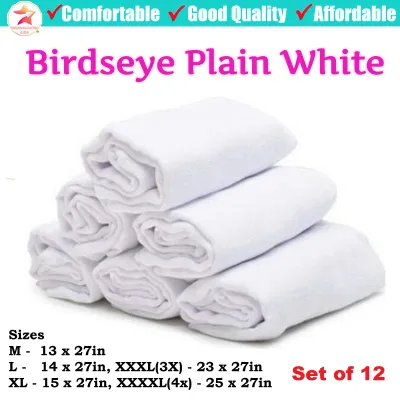
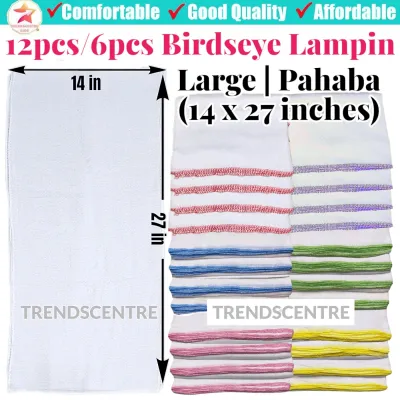
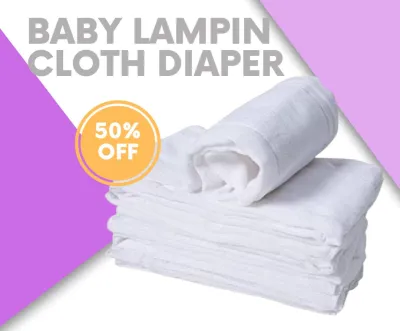
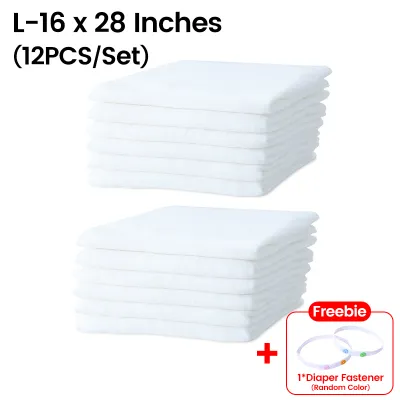
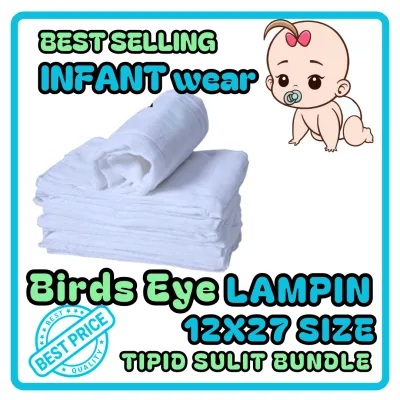
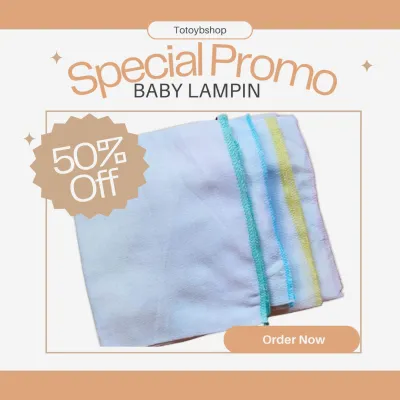

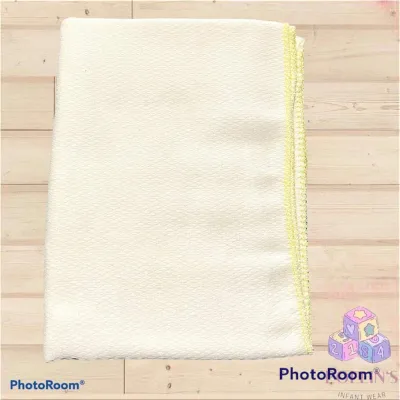
Prices are valid at publication and may change. Please refer to the product page for the latest price.
Choosing the Best Lampin New Born Baby Systems: What to Look For
When selecting cloth diapers for a newborn, parents must navigate a variety of materials, sizes, and designs. Because a newborn’s skin is exceptionally thin and sensitive, the choices you make directly affect their comfort and skin health. Understanding the key features of modern cloth diapering systems ensures you select options that are safe, practical, and highly effective for your daily routine.
Material and Absorbency
The fabric that rests against your baby’s skin is the most crucial factor in preventing irritation. Natural, eco-friendly fibers are highly recommended for newborns due to their superior absorbency and lack of synthetic chemicals.
- Organic Cotton: This is a highly breathable, durable, and hypoallergenic option. Cotton is easy to clean, widely available, and becomes softer with every wash, making it gentle on newborn skin.
- Bamboo: Known for its incredible softness and natural antibacterial properties, bamboo rayon or terry is highly absorbent and excellent for keeping moisture away from the skin. It feels cool to the touch, which is highly beneficial in tropical weather.
- Hemp: Hemp is the most absorbent natural fiber available, making it an excellent choice for heavy wetters. Because hemp can feel slightly stiff on its own, it is usually blended with organic cotton to provide both softness and maximum absorbency.
- Avoid Microfiber Directly Against Skin: While synthetic microfiber absorbs liquid quickly, it can cause extreme dryness and irritation if placed in direct contact with your baby's skin. Always ensure microfiber inserts are tucked inside a pocket layer rather than resting directly on the baby.
Fit, Sizing, and Safety Limits
Newborns grow rapidly, and their physical proportions require specialized diaper designs. Standard “one-size-fits-most” (OSFM) diapers are often too bulky for a baby under 4 kilograms, leading to gaps around the legs where leaks can easily occur.
- Weight Ranges: Always verify the manufacturer's specified weight limits. Dedicated newborn cloth diapers are typically designed to fit babies weighing from 2 to 5.5 kilograms, ensuring a snug, leak-proof fit.
- Umbilical Cord Care: A newborn's healing umbilical cord stump must be kept dry and free from friction to prevent infection. Look for diaper covers and shells that feature a low-rise front or a specialized umbilical cord snap-down button that keeps the fabric clear of the navel area.
- Adjustable Rises: Opt for diapers with adjustable snap rises. These allow you to customize the length of the diaper as your baby grows, ensuring the elastics sit snugly in the leg creases without leaving deep red marks.
Drying Time in Humid Climates
The Philippine climate presents unique challenges for drying laundry, particularly during the rainy season (habagat). High humidity levels can prolong drying times, which can lead to musty odors or mold if diapers remain damp for too long.
- Weave and Thickness: Thinner, single-layer fabrics like traditional flat cotton sheets or prefolds dry significantly faster than thick, multi-layered all-in-one diapers.
- Rotational Planning: If you do not have access to a mechanical dryer, prioritize quick-drying fabrics and systems during the wet season to ensure you do not run out of clean diapers.
Ease of Use and Parental Lifestyle
Every family has a different tolerance for laundry and diaper assembly. It is important to balance your ecological goals with the practical realities of caring for a newborn, especially during sleep-deprived weeks.
- Caregiver Familiarity: If relatives, babysitters, or yayas will be assisting with baby care, consider choosing user-friendly systems that closely mimic the ease of disposable diapers.
- Assembly Requirements: Some systems require folding and fastening, while others are ready to use straight out of the drawer. Choose a system that aligns with your daily energy levels and support system.
Top Eco-Friendly Cloth Diaper Systems for Newborns
To help you build the perfect diaper stash, it helps to understand the three primary modern cloth diapering systems. Each system offers distinct advantages regarding convenience, breathability, drying speed, and cost.

All-in-One (AIO) and Pocket Diapers for On-the-Go Convenience
All-in-One (AIO) and pocket diapers represent the modern evolution of reusable diapering, designed to offer a user-friendly experience that rivals the convenience of single-use options.
An AIO diaper features a waterproof outer shell with the absorbent inner layers sewn directly into the diaper. There is no assembly required; you simply put the diaper on the baby and wash the entire unit after use. Pocket diapers, on the other hand, feature a waterproof outer layer and a stay-dry inner lining that creates a pocket opening. You insert the absorbent pads (inserts) into this pocket before putting the diaper on your baby. This design allows you to customize the absorbency by adding more inserts as your baby grows.
For parents who frequently travel, attend doctor visits, or rely on external caregivers, these modern systems are incredibly convenient. They require no complex folding or pinning, making diaper changes quick and straightforward. To maintain your eco-friendly standards, look for brands that utilize natural fiber inserts, such as bamboo or organic cotton, rather than synthetic microfiber inside the pockets.
However, these convenient systems do come with specific trade-offs. Because AIO diapers have multiple layers sewn tightly together, they take the longest time to air-dry, which can be highly inconvenient during humid, rainy months. Additionally, modern AIO and pocket systems carry a higher upfront cost per unit compared to traditional options, requiring a larger initial financial investment to build a full rotation.
Prefolds, Flats, and Covers for Maximum Breathability
If your primary goals are maximum breathability, rapid drying times, and budget-friendliness, the combination of traditional flats or prefolds paired with a waterproof cover is highly effective.
This classic system relies on a flat sheet of woven fabric (a flat) or a rectangular piece of fabric partitioned into layers (a prefold). You fold this fabric around the baby and secure it using modern diaper fasteners or safety pins. Over this absorbent layer, you place a separate, waterproof diaper cover made from breathable thermoplastic polyurethane (TPU) or polyurethane laminate (PUL). The cover prevents wetness from transferring to clothing while allowing air to circulate.
This system is exceptionally well-suited for the tropical Philippine climate. Because flats and prefolds unfold into single, thin layers of cotton or bamboo, they dry incredibly fast under the sun or even on indoor drying racks. This rapid drying speed means you can maintain a smaller, more affordable diaper stash. Furthermore, because the waterproof cover does not get soiled with every wet diaper, you can wipe the inside of the cover clean and reuse it multiple times before washing, drastically reducing your laundry load.
While highly practical, this system does come with a learning curve. Parents must practice different folding techniques to find the best fit for their newborn’s body shape and to ensure proper containment of runny newborn messes. Additionally, securing the diaper with fasteners requires a bit more patience and active supervision during diaper changes.
Fitted Diapers with Natural Inserts for Overnight Protection
Fitted diapers are designed specifically to handle heavy wetting and extended sleep periods without relying on synthetic materials or chemical gels.
A fitted diaper is made entirely of absorbent material—usually organic cotton, bamboo, or hemp—shaped with elasticized legs and waistbands, and secured with snaps or hook-and-loop closures. Because the entire diaper is absorbent, it does not have a waterproof outer layer on its own. You must place a separate waterproof diaper cover over the fitted diaper to prevent leaks.
This system provides unparalleled leak protection because it offers 360 degrees of absorbency. If your newborn is a heavy wetter or is beginning to sleep in longer blocks at night, a fitted diaper paired with a high-quality cover ensures that moisture is securely contained. You can easily boost the absorbency further by placing a slim hemp or organic cotton insert inside the fitted diaper.
Because they are incredibly thick and absorbent, fitted diapers take a significant amount of time to dry. They are also bulkier than other systems, which may require you to size up your baby’s clothing. Given these factors, most parents utilize fitted diapers primarily as a dedicated nighttime solution rather than an all-day diapering system.
How to Wash and Care for Cloth Diapers in a Tropical Climate
Establishing a proper washing routine is essential to maintain the absorbency of your cloth diapers, protect your baby’s skin from ammonia buildup, and prevent mold growth in humid conditions.
Prep and Storage
Proper storage of wet and soiled diapers before laundry day is critical to prevent mildew, which can easily develop in warm, humid environments.
- Remove Solids: For breastfed newborns, urine and stool are completely water-soluble and can go directly into the washing machine. If your baby is formula-fed or has started solids, shake or spray any solid waste into the toilet before storing the diaper.
- Breathable Storage: Store dirty diapers in a highly ventilated, open plastic laundry basket or a breathable wet bag. Avoid sealing dirty, damp diapers in airtight plastic buckets, as the lack of airflow combined with tropical heat rapidly accelerates the growth of mold and bacteria.
- Wash Frequency: To prevent stubborn stains and odors from setting, aim to wash your newborn diaper stash every 2 to 3 days.
Washing Routine
A thorough, two-step washing routine ensures that all urine and soil are completely removed from the deep fibers of the diapers.
- Step 1: The Pre-Wash: Run a short, cold or warm cycle with a small amount of detergent. This initial cycle flushes out the bulk of the waste and urine, ensuring that the main wash is conducted in clean water.
- Step 2: The Main Wash: Run a long, heavy-duty cycle using warm water (around 40°C to 60°C, if permitted by the manufacturer's care label) and a full dose of a baby-safe, residue-free detergent. Ensure the machine has enough water to allow the diapers to agitate against one another, which provides the physical scrubbing action needed for a deep clean.
- Detergent Selection: Use detergents that do not contain fabric softeners, optical brighteners, or heavy synthetic perfumes. Fabric softeners leave a greasy residue on fabric fibers, which coats the material and causes it to repel liquid instead of absorbing it.
Drying and Sun Bleaching
Taking advantage of natural elements is one of the most effective and eco-friendly ways to care for your diaper stash.
- The Power of Sunlight: Hang your washed diapers outside in direct sunlight. The UV rays of the sun act as a natural sanitizer and a highly effective, free bleaching agent that easily removes stubborn breastmilk stains.
- Rainy Season Alternatives: During rainy periods, hang diapers indoors in a well-ventilated room. Position an electric fan or a dehumidifier nearby to keep air circulating, which significantly reduces drying times and prevents musty odors.
- Protecting Elastics: When hanging diapers or covers with elastic bands, hang them horizontally or lay them flat on a drying rack. Hanging them vertically by the elastics can cause them to stretch out prematurely under the weight of the wet fabric.
Safety Boundary and Care Instructions
To preserve the longevity of your diapers and protect your baby’s skin, always observe the manufacturer’s specific care guidelines.
- Read the Labels: Always check the specific care instructions provided by the diaper manufacturer. Some waterproof covers can be damaged by high water temperatures or tumble drying, while certain natural fibers require multiple prep washes before reaching maximum absorbency.
- Diaper Creams and Liners: If your baby requires a diaper rash cream, check the ingredients carefully. Heavy zinc oxide or petroleum-based creams can coat cloth diaper fibers, creating a barrier that prevents absorption. If you must use these creams, always place a reusable fleece liner or a flushable paper liner between the diaper and your baby's skin to protect the fabric.
- When to Seek Professional Advice: While mild skin redness can occasionally occur, stop using cloth diapers immediately if your newborn develops a persistent, bright red, raw, or blistering rash. Revert to clean, hypoallergenic alternatives and consult a pediatrician or pediatric dermatologist to rule out yeast infections or contact dermatitis.
Frequently Asked Questions (FAQ)
How many cloth diapers do I need for a newborn?
Because newborns urinate and defecate frequently, they typically require 10 to 12 diaper changes per day. To manage this demand while washing your diapers every 2 days, you will need a stash of approximately 20 to 24 diapers. If you choose a quick-drying flat or prefold system, you can manage with a slightly smaller stash, as the washed diapers will dry and return to rotation much faster. If you prefer slow-drying All-in-One diapers, you may need closer to 30 units to ensure you always have clean options available while the others are drying.
Can I use cloth diapers from day one, or should I wait until the umbilical cord falls off?
You can safely use cloth diapers starting from your baby’s very first day of life. However, you must take care to protect the healing umbilical cord stump from moisture and friction. To do this, look for newborn-specific cloth diaper covers that feature a curved front waist or an umbilical cord snap-down button. Alternatively, if you are using traditional flats or prefolds, you can simply fold the front of the diaper downward so it sits securely below the navel, keeping the stump exposed to the air so it can dry and heal cleanly.
Are cloth diapers better for preventing diaper rash in humid weather?
Yes, cloth diapers made from natural fibers like cotton and bamboo are highly effective at reducing diaper rash in hot, humid climates. Unlike disposable diapers, which rely on plastic outer backsheets that trap heat and moisture, natural cloth fibers allow air to circulate freely around your baby’s skin. This breathability keeps the diaper area cooler and drier. However, cloth diapers do not contain chemical wetness-indicators or super-absorbent polymer gels, meaning you must change them promptly as soon as they are wet. Frequent changes and a thorough washing routine remain the most critical factors in keeping your baby’s skin healthy.
Community discussion
Share your experience or ask a question. Comments are reviewed before publication.