
When baby-proofing a home in the Philippines, securing electrical wall outlets is one of the most critical steps you can take to protect your curious toddler. As infants transition from crawling to standing, wall-mounted outlets sit directly at their eye level, presenting an immediate temptation for tiny fingers and stray objects. Choosing the right outlet cover requires understanding your home’s specific electrical configurations, evaluating the physical design of safety products, and selecting options that withstand both toddler curiosity and tropical environmental factors.
Many parents underestimate how quickly a developing child can learn to bypass basic safety measures. A secure home environment requires a systematic approach to electrical safety rather than relying on quick fixes. By assessing your specific wall outlets and comparing the structural integrity of available protective covers, you can establish a reliable barrier that keeps your child safe while maintaining a functional household.
Understanding Philippine Wall Outlets and Baby-Proofing Needs
Before purchasing any baby-proofing gear, you must identify the specific types of electrical outlets installed throughout your home. In the Philippines, residential properties commonly feature two distinct socket configurations: Type A and Type B. Type A outlets consist of two flat parallel slots and are highly prevalent in older homes and traditional structures. Type B outlets include the same two flat parallel slots but feature a third, round grounding pin directly below them, which is standard in modern residential developments and high-rise condominiums.
Products mentioned in this guide
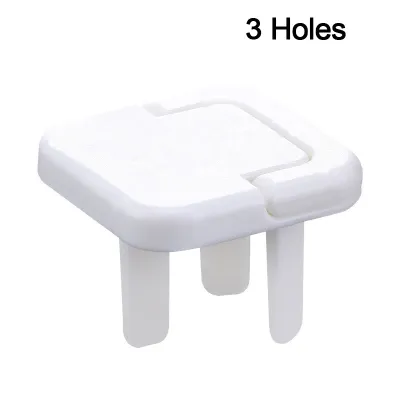
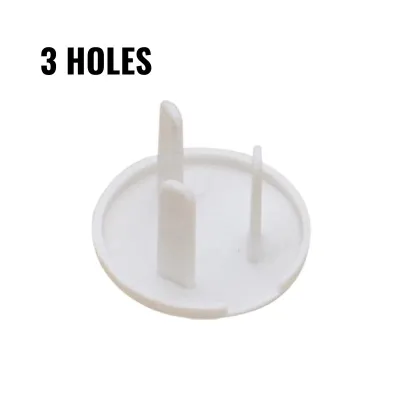
Prices are valid at publication and may change. Please refer to the product page for the latest price.
Because of these variations, a universal outlet cover does not exist. A plug-in cap designed strictly for a Type A outlet may leave the grounding path of a Type B outlet exposed, or it may not align correctly with the faceplate dimensions of newer installations. You must walk through each room of your house, note the socket types, and measure the faceplates to ensure any protective cover you buy matches the physical layout of your specific walls.
Understanding your child’s developmental milestones helps clarify why these outlets pose such a significant hazard. Around the age of six to twelve months, infants begin crawling, pulling themselves up on furniture, and exploring their surroundings through touch. They are naturally drawn to small openings, slots, and contrasting colors on walls. During this stage, toddlers frequently attempt to insert everyday household items—such as keys, hairpins, coins, or small toys—into exposed socket slots, which can result in severe electrical shocks, burns, or short circuits.
Some households attempt to address these risks using temporary or improvised solutions, such as covering outlets with masking tape, electrical tape, or blocking them with heavy furniture. These methods are highly unreliable and can introduce new hazards. The high humidity and ambient heat typical of the Philippine climate cause adhesive tapes to degrade rapidly, leaving behind a sticky residue that attracts dust while allowing the tape to peel away easily. Furthermore, blocking an outlet with furniture does not prevent a determined toddler from reaching behind the obstacle, and it can bend appliance cords at dangerous angles, increasing the risk of electrical fires.
Key Safety Features to Look for in Outlet Covers
When evaluating commercial outlet covers, your primary focus must be on preventing choking hazards. Many cheap, generic plastic inserts are small enough to fit entirely inside a child’s mouth if they are successfully pried from the wall. To verify safety, check the physical dimensions of the cover against standard safety guidelines. A reliable outlet cover should be large enough that it cannot pass through a standard choke tube tester, which measures approximately 31.7 millimeters in diameter. If a cover is small enough to be swallowed, it poses a severe risk to an unsupervised child.

Another critical factor is the extraction mechanism of the cover. The design must require adult-level hand strength, finger dexterity, or a specialized tool to remove. Toddlers possess surprising grip strength but lack the fine motor skills and dual-hand coordination required to operate complex locking mechanisms. Look for covers that feature a smooth, low-profile surface that prevents tiny fingernails from getting leverage underneath the edges, or those that require a distinct squeeze-and-pull action to release.
Material safety is equally important, as toddlers often explore new objects by chewing on them. You must verify that the outlet covers are manufactured from non-toxic, BPA-free plastics. Check the product packaging, manufacturer specifications, or official labels to confirm that the materials do not contain harmful chemical additives. Choosing food-grade or high-density plastics ensures that even if a child manages to handle a cover, they will not be exposed to hazardous chemical residues.
Finally, assess the structural integrity of the plastic. The warm, humid conditions in the Philippines can cause low-quality plastics to become brittle and degrade over time. Look for covers made from shatter-resistant materials, such as high-impact polycarbonate or ABS plastic. These materials can withstand repeated insertion and removal without cracking, and their locking tabs are less likely to snap off inside the electrical socket, which could otherwise create a permanent obstruction or a live electrical hazard.
Comparing Common Types of Outlet Covers
To choose the right protection for your home, you must understand the three primary categories of outlet covers available on the market. These include traditional plug-in caps, self-closing sliding plates, and fully enclosed box covers. Each style serves a specific purpose depending on how frequently the outlet is accessed and whether an appliance is permanently plugged into the socket.
Selecting the right style involves balancing convenience with long-term tamper resistance. While some covers are incredibly easy to install, they may require you to manually replace them every time you unplug an appliance, introducing the risk of human error. Other designs require a more involved installation process but provide continuous, automatic protection that does not rely on daily parental diligence.
Plug-in Caps (Traditional Inserts)
Plug-in caps are the most common, affordable, and widely available baby-proofing option. These simple plastic inserts feature prongs that slide directly into the outlet slots, blocking access completely. They require no tools to install and can be placed throughout an entire house in a matter of minutes, making them a popular choice for temporary living spaces or quick safety upgrades.
However, their simplicity is also their primary limitation, as determined toddlers can eventually learn to pull them out if the fit is not perfectly snug. To mitigate this risk, look for caps that feature a completely flat, low-profile face that sits flush against the wall plate. Avoid models that include small, folding ring handles or protruding tabs; while these handles make extraction easier for adults, they also provide a convenient handhold for a child to grip and pull.
Sliding Outlet Covers (Self-Closing Plates)
Sliding outlet covers offer a more permanent and highly reliable safety solution by replacing your existing wall faceplates entirely. These plates feature integrated, spring-loaded shutters that automatically slide over the socket openings the moment an appliance plug is withdrawn. This design ensures that the outlet is never left exposed, eliminating the risk of forgetting to replace a manual plug-in cap.
Before purchasing sliding covers, you must verify their compatibility with your home’s electrical hardware. Measure the screw spacing, overall plate dimensions, and the depth of your wall utility boxes. Many sliding plates sold online are designed for standard Western electrical boxes, which may not align perfectly with the flush-mounted utility boxes commonly embedded in concrete walls in Philippine homes. Ensuring a precise physical match is essential for a secure, flush installation.
Box Covers (Cord and Plug Protectors)
For outlets that power continuous household appliances—such as refrigerators, television sets, water dispensers, or electric fans—standard caps and sliding plates are insufficient. Toddlers are often tempted to pull on connected power cords, which can unplug the appliance, expose live metal prongs, or cause heavy equipment to topple over. Box covers solve this problem by completely enclosing both the outlet and the plugged-in cord heads within a locked plastic dome.
When choosing a box cover, you must measure the internal cavity to ensure it can accommodate the specific size of your appliance plugs. The enclosure must be deep enough to allow the power cord to exit through the bottom slot without bending at a sharp, restrictive angle. Pinched or heavily bent cords can suffer internal wire damage, which restricts electrical flow and can lead to localized overheating, creating a serious fire hazard over time.
How to Build Your Shortlist on Online Marketplaces
When searching for outlet covers on popular e-commerce platforms and digital storefronts, using precise search terms is essential to filter out incompatible products. Use specific queries such as “Type A baby proof outlet cover,” “self-closing outlet plate,” or “baby safety plug protector.” This helps narrow down your options to products that are physically compatible with the electrical standards used in the Philippines.
Do not rely solely on promotional product descriptions; instead, scrutinize user reviews for real-world feedback. Look for reviews written by local buyers who can confirm whether the covers fit securely into standard Philippine wall sockets without wobbling. Pay close attention to user-uploaded photos, which often reveal the true color, texture, and thickness of the plastic far better than polished manufacturer images.
Avoid purchasing unbranded, unusually cheap bulk packs that lack clear manufacturer details, material specifications, or verifiable return policies. While saving a few ₱ may seem appealing, these low-cost options are frequently made from thin, brittle plastics that fail under minimal pressure. Investing in reputable baby safety brands ensures that the products have undergone quality control checks and will perform reliably under daily use.
Additionally, cross-reference product images to inspect the design of the locking and extraction mechanisms. Ensure that the covers do not rely on thin, fragile plastic clips that look prone to snapping. A broken clip not only renders the cover useless but also creates a sharp edge and a small plastic fragment that a toddler could easily swallow.
Installation and Ongoing Safety Checks
Proper installation is paramount to ensuring that your chosen baby-proofing measures function as intended. If you are replacing standard wall plates with sliding covers or installing screw-mounted box covers, you must follow strict electrical safety protocols. Always turn off the main electrical breaker for that specific circuit at your home’s panel box before beginning any work. Use a non-contact voltage tester on the outlet to confirm that no electrical current is present before removing screws or touching the faceplate.
Once installed, outlet covers require regular maintenance to ensure they remain effective. Establish a monthly routine to inspect every cover in your home for signs of wear and tear. Look for hairline cracks, physical warping, discoloration from heat or sunlight, or loose fittings that allow the cover to wiggle. In the tropical climate of the Philippines, dust, insect debris, and moisture can accumulate behind wall plates, so use a dry microfiber cloth to clean the area during your monthly inspections.
It is also important to recognize that physical barriers are temporary safety measures. As your child grows, monitor their cognitive development, motor skills, and verbal comprehension. While physical covers remain necessary during the early years, they should be paired with consistent, age-appropriate safety education. Teach your child to respect electrical outlets and understand that wall sockets are not toys, laying the groundwork for safe behavior as they transition out of the toddler years.
Frequently Asked Questions (FAQ)
Are clear outlet covers safer than white ones?
Clear outlet covers are often considered safer because they are visually discreet, helping the outlet blend into the wall and reducing a toddler’s urge to investigate. White or brightly colored covers can sometimes contrast sharply with your paint, drawing a child’s attention to the area. However, physical safety depends entirely on the locking mechanism, size, and material strength of the cover rather than its color. A securely fitted white cover is always safer than a loose-fitting clear cover that a child can easily remove.
Can I use outlet covers on extension cords and power strips?
Standard wall outlet covers are generally not compatible with extension cords or power strips due to differences in slot spacing, casing depth, and faceplate design. Attempting to force a standard wall insert into a power strip can damage the internal copper contacts or leave gaps that a child can easily exploit. To secure these devices, you should look for specialized power strip covers, lockable box enclosures designed specifically for multi-plug strips, or mount the power strip high on a wall out of your child’s reach.
At what age can I stop using outlet covers?
There is no universal age at which you can safely remove outlet covers, as child development, impulse control, and safety comprehension vary widely from child to child. Instead of relying on a strict age limit, parents should base this decision on the child’s demonstrated understanding of electrical hazards and their consistent obedience to household safety rules. Keep the covers installed until you are entirely confident that your child no longer attempts to play with, touch, or insert objects into wall sockets.

Community discussion
Share your experience or ask a question. Comments are reviewed before publication.