
Finding comfortable sleeping positions becomes increasingly challenging as pregnancy progresses. The physical changes of a growing abdomen can strain the muscles, ligaments, and joints, leading to restless nights and daytime fatigue. In a tropical climate like the Philippines, where heat and humidity are constant factors, finding a sleep solution requires balancing physical support with temperature control. A dedicated tummy pillow can offer targeted relief, helping to cradle the expanding belly and align the spine without adding unnecessary bulk to the bed.
While many expectant mothers initially try to make do with standard household pillows, these often fail to provide the specific density and shape required to support a pregnancy bump. Selecting the right tummy pillow involves understanding how different designs interact with your body shape, sleeping habits, and the local environment. By focusing on key physical attributes, material breathability, and practical maintenance, you can select a pillow that supports your body comfortably through every trimester.
Understanding the Role of a Tummy Pillow in Pregnancy Comfort
During pregnancy, the body undergoes significant structural changes. The hormone relaxin loosens ligaments throughout the body to prepare for childbirth, which can make the joints in the pelvis and lower back less stable. As the abdomen grows forward, it pulls the lower spine out of its natural alignment, often resulting in lower back pain, pelvic girdle pain, and abdominal strain. A tummy pillow is specifically designed to fill the physical gap between the mattress and the curved underside of the belly, distributing the weight of the bump more evenly and reducing the lateral pull on the spine.
Products mentioned in this guide
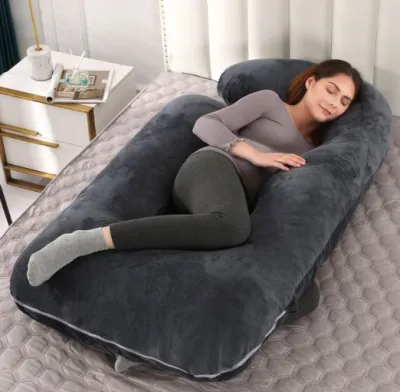
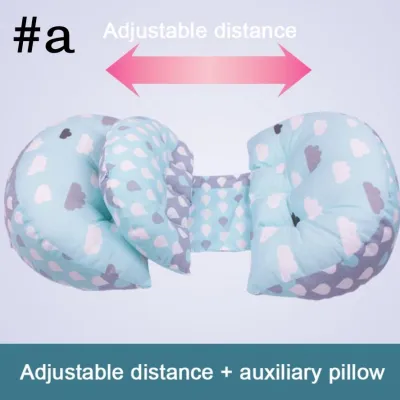
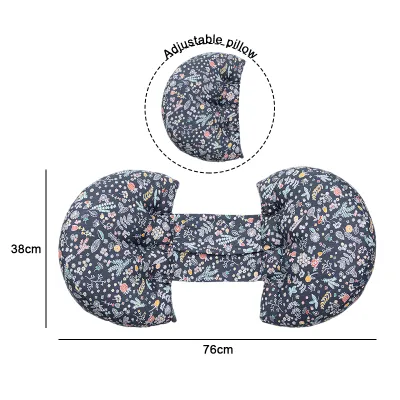
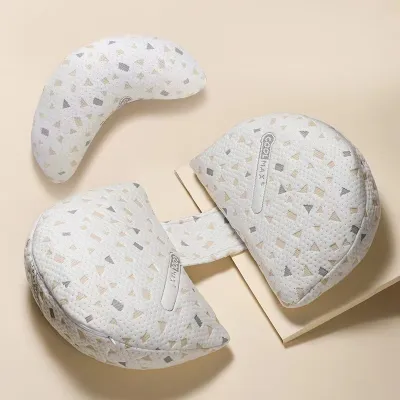
Prices are valid at publication and may change. Please refer to the product page for the latest price.
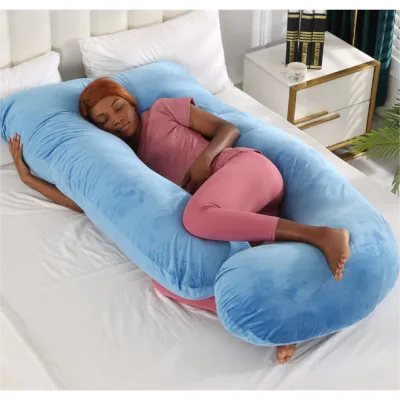
It is helpful to distinguish between full-body pregnancy pillows and targeted tummy pillows. Full-body pillows, such as large U-shaped or C-shaped designs, offer comprehensive support for the head, back, belly, and knees simultaneously. However, they occupy a substantial amount of space, which can crowd a standard double or queen-sized bed and restrict airflow around the body. In contrast, targeted tummy pillows—such as compact wedges or small dual-cushion pads—focus specifically on supporting the abdomen or lower back. They are highly localized, taking up minimal space and allowing for better air circulation in warm bedrooms.
While mild muscular aches and ligament stretching are common parts of the pregnancy journey, some discomforts require professional attention. If you experience sharp, localized pelvic pain, severe lower back pain that radiates down the legs, or persistent abdominal cramping, it is important to consult an obstetrician or a physical therapist. A tummy pillow is an excellent tool for general comfort and postural support, but it cannot replace targeted medical advice or therapeutic exercises for clinical conditions.
Core Dimensions to Evaluate When Shopping
When evaluating different tummy pillows, firmness and density are critical factors. A pillow that is too soft will compress completely under the weight of the abdomen, offering little to no actual support. Conversely, a pillow that is excessively hard can press uncomfortably against the sensitive abdominal wall, causing localized pressure points. The ideal tummy pillow should feature a medium-firm density that yields slightly to the body’s contours while maintaining its structural height throughout the night.

Size and portability are equally important considerations, particularly for those with limited bed space or those who travel frequently. Compact wedge pillows are highly portable and can easily be packed into a suitcase for weekend trips or carried to an office chair for daytime lumbar support. If you share a bed with a partner, a smaller, targeted pillow ensures that both individuals have sufficient space to sleep comfortably without feeling crowded by a massive sleep aid.
Given the warm climate, cover materials and washability are essential for maintaining hygiene. Expectant mothers often experience increased body temperature and night sweats. A tummy pillow should feature a removable cover equipped with a durable, recessed zipper that does not irritate the skin. The cover fabric must be robust enough to withstand frequent machine washing without shrinking, pilling, or losing its soft texture over time.
Adjustability is another valuable feature to look for when shopping. Some tummy pillows consist of two support pads connected by a flat fabric band with adjustable hook-and-loop fasteners. This design allows you to widen or narrow the distance between the pads as your belly grows across the second and third trimesters. Choosing an adjustable model ensures that the pillow remains functional and comfortable throughout your entire pregnancy journey rather than becoming obsolete as your body changes.
Matching Pillow Shapes to Sleep Positions and Trimesters
Selecting the right pillow shape depends heavily on your preferred sleeping position and your current stage of pregnancy. Wedge pillows, which feature a sloped, triangular design, are highly versatile during the second trimester. Placing the thin edge of the wedge gently under the side of the belly provides a subtle lift that prevents the abdomen from sagging toward the mattress. If cleared by a healthcare provider, a wedge can also be placed behind the back to provide a gentle incline, preventing you from rolling flat onto your back during sleep.
As you enter the third trimester, side sleeping is generally recommended to optimize blood flow to the placenta. Contoured or crescent-shaped pillows are particularly beneficial during this stage. These curved designs can be tucked under the belly and extended down between the knees, helping to keep the hips, pelvis, and spine in proper alignment. This dual-zone support reduces the twisting force on the lower back and helps alleviate pressure on the hip joints.
For active sleepers who frequently toss and turn, flat or adjustable dual-pad designs are often the most practical choice. Because these pillows feature support cushions on both sides of the body, you do not need to manually reposition the pillow when turning over in the middle of the night. Additionally, these flat, connected pads can double as supportive lumbar cushions when sitting upright in bed, reading, or working at a desk.
Navigating Material Choices for the Philippine Climate
In the warm and humid climate of the Philippines, material selection directly impacts sleep quality. The outer cover of the pillow should be made from highly breathable fabrics that facilitate heat dissipation. 100% cotton is a reliable, widely available option that offers excellent breathability and durability. Bamboo-derived viscose is another excellent choice, known for its silky texture, natural cooling properties, and superior moisture-wicking capabilities, which help keep the skin dry and comfortable.
The inner fill material determines both the support level and the heat retention of the pillow. Standard memory foam provides excellent contouring and pressure relief, but solid memory foam tends to trap body heat. If you prefer memory foam, look for open-cell structures or formulations infused with cooling gel to help mitigate heat buildup. Microfiber fills offer a softer, cloud-like feel and are lightweight, though they may require regular fluffing to maintain their loft. Buckwheat hulls provide exceptional airflow and firm support, though they are heavier and make a distinct rustling sound when you move.
High humidity levels can also encourage the growth of dust mites and mold, which can trigger allergies. When browsing options, check product labels for hypoallergenic properties and tightly woven inner protective covers. Choosing materials that resist moisture retention and allow for easy cleaning of both the cover and the inner core will help ensure a healthier, allergen-free sleeping environment.
Building a Condition-Based Shortlist for Purchase
To find the right tummy pillow, begin by defining your non-negotiable criteria based on your personal budget in ₱, your bed size, and your specific physical discomforts. If your primary issue is lower back pain, a dual-pad system that supports both the back and belly may be more effective than a single wedge. Establish a realistic price range and measure your sleeping area to ensure the pillow you choose fits comfortably within your space.
When shopping on online marketplaces, it is crucial to verify seller authenticity to avoid counterfeit products or pillows filled with low-quality, unhygienic materials. Look for official brand stores or highly rated local distributors with positive customer feedback. Carefully review the return and exchange policies, as many retailers restrict returns on bedding and personal hygiene items once the packaging has been opened.
If you prefer to evaluate products in person, consider visiting local brick-and-mortar baby and maternity shops in major metropolitan areas. Physically handling the pillows allows you to assess the firmness of the fill, the quality of the stitching, and the texture of the cover fabric before making a financial commitment. This hands-on approach can save time and prevent the hassle of returning an unsuitable product.
Finally, read user reviews with a focus on long-term durability and maintenance. Look for comments from local buyers who discuss how the pillow holds up after multiple wash cycles in local laundry setups. Pay attention to reports of cover shrinkage, zipper failures, or the inner fill losing its resilience over several months of continuous use. This real-world feedback is invaluable for identifying products that offer genuine, lasting value.
Frequently Asked Questions (FAQ)
Is it safe to use a tummy pillow if I accidentally roll onto my stomach?
Yes, using a tummy pillow is generally safe and can actually help prevent you from rolling completely onto your stomach. As pregnancy progresses, rolling onto your abdomen becomes physically difficult and uncomfortable. A wedge or contoured pillow placed against your belly or back acts as a gentle physical barrier, making it harder to roll over fully. If you do happen to roll onto your stomach and wake up experiencing discomfort, restricted breathing, or any unusual symptoms, adjust your position immediately and consult your healthcare provider for personalized guidance.
Can I use a regular bed pillow instead of a specialized tummy pillow?
In the early stages of pregnancy, such as the first trimester, a standard bed pillow or a folded towel can provide sufficient support for mild discomfort. However, as the abdomen grows heavier in the second and third trimesters, standard pillows often lack the density and specific shape required to provide targeted support without flattening completely. Specialized tummy pillows are designed to maintain their structural integrity under weight and fit precisely into the contours of the body, offering more reliable and consistent relief from physical strain.
How do I clean and maintain the pillow to prevent mold in a humid climate?
To prevent mold and mildew in a humid environment, establish a regular cleaning routine. Always use a removable, washable cover and wash it weekly in warm water with a mild detergent. For the inner core, refer to the manufacturer’s care instructions. Many foam cores cannot be washed; instead, they should be regularly aired out in a well-ventilated room or placed in indirect sunlight to dissipate accumulated moisture. If the inner fill is washable, ensure it is dried completely—preferably in a clothes dryer or under direct sunlight—before putting the cover back on, as any trapped moisture can quickly lead to mold growth.

Community discussion
Share your experience or ask a question. Comments are reviewed before publication.