
Choosing the right pregnant belly support depends entirely on whether you need daytime mobility aid, targeted pain relief, or nighttime sleep alignment. There is no single universal solution among belly bands, support belts, and pregnancy pillows; instead, each serves a distinct mechanical purpose. Belly bands offer light compression and wardrobe extension, support belts provide structural lift for pelvic or back strain, and pregnancy pillows focus exclusively on resting posture. Identifying your specific physical signals and daily routines is the first step to choosing the right format for your changing body. As your pregnancy progresses, the physical demands on your muscles and ligaments shift, making it essential to match your gear to your daily activities and comfort needs.
Identifying Your Discomfort: What Kind of Support Do You Actually Need?
Before browsing online marketplaces, take a few days to observe when and where you feel physical strain. Pregnancy introduces unique structural changes as your center of gravity shifts forward, pulling on the lower back and stretching the abdominal wall. Understanding the specific type of discomfort you are experiencing helps you avoid buying products that do not address your primary pain points.
For instance, round ligament pain often presents as a sharp, sudden jolt or a dull ache in the lower belly or groin, frequently triggered by sudden movements, rolling over in bed, or standing up quickly. Lower back strain, on the other hand, typically manifests as a constant, aching fatigue across the lumbar region, worsening after prolonged standing or walking. Pelvic girdle pain (PGP), which includes symphysis pubis dysfunction (SPD), often feels like a deep ache or instability in the pubic joint, making activities like walking, climbing stairs, or getting out of a car particularly challenging.
Products mentioned in this guide
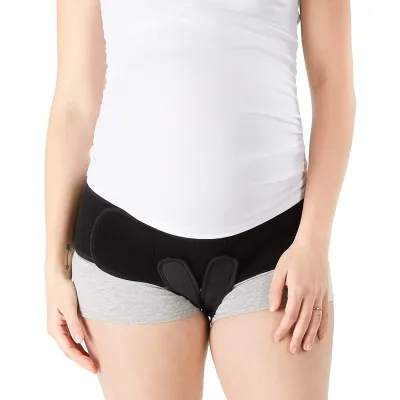
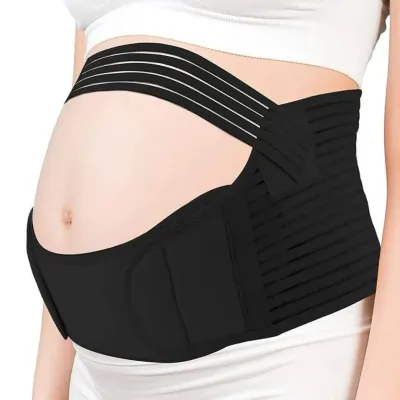
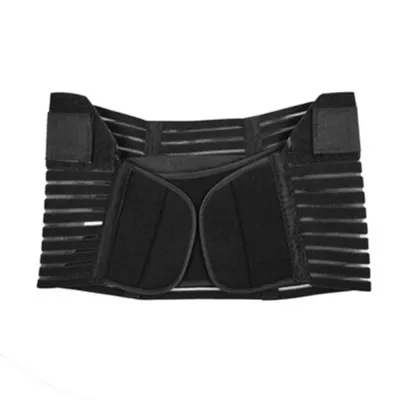
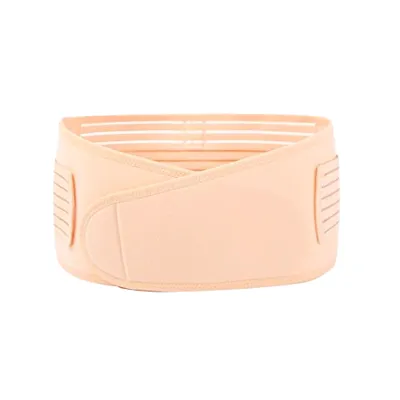
Prices are valid at publication and may change. Please refer to the product page for the latest price.
Your daily routine also dictates your support needs. An active lifestyle that involves commuting, standing for long periods in warm weather, or managing household chores requires a very different solution than a sedentary desk job or a routine disrupted primarily by sleepless, uncomfortable nights. While these support garments can significantly improve daily comfort, it is crucial to remember that they are designed for temporary relief of normal pregnancy aches. Persistent, sharp, or severe pain, as well as any pain accompanied by cramping or fluid loss, requires immediate professional medical evaluation rather than over-the-counter support gear.
Belly Bands: Light Compression and Wardrobe Flexibility
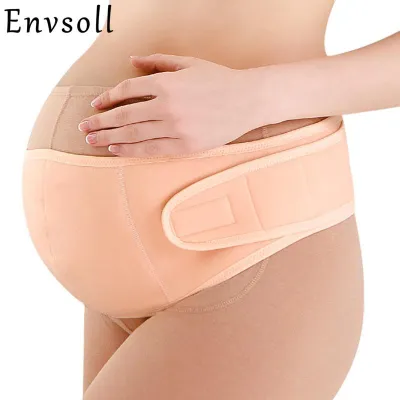
Belly bands—sometimes called belly sleeves—are seamless, highly elastic tubes of fabric that slip over your abdomen. Their primary function is to provide gentle, non-restrictive compression around the growing bump while offering a practical solution for transitional maternity wear. In the early to mid-pregnancy stages, a belly band allows you to wear your pre-pregnancy pants unbuttoned or unzipped by securely covering the open waistband, saving you from transitioning to full maternity wear too quickly.

The light compression of a belly band is highly suitable for soothing mild abdominal twinges and providing a subtle sense of security as your belly begins to show. Because they are lightweight and low-profile, they layer easily under everyday clothing without creating bulk. This makes them an excellent choice for office wear or casual outings where you want a smooth silhouette and a touch of abdominal support without the bulk of straps or fasteners.
However, belly bands have clear limitations. They lack the rigid structural support, heavy-duty elastic, and adjustable tension systems required to manage severe pelvic girdle pain, heavy lifting, or intense lower back strain in the third trimester. They act more like a supportive second skin than a weight-distributing brace.
When selecting a belly band, especially in tropical climates where humidity can lead to skin irritation, it is vital to check manufacturer labels for material composition. Look for breathable, moisture-wicking fabrics such as nylon-spandex blends that allow airflow. Always review the manufacturer’s skin sensitivity warnings and washing instructions, as frequent washing is necessary to maintain the band’s elasticity and hygiene in warm weather.
Support Belts: Targeted Lift for Back and Pelvic Strain
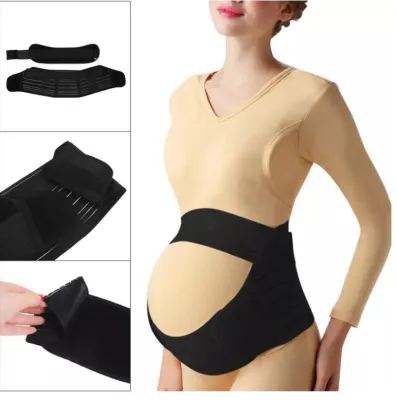
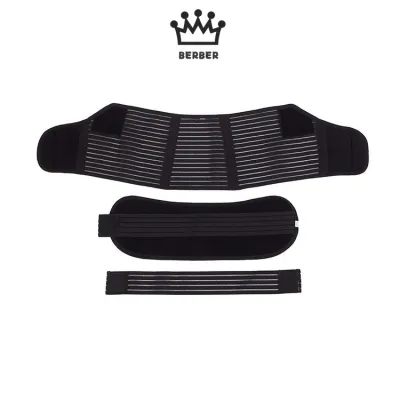
Maternity support belts are structured, adjustable devices designed to provide mechanical lift and targeted stabilization. Unlike simple fabric bands, support belts typically feature heavy-duty elastic, hook-and-loop fasteners, and sometimes rigid or semi-rigid stays that run along the lower back. The primary mechanism of a support belt is to cradle the lower abdomen from underneath, lifting the weight of the baby bump up and back toward the spine, which redistributes the load and relieves pressure on the lower back, pelvis, and bladder.
These belts are highly suitable for the later stages of pregnancy when the physical weight of the baby bump increases significantly. If your daily routine involves prolonged standing, walking, or physical labor, a support belt can help stabilize the pelvic joints and reduce the forces that contribute to symphysis pubis dysfunction (SPD) and sacroiliac (SI) joint pain. The adjustable nature of these belts allows you to customize the level of tension throughout the day, tightening the support when walking and loosening it when sitting down.
Achieving the correct fit is essential for both comfort and safety. A support belt should never compress the uterus directly; instead, it must sit low on the hips, cradling the very base of the bump. Overly tight compression can restrict blood circulation, cause digestive discomfort, or make breathing shallow.
Always check the product instructions for proper placement diagrams. If a belt is positioned too high, it can ride up, dig into your ribs, or put downward pressure on the pelvic floor, which defeats its purpose. Look for models with secondary tension straps that allow you to adjust the lift without altering the main hip closure.
Pregnancy Pillows: Resting Alignment and Sleep Quality
While belly bands and support belts facilitate daytime mobility, pregnancy pillows are designed exclusively for horizontal rest and sleep alignment. As pregnancy progresses, sleeping on your back is often discouraged, leaving side sleeping as the primary option. However, side sleeping with a heavy bump can pull the spine out of alignment, strain the hip joints, and cause the belly to drag uncomfortably against the mattress.
The core benefit of a pregnancy pillow is its ability to support multiple pressure points simultaneously, keeping your neck, spine, hips, and knees in a neutral, aligned position. These pillows come in several common shapes, each catering to different sleep preferences and bedroom setups.
- U-Shape Pillows: These large, full-body pillows support both the front and back of your body. They are highly suitable for sleepers who toss and turn, as you do not have to reposition the pillow when changing sides. However, they require significant bed space and can feel warm in humid environments.
- C-Shape Pillows: These curved pillows wrap around your body to support the head, cradle the belly or back, and tuck between your knees. They offer comprehensive support while taking up slightly less space than a U-shape model.
- Wedge Pillows: These compact, foam wedges slide under the belly to prevent dragging or behind the back to prevent rolling. They are highly portable, affordable, and ideal for smaller beds or warm nights.
Because pregnancy pillows are used for hours at a time, checking the filling material is crucial. Materials like memory foam can retain body heat, which may be uncomfortable in tropical climates, whereas polyester fiberfill or micro-beads often offer better airflow. Ensure the pillow features a removable, machine-washable cover to maintain hygiene and manage sweat during warm nights.
Decision Framework: Matching Your Symptoms to the Right Gear
To help you decide which product or combination of products will best support your pregnancy journey, consider this straightforward decision framework based on your primary daily challenges.
- Choose a Belly Band if: You are in your first or second trimester, your pre-pregnancy pants are getting tight, you experience only mild, occasional round ligament twinges, and you prefer a low-profile, seamless layer under your office or casual wear.
- Choose a Support Belt if: You are in your second or third trimester, experience moderate to severe lower back or pelvic girdle pain, spend hours standing or walking, and need adjustable, structural lift to relieve joint pressure during the day.
- Choose a Pregnancy Pillow if: Your primary discomfort occurs at night, you struggle to find a comfortable side-sleeping position, or you wake up with aching hips, lower back stiffness, or a pulling sensation in your abdomen.
- Combine if: You struggle with both daytime mobility and nighttime sleep. Many pregnant individuals find that using a structured support belt during active daytime hours and a pregnancy pillow at night provides the most comprehensive relief.
Below is a quick-reference comparison mapping each product type to its primary benefits, ideal use times, and key limitations:
| Product Type | Primary Benefit | Best Use Time | Key Limitations |
|---|---|---|---|
| Belly Band | Mild compression, wardrobe extension | Early to mid-pregnancy, light daily wear | No rigid structural support, not for severe pain |
| Support Belt | Structural lift, pelvic joint stabilization | Mid to late pregnancy, active standing/walking | Can be bulky under tight clothes, must be removed when sitting |
| Pregnancy Pillow | Spinal and hip alignment, joint pressure relief | Throughout pregnancy, during sleep or rest | Large footprint in bed, does not assist with daytime mobility |
Before purchasing any of these items, always verify the seller’s return policies and carefully review the manufacturer’s sizing charts. Your body will change rapidly, and a product that fits perfectly at week 20 may require a larger size or different adjustment style by week 32.
Safety Boundaries and When to Stop Using Support Products
While maternity support products are excellent tools for managing daily discomfort, they must be used with caution to prevent injury or muscle weakness. It is vital to pay close attention to how your body responds to these items. Stop using any support band, belt, or pillow immediately if you experience observable warning signs such as numbness, tingling in your legs or pelvis, restricted breathing, skin rashes, or an increase in localized pain.
Maternity support gear is designed to assist your muscles, not replace them. Relying too heavily on rigid belts can lead to muscle deconditioning, making it harder for your core and pelvic floor to support your body naturally. Furthermore, these products are comfort aids and do not replace medical treatments for underlying complications, severe diastasis recti, or preterm labor risks.
If you have a high-risk pregnancy, a history of circulatory issues, or experience persistent pelvic pain that does not improve with rest, consult your obstetrician or a specialized pelvic floor physical therapist before using a structured support belt. They can provide personalized guidance on proper wear times and recommend specific exercises to strengthen your core alongside using supportive gear.
Frequently Asked Questions (FAQ)
Can I wear a belly band or support belt all day?
No, you should not wear a belly band or support belt continuously throughout the entire day. Wearing these supportive garments for too long can cause your core and back muscles to become dependent on the external support, potentially weakening them over time. Additionally, prolonged wear can restrict blood circulation and cause skin irritation, especially in warm, humid climates. Most manufacturers recommend limiting wear to two to three hours at a time, taking regular breaks, and removing the gear entirely when you are sitting for long periods, resting, or sleeping.
Will wearing a support belt harm the baby?
When fitted and worn correctly, a maternity support belt will not harm your baby. These products are specifically engineered to sit low on your pelvis, cradling the underside of your abdomen and lifting the weight upward rather than compressing the uterus directly. However, safety depends entirely on proper adjustment. You must avoid pulling the belt too tight or positioning it directly across the middle of your bump. Always follow the manufacturer’s sizing guidelines, adjust the tension as your belly grows, and stop using the belt immediately if you feel any unusual pressure, shortness of breath, or discomfort.
Community discussion
Share your experience or ask a question. Comments are reviewed before publication.