
Selecting the right travel milk powder container depends on how long you plan to be away from home and how frequently your weaning baby needs to feed. When preparing for an outing, struggling with bulky formula cans or messy scoops in a moving vehicle or crowded public space can be incredibly stressful. By matching your container’s design to your baby’s feeding schedule, you can ensure every bottle is prepared quickly and hygienically.
The ideal container must fit comfortably in your diaper bag while protecting the milk powder from moisture, which is a common challenge in warm, humid climates. Whether you need a compact dispenser for a quick afternoon errand or a high-capacity storage system for an out-of-town weekend trip, understanding the strengths of each design will help you make an informed choice.
Assess Your Baby's Feeding Schedule and Outing Needs
To find the most practical travel milk powder container, start by evaluating your baby’s current weaning stage and daily feeding patterns. Younger babies who rely primarily on milk require more frequent feedings, meaning you will need a container that holds multiple pre-measured portions. As your baby transitions to solid foods, their milk intake may decrease, allowing you to carry smaller quantities. Take note of the exact volume of powder required for a single feed, as larger portions may not fit into standard, compact dispenser compartments.
Products mentioned in this guide
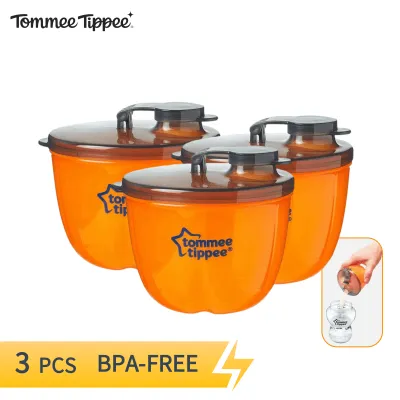
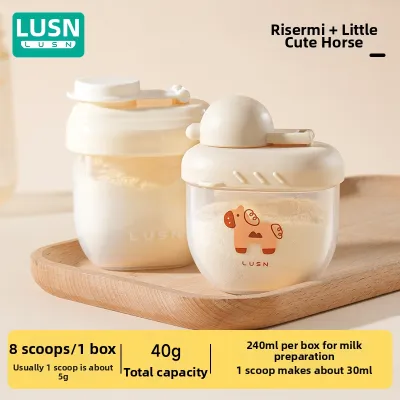
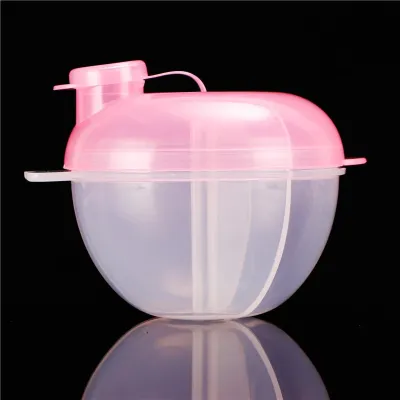
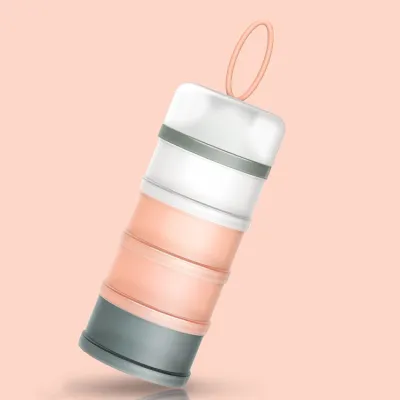
Prices are valid at publication and may change. Please refer to the product page for the latest price.
The duration of your typical outings plays a critical role in determining the type of container you should carry. For short trips, such as a quick visit to the pediatrician or a brief mall errand, a small, lightweight dispenser with one or two compartments is usually sufficient. These brief excursions do not require you to pack a full day’s supply of formula, saving valuable space in your diaper bag.
Conversely, full-day events or long road trips demand a more robust storage solution. If you plan to be away from home for several hours, you must prepare for multiple feeding sessions and potential travel delays. In these scenarios, carrying a multi-compartment dispenser that holds three to four pre-measured portions, or even a bulk single-compartment container, ensures you will not run out of formula.
Compare the Main Types of Travel Milk Powder Containers
Choosing the right container design is about balancing convenience, speed, and storage capacity to match your lifestyle. The market offers three primary configurations: single-compartment containers, multi-section dispensers, and built-in bottle dispensers. Each design addresses specific travel challenges, and the best option depends on whether you prioritize rapid preparation, space-saving shapes, or maximum volume.

Single-Compartment Containers
Single-compartment containers are designed for bulk storage, making them highly practical for extended travel, overnight stays, or setting up a temporary feeding station at your destination. Instead of dividing the powder into pre-measured portions, these containers hold a larger volume of milk powder in a single, open space. This design is particularly useful when you are traveling for several days and want to avoid packing bulky commercial formula tins in your luggage.
While bulk storage offers excellent capacity, it does require you to carry a separate scoop and measure out each portion on the spot. This process can be challenging when you are in a moving vehicle or a busy public setting with limited flat surfaces. The risk of spilling powder or miscounting scoops increases when you are distracted or trying to soothe a hungry baby. When selecting a bulk container, look for wide openings for easy scooping and secure, airtight lids to prevent moisture ingress.
Multi-Section Dispensers
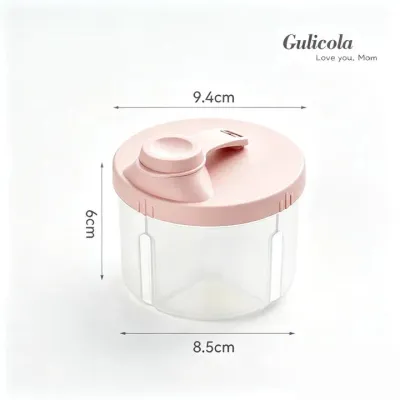
Multi-section dispensers are the most popular choice for daily outings because they allow you to pre-measure individual portions of milk powder at home. These containers typically feature three or four separate compartments, each holding enough powder for a single bottle. When it is time to feed, you simply rotate the lid to the desired compartment and pour the pre-measured powder directly into the bottle of water.
This design eliminates the need to carry a separate scoop or measure out portions while you are out, significantly reducing the risk of spills and contamination. Because the powder is already measured, you can prepare a bottle in a matter of seconds, even in low-light conditions. Before purchasing, verify that the individual compartments are large enough to hold your baby’s current portion size. Additionally, check that the rotating lid seals tightly over each compartment to prevent the powder from migrating between sections.
Built-In Bottle Dispensers
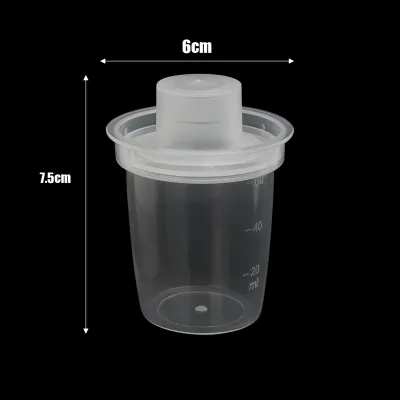
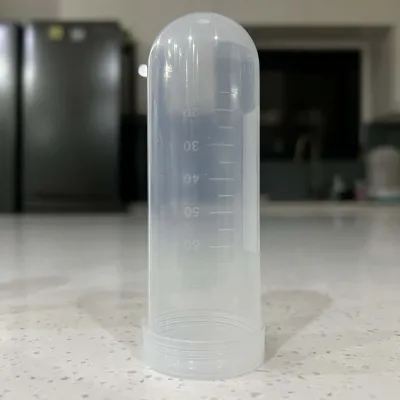
Built-in bottle dispensers offer an integrated solution that combines the storage container and the baby bottle into a single unit. These systems allow you to store the pre-measured milk powder inside a specialized compartment that attaches directly to or sits inside the bottle. The powder remains completely dry and separated from the water until you are ready to feed, at which point you release it with a simple twist or push mechanism.
This integrated design offers the fastest possible preparation time, as you do not need to open any external containers or worry about pouring powder through a narrow bottle neck. It minimizes the risk of powder waste, accidental spills, and exposure to airborne contaminants, making it highly suitable for feeding during car rides or outdoor excursions. However, because these dispensers are integrated, you must verify their compatibility with your specific baby bottle brand, neck size, and nipple type. Always check the manufacturer’s instructions for proper assembly to prevent premature mixing or leaks.
Key Features to Check Before Buying
When selecting a travel milk powder container, safety and material quality should always be your top priorities. Ensure that the container is made from high-quality, food-grade plastics or silicone, and verify that it is explicitly labeled as BPA-free. Because these containers hold food that your baby will consume, checking the manufacturer’s age recommendations and safety certifications on the packaging is an essential step before making a purchase.
In tropical climates where humidity levels are consistently high, airtight and moisture-proof seals are absolutely critical. If warm, humid air penetrates the container, the milk powder can quickly absorb moisture, leading to clumping or spoilage. Look for containers that feature robust silicone gaskets, secure snap-locking lids, or threaded screw tops that create a reliable barrier against the elements. A tight seal also ensures that the powder will not leak out into your diaper bag if the container is tipped over or jostled during transit.
Ease of cleaning is another vital factor to consider, as milk powder residue can easily become trapped in tight corners, threads, or seals. Choose a container that can be completely disassembled, allowing you to remove silicone rings, dividers, and lids for thorough washing. Check the manufacturer’s guidelines to see if the parts are dishwasher-safe or if they can withstand steam sterilization, as some plastics may warp under high heat. Smooth, rounded interior walls are generally easier to clean and dry than those with sharp angles or deep crevices.
How to Clean and Maintain Your Container on the Go
Maintaining strict hygiene standards while traveling is essential for protecting your baby’s developing immune system. Whenever possible, empty and rinse the container immediately after your baby has finished feeding. Allowing leftover milk powder residue to sit in the container for hours can cause it to harden, making it much more difficult to clean later and increasing the risk of bacterial contamination. A quick rinse with clean water on the go will make the final washing process much easier when you return home.
Once you are back home, perform a thorough cleaning by disassembling all removable parts of the container. Remove any silicone sealing rings, internal dividers, and rotating lids, as these are the areas where moisture and powder particles are most likely to hide. Wash all components in warm, soapy water using a soft bottle brush to reach into every corner without scratching the plastic. Avoid using abrasive sponges or harsh chemical cleaners, which can damage the surface.
After washing, allow all parts to air-dry completely on a clean rack before reassembling the container. Putting a container back together while it is still damp will trap moisture inside, which can ruin your next batch of milk powder and encourage the growth of mold. Regularly inspect the silicone seals, threads, and locking mechanisms for any signs of wear, cracking, or degradation. If you notice that a seal has become loose or damaged, replace the part or the entire container according to the manufacturer’s guidelines.
Frequently Asked Questions (FAQ)
Can I use a milk powder container to store baby purees or snacks?
While many travel milk powder containers are highly versatile, they are generally designed for dry ingredients and may not be suitable for wet or oily foods like baby purees. Storing liquids or purees in a container meant solely for powder can lead to leaks, as the seals may not be designed to contain fluids. Additionally, certain foods can cause permanent staining, retain strong odors, or promote bacterial growth in hard-to-reach crevices. Always consult the manufacturer’s guidelines to verify if your specific container is rated for wet food storage or dry snacks like puffs.
How do I prevent milk powder from clumping inside the container during humid weather?
To prevent clumping in warm, humid environments, you must ensure that both the container and the measuring scoop are completely dry before adding any powder. Even a tiny droplet of water or residual moisture from washing can cause the powder to stick together and form hard clumps. Store your filled container in a cool, dry place inside your diaper bag, away from direct sunlight or heat sources. Regularly inspect the silicone gaskets and seals for any signs of wear, as a compromised seal will allow humid air to enter and degrade the quality of the powder.

Community discussion
Share your experience or ask a question. Comments are reviewed before publication.