
Transitioning your baby from an all-milk diet to solid foods is a exciting milestone, but it also introduces new complexities to your daily feeding routine. During this weaning transition, finding the right milk powder container becomes essential for keeping formula fresh, portioning smaller amounts accurately, and maintaining hygiene on the go. The ideal container must provide an absolute moisture barrier to withstand tropical climates, consist of certified food-safe materials, and offer practical features like spill-proof funnels and flexible compartments.
As your baby begins exploring purees and soft finger foods, their milk intake will naturally fluctuate. Instead of relying on bulky, original formula tins that are prone to moisture contamination, a dedicated milk powder container allows you to pre-portion exact amounts for individual feeds. This guide details the essential features to look for, matches container types to your daily routine, and outlines critical safety and maintenance protocols to protect your baby’s health.
Before purchasing any feeding accessory, always consult your pediatrician to discuss your baby’s specific developmental readiness for weaning. Additionally, remember to verify the recommended age range, weight limits, and specific method of use in the manufacturer’s product documentation, as suitability should never be assumed based on product names alone.
Products mentioned in this guide
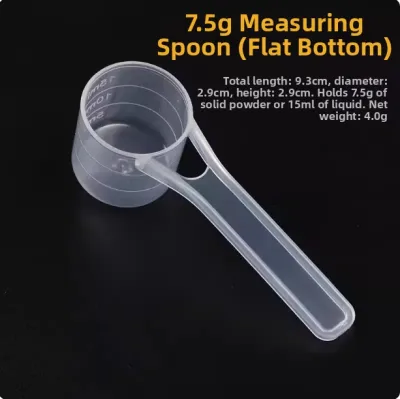
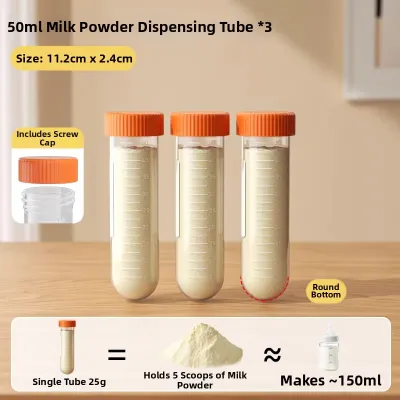
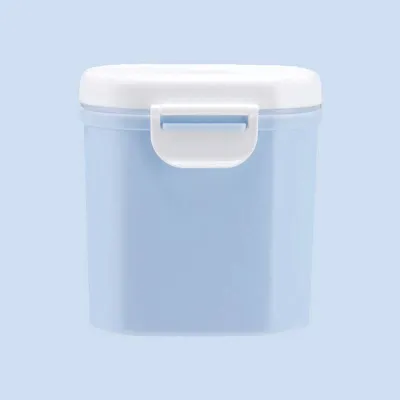
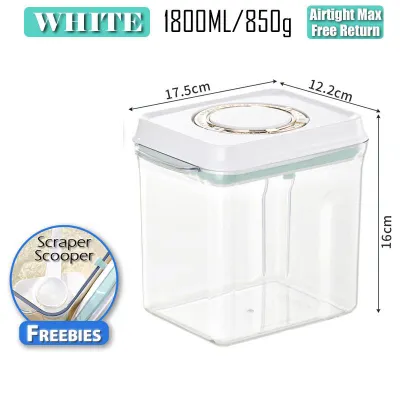
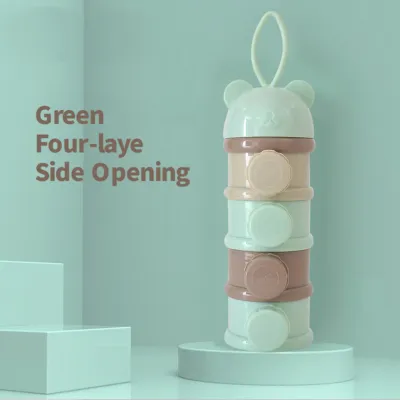
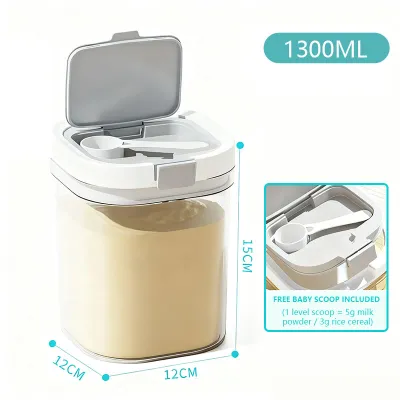
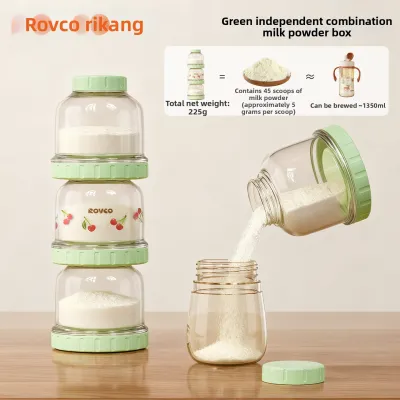
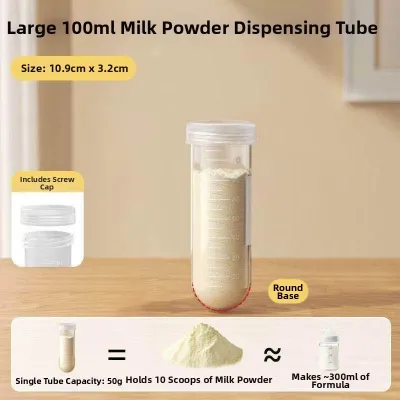
Prices are valid at publication and may change. Please refer to the product page for the latest price.
Why the Weaning Stage Demands Better Formula Storage
The weaning transition stage—typically starting around six months of age, subject to professional medical advice—fundamentally changes how parents prepare and schedule feeds. Instead of predictable, large-volume bottles throughout the day, your baby will gradually transition to a mixed routine of solid snacks, purees, and smaller, more frequent milk feeds. This shifting schedule means you will often need to prepare smaller formula portions on demand, sometimes while sitting in a park, visiting relatives, or running errands.
Using the original metal formula tin during this highly mobile stage is highly impractical. Original tins are bulky, heavy, and difficult to pack into a standard diaper bag. More importantly, opening a large tin multiple times a day in a humid environment exposes the entire batch of powder to ambient air. This frequent exposure accelerates degradation, leads to clumping, and increases the risk of bacterial contamination.
Furthermore, portioning formula directly from a large tin while away from home frequently results in accidental spills and inaccurate scoop counts. A dedicated milk powder container addresses these challenges by keeping pre-measured portions sealed, dry, and ready for instant mixing. This ensures your baby receives accurate nutrition while minimizing prep time and wasted formula.
5 Essential Features to Look for in a Milk Powder Container
Selecting the right container requires looking beyond aesthetic appeal to evaluate functional specifications. The following five features are non-negotiable for ensuring safety, freshness, and ease of use during the weaning phase.

Airtight Seals and Moisture Barriers
In tropical environments with high relative humidity, protecting powdered formula from moisture is a constant challenge. When humid air enters a container, the fine powder quickly absorbs water molecules, leading to hard clumps that do not dissolve properly in water. This clumping can alter the concentration of the prepared bottle, potentially causing digestive discomfort or dehydration.
To prevent this, look for containers equipped with robust silicone gaskets, multi-point snap-lock lids, or specialized twist-and-seal mechanisms. These designs create a physical barrier that locks out moisture and dust. Before using a new container, you can visually inspect the seal to ensure the silicone ring sits flush without gaps, and physically test it by closing the empty container and gently pressing the sides to ensure no air escapes.
Food-Grade, BPA-Free Materials
Your baby’s developing system is highly sensitive to chemical exposure, making material safety a top priority. Ensure any container you select is explicitly labeled as food-grade and free from Bisphenol A (BPA), Bisphenol S (BPS), and phthalates. High-quality plastics like polypropylene (PP) and Tritan are popular choices because they are lightweight, impact-resistant, and highly durable for travel.
Alternatively, food-grade stainless steel (such as 304 or 316 grade) and borosilicate glass offer exceptional hygiene and longevity, though they are heavier and glass carries a breakage risk if dropped. To verify material safety, look for clear resin identification codes (such as the number 5 recycling symbol for PP) or certified safety markings on the physical packaging. Avoid unbranded products that lack clear material disclosures.
Spill-Proof Funnels for Mess-Free Pouring
Preparing a bottle in a moving vehicle or a crowded public space often leads to spilled formula, which is both messy and expensive. A container featuring a built-in or detachable funnel solves this issue by directing the powder cleanly into the narrow neck of the baby bottle. This feature is especially valuable for tired parents during late-night or early-morning feeds.
When evaluating funnel designs, ensure the opening is wide enough to allow the powder to flow freely without bridging or clogging, yet narrow enough to fit securely inside your preferred bottle brand. Additionally, the funnel component should be easily removable from the main body. This ensures you can access all joints and surfaces during cleaning to prevent old powder residue from building up.
Flexible Compartments for Adjusting Portions
Because a weaning baby’s appetite changes from week to week, rigid, single-size containers can quickly become obsolete. Modular containers with adjustable dividers or independent, stackable compartments allow you to customize the storage space based on your current needs. For instance, you can pack a large four-scoop portion for a morning feed and a smaller two-scoop portion for an afternoon snack accompaniment.
This portion flexibility supports the natural progression of weaning, where milk volume gradually decreases as solid food intake increases. Look for modular systems where individual compartments can be used independently or linked together, allowing you to carry only what you need for a specific outing.
Clear Measurement Markings and Visibility
When managing a busy daily schedule, you need to know exactly how much formula is available without opening the container and exposing the powder to the air. Semi-transparent or fully transparent container walls allow for instant inventory checks. This visibility ensures you never leave the house with an insufficient amount of powder.
Additionally, look for containers with clearly printed or embossed measurement markings on the exterior, such as scoop counts or milliliter equivalents. Embossed markings are highly recommended because they will not fade or wear off after repeated washing and sterilization cycles, ensuring long-term accuracy.
Matching Container Types to Your Weaning Lifestyle
Different daily routines require different storage solutions. Understanding the strengths and limitations of the three primary container formats will help you choose the best option for your family.
Stackable Dispensers for On-the-Go Parents
Stackable dispensers consist of multiple individual compartments that screw or snap together vertically, utilizing a single funnel lid at the top. This vertical design is highly space-efficient, sliding easily into the bottle pockets of diaper bags or stroller organizers. They are ideal for day trips, daycare, or long family outings where you need to carry multiple pre-measured feeds.
While highly convenient, stackable dispensers do have a taller profile and fixed compartment capacities. When selecting a stackable model, carefully inspect the sturdiness of the threads and connection points between the tiers. Weak threads can strip over time, causing the compartments to separate in your bag and spill the contents. Look for deep, coarse threads that lock securely with a partial turn.
Single-Serve Pods for Quick Night Feeds
Single-serve pods are compact, individual containers designed to hold exactly one portion of formula. These are highly practical for night feeds, allowing you to keep a pre-measured pod and a bottle of room-temperature water on your bedside table for rapid preparation. They are also excellent for short trips or for leaving a single feed with a temporary caregiver.
The primary trade-off with single-serve pods is the physical bulk of carrying multiple separate units if you are out for an entire day. When using these pods, pay close attention to the lid design. Because the lids are small, they can easily be cross-threaded when closed in a hurry, which compromises the airtight seal and exposes the powder to humidity.
Large Airtight Canisters for Bulk Home Storage
If you purchase formula in large cardboard refill boxes or bulk bags to manage household expenses, a large airtight canister is an essential home storage solution. These canisters typically hold between 400g and 1000g of powder and feature wide openings for easy scooping, integrated scoop hangers to keep the handle clean, and built-in scraping edges.
Transferring bulk powder into a dedicated canister protects the formula from household humidity, pests, and accidental spills. The built-in scraping or leveling edge is particularly critical; it allows you to level off each scoop precisely. An un-leveled, packed scoop can result in over-concentrated formula, which can strain your baby’s developing kidneys and digestive system.
Safety Red Flags: Designs and Materials to Avoid
To protect your baby from foodborne illness and chemical exposure, avoid containers that exhibit any of the following design flaws or material concerns:
- Hard-to-Clean Crevices: Avoid containers with deep, narrow screw threads, non-removable silicone gaskets, or complex hinge mechanisms. Powdered formula easily accumulates in these tight spaces. When mixed with ambient moisture, these residues become breeding grounds for mold and bacteria that are highly difficult to sanitize.
- Flimsy Latches and Thin Plastics: Cheaply manufactured containers made from thin, flexible plastics tend to warp when exposed to warm dishwater or sterilizers. This warping prevents the lid from seating properly, destroying the airtight seal and allowing moisture and household pests, such as ants, to enter.
- Unverified Materials and Sellers: Refrain from buying unbranded feeding accessories from unverified online marketplaces. These products often lack genuine safety certifications and may contain restricted industrial chemicals. Always verify the manufacturer's credentials and look for clear compliance labels on the packaging.
- Highly Static-Prone Plastics: Some low-grade plastics generate significant static electricity, causing the fine formula powder to cling stubbornly to the interior walls and funnel. This static cling makes it difficult to empty the container completely, leading to inaccurate portioning and unnecessary product waste.
How to Clean and Sanitize Your Formula Dispenser Safely
Regular, meticulous cleaning is vital to prevent the growth of harmful bacteria, such as Cronobacter sakazakii, which can survive in dry environments. Follow these low-risk, practical maintenance steps to keep your container hygienic.
Daily Cleaning
After every single use, completely disassemble all components of the container, including silicone seals, lids, and funnel attachments. Wash all parts thoroughly in warm water mixed with a mild, baby-safe dishwashing detergent. Use a dedicated, soft-bristled brush to gently scrub the threads, corners, and inner surfaces of the funnel to remove all traces of milk fat and powder residue.
Drying Protocol
In humid climates, proper drying is the most critical step in the cleaning process. After washing, place all components face down on a clean, elevated drying rack in a well-ventilated area. Allow every piece to air-dry completely before reassembling the container or adding new formula. Even a single microscopic droplet of moisture trapped inside can cause the powder to clump and spoil rapidly.
Deep Cleaning and Sterilization
Before subjecting any container to heat sterilization, you must check the manufacturer’s label or instruction manual to verify its temperature threshold. While some high-quality plastics and silicone parts can withstand steam sterilization or boiling, high heat can warp or degrade other materials. If the packaging indicates the product is sterilizer-safe, you may use a steam sterilizer or boil the components for the recommended duration. If instructions are unavailable, stick to thorough hand-washing with warm, soapy water.
When to Replace
Regularly inspect your formula container under good lighting. You must discard and replace the container immediately if you observe any of the following signs of wear:
- Deep scratches or scuffs on the interior plastic surfaces, which can harbor bacteria and biofilms that normal washing cannot remove.
- Cloudy, discolored, or brittle plastic, indicating material degradation from UV exposure or repeated heating.
- Stretched, torn, or loose silicone gaskets that no longer provide a tight, flush seal.
- Lingering sour milk odors that persist even after thorough washing and drying.
If you find yourself replacing plastic containers frequently due to scratching or degradation, consider transitioning to high-quality food-grade stainless steel or borosilicate glass options for greater durability.
Frequently Asked Questions (FAQ)
Can I use a milk powder container for weaning snacks?
Yes, food-grade, BPA-free milk powder containers are excellent for storing dry, solid weaning snacks such as baby puffs, rice rusks, small crackers, or freeze-dried fruit pieces. Their airtight seals help keep these dry snacks crisp and fresh when you are out of the house. Always ensure the container is completely clean and dry before adding snacks.
However, you should avoid using these containers for wet, sticky, or highly perishable foods—such as fruit purees, yogurt, or fresh cut fruit—unless the product documentation explicitly states the container is leak-proof for liquids and rated for wet food storage. Always wash and sanitize the container thoroughly when switching between formula and solid snacks to prevent cross-contamination.
How long can pre-portioned formula sit in a dispenser?
Dry, pre-portioned formula stored in a clean, dry, and properly sealed airtight container can generally sit for up to 24 to 48 hours, provided the container is kept in a cool, dry place away from direct sunlight and heat sources. Always consult your specific formula manufacturer’s packaging for precise storage timelines and safety guidelines.
Keep in mind that this timeline applies strictly to dry powder. Once you mix the powder with water, the biological safety clock starts immediately; prepared formula must be consumed within the timeframe specified by the formula manufacturer (typically one to two hours at room temperature), and any leftovers must be discarded to prevent bacterial growth.
When is it time to throw away a scratched formula container?
You should discard and replace a plastic formula container as soon as you detect visible scratches on the interior walls. Microscopic scratches easily trap milk proteins, fats, and moisture, creating a sheltered environment where bacteria can multiply and form a resilient biofilm that standard washing cannot eliminate.
Additionally, replace the container if the plastic becomes cloudy, warped, or if the silicone gaskets lose their elasticity and fail to sit flush. If you find that plastic containers degrade quickly under your daily sterilization routine, transitioning to durable food-grade stainless steel or borosilicate glass can provide a longer-lasting, highly hygienic alternative.
Community discussion
Share your experience or ask a question. Comments are reviewed before publication.