
Selecting the right storage for a compact nursery requires balancing accessibility, safety, and floor space. In a small room, a single bulky cabinet can quickly overwhelm the layout and restrict movement. Instead, the most effective approach combines vertical wall-mounted shelves, multi-functional under-crib bins, and a low-profile modular unit. This hybrid strategy keeps daily essentials within your baby’s reach while keeping seasonal items or small-part toys safely tucked away.
When searching for a dedicated toy store organizer, parents often look for multi-bin systems that make sorting easy. However, in a tight room, every square centimeter counts. By evaluating your specific layout and matching your storage choices to your child’s developmental stage, you can create an organized, peaceful environment that grows with your family.
Quick Guide: Matching Toy Storage Types to Your Nursery Layout
Finding the perfect balance between floor space and storage capacity depends on your nursery’s unique layout. If your floor space is extremely limited—with less than one square meter of open floor—prioritize vertical wall shelves and over-the-door hanging pockets. If you have an unused corner, a corner-shaped cubby or a narrow, tiered toy store organizer works best to maximize the footprint without blocking walkways.
Products mentioned in this guide
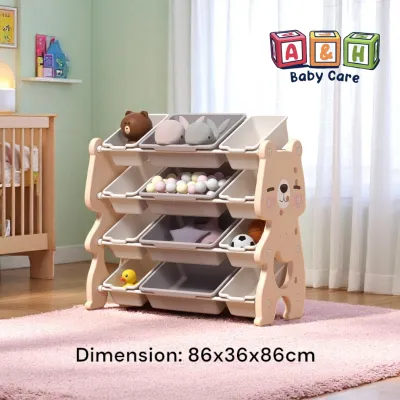
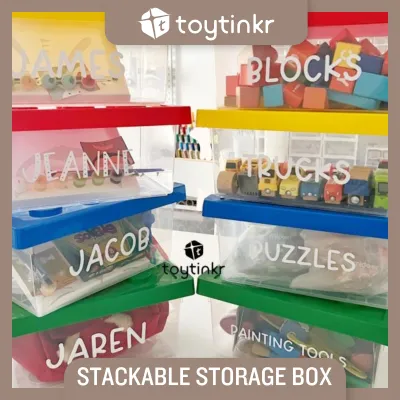
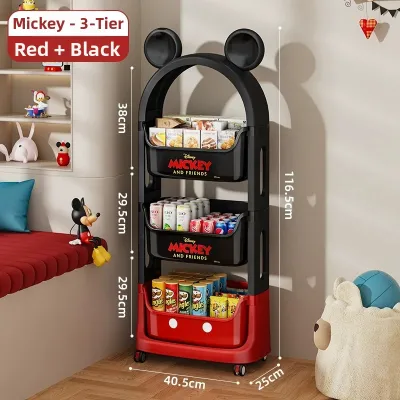
Prices are valid at publication and may change. Please refer to the product page for the latest price.
The type of toys you need to store also dictates the best organizer format. Large plushies and soft blankets fit perfectly in breathable fabric bins or hanging mesh nets. Conversely, small, multi-piece toys like building blocks or rattle sets require shallow, compartmentalized plastic trays or clear, stackable containers to prevent them from getting lost at the bottom of a deep chest.
As you plan your layout, consider the primary trade-off between toddler accessibility and visual tidiness. Low, open-front bins encourage independent play and self-tidying as your toddler grows, but they expose colorful clutter. Enclosed cubbies with removable fabric drawers hide the visual chaos, creating a calmer nursery environment, but they require an extra step for your child to access their toys.
Comparing Toy Organizer Types for Compact Spaces
To find the right balance for your home, it is helpful to evaluate storage options across four key dimensions: floor footprint, vertical clearance, toddler accessibility, and visual clutter reduction. No single organizer solves every problem, so understanding how soft, rigid, and wall-mounted options compare will help you customize your setup.

Storage Bins, Baskets, and Soft Organizers
Soft storage solutions, such as woven cotton ropes, canvas bins, and collapsible fabric baskets, are highly versatile for small nurseries. Their flexible structures allow them to squeeze into tight corners, slide under a crib, or sit neatly on closet shelves. Because they lack sharp corners and heavy lids, they are exceptionally safe for crawling babies and toddlers who are learning to pull themselves up. There are no heavy wooden doors to slam on tiny fingers, and the lightweight material means even a fully loaded bin is unlikely to cause injury if tipped over. Choosing machine-washable options also makes it easy to clean up after inevitable spills or spit-up.
However, soft organizers have distinct limitations. Without rigid walls, they tend to sag when empty or lose their shape when overstuffed. They cannot be stacked easily without a supporting shelf system, meaning they can end up taking up valuable floor space if you rely on them too heavily. Additionally, deep baskets often become “black holes” where small toys accumulate at the bottom, making it difficult for your child to find specific items without dumping the entire contents onto the floor. In humid tropical climates, such as in the Philippines, closed fabric bins can also trap moisture; choosing breathable woven cotton or natural fibers helps maintain airflow and prevents musty odors.
Cubbies and Modular Storage Units
Modular cubby systems and structured multi-bin racks—often referred to as a classic toy store organizer—are excellent for keeping diverse toy collections structured. These units provide a rigid framework that maximizes vertical space while maintaining a relatively small floor footprint. Many parents prefer these systems because they can be customized with interchangeable fabric or plastic inserts. You can use open shelves for displaying books, and slide-in bins to instantly hide mismatched toys, maintaining a clean visual aesthetic in a small room. Look for units with rounded corners and smooth edges to prevent accidental scratches during active play.
When selecting a modular toy store organizer, it is crucial to balance the unit’s total storage capacity against its physical footprint. A unit that is too deep will restrict movement in a narrow nursery. Look for shallow designs (around 30 centimeters deep) that utilize height rather than depth. Always check the manufacturer’s specified weight limits per shelf to ensure the unit can safely hold heavy board books or wooden blocks. Because these units are rigid and top-heavy when loaded, verifying that the package includes certified anti-tip hardware is an absolute safety priority before bringing one into your home.
Wall-Mounted Shelves and Hanging Organizers
When floor space is at a premium, looking upward is the most effective way to expand your nursery’s storage capacity. Wall-mounted shelves and hanging organizers utilize underused vertical space, keeping the floor clear for play mats and tummy time. Hanging organizers, particularly those made of lightweight mesh or fabric, are ideal for storing soft items like plush toys, swaddles, or light plastic rattles. They can be hung on the inside of closet doors or from secure wall hooks, keeping lightweight items organized and easily visible. Always check the weight capacity of hanging hooks to prevent the organizer from falling.
Wall-mounted floating shelves serve a dual purpose: they display beautiful board books and heirloom toys as room decor while keeping delicate or small-part items safely out of reach of curious crawling infants. However, vertical storage requires careful installation checks. In many homes, especially concrete or hollow-block structures common in tropical regions, standard drywall anchors will not suffice. You must verify your wall type and use the appropriate masonry plugs, heavy-duty anchors, or locate wall studs to ensure the shelves can support the weight of books and toys without pulling away from the wall.
Space-Saving Layout Strategies for Small Nurseries
Integrating a toy store organizer into a compact nursery requires strategic spatial planning. Start by identifying multi-functional furniture opportunities. If your changing table has open shelves underneath, dedicate the lower levels to labeled toy bins. The empty space beneath a crib is another prime storage zone; low-profile, rolling plastic bins or zippered fabric bags can slide easily under the frame, keeping toys hidden but accessible.
Next, look for overlooked zones in the room. The narrow gap between a wardrobe and the wall, or the space behind the nursery door when it is open, can often accommodate a slim rolling cart or a hanging pocket organizer. These small adjustments prevent you from having to crowd the center of the room with large furniture, preserving precious floor space for your baby to crawl and explore.
To make cleanup easier, consider labeling your bins with simple picture cards instead of text. This visual cue helps toddlers understand where each toy belongs, encouraging them to participate in tidying up.
Finally, implementing a toy rotation system is the ultimate space-saving strategy. Instead of keeping every toy in the nursery, store only a curated selection of five to ten items in the active toy store organizer. Keep the remaining toys in a closet or secondary storage area, and swap them out every two weeks. This not only reduces the physical storage footprint required in the nursery but also keeps your child more engaged with their toys, as old items feel fresh and exciting when reintroduced.
Essential Safety and Maintenance Checks for Nursery Storage
Safety must always take precedence when setting up nursery storage. The most critical step is securing all rigid furniture. Any cubby, bookcase, or heavy toy store organizer must be anchored securely to the wall using anti-tip straps or brackets. As babies learn to stand, they naturally use furniture to pull themselves up, and even a relatively short unit can tip over if a child pulls on an open drawer or climbs the shelves.
Material safety is equally important. Ensure all plastic bins are labeled BPA-free and non-toxic, especially since infants explore their world by putting objects in their mouths. Fabric organizers should be made of breathable materials to prevent suffocation hazards if a child plays with an empty bin, and they should be free of long cords, loose ribbons, or small decorative elements that could pose choking risks.
Establish a regular maintenance routine to keep the nursery environment healthy. Inspect wall anchors and furniture hardware monthly to ensure nothing has loosened. Check hanging straps on door organizers for signs of fraying or wear. In warm, humid climates, wipe down plastic bins with a mild, baby-safe sanitizer and wash fabric bins according to their care labels regularly to prevent the buildup of dust mites, mold, or mildew.
Frequently Asked Questions (FAQ)
How do I organize small toys like building blocks in a tiny nursery?
To manage small toys without cluttering a compact space, use small, stackable, transparent plastic bins or zippered mesh pouches. These can be tucked inside larger cubby units or placed on high shelves. Keeping small-part toys in clear containers allows you to identify the contents quickly without dumping everything out. Always store toys with small parts or choking hazards on higher, secured shelves that are completely out of reach of infants and toddlers, bringing them down only for supervised play sessions.
Is it safe to use over-the-door hanging organizers in a nursery?
Yes, over-the-door hanging organizers can be safe and highly efficient, provided you follow key precautions. Before installation, check your door’s clearance, hinge strength, and closing mechanism to ensure the organizer does not prevent the door from closing smoothly or cause fingers to get trapped. Avoid storing heavy, sharp, or breakable items in these pockets; restrict them to lightweight essentials like plush toys, socks, or bibs. Additionally, ensure the organizer is mounted on a door that your child cannot easily swing, pull, or climb on as they grow.

Community discussion
Share your experience or ask a question. Comments are reviewed before publication.